

Yeast infections are one of the most frustrating skin problems dogs can develop, and they are surprisingly common in the UK. If your dog has been scratching endlessly, licking their paws, or shaking their head more than usual, a yeast overgrowth could be the reason. At dogfoodsuk.com, we regularly hear from owners dealing with these stubborn infections, many of whom had no idea that something as simple as diet and daily grooming habits could make a real difference.
In this guide, we explain what yeast infections in dogs actually are, how to recognise the early warning signs, and what you can do to support your dog through dietary choices and home care. We also cover when it is essential to visit your vet and which underlying health issues might be contributing to the problem.
Yeast infections are rarely dangerous on their own, but they can cause significant discomfort for your dog and, if left untreated, may lead to secondary bacterial infections that are far more serious. Understanding the condition is the first step towards helping your dog feel comfortable again.
What Is a Yeast Infection in Dogs?
A yeast infection in dogs is caused by an overgrowth of a naturally occurring fungus called Malassezia pachydermatis. This organism lives on the surface of your dog’s skin and inside their ears as part of the normal microbiome. In small numbers, it causes no problems at all. It is only when the balance of microorganisms on the skin is disrupted that Malassezia begins to multiply out of control, leading to the itchy, inflamed, and sometimes smelly condition that owners recognise as a yeast infection.
Malassezia thrives in warm, moist environments, which is why yeast infections most often appear in a dog’s ear canals, between their toe pads, in skin folds, and around their armpits and groin. Breeds with floppy ears, wrinkled skin, or dense double coats are particularly vulnerable because their anatomy traps heat and moisture against the skin.
According to the PDSA (People’s Dispensary for Sick Animals), yeast skin infections are one of the top reasons dog owners in the UK seek veterinary advice for skin complaints. The condition is not contagious between dogs, and it is certainly not something you can catch from your pet. It is simply an imbalance that has developed on your dog’s own skin.
It is worth understanding that Malassezia is different from the Candida yeast that affects humans. Although the principles of treatment are similar, the species involved are distinct, and treatments designed for human yeast infections should never be applied to your dog without veterinary guidance.
Common Signs and Symptoms
Recognising a yeast infection early can save your dog weeks of discomfort. The symptoms tend to develop gradually, so it is easy to miss them at first. Here are the most common signs to watch out for:
Intense itching and scratching — This is usually the first thing owners notice. Your dog may scratch at their ears, chew their paws, or rub their face along furniture and carpets. The itching tends to be persistent rather than occasional, and it often gets worse after your dog has been swimming, bathing, or walking in the rain.
Red, irritated skin — Areas affected by yeast overgrowth often become pink or reddish-brown. The skin may look inflamed and feel warm to the touch. In severe cases, the skin can thicken and develop a leathery texture, especially in chronic infections that have been present for weeks or months.
A distinctive musty or cheesy smell — One of the hallmarks of a yeast infection is the odour. Many owners describe it as similar to musty corn chips, cheese, or damp bread. If you notice an unusual smell coming from your dog’s ears, paws, or skin folds, yeast is a strong suspect.
Greasy or scaly skin — Yeast infections often cause the skin to become excessively oily or, conversely, dry and flaky. You might notice yellowish-grey scales or crusts forming on the surface of the skin, particularly around the ears and paws.
Excessive head shaking — When yeast takes hold inside the ear canal, dogs will shake their heads vigorously and frequently. You may also notice your dog tilting their head to one side or rubbing their ear along the ground.
Dark discolouration — Prolonged yeast overgrowth can cause the skin to darken, a process called hyperpigmentation. This is most visible on the belly, inner thighs, and between the toes.
Hair loss — Persistent scratching and inflammation can lead to patchy hair loss in the affected areas. This is usually a secondary effect rather than directly caused by the yeast itself.
If you notice several of these signs together, it is well worth making an appointment with your vet. For more on related skin issues, you can read our guide on rashes on a dog’s belly, which covers some overlapping symptoms and causes.
Where Yeast Infections Commonly Appear
Yeast infections are not random — they favour specific areas of a dog’s body where conditions are warm, dark, and moist. Understanding where to look makes it easier to spot problems early.
Ears
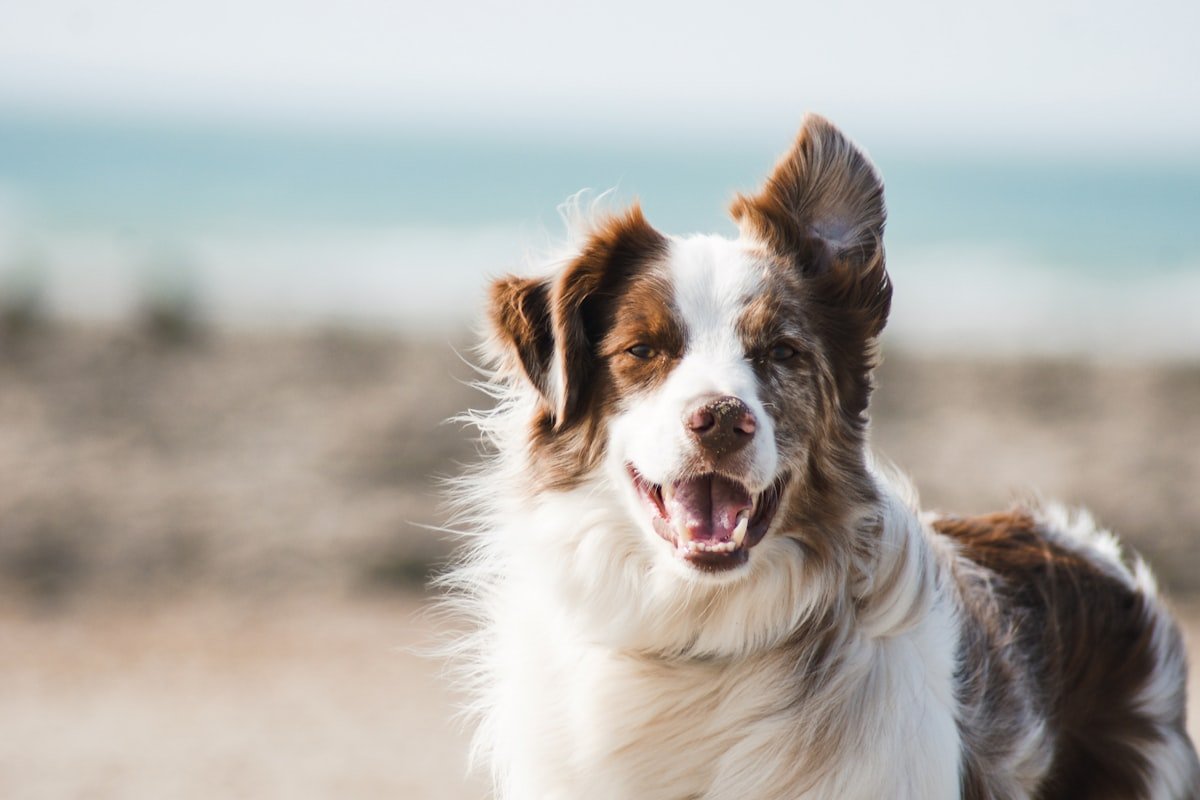
The ear canal is the single most common site for yeast infections in dogs. The warm, dark, and airless environment inside a floppy ear is ideal for Malassezia to multiply. Breeds such as Cocker Spaniels, Basset Hounds, and Springer Spaniels are especially prone to ear yeast infections because their ear flaps restrict airflow. Symptoms include head shaking, ear scratching, redness inside the ear, discharge, and a strong smell.
Paws
Yeast infections between the toe pads cause dogs to lick and chew their feet obsessively. The paws may become red, swollen, and warm. You might notice a brownish-red discolouration on the fur between the toes from constant licking, and the skin between the pads can become raw and cracked. After walks, particularly in wet weather, moisture gets trapped between the toes and creates the perfect conditions for yeast to thrive.
Skin Folds
Dogs with wrinkled or folded skin — such as Bulldogs, Pugs, Shar-Peis, and Pekingese — are prone to yeast infections in their facial folds, tail pockets, and any area where skin rests against skin. These areas trap moisture, dead skin cells, and debris, creating an ideal breeding ground for yeast. Owners of these breeds need to check and clean skin folds daily as part of their routine care.
Belly and Groin
The belly and groin area are warm and often less hairy than other parts of the body, which means the skin stays warmer and retains more moisture. Yeast infections here often appear as patchy redness, sometimes with darkened skin and a greasy feel. If your dog has been lying on damp grass or has not been properly dried after a bath, the belly is one of the first places yeast may take hold.
Armpits and Under the Legs
Similar to the groin, the armpit area is warm and can become sweaty, especially in active dogs. The friction from walking and running can cause mild irritation that weakens the skin barrier, giving yeast an opportunity to multiply. Redness, hair loss, and a sour smell are typical signs in this area.
What Causes Yeast Overgrowth in Dogs?
Understanding the underlying causes of yeast overgrowth is essential because treating the infection without addressing the root cause often leads to recurrence. Here are the most common triggers.
Allergies
Allergies are the single biggest contributing factor to yeast infections in dogs. Environmental allergies (such as grass pollen allergies), food allergies, and flea allergies all trigger inflammation that disrupts the skin’s natural defences. When the skin barrier is compromised by allergic inflammation, the normal balance of bacteria and yeast is disturbed, and Malassezia takes advantage. The RSPCA notes that allergic skin disease is one of the most common chronic conditions seen in UK veterinary practices, and recurrent yeast infections are a frequent complication.
Moisture and Warmth
Dogs that swim regularly, get bathed frequently, or walk in the rain are at higher risk because moisture becomes trapped against the skin. After a wet walk, the areas between the toes, inside the ears, and in skin folds may stay damp for hours, creating ideal yeast-growing conditions. Similarly, dogs living in poorly ventilated or humid environments are more susceptible. Simple steps like thoroughly drying your dog after walks and after bathing can significantly reduce the risk.
Diet and Gut Health
While food does not directly cause yeast infections in the way many people believe, diet plays an important supporting role. A diet that supports strong immune function and a healthy gut microbiome helps your dog’s body keep yeast populations in check naturally. We explore this connection in detail below. Our guide to dog food allergies covers how dietary triggers can contribute to skin inflammation that paves the way for yeast overgrowth.
Antibiotic Use
Antibiotics are sometimes necessary to treat bacterial infections, but they work by killing bacteria indiscriminately, including the beneficial bacteria that help keep yeast in check on the skin and in the gut. After a course of antibiotics, some dogs develop yeast overgrowth as a side effect. If your dog has recently been on antibiotics, it is worth being extra vigilant about skin and ear health for the following weeks.
Underlying Health Conditions
Certain medical conditions make dogs more susceptible to yeast infections. These include hypothyroidism (underactive thyroid), Cushing’s disease (excess cortisol production), and diabetes mellitus. All of these conditions affect the immune system or alter skin chemistry in ways that favour yeast growth. If your dog keeps getting yeast infections despite good care, it is worth asking your vet to investigate potential underlying causes.
Compromised Immune System
Any condition that weakens the immune system can allow yeast to multiply unchecked. This includes not only the diseases mentioned above but also stress, old age, and certain medications such as long-term steroid use. Puppies and senior dogs may also be more vulnerable because their immune systems are either not fully developed or naturally declining.
The Diet Connection: How Food Affects Yeast
There is a great deal of misinformation online about the relationship between diet and yeast infections in dogs. One of the most common claims is that feeding a low-carbohydrate or sugar-free diet will starve yeast and cure the infection. We want to address this honestly, because it is more complicated than many articles suggest.
The Sugar and Carbohydrate Myth Explained
It is true that yeast feeds on sugar in a laboratory setting. Malassezia is a lipophilic organism, meaning it primarily feeds on lipids (fats and oils) on the skin rather than dietary carbohydrates. However, the body does break down carbohydrates into simple sugars during digestion, and it is theoretically possible that a high-sugar diet could influence conditions on the skin.
But here is the reality: the carbohydrates in commercial dog food are complex carbohydrates such as rice, oats, barley, and sweet potato. These are digested slowly and do not cause the rapid blood sugar spikes that would be needed to meaningfully affect skin surface yeast populations. There is no strong scientific evidence to suggest that normal levels of carbohydrates in a balanced dog food directly cause or worsen yeast infections.
That said, some dogs with specific food sensitivities may develop gastrointestinal inflammation that weakens the immune system and, indirectly, the skin barrier. In these cases, switching to a limited ingredient diet can help — not by starving the yeast directly, but by reducing systemic inflammation. The European Pet Food Industry Federation (FEDIAF) nutritional guidelines confirm that balanced carbohydrates are a safe and appropriate part of canine nutrition when included at recommended levels.
What Diet Can Actually Do
While diet alone cannot cure a yeast infection, it can play a valuable supporting role in several ways:
Reducing inflammation — Foods rich in omega-3 fatty acids, such as those containing fish oil or salmon oil, help reduce skin inflammation and strengthen the skin barrier. A stronger skin barrier is more resistant to yeast invasion.
Supporting the immune system — Diets that include high-quality protein, antioxidants from fruit and vegetables, and essential vitamins and minerals give the immune system the building blocks it needs to regulate yeast populations effectively.
Supporting gut health — The gut and the skin are closely connected through what researchers call the gut-skin axis. A healthy gut microbiome helps regulate immune responses throughout the body, including on the skin. Our article on dog gut health explains this connection in more detail.
Avoiding allergens — If your dog has a confirmed food allergy, avoiding the trigger ingredient reduces chronic skin inflammation, which in turn makes it harder for yeast to gain a foothold.
Best Foods to Support Dogs Prone to Yeast Infections
If your dog is prone to recurrent yeast infections, choosing the right food can make a meaningful difference to their overall skin health and resilience. Here is what to look for when selecting a food.
Limited Ingredient Diets
Limited ingredient diets contain fewer protein and carbohydrate sources, which makes it easier to identify and avoid ingredients that trigger allergic reactions in your dog. Brands such as James Wellbeloved, Burns, and Forthglade offer well-regarded limited ingredient options in the UK. These foods typically use a single novel protein (such as turkey, fish, or lamb) and a simple carbohydrate source (such as rice or sweet potato).
The idea is to minimise the number of potential allergens in the diet while still providing complete and balanced nutrition. If your dog has not yet been tested for food allergies, a limited ingredient diet can be a useful starting point for an elimination trial under your vet’s supervision.
Foods Rich in Omega-3 Fatty Acids
Omega-3 fatty acids, particularly EPA and DHA from fish sources, are among the most well-researched nutrients for skin health. They help reduce inflammation, support the skin barrier, and may help modulate the immune response. According to PetMD, dietary fatty acid supplementation is frequently recommended alongside veterinary treatment for canine skin conditions.
Foods that naturally contain good levels of omega-3 include those made with fish (such as salmon, herring, or whitefish) as the primary protein. You can read more about the benefits in our dedicated guide to salmon oil for dogs. For dogs eating standard kibble, adding a high-quality fish oil supplement can be an easy way to boost omega-3 intake. Many UK pet owners find suitable supplements on Amazon UK, where brands such as Pooch and Mutt, Dorwest Herbs, and Lintbells are widely available.
Foods with Natural Anti-Inflammatory Ingredients
Some dog foods include ingredients with recognised anti-inflammatory properties, such as turmeric, coconut oil, blueberries, and spinach. While these ingredients alone will not treat a yeast infection, they contribute to an overall diet that supports skin health and immune function. Our article on anti-inflammatory foods for dogs covers this topic in depth.
What to Avoid
While we have established that carbohydrates in dog food do not directly feed yeast, it is still sensible to avoid foods with excessive fillers, artificial additives, and very high sugar content. Some treats, especially those marketed for training, contain surprisingly high levels of sugar and should be given sparingly. The All About Dog Food website is an excellent UK resource for comparing the nutritional quality of different dog food brands.
If your dog has a confirmed food allergy, the most important dietary change is eliminating the specific allergen, whether that is chicken, beef, dairy, wheat, or something else entirely.
Probiotics and Yeast: Can They Help?
Probiotics have received a lot of attention for their potential to support skin health from the inside out. The science behind this is rooted in the gut-skin axis — the communication pathway between the gut microbiome and the skin. When the gut microbiome is healthy and diverse, it helps regulate immune responses and reduce systemic inflammation, both of which are relevant to yeast control.
Probiotics are live beneficial bacteria that, when consumed in adequate quantities, can help restore balance to the gut microbiome. For dogs that have recently taken antibiotics, which disrupt both gut and skin bacteria, probiotic supplementation may help re-establish a healthier microbial balance and reduce the likelihood of secondary yeast overgrowth.
There is also emerging research suggesting that certain probiotic strains may directly influence skin health by modulating the immune system’s response to skin organisms, including Malassezia. However, it is important to note that the evidence is still developing, and probiotics should be viewed as a supportive measure rather than a treatment for an active yeast infection.
For a comprehensive look at this topic, including specific strains, natural food sources, and product recommendations available in the UK, see our full guide to probiotics for dogs.
If you are considering adding a probiotic supplement to your dog’s routine, look for products that contain well-researched strains such as Lactobacillus and Bifidobacterium species, and that are specifically formulated for dogs rather than humans. Products from brands like Protexin, Pooch and Mutt, and Dorwest Herbs are popular with UK dog owners and are readily available from veterinary practices and online retailers.
Home Care Tips for Managing Yeast Infections
While veterinary diagnosis and treatment should always come first, there are several things you can do at home to help manage your dog’s condition and reduce the likelihood of recurrence between vet visits.
Regular Ear Cleaning
If your dog is prone to ear yeast infections, your vet may recommend a specific ear cleaning solution and a routine. Use only veterinary-approved ear cleaners — never insert cotton buds or water into your dog’s ear canal. Gently wipe the visible part of the inner ear with a cotton pad soaked in the cleaning solution, then allow your dog to shake their head to clear any debris. This routine may be needed weekly or even more frequently during flare-ups.
Drying Your Dog Thoroughly
One of the simplest and most effective things you can do is ensure your dog is completely dry after getting wet. This means using a towel or a low-heat hairdryer to dry between the toes, inside the ears, in skin folds, and on the belly after walks in the rain, swimming, or bathing. Pay particular attention to areas that do not get much airflow.
Apple Cider Vinegar Rinses
Diluted apple cider vinegar (ACV) is a popular home remedy among dog owners. The idea is that the acidity of the vinegar creates an environment on the skin that is less hospitable to yeast, which prefers a more alkaline pH. The typical recommendation is one part raw, unfiltered apple cider vinegar to two or three parts water.
ACV can be used as a paw rinse after walks, applied to skin folds with a cotton pad, or added to your dog’s drinking water in very small amounts. However, it is essential to never apply ACV to raw, broken, or bleeding skin, as it will sting and cause further irritation. Always consult your vet before using ACV, especially if your dog is already receiving prescribed treatment, as there is a possibility of interaction.
Paw Wipes After Walks
Keeping your dog’s paws clean and dry after outdoor activity helps remove allergens, debris, and moisture that can contribute to yeast growth. Plain water or a pet-safe paw wipe is usually sufficient. This is particularly important for dogs with grass or pollen allergies, as allergens that cling to the paws can trigger the inflammation that leads to yeast overgrowth.
Regular Grooming
Keeping your dog’s coat well-groomed allows air to reach the skin and prevents matting, which traps moisture. For breeds with long or dense coats, regular trimming around the ears, paws, and sanitary areas can improve airflow and reduce the risk of yeast-friendly microclimates developing on the skin.
Wash Bedding Frequently
Your dog’s bedding can harbour yeast spores and bacteria. Wash bedding weekly at a high temperature (at least 60 degrees Celsius) to kill microorganisms. Consider using a hypoallergenic, fragrance-free detergent, as scented products can irritate already sensitive skin.
Check Skin Folds Daily
For dogs with wrinkled skin, a daily check of all skin folds is important. Wipe out any debris, moisture, or discharge with a damp cloth or a veterinary skin fold wipe. This simple habit can prevent the kind of environment where yeast thrives from developing in the first place.
When to See Your Vet About Yeast Infection
Home care and dietary support are valuable, but they are not a substitute for professional veterinary advice. You should always consult your vet if you suspect your dog has a yeast infection, particularly if it is the first time they have had one. Here are some specific situations where a vet visit is essential.
First-time symptoms — If this is the first time your dog has shown signs of a yeast infection, do not assume it is yeast. Many skin conditions produce similar symptoms, including bacterial infections, mange, and contact allergies. Your vet can perform tests to confirm the diagnosis and rule out other causes.
The infection is not improving — If you have been managing the condition at home for a week or more and there is no improvement, or if it is getting worse, it is time to see your vet. Chronic or worsening infections may require prescribed medication.
The ear is painful or swollen — Ear infections that cause significant pain, swelling, or discharge can indicate a more serious problem, including a bacterial infection or a ruptured eardrum. Do not put anything into a painful ear — see your vet promptly.
Your dog has systemic symptoms — If your dog is lethargic, off their food, running a fever, or showing signs of illness beyond the skin problem, seek veterinary attention immediately. This could indicate a more serious underlying condition.
Recurrent infections — If your dog keeps getting yeast infections despite your best efforts, your vet can investigate potential underlying causes such as hypothyroidism, Cushing’s disease, food allergies, or environmental allergies. Identifying and managing the root cause is the most effective way to break the cycle of recurrent infections.
Your vet will typically diagnose a yeast infection by taking skin swabs or tape preparations and examining them under a microscope. This is a quick and straightforward procedure that can be done during a standard consultation. Once the diagnosis is confirmed, your vet can recommend an appropriate treatment plan.
How to Prevent Recurring Yeast Infections
Prevention is always better than cure, and for dogs prone to yeast infections, a consistent management routine can dramatically reduce the frequency and severity of flare-ups. Here are the key strategies.
Maintain a Consistent Grooming Routine
Regular grooming is one of the most effective preventive measures. This includes brushing to remove dead hair and debris, trimming around problem areas to improve airflow, and checking skin folds, ears, and paws daily for early signs of redness or discharge. Establish a routine that works for you and your dog, and stick with it.
Keep Your Dog Dry
This cannot be overstated. Drying your dog thoroughly after any exposure to water is the single most impactful thing most owners can do. Get into the habit of towel-drying your dog’s paws and belly as soon as you return from a wet walk. If your dog swims, rinse them with clean water afterwards (to remove chlorine or salt) and dry them completely, paying special attention to the ears and between the toes.
Support the Immune System Through Diet
A high-quality, balanced diet that supports immune function and skin health is foundational. Ensure your dog’s food includes adequate omega-3 fatty acids, high-quality protein, and a range of vitamins and minerals. Consider adding a probiotic supplement to support gut health, especially if your dog has recently taken antibiotics or has a history of digestive issues. The FEDIAF nutritional guidelines provide a reliable framework for ensuring your dog’s diet meets all their needs.
Manage Allergies Proactively
If your dog has known allergies, work with your vet to manage them proactively rather than reactively. This might include antihistamine medication during pollen season, regular bathing with a medicated shampoo, or a strict elimination diet to identify food triggers. Keeping allergic inflammation under control is the most effective way to prevent the skin barrier breakdown that allows yeast to flourish.
Use Preventive Ear Care
For dogs prone to ear yeast infections, a weekly ear cleaning routine with a veterinary-approved ear cleaner can help maintain a healthy ear environment. Your vet can recommend a specific product and show you the correct technique.
Minimise Antibiotic Use Where Possible
While antibiotics are sometimes necessary, discuss with your vet whether alternatives might be appropriate for minor conditions. When antibiotics are needed, ask about probiotic supplementation to support gut health during and after the course of treatment.
Regular Vet Check-ups
For dogs with a history of recurrent yeast infections, regular veterinary check-ups allow early detection of flare-ups and monitoring for underlying conditions that might be contributing to the problem. Catching changes early makes treatment simpler and more effective.
Frequently Asked Questions
Can a yeast infection in dogs go away on its own?
It is unlikely. Yeast overgrowth rarely resolves without intervention because the conditions that allowed it to develop in the first place usually persist. Mild cases may stabilise temporarily, but without addressing the underlying cause, the infection typically returns and may worsen over time. Veterinary treatment combined with home care gives the best chance of a full and lasting recovery.
Are yeast infections contagious to other dogs or humans?
No. Malassezia is a normal part of your dog’s skin microbiome. An infection is simply an overgrowth of an organism that is already present. You cannot catch a yeast infection from your dog, and your dog cannot pass it to another dog. However, if multiple dogs in a household are affected, it may indicate a shared environmental factor such as humidity or a common allergen.
Can I use human antifungal cream on my dog?
You should not use any human medication on your dog without consulting your vet first. Many human antifungal products contain ingredients that can be toxic to dogs if licked or absorbed through the skin, or they may not be formulated at the correct concentration for canine use. Always seek veterinary advice before applying any treatment.
How long does it take for a yeast infection to clear up?
With appropriate veterinary treatment and consistent home care, most yeast infections begin to improve within a week to ten days. Full resolution typically takes two to four weeks, depending on the severity of the infection and whether there are underlying contributing factors. Chronic or recurrent infections may take longer to manage effectively.
Should I change my dog’s food if they have a yeast infection?
Not necessarily. While diet plays a role in overall skin health, changing food is not a treatment for a yeast infection. If your vet suspects a food allergy is contributing to the problem, they may recommend an elimination diet. Otherwise, focus on ensuring your dog is eating a high-quality, balanced food and consider adding omega-3 supplementation if their current food is not already rich in these fatty acids.
Is a grain-free diet better for dogs with yeast infections?
There is no scientific evidence to support the claim that grain-free diets prevent or treat yeast infections in dogs. Grains such as brown rice and oats are complex carbohydrates that do not feed yeast in the way simple sugars might. A grain-free diet may be appropriate if your dog has a specific grain allergy, but this should be confirmed through proper veterinary testing rather than assumed. For most dogs with yeast issues, the quality and balance of the overall diet matters far more than whether it contains grains.
Can stress cause yeast infections in dogs?
Stress can weaken the immune system, which in turn may reduce the body’s ability to keep yeast populations in check. While stress alone is unlikely to be the sole cause of a yeast infection, it can be a contributing factor, especially in dogs already predisposed due to allergies or other health conditions. Minimising stress through consistent routines, adequate exercise, and mental stimulation is good practice for overall health.
Conclusion
Yeast infections are a common and manageable part of dog ownership, particularly in the UK’s often damp climate. They cause significant discomfort for dogs and frustration for owners, but with the right approach, they can be effectively treated and, in many cases, prevented from recurring.
The key takeaways are straightforward. Learn to recognise the early signs — itching, redness, odour, and changes in skin texture — so you can act quickly. Always involve your vet for an accurate diagnosis and treatment plan, especially for first-time infections or cases that do not improve with basic care. Support your dog’s overall skin and immune health through a balanced diet rich in omega-3 fatty acids, consistent grooming and drying routines, and proactive allergy management where needed.
At dogfoodsuk.com, our mission is to help UK dog owners make informed decisions about their dog’s nutrition and wellbeing. While food alone cannot cure a yeast infection, the right diet supports the body’s natural defences and can play an important role in long-term management. We believe that every dog deserves to be comfortable in their own skin, and we hope this guide helps you achieve that for yours.
Always remember: if in doubt, speak to your vet. They are your best partner in keeping your dog healthy, happy, and yeast-free.