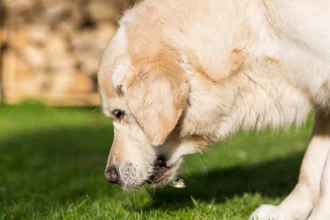


If your dog starts scratching, licking their paws, or rubbing their face after every walk, you might be dealing with a grass allergy. Grass allergies are one of the most common seasonal allergies in dogs across the UK, and they can make spring and summer miserable for affected pets.
The good news is that once you understand what causes grass allergies and recognise the signs, there are plenty of practical steps you can take at home to help your dog feel more comfortable. From simple paw-wiping routines to dietary adjustments that support skin health, UK owners have more options than ever.
At dogfoodsuk.com, we help UK dog owners find the best foods and supplements for their pets, including options that support dogs with seasonal sensitivities. In this guide, we cover everything you need to know about grass allergies in dogs, from UK pollen seasons and symptoms to diet tips and practical home management strategies.
What Causes Grass Allergies in Dogs?
A grass allergy in dogs is a type of environmental allergy, also known as atopic dermatitis. It happens when your dog’s immune system overreacts to proteins found in grass pollen. Instead of recognising these proteins as harmless, the immune system treats them as a threat and launches an inflammatory response.
This reaction primarily affects the skin, which is why grass allergies in dogs usually show up as itchiness, redness, and irritation rather than the sneezing and watery eyes that humans often experience with hay fever.
How the Allergic Response Works
When a dog with a grass allergy walks through grass, pollen grains stick to their coat, paws, and belly. The pollen proteins are absorbed through the skin, particularly in areas where the fur is thin or the skin is already slightly damaged. The immune system then releases histamine and other inflammatory chemicals, which cause the intense itching and discomfort.
According to the PDSA, atopic dermatitis is one of the most common skin conditions seen in UK veterinary practices, and grass pollen is one of the leading triggers.
Which Dogs Are Most at Risk?
Grass allergies can develop in any breed, but some dogs are genetically more predisposed. Breeds that are commonly affected include:
- Labrador Retrievers
- Golden Retrievers
- German Shepherds
- French Bulldogs
- West Highland White Terriers
- Boxers
- English Setters
- Cavalier King Charles Spaniels
Allergies typically first appear between the ages of one and three, though they can develop at any point in a dog’s life. If your dog has other allergies, such as food allergies or flea allergies, they may be more likely to develop a grass allergy as well. You can learn more about the connection between different allergy types in our guide to dog food allergies.
Why UK Grasses Are Particularly Problematic
The UK has some of the highest pollen counts in Europe, and our mix of native and cultivated grasses produces large amounts of pollen from late spring through early autumn. The most common culprits include ryegrass, timothy grass, cocksfoot, and meadow foxtail, all of which release pollen that can trigger allergic reactions in sensitive dogs.
The PetMD resource on grass allergies explains that contact with grass is almost unavoidable for most dogs, which is why managing symptoms rather than avoiding grass entirely is usually the most practical approach.
UK Pollen Season: When Is Grass Allergy Worst?
Understanding the UK pollen calendar is essential for managing your dog’s grass allergy effectively. Unlike some countries with shorter allergy seasons, the UK has a prolonged pollen period that can stretch from April through September.
The UK Pollen Calendar
Here is a breakdown of the main pollen seasons in the UK:
Tree pollen (March to May): Trees such as birch, oak, and ash release pollen in early spring. While not technically grass pollen, many dogs with grass allergies also react to tree pollen, and this early season can be the first sign of trouble.
Grass pollen (May to July): This is the peak period for grass allergies in the UK. Grass pollen counts typically rise significantly from mid-May and remain high through July, with the highest counts usually occurring in June on warm, dry days with a light breeze.
weed pollen (June to September): Weeds such as dock, mugwort, and nettle release pollen from mid-summer into early autumn. Again, dogs with grass sensitivity often react to these as well.
Checking the Met Office Pollen Forecast
The Met Office pollen forecast is an invaluable tool for UK dog owners managing grass allergies. Available on the Met Office website and app, the forecast provides daily pollen count predictions for different regions of the UK, rated on a scale from low (1-4) to very high (10+).
On high and very high pollen days, it is wise to take extra precautions with your dog. This might mean walking at different times, choosing routes away from long grass, or being extra thorough with paw-wiping after walks.
Regional Differences in the UK
Pollen levels vary across the UK. In general, southern and central England tend to have the highest grass pollen counts, while Scotland and northern England often have slightly lower levels, though the season may start later. Coastal areas can also have lower pollen counts than inland areas, thanks to sea breezes that disperse pollen.
Urban areas are not necessarily safer. Research has shown that pollen counts in cities can be high, and the combination of pollen with air pollution can actually make allergic reactions worse for some dogs.
Weather and Pollen Levels
Weather plays a significant role in daily pollen levels. Warm, dry, and breezy days tend to have the highest pollen counts. Rain can temporarily wash pollen from the air, providing relief, but thunderstorms can actually rupture grass pollen grains, releasing smaller particles that are more easily inhaled and absorbed through the skin.
Cool, damp mornings often have lower pollen counts, making early morning walks a better option for dogs with grass allergies during peak season.
Signs Your Dog May Have a Grass Allergy
Recognising the symptoms of a grass allergy early can make a big difference in your dog’s comfort. The signs can range from mild to severe and often worsen as the pollen season progresses.
Itchy and Inflamed Skin
The most common sign of a grass allergy is pruritus, which is the medical term for itchiness. Dogs with grass allergies typically itch in specific areas that come into direct contact with grass:
- Paws: Your dog may lick, chew, or bite at their paws obsessively, particularly between the toes. You might notice red, swollen, or irritated paw pads.
- Belly and groin: The thinly haired skin on the belly and inner thighs is particularly vulnerable to contact with grass pollen.
- Ears: Recurrent ear infections are a very common sign of allergies in dogs. You might notice your dog shaking their head, scratching at their ears, or a dark, smelly discharge.
- Face and muzzle: Your dog may rub their face along the floor, furniture, or your legs to relieve itching around their eyes, muzzle, and chin.
- Armpits and legs: These areas can also become red and irritated from contact with grass.
Red, Irritated Skin and Hot Spots
With persistent scratching and licking, the skin can become inflamed, red, and sore. In more severe cases, dogs can develop hot spots, which are areas of moist, inflamed skin that can appear quickly and become infected if not treated. These are often seen on the paws, belly, and base of the tail.
Our guide to rash on a dog’s belly covers this topic in detail, including how to distinguish between different types of skin irritation.
Recurrent Ear Infections
Ear infections are extremely common in dogs with allergies. The ear canal becomes inflamed and creates a warm, moist environment where bacteria and yeast can thrive. If your dog gets ear infections repeatedly, especially during the spring and summer months, an underlying grass allergy may be the cause.
Excessive Licking and Chewing
Some dogs with grass allergies develop a habit of obsessively licking or chewing their paws. This can cause the fur between their toes to change colour, usually becoming reddish-brown from constant saliva exposure. The skin may become thickened, rough, or even develop sores.
Skin Infections
Because allergic skin is damaged and inflamed, it is more susceptible to bacterial and yeast infections. If your dog’s skin starts to smell, weep, or develop crusty patches, a secondary infection may have developed, and veterinary attention is important.
Behavioural Changes
Chronic itching and discomfort can affect your dog’s mood and behaviour. They may become restless, irritable, or less interested in play and exercise. Sleep can also be disrupted by the urge to scratch, which can impact their overall wellbeing.
How Vets Diagnose Grass Allergies in Dogs
If you suspect your dog has a grass allergy, your vet can help confirm the diagnosis through several methods. It is important to get a proper diagnosis, as the symptoms of grass allergies can overlap with other conditions such as food allergies, flea allergies, and skin infections.
Clinical Examination
Your vet will start with a thorough physical examination, looking at the pattern of your dog’s itching and any visible skin changes. Grass allergies typically affect specific areas like the paws, ears, belly, and face, and the seasonal nature of the symptoms is a strong clue.
Intradermal Skin Testing
This is considered the gold standard for identifying environmental allergies in dogs. Small amounts of different allergens, including various grass pollens, are injected just under the skin. If your dog is allergic to a particular allergen, a raised, red bump will appear at the injection site within about fifteen to twenty minutes.
This test is usually carried out by a veterinary dermatologist and can identify exactly which types of pollen your dog reacts to, which helps with planning a targeted management approach.
Blood Tests (Serology)
Blood tests can measure the levels of antibodies (specifically IgE) in your dog’s blood that are associated with allergic reactions to specific allergens. While not quite as precise as intradermal testing, blood tests are less invasive and can still provide useful information about which pollens your dog is sensitive to.
Elimination of Other Causes
Before confirming a grass allergy, your vet will want to rule out other potential causes of your dog’s symptoms. This might include checking for fleas, treating any existing skin infections, and in some cases, conducting a food trial to rule out food allergies. For more on how food trials work, see our article on dog food allergies.
The PDSA’s guide to skin allergies in dogs provides more detail on the diagnostic process and what to expect at your vet appointment.

Can Diet Help with Grass Allergies?
While diet cannot cure a grass allergy, the right nutrition can play a significant role in supporting your dog’s skin barrier, reducing inflammation, and potentially lessening the severity of allergic reactions. This is an area where many UK owners can make a real difference.
The Gut-Skin Connection
Research has increasingly highlighted the connection between gut health and skin health in dogs. A healthy gut microbiome supports a strong immune system, which may help regulate the overactive immune response that causes grass allergy symptoms. Probiotics and prebiotics in your dog’s diet can help support digestive health and, in turn, may contribute to calmer skin.
Omega-3 Fatty Acids
Omega-3 fatty acids, particularly EPA and DHA from fish oil, are among the most well-researched dietary supplements for skin health in dogs. They have natural anti-inflammatory properties that can help reduce the skin inflammation associated with grass allergies. Omega-3s also support the skin’s natural barrier function, making it more resilient against environmental irritants.
For a detailed look at the benefits and dosage guidance, read our comprehensive guide to salmon oil for dogs, which covers EPA, DHA, and how to choose the right supplement for your pet.
Anti-Inflammatory Foods
Certain foods have natural anti-inflammatory properties that may benefit dogs with seasonal allergies. These include:
- Fish-based foods: Salmon, sardines, and mackerel are rich in omega-3 fatty acids.
- Sweet potato: A gentle carbohydrate source that is less likely to cause additional sensitivities.
- Blueberries: Rich in antioxidants that support the immune system.
- Coconut oil: Contains lauric acid, which has natural anti-inflammatory and antimicrobial properties.
- Turmeric: Contains curcumin, a potent anti-inflammatory compound. Always use it in moderation and with a source of fat for absorption.
Our article on anti-inflammatory foods for dogs provides more detailed information on which foods to consider and how to incorporate them safely into your dog’s diet.
Choosing the Right Dog Food
For dogs with grass allergies, choosing a high-quality dog food that supports skin health is important. Foods that are rich in omega-3 fatty acids, contain prebiotics and probiotics, and use novel protein sources may be beneficial. Some dogs with grass allergies also have concurrent food sensitivities, so a limited ingredient diet or a grain-free option might be worth considering.
At dogfoodsuk.com, we review and compare the best dog foods available in the UK. Check out our guides to the best grain-free dog foods and the best raw dog foods in the UK for options that may suit dogs with sensitive skin.
Practical Tips to Reduce Your Dog’s Grass Allergy Symptoms
Beyond diet, there are many practical steps you can take at home to reduce your dog’s exposure to grass pollen and manage their symptoms. These tips are especially relevant for UK owners, given the length of our pollen season.
Wiping Paws After Walks
This is one of the simplest and most effective things you can do. After every walk, use a damp cloth or pet-safe wipe to clean your dog’s paws thoroughly, paying attention to the areas between the toes. This removes pollen that would otherwise be brought into the house and spread onto bedding and furniture.
You can use plain warm water on a soft cloth, or look for pet wipes that are free from fragrances, alcohol, and harsh chemicals. Some owners also use a shallow bowl of water to dip and rinse each paw individually, which can be particularly effective on high pollen days.
For dogs with very sensitive skin, an oatmeal-based paw rinse can be soothing. Simply steep plain oats in warm water, let it cool, and use the strained liquid as a gentle rinse.
Bathing Routines
Regular bathing during pollen season can significantly reduce the amount of pollen on your dog’s coat and skin. However, it is important not to over-bathe, as this can strip the skin of its natural oils and actually make irritation worse.
During peak pollen season, bathing your dog once a week with a gentle, hypoallergenic dog shampoo is a good balance. Look for shampoos that contain soothing ingredients such as oatmeal, aloe vera, or chamomile. Always use lukewarm water and rinse thoroughly to remove all shampoo residue.
If a full bath is not practical every time, a quick rinse with plain water after particularly grassy walks can help wash away pollen without the need for shampoo.
Managing Your Garden
If you have a garden, there are steps you can take to reduce the pollen burden for your dog:
- Keep grass cut short, as shorter grass produces less pollen.
- Consider replacing some lawn areas with pollen-free ground cover such as clover or ornamental gravel.
- Remove weeds regularly, as many common weeds are significant pollen producers.
- Rinse your dog’s favourite outdoor resting spots with water to reduce settled pollen.
- Consider creating a designated pollen-free zone, such as a paved patio area, where your dog can spend time outdoors during peak season.
Changing Walk Times
Pollen counts are typically highest in the early morning and late afternoon to early evening. Planning your dog’s walks for mid-morning or early afternoon, when pollen levels tend to be lower, can make a real difference.
On days when the Met Office forecast shows very high pollen counts, consider walking on paved paths, beaches, or in woodland areas where there is less long grass. Avoiding fields and meadow areas during peak season can reduce your dog’s exposure significantly.
After particularly high pollen days, a quick rinse or wipe-down before letting your dog back into the house can prevent pollen from being carried indoors.
Washing Bedding Regularly
Pollen accumulates on your dog’s bedding very quickly, and sleeping in a pollen-laden bed can mean your dog is exposed to allergens throughout the night. During pollen season, wash your dog’s bedding at least once a week in hot water. Use a fragrance-free, hypoallergenic detergent to avoid adding any additional irritants.
Consider having two sets of bedding so you can rotate them while one set is being washed. Don’t forget to wash any blankets or covers that your dog uses on the sofa or in the car, as these can also collect significant amounts of pollen.
Indoor Environment
Keeping your home as pollen-free as possible can help reduce your dog’s overall allergen exposure. Some useful measures include:
- Vacuuming frequently with a HEPA filter vacuum cleaner.
- Keeping windows and doors closed on high pollen days.
- Using air purifiers with HEPA filters in rooms where your dog spends the most time.
- Dusting surfaces regularly with a damp cloth to trap pollen rather than spreading it.
- Washing your own clothes after long walks, as pollen can transfer from your clothing to your dog.
Supplements That May Support Dogs with Seasonal Allergies
Alongside a good diet, certain supplements may help support your dog during grass allergy season. While supplements cannot replace veterinary treatment for severe cases, they can be a useful part of an overall management plan.
Fish Oil and Salmon Oil
As mentioned earlier, fish oil and salmon oil are rich in omega-3 fatty acids (EPA and DHA) that have natural anti-inflammatory properties. Regular supplementation can help support the skin barrier and reduce the inflammatory response to pollen. Quality matters, so look for supplements that use wild-caught fish and have been processed using molecular distillation to remove impurities.
Probiotics
Probiotic supplements support the gut microbiome, which in turn supports the immune system. A balanced immune system is less likely to overreact to harmless allergens like grass pollen. Look for dog-specific probiotic supplements that contain strains such as Lactobacillus and Bifidobacterium.
Quercetin
Quercetin is a natural plant compound (a flavonoid) found in foods like apples, broccoli, and onions. It is sometimes called “nature’s antihistamine” because it can help stabilise mast cells and reduce the release of histamine. While more research is needed specifically in dogs, quercetin supplements are increasingly popular for dogs with seasonal allergies.
Bovine Colostrum
Bovine colostrum, the first milk produced by cows after giving birth, contains immune-boosting compounds including antibodies and growth factors. Some studies suggest it may help modulate the immune response in dogs with allergies, though more research is ongoing. It is available as a powder supplement that can be sprinkled on food.
Coconut Oil
Coconut oil contains lauric acid, which has anti-inflammatory and antimicrobial properties. It can be added to food in small amounts or applied topically to soothe irritated skin. Always introduce it gradually to avoid digestive upset, and use virgin or cold-pressed coconut oil for the best quality.
It is worth noting that no supplement should replace veterinary advice. Always consult your vet before starting your dog on any new supplement, especially if they are already receiving treatment for allergies or other health conditions.
When to See Your Vet About Grass Allergies
While mild grass allergy symptoms can often be managed at home with the practical tips and dietary adjustments discussed in this article, there are times when veterinary attention is essential.
See Your Vet If:
- Your dog’s itching is constant and affecting their quality of life, including their ability to sleep.
- The skin is broken, bleeding, or developing crusty patches, which may indicate infection.
- Your dog has recurrent ear infections, especially if they keep returning after treatment.
- There are signs of secondary skin infection, such as pus, a bad smell, or spreading redness.
- Over-the-counter management strategies are not providing adequate relief.
- Your dog is losing fur, developing hot spots, or the skin is becoming thickened and discoloured.
- Your dog is licking or chewing their paws so much that the fur is discoloured or the skin is raw.
What Your Vet Can Offer
Once a grass allergy is confirmed, your vet can develop a tailored treatment plan. This may include:
- Prescription treatments to manage itching and inflammation.
- Medicated shampoos or conditioners designed for allergic skin.
- Ear treatments to manage and prevent recurrent ear infections.
- Referral to a veterinary dermatologist for complex cases that do not respond to initial treatment.
- Immunotherapy (allergy shots or drops), which involves gradually desensitising your dog’s immune system to the specific pollens that trigger their allergies. This is a long-term treatment but can be very effective for some dogs.
The RSPCA always recommends consulting a vet if you are concerned about your dog’s health, and this is especially important when dealing with allergies that affect your pet’s comfort and wellbeing.
The Proflax guide to protecting dogs from pollen also supports the message that professional veterinary guidance should always be sought alongside any home management strategies.
Grass Allergy vs Food Allergy: How to Tell the Difference
One of the most common sources of confusion for UK dog owners is telling the difference between a grass allergy (environmental) and a food allergy. Both can cause very similar symptoms, including itchy skin, ear infections, and paw licking. However, there are some important differences.
Seasonal Pattern
The biggest clue is the timing of symptoms. Grass allergies are typically seasonal, flaring up during the spring and summer months when pollen counts are high, and improving or disappearing during autumn and winter. Food allergies, on the other hand, tend to be present year-round, regardless of the season.
Age of Onset
Grass allergies typically develop in young dogs, usually between one and three years of age. Food allergies can develop at any age, including in older dogs that have been eating the same food for years without problems.
Response to Diet Changes
If changing your dog’s diet makes a significant difference to their symptoms, food allergy is more likely. If symptoms persist regardless of diet changes but follow a seasonal pattern, an environmental allergy like grass pollen is more likely.
Body Areas Affected
While both types of allergy can cause generalised itching, grass allergies tend to affect areas that come into direct contact with grass, such as the paws, belly, and face. Food allergies more commonly affect the ears, around the anus, and can cause gastrointestinal symptoms like vomiting or diarrhoea as well as skin issues.
Getting a Clear Diagnosis
Because the symptoms overlap so much, the most reliable way to distinguish between grass allergies and food allergies is through proper veterinary testing. Your vet may recommend a food elimination trial, which involves feeding your dog a restricted diet for several weeks to see if symptoms improve, while environmental allergen testing can help identify specific pollen triggers.
Some dogs have both food allergies and environmental allergies, which can make diagnosis and management more complex. For more detailed information on food allergies specifically, see our guide to dog food allergies.
The Zoomadog resource on dog grass allergies also offers useful information on products and management strategies for dogs dealing with seasonal sensitivities.
Frequently Asked Questions About Dog Grass Allergies
Can dogs be allergic to grass?
Yes, dogs can absolutely be allergic to grass. Grass pollen allergy, also known as atopic dermatitis triggered by grass, is one of the most common environmental allergies in dogs in the UK. It causes the immune system to overreact to proteins in grass pollen, leading to itchy, inflamed skin.
What are the first signs of a grass allergy in dogs?
The earliest signs are usually excessive paw licking, chewing at the feet, and general itchiness, particularly after walks. You may also notice your dog rubbing their face, shaking their head, or developing red, irritated skin on their belly and paws. These symptoms typically worsen during the spring and summer months.
How long does grass allergy season last in the UK?
Grass pollen season in the UK typically runs from May to July, with the highest counts in June. However, dogs with broader environmental sensitivities may react to tree pollen from March to May and weed pollen from June to September, giving a total allergy season that can last from early spring through early autumn.
Can grass allergies in dogs be cured?
There is no cure for grass allergies in dogs, but the condition can be managed very effectively. A combination of reducing pollen exposure, supporting skin health through diet and supplements, and working with your vet on an appropriate treatment plan can keep most dogs comfortable throughout the allergy season.
Should I walk my dog less during pollen season?
You don’t necessarily need to walk your dog less, but you may need to adjust when and where you walk. Walking on paved paths or in woodland instead of grassy fields, avoiding peak pollen times (early morning and late afternoon), and being thorough about wiping paws and rinsing coats after walks can all help reduce exposure without sacrificing exercise.
Can I give my dog antihistamines for grass allergies?
You should never give your dog human medication without consulting your vet first. Some human antihistamines can be toxic to dogs, and even safe options require correct dosing based on your dog’s weight and health status. Always speak to your vet about the most appropriate treatments for your dog’s specific situation.
Will changing my dog’s food help with a grass allergy?
While changing food alone is unlikely to resolve a grass allergy, feeding a diet that supports skin health and reduces inflammation can help manage symptoms. Foods rich in omega-3 fatty acids, probiotics, and natural anti-inflammatory ingredients can support the skin barrier and may reduce the severity of allergic reactions. For food recommendations, visit dogfoodsuk.com to explore our reviews of the best dog foods available in the UK.
Are some dog breeds more prone to grass allergies?
Yes. While any dog can develop a grass allergy, certain breeds are genetically predisposed. These include Labrador Retrievers, Golden Retrievers, German Shepherds, French Bulldogs, West Highland White Terriers, Boxers, and English Setters. If you have one of these breeds, it is worth being extra vigilant about allergy signs during pollen season.
Can puppies get grass allergies?
Grass allergies typically develop in dogs between one and three years of age, so puppies under one year are less commonly affected. However, it is possible, and if you notice your puppy scratching excessively after walks, it is worth mentioning to your vet. Early identification and management can help prevent the condition from worsening.
Is it safe to use human skincare products on my dog’s allergic skin?
No. Human skincare products, including shampoos, lotions, and antiseptic creams, are not formulated for dogs and can actually worsen skin irritation or cause additional problems. Always use products specifically designed for dogs, and choose hypoallergenic, fragrance-free options whenever possible. If in doubt, ask your vet for recommendations.
Conclusion
Grass allergies are a common and often frustrating problem for UK dog owners, but they do not have to ruin your dog’s enjoyment of the outdoors. By understanding the causes, recognising the symptoms early, and putting practical management strategies in place, you can make a real difference to your dog’s comfort during pollen season.
From simple daily habits like wiping paws after walks and washing bedding regularly, to longer-term approaches like supporting skin health through diet and working with your vet on a treatment plan, there are many tools available to help your dog.
Remember that every dog is different. What works well for one may not be as effective for another. Patience, consistency, and a willingness to try different approaches are key. And if your dog’s symptoms are severe or not improving with home management, always seek veterinary advice. Your vet can provide targeted treatments and, in some cases, immunotherapy that can significantly improve your dog’s quality of life.
At dogfoodsuk.com, we are committed to helping UK dog owners find the best nutrition and supplements for their pets. Whether you are looking for a food that supports sensitive skin, a quality salmon oil supplement, or advice on anti-inflammatory ingredients, our reviews and guides are here to help. Explore our site to find the right products for your dog’s needs, and give them the best possible support through every season.