
Choosing a healthy dog food is one of the most important decisions for your dog’s health and well-being. Vet-Approved complete and balanced diet supports your dog’s daily nutritional needs. The most important thing is to choose a dog food that is tailored to his health and needs, according to his activity level and individual needs.
There are so many options available in the market that finding the right dog food can be difficult because every dog’s needs are different. Therefore, we have shared the top 10 healthy dog foods with you, based on the recommendations of pet owners and vets, so that you can make a better and more informed choice for your dog.
Why Vet-Approved Dog Foods are Important
When it comes to healthy dog foods, choosing a vet-approved dog food is very important. When dog owners look for healthy dog food, the first thing that comes to their mind is to choose a vet-approved dog food because veterinarians have a good knowledge of animal nutrition and they recommend foods that support your dog’s specific dietary needs.
Giving vet-approved dog food gives you the confidence that your dog is receiving balanced nutrition that is essential for his overall health.
Commercial dog foods that are not made according to the standards of veterinary experts and can sometimes contain low-quality or harmful ingredients. Such foods can increase the risk of nutritional deficiencies or health problems such as obesity, diabetes, and heart disease.
Vet-approved dog foods Actually formulated to have the right balance of proteins, fats, carbohydrates, vitamins and minerals to keep your dog healthy and active.
In addition, strict testing and quality controls are also applied to vet-approved dog foods, ensuring that the food is free from unsafe nutrients and contaminants. By choosing vet-approved dog food, you are taking a smart and responsive decision to support your dog’s long-term health and lifespan.
What Nutrients Does Your Dog Need for a Healthy Diet?
Understanding your dog’s nutritional needs is crucial to choosing the right dog food. Like humans, dogs need a balanced diet to stay healthy and active. Their diet should contain the right balance of proteins, fats, carbohydrates, vitamins, and minerals.
- Proteins are the building blocks of your dog’s body and play an important role in muscle growth and repair.
- High-quality animal proteins like chicken, beef, and fish are excellent sources for dogs.
- Fats are equally important because they provide energy and support the proper function of body cells.
- Healthy fat sources like fish oil and flaxseed can help maintain healthy skin and a shiny coat.
Carbohydrates provide your dog with the energy he needs for daily activities. Whole grains, vegetables, and fruits are good sources of carbohydrates that also provide fiber, which supports healthy digestion. Additionally, vitamins and minerals are essential for important body functions like bone health, immune system support, and metabolism. Providing a diet rich in these nutrients is crucial for your dog’s overall health and well-being.
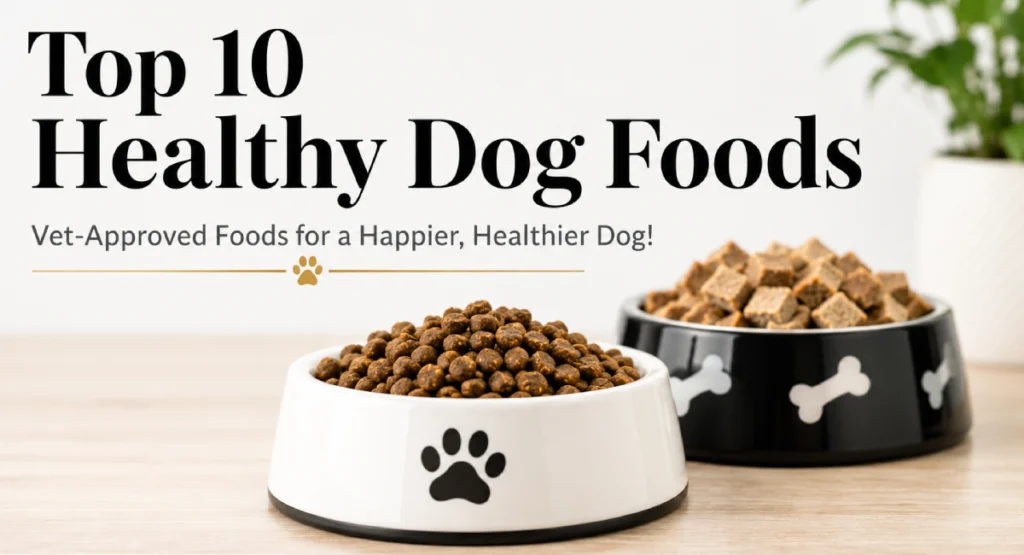
Top 10 Healthy Dog Foods Recommended by Vets
The dog foods included in this list have been selected based on their nutritional quality, brand reputation, ingredient standards, veterinary recommendations, and positive feedback from pet owners. These brands have been on the market for many years and are known for providing complete and balanced nutrition.

According to Healthline and other trusted veterinary sources, the best dog food is one that provides complete and balanced nutrition for your dog’s age, size, activity level, and individual needs. Experts also believe that ingredient quality, easy digestion, and long-term health benefits are more important than marketing claims.
- Royal Canin Veterinary Diet: This brand offers a variety of specialized formulas designed to address specific health issues such as gastrointestinal problems, renal support, and weight management. Each recipe is crafted based on scientific research and clinical trials, ensuring optimal nutrition.
- Hill’s Science Diet: Known for its high-quality ingredients and balanced nutrition, Hill’s Science Diet is a favorite among veterinarians. Their products cater to different life stages and health conditions, providing tailored nutrition for puppies, adults, and senior dogs.
- Purina Pro Plan Veterinary Diets: Purina Pro Plan offers a range of therapeutic diets that aim to manage various health issues, including allergies, obesity, and kidney disease. These formulas are developed by nutritionists and veterinarians to meet the unique needs of each dog.
- Nutro Ultra: Nutro Ultra combines high-quality protein sources with a blend of superfoods to provide a nutrient-rich diet. Their recipes are free from artificial additives and fillers, making them a wholesome choice for your dog.
- Blue Buffalo Life Protection Formula: Blue Buffalo offers a balanced diet with real meat as the first ingredient, combined with wholesome grains, vegetables, and fruits. Their LifeSource Bits, a blend of antioxidants, vitamins, and minerals, boost immune health.
- Wellness Core: This grain-free option is packed with premium proteins and nutrient-dense ingredients. Wellness Core supports lean body mass, healthy skin, and a robust immune system, making it an excellent choice for active dogs.
- Merrick Grain-Free: Merrick’s grain-free recipes feature deboned meat as the primary ingredient, along with fresh produce. Their foods are crafted to provide high levels of protein and healthy fats, supporting muscle growth and overall vitality.
- Canidae All Life Stages: Ideal for multi-dog households, Canidae All Life Stages offers a single recipe suitable for puppies, adults, and seniors. Their formulas are made with premium ingredients and are free from common allergens.
- Orijen Original: Orijen’s biologically appropriate recipes include a variety of fresh and raw animal ingredients. This high-protein diet mimics the natural diet of dogs, promoting optimal health and peak performance.
- Taste of the Wild: Taste of the Wild provides grain-free options with unique protein sources like bison, venison, and salmon. Their recipes are enhanced with probiotics and antioxidants, supporting digestion and immune health.
It’s important to remember that all of the dog foods on this list can be good options, but that doesn’t mean you need to try all 10 products.
How to Choose the Best Healthy Dog Food for Your Dog
Every dog has a different age, size, activity level, health condition, and taste preferences. A food that may be perfect for one dog may not necessarily be equally suitable for another.
In reality, the “best healthy dog food” isn’t a specific brand or recipe. The best dog food is one that your dog will happily eat, provide complete nutrition, maintain a healthy weight, maintain a healthy digestion, have a shiny coat, and maintain overall good health. If a food is expensive but your dog doesn’t like it, it’s not the best choice for you. Similarly, choosing very low-quality or cheap dog food just to save money can lead to long-term health issues.
The most practical way to select dog food is to first consider your dog’s age and needs. Puppies require growth-focused nutrition, while senior dogs may need joint support and controlled calories. If your dog suffers from a medical condition, allergy, or sensitive stomach, it’s best to seek veterinary guidance.
If you choose a food from these brands, monitor the ingredient quality, nutritional profile, and your dog’s response. A good dog food is one that not only looks impressive on the label but also makes a positive difference in your dog’s health and happiness.
To use healthy dog food that is specifically formulated for your dog, you should consult your vet. Your vet knows your dog best and can advise you on what will be right for him. Consulting a vet is very important. After consulting, you can choose the right dog food.
What Ingredients Should You Look for in Dog Food?
When choosing dog food, it’s important to carefully review the ingredient list to ensure your dog receives a diet that meets its nutritional needs. High-quality protein sources are the first priority. Meat ingredients like chicken, beef, lamb, and fish provide essential amino acids needed for muscle growth and maintenance.
Healthy fats are also an important part of a dog’s diet. Ingredients like chicken fat, fish oil, and flaxseed provide omega-3 and omega-6 fatty acids, which support healthy skin, a shiny coat, and overall well-being.
Wholesome ingredients like brown rice, sweet potatoes, and peas are good options for carbohydrates. They provide energy and support healthy digestion through fiber. It’s also best to avoid foods that contain excessive fillers like corn, wheat, or soy, as these provide little nutritional value and can cause sensitivities or allergies in some dogs.
Good quality dog food should also contain vitamins and minerals. Ingredients like blueberries, spinach, and carrots provide antioxidants that support the immune system. Calcium and phosphorus are important for strong bones, while glucosamine and chondroitin help support joints, especially in large breed dogs.
What Is the Difference Between Ingredients and Nutritional Requirements?
In this blog, I have discussed both dog food ingredients and nutritional requirements.
It may seem similar at first glance, but these two are different things and it is important to know the difference between the two when choosing a healthy dog food.
- Nutritional Requirements: These describe the nutrients a dog needs for health, growth, and energy, such as protein, fats, carbohydrates, vitamins, and minerals.
- Ingredients: These are the actual food sources that provide these nutrients, such as chicken, fish, and other natural ingredients.
What Is the Best Healthy Dog Food for My Dog? My Personal Choice
I use Wagg dog food for my dog, In fact it is not in our top list, but from personal experience it has proved to be the best budget option for me. My dog was a bit picky eater, I tried many dog foods but nothing was working. Finally, my dog chose Wagg dog food, which he eats easily and happily, since then I am using Wagg dog food, From this, I understood one thing: the best dog food is not decided by top brands but your dog decides which is right.
Since then I have been using Wagg dog food because it suits both my dog’s needs and my budget also. This experience taught me that the “best dog food” isn’t determined solely by brands or popularity; it’s your dog who decides what’s best for them.
Every dog’s preferences and digestion are different, so the most important thing is to observe your dog’s response and choose food accordingly.
How to Switch Your Dog to a New Food
When switching your dog to a new food, the process should always be gradual to avoid upsetting its digestion. Initially, mix a small amount of the new food with the old food and gradually increase the ratio over 7–10 days, while observing your dog’s reaction.
For the first 2–3 days, give 75% old food and 25% new food. If the dog responds well, increase the ratio to 50% old and 50% new food. After a few days, if there are no issues, shift to 25% old and 75% new food.
Finally, you can move to 100% new food. If you experience any symptoms during this time, such as vomiting, diarrhea, or changes in appetite, slow down the transition or consult a veterinarian.
Common Dog Food Myths
There are many misconceptions about dog food that can lead to poor dietary choices. A common myth is that grain-free diets are always better. While grain-free options may be useful for some dogs with allergies, grains like brown rice and oats are a good source of energy and fiber for most dogs.
Another common myth is that by-products in dog food are harmful. In fact, by-products can include organ meats like liver and kidney, which are rich in essential vitamins and minerals. It is important that ingredients are clearly named and from reliable sources.
Some people believe that a raw diet is the best option. Raw diets can offer some benefits, but they also carry the risk of bacterial contamination and nutritional imbalances. Therefore, it is important to consult a veterinarian before starting a raw diet to ensure your dog’s nutrition remains safe and complete.
Homemade Dog Food vs Commercial Dog Food
Many pet owners prefer to make homemade food for their dogs so that their diet is fresh and free of artificial additives. Homemade dog food gives you complete control over the ingredients, but proper planning is essential to ensure a balanced diet. Therefore, it is important to consult a veterinary nutritionist to avoid any nutrient deficiencies or excesses.
On the other hand, commercial dog foods, especially vet-approved options, provide complete and balanced nutrition. These products are prepared according to strict testing and standards such as AAFCO guidelines to ensure your dog receives all the essential nutrients in the correct proportions.
If you prefer a homemade diet, a better approach is to use it as a supplement to commercial food rather than replacing it completely. This way you can provide your dog with fresh ingredients while also ensuring balanced nutrition.
How to Choose the Healthy Dog Food for Your Pet
Selecting the right healthy dog food depends on understanding your dog’s unique needs, such as age, breed, size, and health condition. Puppies, adult dogs, and senior dogs have different nutritional requirements, so always choose a food formulated for your dog’s life stage.
If your dog has a specific health issue, such as allergies, obesity, or kidney disease, vet-approved therapeutic diets can help manage that condition. Also, be sure to consider your dog’s activity level. Active dogs require more protein and fat, while less active dogs may be better off on a low-calorie diet to maintain weight control.
Always read the ingredient list carefully and choose a dog food that prioritizes high-quality named protein sources. It’s best to avoid excessive fillers, artificial preservatives, and vague terms like “meat meal.” Ultimately, it’s best to consult your veterinarian to make the right decision based on your dog’s specific needs.
Conclusion
Your dog’s health and nutrition should always be a top priority, and choosing the healthy food plays a vital role in this. Vet-approved dog foods give you the assurance that your dog is receiving balanced nutrition and high-quality ingredients that support its overall health.
By understanding your dog’s nutritional needs, ignoring common myths, and following the correct food transition process, you can make better and informed decisions. Whether you choose commercial food or a homemade diet, the key is ensuring the diet properly meets your dog’s unique needs.
Investing in high-quality, vet-approved dog food is essentially investing in your dog’s future. A healthy and well-nourished dog is happier, more active, and more energetic, enriching your life with their loyalty and love. Therefore, it’s always beneficial to take your dog’s nutrition seriously.