

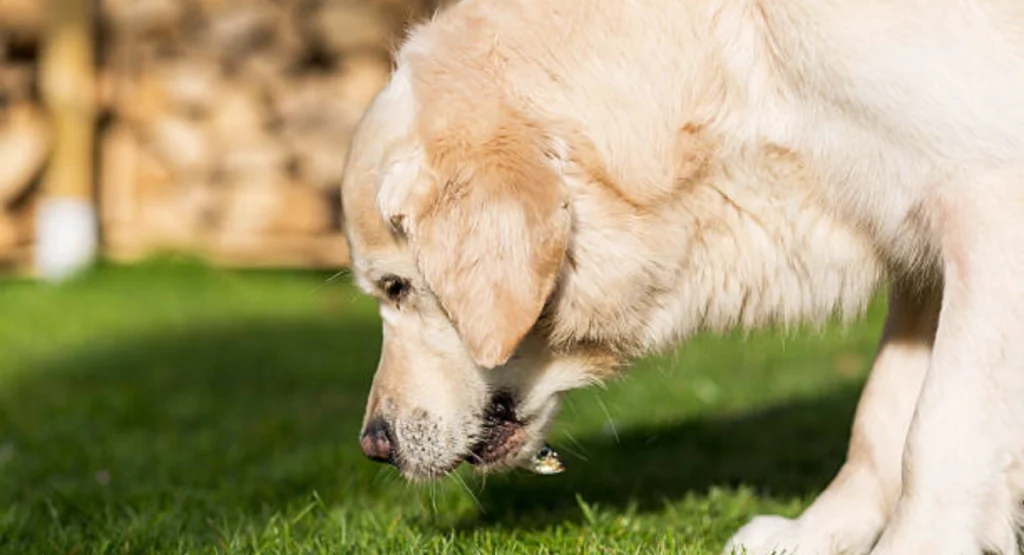
Introduction: Why Do Dogs Eat Grass?
If you have ever taken your dog for a walk across a park or field in the UK, chances are you have watched them stop, lower their head, and start munching on a patch of grass.
It is one of the most common behaviours that dog owners notice, and it often raises a simple question: is something wrong with my dog?
The short answer is: in most cases, no. Eating grass is extremely common among dogs of all breeds, ages, and sizes.
According to surveys carried out by veterinary organisations such as the PDSA, well over half of all dogs eat grass at some point in their lives. Many do it regularly without any signs of illness at all.
At dogfoodsuk.com, we believe that understanding your dog’s behaviour is the first step to making better decisions about their care and nutrition. Grass eating might seem odd, but it is usually perfectly normal. That said, there are situations where it can point to an underlying problem with your dog’s diet, digestion, or general health.
This guide will walk you through the most common reasons why dogs eat grass, when you should be concerned, and how your dog’s food might play a bigger role than you think. We have also included practical tips for UK dog owners, guidance on safe and unsafe plants, and answers to the questions that vets hear most often.
Is It Normal for Dogs to Eat Grass?
Yes. Eating grass is considered a normal behaviour in dogs. Veterinarians and animal behaviour specialists have studied this topic for decades, and the overwhelming consensus is that most dogs who eat grass are simply doing what comes naturally to them.
In a well-known survey published in the journal Applied Animal Behaviour Science, researchers found that 79% of dogs had eaten grass or other plants at some point. Of those dogs, the majority did not show any signs of being unwell beforehand. Only a small percentage vomited afterwards. This strongly suggests that grass eating is not primarily a response to feeling sick.
The RSPCA also notes that grass eating is a common and generally harmless behaviour. They advise owners to watch for other symptoms before assuming there is a health problem. A dog that eats grass and then carries on happily with their day is almost always fine.
That said, there are some important exceptions which we will cover later in this article. The key is understanding the difference between normal grass eating and behaviour that might indicate something more serious.
Top Reasons Why Dogs Eat Grass
There is no single explanation for why dogs eat grass. In reality, several different factors can be at play. Below are the six most common reasons, based on veterinary research and expert opinion from organisations such as PetMD and UK-based animal charities.
Natural Instinct and Ancestral Behaviour
Dogs are descendants of wolves, and their wild ancestors ate a varied diet that included not just meat but also bones, organs, and the stomach contents of their prey. The stomach contents of herbivores such as rabbits and deer would have included partially digested grass and plant matter.
This means that scavenging behaviour, including eating plant material, is deeply wired into your dog’s DNA. Even though your Labrador or Cockapoo has never hunted anything more challenging than a tennis ball, the instinct to seek out and eat grass remains strong.
Wild canids are also known to eat grass deliberately. Biologists have observed wolves, coyotes, and foxes grazing on grass, particularly in spring when fresh shoots are abundant. This further supports the idea that grass eating is a natural behaviour rather than a sign of domestication gone wrong.
Some experts believe that grass eating may also serve a practical purpose in the wild: helping to purge intestinal parasites. While modern dogs in the UK are generally well-protected against parasites through regular flea and worming treatments, the instinct persists.
Digestive Discomfort and Upset Stomach
One of the oldest and most widely believed explanations for grass eating is that dogs do it to soothe an upset stomach. There is some truth to this, although it is not the full picture.
When a dog feels mild digestive discomfort, such as excess acid, bloating, or nausea, they may instinctively seek out grass. The long blades of grass can tickle the back of the throat and trigger a gag reflex, which helps the dog to vomit and relieve the discomfort. Some dogs also seem to prefer coarse, tall grass blades, which would be more effective at this.
However, research has shown that this is not the main reason most dogs eat grass. In the survey mentioned earlier, only around 22% of dogs vomited after eating grass, and only about 9% appeared unwell beforehand. This means that while some dogs do eat grass to make themselves sick, the majority are doing it for other reasons.
If your dog frequently eats grass and vomits, it is worth considering whether their diet might be contributing to the problem. Persistent digestive upset can be a sign that your dog’s food is not agreeing with them. Our guide to what to feed a dog with an upset stomach covers this topic in more detail.
Dietary Deficiencies and Fibre Needs
Some veterinary nutritionists believe that grass eating can be a sign that a dog’s diet is lacking in certain nutrients, particularly fibre. Dogs are omnivores, not strict carnivores, and their bodies are designed to process a certain amount of plant material.
In the wild, dogs would naturally consume fibre through the stomach contents of their prey. Domestic dogs relying on a diet of only dry kibble or meat-based wet food might not be getting enough roughage to keep their digestive system working efficiently.
Fibre plays an important role in your dog’s digestion. It helps to form healthy stools, supports the growth of beneficial gut bacteria, and can help your dog feel full between meals. A lack of fibre can lead to constipation, irregular bowel movements, and general digestive sluggishness, all of which might prompt a dog to seek out grass as a natural fibre source.
If you suspect your dog might be eating grass because their diet is lacking, it is worth reviewing what you are feeding them. High-quality dog foods that include wholesome vegetables, sweet potato, or brown rice can provide natural fibre. You might also want to read our article on dog gut health signs and food solutions for a deeper look at how diet affects digestion.
Adding a small amount of safe vegetables such as carrots, green beans, or pumpkin to your dog’s meals can also help increase their fibre intake naturally. Always introduce new foods gradually and in moderation, as sudden changes to your dog’s diet can itself cause digestive upset. Our guide on how to switch dog food safely has step-by-step advice.
Boredom and Attention Seeking
Not all grass eating is driven by physical needs. In some cases, it is simply a way for dogs to entertain themselves or to get attention from their owners.
Dogs that are left alone in gardens for long periods, or those that do not get enough mental stimulation through walks, training, and play, may start eating grass out of boredom. The act of chewing provides sensory feedback and can be self-soothing, similar to the way some dogs chew on toys or furniture when they are under-stimulated.
There is also an attention-seeking element to consider. Many dog owners react strongly when they see their dog eating grass, rushing over to stop them or pulling them away. From the dog’s perspective, this sudden burst of attention can reinforce the behaviour, making them more likely to do it again in the future.
If you think boredom might be the cause, try increasing the amount of exercise and mental enrichment your dog gets each day. Puzzle feeders, sniffing games, training sessions, and varied walks can all help to keep your dog mentally satisfied. The RSPCA recommends at least 30 minutes of active exercise per day for most adult dogs, with some breeds needing significantly more.
Taste and Enjoyment
Sometimes the simplest explanation is the correct one: many dogs simply enjoy the taste and texture of grass.
Fresh grass, particularly in spring and early summer, has a slightly sweet flavour and a satisfying crunch. Dogs explore the world through their mouths, and grazing on grass may simply be a pleasurable sensory experience for them. Some dogs show a clear preference for specific types of grass, returning to the same patches in the garden or park time after time.
There is also some evidence that dogs may be attracted to the moisture content of fresh grass, especially on dewy mornings. In warmer weather, when dogs might not drink quite enough water, eating grass could provide a small additional source of hydration.
If your dog eats grass eagerly, does not vomit, and appears healthy and happy, there is a good chance they are simply doing it because they like it. In these cases, there is usually no need to intervene at all.
Parasite Control Theory
A fascinating theory that has gained attention among researchers is that grass eating may have evolved as a form of self-medication against intestinal parasites. Biologists studying wild canids have proposed that the rough texture of grass helps to physically dislodge worms and other parasites from the intestinal lining, which are then expelled in the dog’s faeces.
In a study conducted by researchers at the University of California, Davis, it was found that dogs with a history of gastrointestinal problems were slightly more likely to eat grass than those without. This supports the idea that grass eating could be linked to digestive health, whether through parasite control or other mechanisms.
While this theory is compelling, it is less relevant for dogs in the UK that receive regular worming treatment as recommended by their vet. If your dog is up to date with their parasite control, parasites are unlikely to be the driving force behind their grass eating habit.

Does Eating Grass Mean My Dog Is Sick?
In the vast majority of cases, no. As we have discussed, most dogs eat grass for perfectly harmless reasons. Research consistently shows that less than a quarter of dogs vomit after eating grass, and even fewer show signs of illness beforehand.
The idea that grass eating is always a sign of sickness is one of the most persistent myths in dog ownership. It is easy to see why this belief exists. When a dog does eat grass and then vomits, the owner witnesses the whole sequence and naturally assumes cause and effect. But the dog that eats grass every day without any ill effects goes largely unnoticed.
There is also a psychological factor at play. When a dog vomits, it can be distressing for the owner, and the memory of the event sticks. The many uneventful grass-eating sessions simply do not register in the same way. This creates a perception bias where owners overestimate how often grass eating leads to vomiting.
That said, there are situations where grass eating can be linked to illness. If your dog has suddenly started eating grass much more frequently than usual, or if the behaviour is accompanied by other symptoms such as lethargy, loss of appetite, diarrhoea, or weight loss, it is worth consulting your vet. These changes could indicate an underlying condition such as inflammatory bowel disease, acid reflux, or a dietary intolerance.
Food sensitivities and allergies are a relatively common cause of recurring digestive problems in dogs. If you think your dog’s diet might be contributing to their symptoms, our article on dog food allergies explains how to identify common triggers and find suitable alternatives.
When Should You Worry About Grass Eating?
While grass eating is usually normal, there are some red flags that every UK dog owner should be aware of. It is important to distinguish between harmless grazing and behaviour that warrants a trip to the vet.
Pesticides and Chemicals
One of the most serious concerns around grass eating is the potential exposure to harmful chemicals. In the UK, many parks, playing fields, golf courses, and even some private gardens are treated with pesticides, herbicides, or fertilisers. These chemicals can be toxic to dogs if ingested, causing symptoms that range from mild stomach upset to more serious poisoning.
Look out for signs that an area has been recently treated. These might include warning signs posted by the local council, a distinctive chemical smell, or grass that looks unusually uniform and unnaturally green. If you see these signs, keep your dog on the lead and away from the treated area.
Toxic Plants
Not all plants are safe for dogs. When your dog is grazing on grass, they might accidentally consume a toxic plant mixed in with the grass. We have included a detailed list of common UK toxic plants later in this article. For now, the key message is that you should be aware of what is growing in your own garden and in the areas where you walk your dog.
Excessive Vomiting
If your dog eats grass and vomits occasionally, this is usually nothing to worry about. However, if vomiting happens frequently, if the vomit contains blood, or if your dog seems unable to keep any food down, you should contact your vet without delay. Repeated vomiting can quickly lead to dehydration, which is especially dangerous in small dogs and puppies.
Sudden Changes in Behaviour
If your dog has never been a grass eater and suddenly starts doing it obsessively, or if they begin eating large quantities of grass at every opportunity, this could indicate an underlying health issue. Sudden behavioural changes always warrant investigation, especially in older dogs.
Signs of Poisoning
If you suspect your dog has eaten grass that has been chemically treated, watch for signs of poisoning. These can include excessive drooling, vomiting, diarrhoea, tremors, difficulty breathing, seizures, or collapse. If you notice any of these symptoms, contact your vet or an emergency out-of-hours vet service immediately. You can also call the Animal PoisonLine on 01202 509000 (UK).
Can Grass Eating Be a Sign of a Diet Problem?
Yes, in some cases. While grass eating is often harmless, it can sometimes indicate that something in your dog’s diet needs to change. Your dog’s food plays a critical role in their overall health, digestion, and behaviour, and a poor-quality or unsuitable diet can contribute to a range of issues.
Insufficient Fibre
As we discussed earlier, a diet that is low in fibre can cause digestive discomfort and may prompt your dog to seek out grass as a natural source of roughage. Many standard dog foods, particularly budget kibbles, contain very little natural fibre and rely on fillers that do not support healthy digestion.
Look for dog foods that include natural sources of fibre such as sweet potato, brown rice, peas, beet pulp, or chicory root. These ingredients provide gentle, effective fibre that supports healthy bowel function without causing the digestive upset that some dogs experience with wheat-based fillers.
Food Allergies and Intolerances
Recurring digestive problems, which might manifest as frequent grass eating and vomiting, can sometimes be caused by food allergies or intolerances. Common culprits include chicken, beef, dairy, wheat, and soy. If your dog consistently experiences digestive upset around the same time as grass eating, it might be worth considering an elimination diet to identify potential triggers.
Gut Health Issues
A healthy gut microbiome is essential for proper digestion and overall wellbeing. If your dog’s gut bacteria are out of balance, perhaps due to a recent course of antibiotics, stress, or a poor-quality diet, they may experience symptoms such as gas, bloating, loose stools, and nausea. Grass eating can be one visible sign that your dog’s gut health needs attention.
Probiotic supplements, such as those containing Lactobacillus and Bifidobacterium strains, can help to restore a healthy balance of gut bacteria. You can read our detailed guide on probiotics for dogs to learn which supplements are available in the UK and how they can support your dog’s digestive health.
Our comprehensive article on dog gut health signs and food solutions is also an excellent resource if you suspect your dog’s digestive system might not be functioning optimally.
Not Getting Enough Food or the Wrong Balance
In some cases, grass eating can simply indicate that a dog is hungry. This is more common in dogs that are underfed, that burn a lot of energy through exercise, or that are fed a diet that is low in satiety. Foods that are high in fillers but low in quality protein and healthy fats may leave your dog feeling unsatisfied, prompting them to seek additional food sources.
If you are unsure whether you are feeding your dog the right amount, your vet can help you to assess their body condition score and adjust their portions accordingly. You might also find our guide to the best grain-free dog foods in the UK helpful when considering a change.

Safe Grass and Unsafe Plants for Dogs in the UK
When your dog eats grass, the grass itself is generally safe. The real danger comes from other plants that might be growing nearby, or from grass that has been treated with chemicals. Here is what you need to know about plants in the UK that can be harmful to dogs.
Common UK Plants That Are Toxic to Dogs
The UK is home to many beautiful plants and flowers, but some of them are dangerous if your dog eats them. The following are among the most common toxic plants found in British gardens and countryside:
- Daffodils — All parts of the daffodil, especially the bulbs, contain toxic compounds called lycorine and calcium oxalate crystals. Ingestion can cause vomiting, diarrhoea, abdominal pain, and in severe cases, heart problems.
- Tulips — Like daffodils, tulip bulbs are the most toxic part. Symptoms of tulip poisoning include drooling, nausea, diarrhoea, and in severe cases, difficulty breathing and a rapid heart rate.
- Lily of the Valley — This shade-loving garden plant contains cardiac glycosides, which can cause vomiting, diarrhoea, heart arrhythmias, and seizures in dogs.
- Rhododendron and Azalea — These popular garden shrubs contain grayanotoxins, which are highly toxic to dogs. Even a small amount can cause vomiting, drooling, diarrhoea, lethargy, and potentially fatal heart problems.
- Bluebells — All parts of the bluebell contain toxic glycosides. Ingestion can cause vomiting, diarrhoea, lethargy, and a slow heart rate.
- Ivy — Both English ivy and other ivy varieties contain triterpenoid saponins, which can cause vomiting, abdominal pain, excessive drooling, and diarrhoea.
- Oleander — Though less common in the UK, oleander is sometimes grown in sheltered gardens. Every part of the plant is highly toxic and can cause fatal heart problems.
- Foxglove — While beautiful, foxgloves contain digitalis, a powerful cardiac glycoside that can cause heart failure in dogs.
- Yew — All parts of the yew tree, including the bright red arils that surround the seeds, are highly toxic and can cause sudden death in dogs.
- Hydrangea — These popular garden plants contain cyanogenic glycosides, which can cause vomiting, lethargy, and diarrhoea.
This is not an exhaustive list. If you are planting a garden and have a dog, it is always worth checking whether the plants you choose are safe. The RSPCA website has a helpful guide to poisonous plants for pets.
When Is Grass Unsafe?
Even ordinary grass can be unsafe in certain circumstances:
- Grass that has been treated with pesticides, herbicides, or fertilisers within the last 48 hours
- Grass growing near busy roads where it may have absorbed exhaust fumes or heavy metals
- Grass in areas frequented by farm animals, where it may be contaminated with parasites
- Grass that has started to go mouldy or ferment, particularly in autumn
- Grass that has been contaminated with antifreeze, oil, or other household chemicals
If you are unsure whether an area is safe, it is always better to keep your dog on the lead and offer them grass from your own garden, where you know exactly what has and has not been applied to the lawn.
How to Reduce Grass Eating If It Concerns You
If your dog eats grass occasionally and appears healthy, there is no need to try to stop them. However, if the behaviour is frequent, excessive, or accompanied by vomiting, you might want to take some practical steps to reduce it. Here are some proven strategies that work for many UK dog owners.
Increase Dietary Fibre
One of the most effective ways to reduce grass eating is to ensure your dog is getting enough fibre in their diet. This can be done in several ways:
- Switch to a dog food that contains natural fibre sources such as sweet potato, brown rice, peas, or beet pulp
- Add a small amount of plain tinned pumpkin (not pie filling) to your dog’s meals — about one teaspoon per 10kg of body weight
- Offer safe vegetables as treats, such as raw carrots, green beans, or cucumber
- Consider adding a small amount of cooked brown rice or oats to their regular food
When making any changes to your dog’s diet, always do so gradually over a period of 7 to 10 days to avoid upsetting their digestion. Our article on how to switch dog food safely provides a detailed transition plan.
Improve Mental Stimulation
If boredom or attention seeking is behind your dog’s grass eating, increasing their mental enrichment can make a big difference. Try the following:
- Use puzzle feeders and slow-feed bowls to make meal times more engaging
- Hide treats around the garden or house for your dog to find
- Teach new tricks and commands using positive reinforcement training
- Rotate toys regularly to keep things interesting
- Try sniffing games such as scatter feeding or scent work
- Increase the variety and duration of walks, exploring new routes and environments
A tired, mentally stimulated dog is far less likely to engage in boredom-related behaviours such as excessive grass eating.
Slow Down Meal Times
Some dogs eat grass immediately after finishing their meals. This can be a sign that they are eating too quickly, which can cause digestive discomfort. Slow-feed bowls, lick mats, and puzzle feeders can all help to slow your dog’s eating speed and reduce the likelihood of post-meal grass eating.
Keep Grass-Free Zones
If your dog is eating grass from specific areas of your garden, consider fencing those areas off or creating designated play zones where grass is kept short or replaced with safe alternatives such as artificial turf or bark chippings.
Redirect the Behaviour
When you see your dog heading for a grass patch, try redirecting their attention with a toy, a training exercise, or a high-value treat. Over time, this can help to reduce the habit, especially if it is driven by boredom or attention seeking.
What If My Dog Eats Grass and Vomits?
This is one of the most common concerns that dog owners have, and it is easy to understand why. Seeing your dog eat grass and then vomit can be alarming, especially if it happens repeatedly. Here is how to understand what is normal and what is not.
When It Is Normal
Occasional vomiting after grass eating is generally not a cause for concern, provided that:
- It happens infrequently, perhaps once every few weeks
- Your dog is otherwise bright, alert, and eating normally
- The vomit contains mostly grass and stomach bile, with no blood
- Your dog returns to their normal behaviour quickly afterwards
In these cases, the grass eating was probably a one-off response to mild digestive discomfort, and your dog has resolved the issue themselves. Think of it as your dog’s version of taking an antacid.
When to See Your Vet
You should contact your vet if your dog’s grass eating and vomiting is accompanied by any of the following:
- Frequent vomiting, happening more than once or twice in a 24-hour period
- Blood in the vomit, or vomit that looks dark and coffee-ground-like
- Signs of dehydration, such as dry gums, sunken eyes, or lethargy
- Loss of appetite lasting more than 24 hours
- Diarrhoea alongside vomiting
- Abdominal pain, shown by a hunched posture or whimpering when the belly is touched
- Weight loss that cannot be explained by diet or exercise changes
- A sudden and dramatic increase in grass eating behaviour
These symptoms can indicate a range of conditions including gastroenteritis, pancreatitis, inflammatory bowel disease, intestinal blockages, and food allergies. Early diagnosis and treatment can make a significant difference to your dog’s recovery and comfort.
If your dog is prone to digestive upset, you might find our guide to what to feed a dog with an upset stomach helpful for managing mild episodes at home.
Frequently Asked Questions About Dogs Eating Grass
Should I stop my dog from eating grass?
In most cases, no. Occasional grass eating is a normal and natural behaviour for dogs. You only need to intervene if the grass may have been chemically treated, if your dog is eating toxic plants alongside grass, or if the behaviour is excessive and accompanied by other symptoms of illness.
My puppy eats grass constantly. Is this normal?
Puppies are especially prone to grass eating, partly because they are curious explorers and partly because their digestive systems are still developing. Occasional grass eating in puppies is usually nothing to worry about, but puppies are more vulnerable to dehydration from vomiting, so keep a close eye on them and contact your vet if you have any concerns.
Can eating grass cause a blockage in my dog?
It is very rare for grass to cause an intestinal blockage in dogs. Grass is largely indigestible and usually passes through the digestive tract without issue. However, if your dog eats very long, tough grass in large quantities, it could theoretically form a clump. If your dog shows signs of abdominal pain, vomiting, or an inability to pass stool after eating grass, seek veterinary advice immediately.
Is it better to let my dog eat grass from my own garden?
Yes. Your own garden is the safest place for your dog to eat grass, because you know exactly what has been applied to it. If you avoid using chemical pesticides and herbicides on your lawn, your dog can graze safely. Many UK vets recommend keeping a small patch of long grass in your garden specifically for your dog to nibble on.
My dog only eats grass on walks. Should I be worried?
Not necessarily. Many dogs enjoy the variety of grasses they encounter on walks and simply like the taste. The main concern on walks is the risk of chemical exposure. Try to be aware of areas that may have been treated, and keep your dog on the lead in those spots.
Can I grow grass indoors for my dog?
Yes, you can grow pet grass indoors. Small trays of wheatgrass or oat grass are available from pet shops and online retailers in the UK. These provide a safe, chemical-free source of grass that your dog can nibble on at home. This is a good option if you do not have a garden or if you want to ensure your dog has access to clean, untreated grass.
Does grass eating mean my dog has worms?
Not usually. While the parasite control theory suggests that grass eating may have evolved to help expel worms, dogs that eat grass do not necessarily have a worm problem. The most reliable way to know whether your dog has worms is through regular faecal testing and keeping up with your vet-recommended worming schedule. Consult your vet about the right worming protocol for your dog.
My dog eats grass and does not vomit. Is this normal?
Yes, this is actually the most common scenario. The majority of dogs that eat grass do not vomit afterwards. They simply enjoy the taste, texture, or the act of chewing. This is entirely normal and should not be a cause for concern.
Conclusion
Eating grass is one of the most common and natural behaviours in dogs. For most dogs, it is nothing more than a harmless habit driven by instinct, enjoyment, or a simple desire for a little extra fibre. Understanding why your dog eats grass can help you to respond appropriately, rather than worrying unnecessarily.
The key takeaways from this guide are:
- Grass eating is normal and happens in the majority of dogs
- Most dogs that eat grass are not sick beforehand and do not vomit afterwards
- Dietary fibre, boredom, instinct, and enjoyment are all common reasons for the behaviour
- You should be concerned if the grass may be chemically treated, if your dog eats toxic plants, or if grass eating is accompanied by other symptoms of illness
- Improving your dog’s diet, increasing mental stimulation, and using slow-feed bowls can all help to reduce excessive grass eating
- Always consult your vet if you notice sudden changes in your dog’s behaviour or persistent digestive symptoms
At dogfoodsuk.com, our mission is to help UK dog owners make informed choices about their dog’s nutrition and wellbeing. If you are concerned that your dog’s grass eating might be related to their diet, we recommend reviewing our guides on gut health, probiotics, and grain-free dog foods. And remember, your vet is always the best person to turn to if you have concerns about your dog’s health.
Every dog is different, and what is normal for one dog might not be normal for another. By paying attention to your dog’s overall behaviour, appetite, energy levels, and stool quality, you will be well placed to spot any changes that might need veterinary attention. In the meantime, if your dog is happily munching on a patch of clean, untreated grass and showing no signs of distress, you can let them enjoy it. It is simply one of the many charming quirks that make dogs such wonderful companions.