

If you have noticed white flakes on your dog’s coat, you are not alone. Dog dandruff is one of the most common skin complaints among UK dog owners, and it affects dogs of every breed, age, and size. At dogfoodsuk.com, we regularly hear from owners who are worried about those pesky white spots on their dog’s fur — and whether they signal something more serious.
The good news is that most cases of dog dandruff are manageable. In many situations, simple changes to your dog’s diet, grooming routine, or home environment can make a real difference. However, dandruff can also be a sign of an underlying health problem, so it is important to understand what causes it and when to seek professional help.
This guide covers everything you need to know about dog dandruff, including the common causes, the link between diet and skin health, and practical home care tips that actually work. All the advice here is written with UK dog owners in mind, drawing on guidance from trusted veterinary sources including the PDSA and the RSPCA.
What Is Dog Dandruff?
Dog dandruff refers to the small, white or greyish flakes of dead skin cells that you might see on your dog’s coat, on your furniture, or on your clothes after cuddling them. It is essentially the same basic process as human dandruff — the skin sheds dead cells faster than usual, and these cells clump together to form visible flakes.
However, dog dandruff is not quite the same as the human version. Human dandruff is most commonly caused by a yeast called Malassezia that thrives on the scalp. Dog dandruff has a much wider range of potential causes, from dry air and poor diet to allergies, parasites, and underlying medical conditions.
In veterinary terms, dog dandruff is often referred to as seborrhoea or seborrhoeic dermatitis. This is a condition where the skin’s sebaceous glands become overactive or underactive, disrupting the natural balance of oils on the skin surface. There are two main types:
- Seborrhoea sicca — dry seborrhoea, where the skin produces too little oil, leading to flaky, dry skin
- Seborrhoea oleosa — oily seborrhoea, where the skin produces too much oil, leading to greasy, scaly skin with a distinct smell
Most cases of dog dandruff that UK owners notice at home fall into the dry category. But it is worth understanding both types, because the treatment approach is different for each.
According to PetMD, seborrhoea can be either primary (inherited) or secondary (caused by another condition). Primary seborrhoea is less common and tends to affect certain breeds. Secondary seborrhoea is far more widespread and can develop at any point in a dog’s life as a result of allergies, infections, hormonal imbalances, or nutritional deficiencies.
Common Causes of Dog Dandruff
Understanding what is causing your dog’s dandruff is the first step to treating it effectively. Here are the most common causes seen in UK dogs.
Dry Air and Central Heating
The UK climate plays a bigger role in dog dandruff than many owners realise. During autumn and winter, central heating dries out the air inside our homes, which in turn dries out your dog’s skin. This is particularly problematic for dogs that spend most of their time indoors. The combination of cold air outside and warm, dry air inside creates the perfect conditions for flaky skin to develop.
Poor Diet or Nutritional Deficiencies
Your dog’s skin and coat are directly affected by what they eat. A diet that is low in essential fatty acids, particularly omega-3, can lead to dry, flaky skin over time. Protein quality matters too — if your dog’s food does not contain enough high-quality animal protein, their skin may not get the building blocks it needs to stay healthy. For more on this topic, our guide to anti-inflammatory foods for dogs explains which nutrients support skin health from the inside out.
Allergies
Allergies are one of the leading causes of skin problems in dogs, and dandruff is often one of the first visible signs. Your dog may be reacting to environmental allergens like pollen, dust mites, or mould spores. Food allergies can also trigger dandruff, alongside other symptoms like itching, redness, and ear infections. If your dog’s dandruff appears alongside persistent scratching, it is worth reading our articles on dog food allergies and dog grass allergies.
Parasites
Fleas, mites, and lice can all irritate your dog’s skin enough to cause flaking. Cheyletiella mites, in particular, are sometimes called “walking dandruff” because the movement of the mites through the skin flakes makes it look as though the dandruff is alive. If you suspect parasites, prompt treatment is essential. The PDSA recommends regular flea and worming treatments as a core part of responsible dog ownership in the UK.
Over-Bathing or Wrong Shampoo
Bathing your dog too frequently strips away the natural oils that keep their skin moisturised and protected. Using human shampoo or a harsh detergent-based product will make this problem worse. Dogs have a different skin pH to humans, and products designed for our skin can be irritating and drying for theirs. Even some dog shampoos, if used too often, can contribute to dandruff.
Underlying Health Conditions
Sometimes, dandruff is a symptom of something going on inside your dog’s body. Conditions that can cause or worsen dandruff include:
- Hypothyroidism (underactive thyroid)
- Cushing’s disease (overactive adrenal glands)
- Diabetes
- Kidney disease
- Hormonal imbalances
- Bacterial or fungal skin infections
If your dog’s dandruff does not improve with diet and grooming changes, or if it appears suddenly alongside other symptoms, a vet visit is strongly recommended.
Dry Dandruff vs Oily Dandruff
Not all dog dandruff is the same, and telling the difference between dry and oily dandruff will help you choose the right approach to manage it.
Dry Dandruff (Seborrhoea Sicca)
Dry dandruff is the most common type. The flakes tend to be small, white, and powdery. They scatter easily when you stroke or brush your dog. The skin underneath may look dry, tight, or slightly red in patches. Your dog’s coat may feel coarse or brittle to the touch.
Common causes of dry dandruff include low humidity, nutritional deficiencies (especially omega-3 fatty acids), over-bathing, and dehydration.
Oily Dandruff (Seborrhoea Oleosa)
Oily dandruff produces larger, yellowish flakes that tend to stick to the skin and fur rather than falling away. The coat may feel greasy, and there is often a noticeable smell. The skin can appear red, inflamed, and may have crusty patches.
Oily dandruff is more commonly linked to underlying health issues such as hormonal imbalances, thyroid problems, or secondary infections. It requires a different treatment approach and is more likely to need veterinary attention.
How to Tell the Difference
Run your hands through your dog’s coat. If the flakes are small, white, and fall away easily, and the skin feels dry, it is likely dry dandruff. If the flakes are yellowish, sticky, and the coat feels greasy or smells unpleasant, it is more likely oily dandruff. If you are unsure, your vet can examine your dog’s skin and give you a clear diagnosis.
How Diet Affects Your Dog’s Skin and Coat
The connection between what your dog eats and the health of their skin is stronger than many owners realise. Your dog’s skin is their largest organ, and it requires a constant supply of nutrients to function properly. When the diet is lacking, the skin is often one of the first places where problems show up.
Omega-3 Fatty Acids
Omega-3 fatty acids are arguably the single most important nutrient for skin health. These essential fats, particularly EPA and DHA, help to strengthen the skin’s natural barrier, reduce inflammation, and keep the skin hydrated from within. Dogs cannot produce omega-3 on their own, so they must get it from their diet. Our article on the best omega-3 foods for dogs with dry skin provides detailed guidance on natural food sources and supplements.
The European Pet Food Industry Federation (FEDIAF) recognises omega-3 fatty acids as an important part of complete canine nutrition. Foods rich in omega-3 include salmon, mackerel, sardines, and fish oil supplements.
High-Quality Protein
Protein provides the amino acids that your dog’s body needs to build and repair skin cells, hair follicles, and the natural oils that keep the coat shiny and the skin supple. A diet that is low in protein, or that relies on poor-quality protein sources, can lead to a dull coat and flaky skin over time.
When choosing dog food, look for products where a named animal protein (such as chicken, salmon, or lamb) is listed as the first ingredient. Our guide to the best grain-free dog food in the UK includes options that are rich in high-quality protein sources.
Hydration
Water is essential for healthy skin. If your dog is not drinking enough, their skin can become dry and flaky. Always ensure your dog has access to fresh, clean water. Wet dog food can also help with hydration, especially for dogs that are reluctant drinkers. Feeding a combination of wet and dry food is a good way to boost your dog’s daily water intake.
Vitamins and Minerals
Several vitamins and minerals play a role in skin health. Vitamin E acts as an antioxidant and helps protect skin cells from damage. Vitamin A supports skin cell turnover. Zinc is important for skin integrity and wound healing. B vitamins, particularly biotin, contribute to a healthy coat. A complete and balanced dog food should provide all of these, but if your dog has specific deficiencies, supplements may help — more on that below.
Best Diet Changes for Dogs with Dandruff
If your dog has dandruff, making some targeted changes to their diet can produce visible improvements within a few weeks. Here are the most effective dietary adjustments to consider.
Add Omega-3 Rich Foods
The fastest way to boost your dog’s omega-3 intake is by adding oily fish to their meals. Small portions of cooked salmon, sardines, or mackerel (plain, with no added oil or seasoning) can make a noticeable difference to skin and coat quality. Fish-based dog foods are also an excellent option, as they naturally contain higher levels of omega-3. Our salmon oil for dogs guide explains why this supplement is so effective for skin problems.
Switch to a Fish-Based Dog Food
If your dog is currently on a chicken or beef-based food and experiencing dandruff, switching to a fish-based recipe can help. Fish-based foods are naturally rich in omega-3 fatty acids and are often recommended for dogs with sensitive skin. Brands like Fish4Dogs, Burns, and Forthglade offer quality fish-based options that are widely available in the UK.
Choose a Limited Ingredient Diet
If you suspect your dog’s dandruff is linked to a food allergy or sensitivity, a limited ingredient diet (LID) can help. These foods contain fewer ingredients, making it easier to identify and avoid potential triggers. Many LID recipes also use novel proteins like venison, duck, or fish, which are less likely to cause allergic reactions.
Improve Overall Diet Quality
If your dog’s current food is low in quality — packed with fillers, artificial additives, and generic “meat meal” — upgrading to a better product can transform their skin and coat over time. Look for foods that list a named animal protein first, contain natural preservatives, and avoid unnecessary fillers. At dogfoodsuk.com, we review and compare dog foods to help UK owners make informed choices about what they feed their pets.
Add Moisture-Rich Foods
Including wet food, bone broth, or lightly steamed vegetables in your dog’s meals can help improve hydration from the inside out. Well-hydrated skin is less prone to flaking. Bone broth, in particular, contains collagen and amino acids that support skin health.
Supplements That May Help with Dog Dandruff
Alongside dietary changes, certain supplements can provide targeted support for your dog’s skin. Here are the most commonly recommended options.
Salmon Oil
Salmon oil is one of the most popular and effective supplements for dog dandruff. It is rich in EPA and DHA omega-3 fatty acids, which help to reduce skin inflammation, support the skin barrier, and improve coat condition. Most UK dog owners see improvements within three to six weeks of consistent use. It is easy to add to your dog’s food — simply drizzle the recommended dose over their meal. Our full guide on salmon oil for dogs covers dosage, quality, and the best brands available.
Fish Oil
General fish oil supplements (not specifically salmon) also provide omega-3 and can be a more affordable option. Look for products that specify their EPA and DHA content, as this tells you how much of the beneficial fatty acids the supplement actually contains. Quality matters — choose a product that uses molecular distillation to remove heavy metals and other contaminants.
Vitamin E
Vitamin E is a powerful antioxidant that helps protect skin cells from oxidative damage. Some dog owners find that vitamin E supplements can improve coat condition, particularly when combined with omega-3. However, always check with your vet before adding vitamin E, as excessive doses can cause problems, especially in dogs on certain medications.
Probiotics
The link between gut health and skin health is well established in both human and veterinary medicine. Probiotics support a healthy gut microbiome, which in turn supports the immune system and can help reduce inflammatory skin conditions. Our article on probiotics for dogs explains how these beneficial bacteria can improve both digestion and skin health.
Coconut Oil
Coconut oil contains medium-chain triglycerides (MCTs) and lauric acid, which have mild antimicrobial and moisturising properties. Some owners find that adding a small amount of coconut oil to their dog’s food helps with dry skin. However, coconut oil is high in saturated fat, so it should be used sparingly — and it is not a substitute for omega-3 fatty acids, which have stronger evidence for skin benefits.
Home Care Tips for Dog Dandruff
Diet is important, but it is only one part of the picture. Your dog’s grooming routine and home environment also play a significant role in managing dandruff. Here are practical, vet-informed home care tips that can help.
Brush Your Dog Regularly
Regular brushing is one of the simplest and most effective things you can do for a dog with dandruff. Brushing distributes the natural oils from the skin across the coat, which helps moisturise the skin and reduce flaking. It also removes loose fur and dead skin cells before they have a chance to build up.
For dogs with dandruff, aim to brush them at least three to four times a week. Use a brush that is appropriate for your dog’s coat type — a slicker brush or pin brush works well for most coats. For short-haired breeds, a rubber grooming mitt or soft bristle brush is usually sufficient. Always brush gently, especially if the skin is already irritated.
Adjust Bathing Frequency
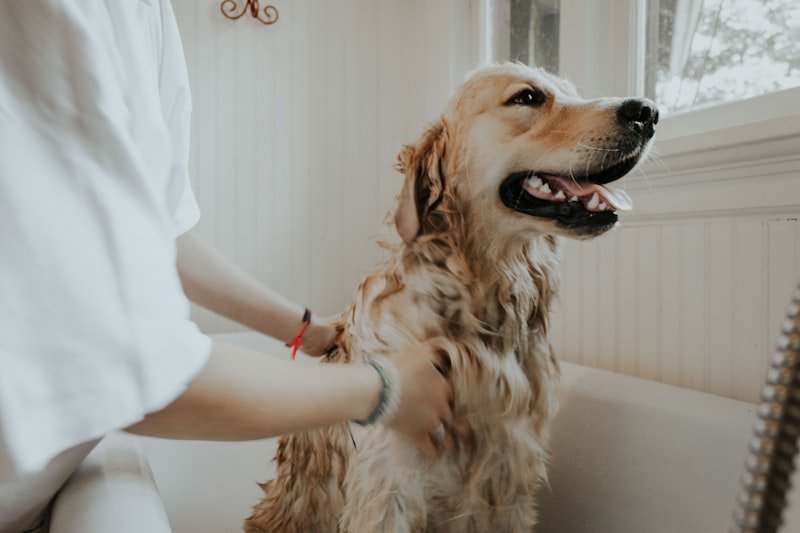
Most dogs only need a bath every four to eight weeks, unless they have rolled in something unpleasant. Over-bathing strips the skin of its natural oils and makes dandruff worse. If your dog has dry dandruff, try extending the time between baths and see if the condition improves.
When you do bathe your dog, always use a dedicated dog shampoo — never human shampoo. Look for moisturising or oatmeal-based dog shampoos that are designed for sensitive skin. Lukewarm water is best, as hot water can further dry out the skin.
Increase Humidity in Your Home
During the colder months, when central heating is on and the air inside is dry, using a humidifier can make a real difference to your dog’s skin. A humidifier adds moisture back into the air, which helps prevent the skin from drying out. This is a simple change that benefits both your dog and any human family members with dry skin.
Ensure Proper Hydration
Make sure your dog always has access to fresh water. Some dogs are reluctant drinkers, especially if they eat mostly dry food. Adding water or low-salt broth to their meals, using a pet water fountain, or placing multiple water bowls around the house can encourage them to drink more. Well-hydrated skin is less prone to flaking.
Check for Parasites Regularly
Keep up with your dog’s flea, tick, and worming treatments. Parasites can cause intense itching and skin irritation that leads to flaking. The RSPCA recommends year-round parasite prevention as part of routine dog care. If you notice your dog scratching excessively along with dandruff, speak to your vet about the most appropriate parasite treatment.
Groom Sensitive Areas
Pay extra attention to areas where dandruff tends to accumulate, such as the lower back, base of the tail, and behind the ears. These areas often have less air circulation and can trap moisture or dead skin cells. Gentle brushing in these spots can help keep them clear.
Wash Bedding Frequently
Your dog’s bedding can harbour dead skin cells, dust mites, and allergens that contribute to skin problems. Wash your dog’s bed, blankets, and any soft toys regularly using a fragrance-free, hypoallergenic detergent. This is especially important if your dog has allergies.
When to See Your Vet About Dandruff
Most mild cases of dog dandruff will improve with the diet changes and home care tips described above. However, there are situations where professional veterinary advice is essential. You should make an appointment with your vet if you notice any of the following:
- The dandruff appears suddenly and is severe
- Your dog is scratching, biting, or licking their skin excessively
- The skin is red, inflamed, or has open sores or crusts
- There is hair loss alongside the flaking
- The dandruff has an unpleasant smell
- Your dog seems generally unwell — lethargic, off their food, or drinking more than usual
- The flakes are large, yellowish, and greasy (suggesting oily seborrhoea)
- The dandruff does not improve after four to six weeks of home care
- You notice signs of parasites such as “walking dandruff” (live mites in the flakes)
Your vet can perform a thorough examination, which may include skin scrapings, blood tests, allergy testing, or fungal cultures. This helps identify any underlying conditions that need specific treatment. For example, if your dog has a rash on their belly alongside dandruff, this could indicate a more complex skin condition that needs professional diagnosis.
Treatment from your vet might include prescription medicated shampoos, antibiotics for secondary infections, antifungal medication, or specific treatments for underlying conditions like hypothyroidism. The earlier you seek help, the easier most skin conditions are to treat.
Can Dog Shampoos Help with Dandruff?
Yes, the right dog shampoo can help manage dandruff — but choosing the correct product and using it properly is important.
Types of Shampoo for Dog Dandruff
Moisturising shampoos are the best choice for dry dandruff. These contain ingredients like oatmeal, aloe vera, and natural oils that help hydrate the skin without stripping it. They are gentle enough for regular use and suitable for most dogs.
Medicated shampoos may be prescribed by your vet for more persistent or severe dandruff. These often contain ingredients like chlorhexidine, miconazole, or salicylic acid, which target specific skin problems such as bacterial or fungal infections. Medicated shampoos usually need to be left on the skin for a contact time (often ten minutes) to be effective, so always follow your vet’s instructions.
De-shedding shampoos can help remove dead hair and reduce the build-up of skin flakes. These are most useful during seasonal coat changes when your dog is naturally shedding more.
What to Avoid
Never use human shampoo, washing-up liquid, baby shampoo, or any other household product on your dog. These can disrupt the skin’s pH balance, cause irritation, and make dandruff significantly worse. Even some dog shampoos contain harsh detergents — always read the ingredients list and choose products with gentle, natural cleansing agents.
How Often Should You Bathe a Dog with Dandruff?
This depends on the type of dandruff and the shampoo you are using. For dry dandruff, less is usually more — bathing too frequently removes the natural oils the skin needs. Once every four to six weeks with a moisturising shampoo is a good starting point. For oily dandruff or when using a medicated shampoo, follow your vet’s specific guidance, as some treatments require more frequent bathing initially.
Breeds Prone to Dandruff
While any dog can develop dandruff, certain breeds are more susceptible due to their genetics, coat type, or skin characteristics.
Double-Coated Breeds
Dogs with thick double coats — such as German Shepherds, Huskies, Golden Retrievers, and Chow Chows — are prone to dandruff because their dense undercoat can trap dead skin cells and reduce air circulation to the skin. Regular thorough brushing, especially during shedding seasons, is essential for these breeds.
Hairless Breeds
Paradoxically, hairless breeds like the Chinese Crested and the Xoloitzcuintli are also prone to skin problems including dandruff. Without the protection of a full coat, their skin is more exposed to the elements and can become dry easily. These breeds often need moisturising products specifically designed for hairless dog skin.
Wrinkly or Folded Skin Breeds
Breeds with skin folds, such as Bulldogs, Pugs, and Shar-Peis, can develop dandruff in the warm, moist areas where skin folds overlap. These areas are prone to yeast and bacterial overgrowth. Regular cleaning and drying of skin folds is important for these breeds.
Terriers
West Highland White Terriers, Jack Russell Terriers, and other terrier breeds are genetically predisposed to skin conditions including seborrhoea and atopic dermatitis. If you own a terrier and notice persistent dandruff, it may be worth discussing with your vet, as this breed group has a higher likelihood of underlying skin issues.
Frequently Asked Questions About Dog Dandruff
Is dog dandruff contagious to humans or other pets?
Most dog dandruff is not contagious. It is usually caused by dry skin, diet, or allergies, none of which can be passed to humans or other animals. However, if the dandruff is caused by parasites like Cheyletiella mites (walking dandruff) or certain fungal infections like ringworm, these can potentially spread. If you are unsure, ask your vet to check your dog.
Can I use Head and Shoulders on my dog?
No, you should not use human anti-dandruff shampoo on your dog. Human shampoos are formulated for a different skin pH and can irritate your dog’s skin. Some ingredients in human anti-dandruff products, like zinc pyrithione, can be toxic to dogs if ingested (and dogs will lick their coat after bathing). Always use a shampoo specifically formulated for dogs.
How long does it take for diet changes to improve dandruff?
You should start to see improvements in your dog’s skin and coat within three to six weeks of making dietary changes or starting supplements like salmon oil. Skin cells take time to turn over, so patience is important. If you see no improvement after six to eight weeks, consult your vet.
Can stress cause dog dandruff?
Yes, stress can contribute to dandruff. When a dog is stressed, their body releases cortisol, which can affect skin health and oil production. Stress might be caused by changes in routine, moving house, a new pet or family member, or separation anxiety. Addressing the underlying cause of stress, alongside skin care, can help.
Should I use coconut oil on my dog’s skin for dandruff?
Some owners find that a small amount of coconut oil massaged into dry patches can help moisturise the skin. However, applying oil directly to the coat can make it greasy and may not reach the skin effectively in dogs with thick coats. Adding a small amount to food is usually a better approach. If your dog’s skin is already greasy (oily dandruff), avoid applying additional oils.
My dog has dandruff and is losing hair. What should I do?
Hair loss combined with dandruff can indicate an underlying condition such as hypothyroidism, Cushing’s disease, or a skin infection. You should make an appointment with your vet as soon as possible. Do not try to treat this at home, as the underlying cause needs to be properly diagnosed and treated.
Can puppies get dandruff?
Yes, puppies can get dandruff. Puppy skin is more sensitive than adult skin, and their immune systems are still developing. Mild flaking is relatively common in young dogs and often resolves as they mature. However, if the dandruff is severe, persistent, or accompanied by itching or redness, consult your vet — puppies can also develop mange, infections, and other conditions that need treatment.
Is grain-free food better for dogs with dandruff?
Not necessarily. Grain-free food may help if your dog has a confirmed allergy to a specific grain like wheat or corn. However, grain allergies are relatively rare in dogs — most food allergies are triggered by animal proteins like chicken or beef. If you are considering a grain-free food, our guide to the best grain-free dog food in the UK covers the benefits and considerations. Always talk to your vet before making significant changes to your dog’s diet.
Conclusion
Dog dandruff is common, but it is rarely something to panic about. In most cases, it is a manageable condition that responds well to a combination of dietary improvements, regular grooming, and simple home care adjustments. Adding omega-3 fatty acids through food or supplements, brushing your dog regularly, avoiding over-bathing, and maintaining good hydration are all practical steps that can make a visible difference.
However, dandruff can sometimes be a sign of something more serious — from allergies and parasites to hormonal imbalances and underlying health conditions. If your dog’s dandruff is severe, persistent, or accompanied by other symptoms like itching, hair loss, or changes in behaviour, do not wait to seek veterinary advice. Early diagnosis and treatment lead to better outcomes for your dog’s skin health and overall wellbeing.
At dogfoodsuk.com, our mission is to help UK dog owners make informed decisions about their dog’s nutrition and care. We believe that understanding what goes into your dog’s body — and what goes on their skin — is the foundation of a happy, healthy life together. If you found this guide helpful, explore our other articles on anti-inflammatory foods for dogs, probiotics for gut and skin health, and much more.