
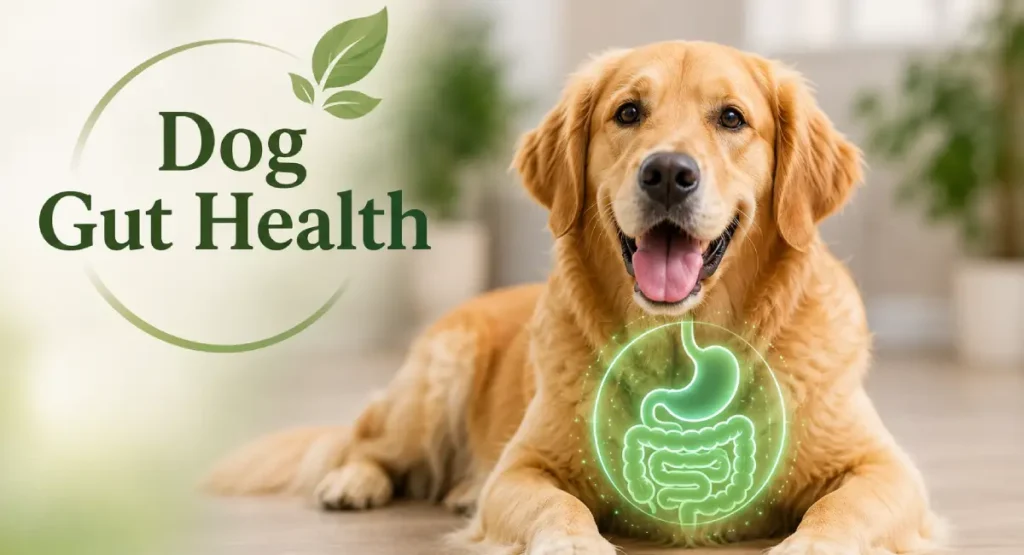
Your dog’s digestive system does far more than simply break down food. It plays a central role in their overall health, affecting everything from their energy levels and immune function to their skin condition and behaviour. At dogfoodsuk.com, we believe that understanding your dog’s gut health is one of the most important things you can do as a responsible pet owner. This comprehensive guide will help you recognise the signs of poor digestion, understand what causes it, and discover the best foods and dietary strategies to support your dog’s gut health in the UK.
Why Gut Health Matters for Dogs
When we talk about gut health, we are really talking about the gut microbiome the vast community of trillions of bacteria, fungi, and other microorganisms that live inside your dog’s digestive tract. Think of it as a busy ecosystem inside your dog, where billions of tiny organisms work together to keep things running smoothly.
In a healthy gut, beneficial bacteria outnumber harmful ones. These good bacteria help digest food, produce essential vitamins (like B vitamins and vitamin K), support the immune system, and even influence your dog’s mood. According to the RSPCA, a balanced gut microbiome is essential for a dog’s overall wellbeing, and disruptions to this balance can lead to a wide range of health problems.
The gut is often referred to as the “second brain” because of the gut-brain axis a direct communication pathway between the digestive system and the brain. This means that what happens in your dog’s gut can actually influence their behaviour, anxiety levels, and even cognitive function. Research has shown that an imbalance in gut bacteria can contribute to stress-related behaviours in dogs, which is why maintaining good gut health is about more than just avoiding tummy trouble.
The gut is also home to around 70 to 80 per cent of your dog’s immune system. A healthy gut lining acts as a barrier, preventing harmful substances from entering the bloodstream while allowing nutrients to be absorbed efficiently. When this barrier is compromised a condition sometimes called “leaky gut” it can trigger inflammation throughout the body and contribute to allergies, joint problems, and skin conditions.
The European Pet Food Industry Federation (FEDIAF) recognises the importance of digestive health in their nutritional guidelines, recommending that complete dog foods provide adequate fibre and nutrients to support healthy digestion. However, not all commercial dog foods meet these standards equally, which is why understanding what makes a gut-friendly diet is so important.
Signs of Poor Gut Health in Dogs
Recognising the signs of poor gut health early can make a significant difference to your dog’s quality of life. Many owners dismiss mild digestive symptoms as normal, but recurring issues often point to an underlying imbalance that needs attention. Here are the key signs to watch for:
Frequent or Ongoing Digestive Upset
Occasional tummy trouble can happen to any dog, but if your dog experiences frequent diarrhoea, vomiting, or loose stools, this is a clear sign that something is not right. Chronic digestive upset can lead to dehydration, weight loss, and nutrient deficiencies over time. The PDSA advises that persistent diarrhoea or vomiting lasting more than 24 to 48 hours always warrants a visit to your vet.
Excessive Gas and Bloating
While all dogs pass wind occasionally, excessive flatulence or visible bloating can indicate poor digestion. If your dog’s gas has an unusually strong odour, or if their tummy appears distended after eating, this could suggest that food is not being digested properly. Bloating can also be a sign of a more serious condition called gastric dilatation-volvulus (GDV), which is a veterinary emergency particularly in deep-chested breeds.
Changes in Appetite
A dog that suddenly loses interest in food, or one that seems constantly hungry despite eating normal portions, may have an underlying gut health issue. Poor digestion can mean that nutrients are not being absorbed properly, leaving your dog feeling unsatisfied even after a full meal. Conversely, gut discomfort may make your dog reluctant to eat at all.
Poor Coat Condition
The gut-skin connection is well documented. If your dog’s coat becomes dull, dry, or flaky despite regular grooming, it could be a sign that their gut is not absorbing nutrients effectively. For a deeper look at how gut health relates to skin issues, our guide on probiotics for dogs explains the gut-skin axis in detail.
Low Energy and Lethargy
When the gut cannot absorb nutrients properly, your dog may not be getting the energy they need from their food. This can lead to persistent tiredness, reluctance to exercise, and a general lack of enthusiasm. If your dog seems unusually sluggish and has digestive symptoms alongside this, poor gut health could be the cause.
Behavioural Changes
Because of the gut-brain axis, dogs with poor gut health may show changes in behaviour. This can include increased anxiety, irritability, restlessness, or repetitive behaviours like excessive licking. If your dog seems “not quite themselves” and also has digestive symptoms, it is worth considering whether their gut health could be a contributing factor.
Understanding Your Dog’s Stool
Your dog’s poo is one of the best indicators of their digestive health. Learning to read the signs can help you spot problems early and make informed decisions about their diet. While it may not be the most pleasant topic, regularly checking your dog’s stool is a responsible and practical habit for any dog owner.
What Healthy Stool Looks Like
Healthy dog stool should be firm, moist, and hold its shape when picked up. It should be chocolate brown in colour and relatively easy to pick up from the ground without leaving much residue. A healthy dog typically passes stool one to two times per day, though this can vary depending on diet, age, and activity level.
Stool Colour Guide
Paying attention to colour changes can alert you to potential problems:
- Chocolate brown: This is the ideal colour and indicates healthy digestion.
- Yellow or orange: This can suggest a problem with the liver, gallbladder, or bile production. It may also occur when food moves too quickly through the digestive tract.
- Black or tarry: This can indicate digested blood in the upper gastrointestinal tract and requires urgent veterinary attention.
- Red streaks: Fresh blood in the stool can signal inflammation, infection, or injury in the lower digestive tract. See your vet promptly.
- White or grey: This may indicate a bile duct obstruction or problems with the pancreas. It can also occur if your dog has eaten a lot of bone.
- Green: This is usually caused by eating grass but can also indicate gallbladder issues if it persists.
Stool Consistency Guide
Many UK vets use a faecal scoring system that rates stool from 1 (very hard, dry pellets) to 7 (liquid diarrhoea). The ideal score is around 2 to 3 firm, segmented logs that hold their shape. Scores of 4 to 5 indicate soft or loose stool, while scores of 6 to 7 indicate diarrhoea that needs attention. If your dog consistently produces stool at either extreme, it is worth discussing with your vet.
Mucus coating the stool can indicate intestinal inflammation. Worms or rice-like segments in the stool suggest a parasitic infection. Straining to pass stool, or producing very small, hard pellets, can indicate constipation which may be caused by insufficient fibre, dehydration, or an underlying medical condition.
Common Causes of Poor Digestion in Dogs
Understanding what disrupts your dog’s gut health can help you prevent problems before they start. Several common factors can throw the gut microbiome out of balance:
Dietary Issues
Poor-quality dog food is one of the most common causes of digestive problems. Foods that contain excessive fillers, artificial additives, or low-quality protein sources can be difficult for dogs to digest. Sudden changes to your dog’s diet — even switching between good-quality foods — can upset the gut microbiome. Food allergies and intolerances are also significant contributors, with common triggers including chicken, beef, dairy, wheat, and soy. For more detail on this topic, our article on dog food allergies covers identification and management.
Stress and Anxiety
Dogs are sensitive creatures, and stress can have a direct impact on their digestive system. Changes in routine, moving house, new pets or family members, loud noises, and separation anxiety can all trigger digestive upset. The gut-brain axis means that stress hormones directly affect gut motility and the balance of gut bacteria, which is why anxious dogs often develop diarrhoea or lose their appetite.
Antibiotics and Medications
While antibiotics are sometimes necessary to treat bacterial infections, they do not discriminate between harmful and beneficial bacteria. A course of antibiotics can significantly disrupt the gut microbiome, often leading to diarrhoea and digestive discomfort. According to Pet Drugs Online, supplementing with probiotics during and after a course of antibiotics can help restore the balance of gut bacteria more quickly.
Age
As dogs get older, their digestive system naturally becomes less efficient. They may produce less stomach acid and digestive enzymes, making it harder to break down and absorb nutrients from their food. Older dogs are also more prone to conditions like inflammatory bowel disease (IBD) and exocrine pancreatic insufficiency (EPI). Our senior dog food guide covers nutrition strategies specifically tailored to older dogs.
Parasites and Infections
Intestinal worms, giardia, and other parasites can cause significant digestive upset. Regular worming treatments, as recommended by your vet, are essential for maintaining gut health. Bacterial and viral infections, such as parvovirus, can also cause severe digestive illness, particularly in puppies and unvaccinated dogs.
Best Foods for Dog Gut Health
Choosing the right food is the foundation of good gut health. Here are the types of foods and ingredients that support a healthy digestive system:
Fibre-Rich Foods
Fibre is essential for healthy digestion, but not all fibre is the same. Understanding the difference between soluble and insoluble fibre can help you make better choices for your dog.
Soluble fibre dissolves in water to form a gel-like substance in the gut. This slows down digestion, helps regulate blood sugar levels, and feeds beneficial gut bacteria. Good sources of soluble fibre for dogs include pumpkin (plain, not pie filling), sweet potato, oats, and psyllium husk. Soluble fibre is particularly helpful for dogs with diarrhoea because it helps firm up loose stool.
Insoluble fibre does not dissolve in water and adds bulk to the stool. It helps move food through the digestive tract and can prevent constipation. Good sources include brown rice, beet pulp (in moderation), and carrot. Insoluble fibre is beneficial for dogs prone to constipation or anal gland issues.
A balanced diet should include both types of fibre. Many high-quality commercial dog foods already contain an appropriate mix, but you can supplement with small amounts of fibre-rich foods if your vet agrees it would benefit your dog.
Prebiotic Foods
Prebiotics are types of fibre that specifically feed beneficial gut bacteria. Think of them as food for the good bacteria in your dog’s gut. Common prebiotic sources found in dog food include chicory root (inulin), fructooligosaccharides (FOS), and mannan-oligosaccharides (MOS). These ingredients are often listed on dog food labels, particularly in premium ranges.
Foods that naturally contain prebiotics include bananas (in small amounts), asparagus, garlic (very small, safe amounts), and apples. Adding a small amount of these to your dog’s diet can help support their microbiome, but always introduce new foods gradually to avoid upsetting their stomach.
Limited Ingredient Diets
For dogs with sensitive digestion or suspected food intolerances, limited ingredient diets (LIDs) can be very helpful. These foods contain fewer ingredients, making it easier to identify and avoid potential triggers. Brands like James Wellbeloved, Burns, and Forthglade offer LID options that are widely available in the UK and rated highly on All About Dog Food.
Novel Protein Sources
If your dog has developed sensitivities to common proteins like chicken or beef, switching to a novel protein source can give their gut a chance to recover. Good novel protein options available in the UK include venison, duck, salmon, and kangaroo. Our guide to the best grain-free dog foods in the UK includes several novel protein options that may suit sensitive dogs.
Easily Digestible Carbohydrates
Some carbohydrates are easier on the digestive system than others. White rice (plain, boiled), sweet potato, and oats are generally well tolerated by dogs with sensitive stomachs. These can be particularly useful as a bland diet during episodes of digestive upset, before gradually transitioning back to their regular food.
The Role of Probiotics and Prebiotics
Probiotics and prebiotics work together to support a healthy gut microbiome, but they serve different purposes. Understanding the distinction can help you use them effectively for your dog.
Probiotics are live beneficial bacteria that are added to your dog’s gut to help restore or maintain a healthy balance. They are particularly useful after a course of antibiotics, during times of stress, or for dogs with chronic digestive issues. Common probiotic strains used in dog supplements include Lactobacillus acidophilus, Bifidobacterium animalis, and Enterococcus faecium. These are available as supplements from UK retailers like Amazon UK, or as part of fortified dog foods.
Prebiotics, as mentioned earlier, are non-digestible fibres that feed the beneficial bacteria already present in the gut. They act as a food source for probiotics, helping them thrive and multiply. Many high-quality dog foods now include prebiotics like chicory root extract or FOS in their ingredient lists.
Using probiotics and prebiotics together — a combination sometimes called a “synbiotic” — can be more effective than using either alone. The prebiotics provide the food, and the probiotics provide the beneficial bacteria, working together to establish a robust and diverse gut microbiome.
For a comprehensive guide on choosing and using probiotics for your dog, including specific product recommendations available in the UK, read our full article on probiotics for dogs.

Foods That Can Harm Your Dog’s Gut
Just as certain foods support gut health, others can actively damage it. Being aware of these can help you protect your dog’s digestive system:
Table Scraps and Human Food
Feeding your dog scraps from the table is one of the most common causes of digestive upset. Many human foods are too rich, salty, or fatty for dogs to process comfortably. Foods like gravy, roast potatoes, cheese, and processed meats can trigger diarrhoea, vomiting, and pancreatitis (a serious inflammation of the pancreas). The UK Pet Food organisation advises that treats and extras should make up no more than 10 per cent of a dog’s daily calorie intake.
Sudden Dietary Changes
Switching your dog’s food abruptly — even between high-quality brands — can disrupt the gut microbiome and cause digestive upset. The bacteria in your dog’s gut need time to adapt to new ingredients. This is why we always recommend following a gradual transition plan. Our step-by-step guide on how to switch dog food safely explains the process in detail.
High-Fat Foods
Foods that are high in fat — such as fatty cuts of meat, sausages, bacon, and fried foods — can overwhelm your dog’s digestive system. The pancreas has to work harder to produce enough enzymes to break down the fat, which can lead to pancreatitis. This is a painful and potentially dangerous condition that often requires veterinary treatment and hospitalisation.
Toxic Foods
Certain foods are toxic to dogs and can cause severe digestive and systemic problems. These include chocolate, grapes and raisins, onions, garlic (in larger quantities), xylitol (a common artificial sweetener found in sugar-free foods), macadamia nuts, and avocado. Always keep these foods well out of your dog’s reach, and be especially careful during festive seasons when tempting foods are more accessible.
Low-Quality Commercial Foods
Some budget dog foods contain excessive amounts of fillers like cereals, soya, and animal derivatives that provide little nutritional value and can be hard to digest. Artificial colours, preservatives, and flavourings may also irritate the gut lining. The All About Dog Food website is an excellent resource for checking the quality of dog food brands available in the UK, using a star-rating system that considers ingredient quality and nutritional completeness.
How to Improve Your Dog’s Digestion
If your dog is showing signs of poor digestion, there are several practical steps you can take to improve their gut health:
Gradually Transition to a Better Food
If you suspect your dog’s current food is contributing to their digestive problems, switching to a higher-quality option can make a real difference. However, always transition gradually over seven to ten days. Start by mixing 75 per cent of the old food with 25 per cent of the new food for the first two to three days. Then shift to a 50/50 mix for another two to three days, then 75 per cent new and 25 per cent old, before finally switching to 100 per cent new food. This slow approach gives your dog’s gut bacteria time to adapt.
Establish a Consistent Feeding Schedule
Feeding your dog at the same times each day helps regulate their digestive system. Most adult dogs do well with two meals per day, spaced roughly 12 hours apart. Puppies need more frequent meals — typically three to four times per day. Avoid feeding immediately before or after vigorous exercise, as this can increase the risk of digestive upset and, in deep-chested breeds, the life-threatening condition bloat.
Add Fibre Gradually
If your dog needs more fibre in their diet, introduce it slowly to avoid additional digestive upset. A small spoonful of plain pumpkin puree (not pie filling), a little cooked sweet potato, or a sprinkle of psyllium husk can be added to their regular food. Start with a very small amount and increase gradually over several days while monitoring their stool quality.
Consider a Digestive Supplement
Probiotic supplements specifically designed for dogs can help restore gut bacterial balance. Many UK vets recommend products containing multiple bacterial strains and a guaranteed CFU (colony-forming unit) count. Supplements are available from Amazon UK, pet shops, and veterinary practices. For more detail, see our probiotics for dogs guide.
Support with Omega-3 Fatty Acids
Omega-3 fatty acids, found in salmon oil and fish oil, have natural anti-inflammatory properties that can help soothe an inflamed digestive tract. They also support the gut lining and may help reduce symptoms of inflammatory bowel disease. Our article on salmon oil for dogs covers dosage guidance and recommended products available in the UK.
Incorporate Anti-Inflammatory Foods
Certain foods have natural anti-inflammatory properties that can support gut healing. These include blueberries, turmeric (with a pinch of black pepper for absorption), bone broth, and coconut oil (in moderation). Our guide to anti-inflammatory foods for dogs provides detailed information on safe portions and preparation methods.
When to See Your Vet About Digestive Problems
While mild, occasional digestive upset can often be managed at home with dietary adjustments, there are situations where veterinary attention is essential. Always consult your vet if you notice any of the following:
- Persistent diarrhoea or vomiting lasting more than 24 to 48 hours in an adult dog, or more than 12 hours in a puppy.
- Blood in the stool or vomit — this always requires veterinary investigation.
- Sudden and severe bloating — this could indicate gastric dilatation-volvulus (GDV), which is a life-threatening emergency, especially in large or deep-chested breeds.
- Significant weight loss alongside digestive symptoms.
- Refusal to eat or drink for more than 24 hours.
- Lethargy, pain, or distress accompanying digestive symptoms.
- Puppies with any digestive symptoms, as they can become dehydrated very quickly.
- Recurring episodes of digestive upset that keep coming back despite dietary changes.
The PDSA recommends that all dogs receive regular veterinary check-ups, even when they appear healthy. These routine visits are an opportunity to discuss any concerns about your dog’s digestion and catch potential problems early. Remember, the information in this article is for educational purposes only and should never replace professional veterinary advice.
Gut Health and Your Dog’s Immune System
The connection between gut health and immune function is one of the most important — and often overlooked — aspects of canine wellbeing. Around 70 to 80 per cent of your dog’s immune tissue is located in the gut, specifically in an area called the gut-associated lymphoid tissue (GALT). This means that the health of your dog’s gut directly influences the strength and responsiveness of their immune system.
When the gut microbiome is balanced and diverse, it helps train the immune system to distinguish between harmless substances and genuine threats. This training process begins in puppyhood and continues throughout your dog’s life. A well-functioning gut helps prevent overreactions to harmless proteins (which can manifest as food allergies) and ensures that the immune system responds appropriately to actual pathogens like bacteria and viruses.
Conversely, when the gut microbiome is disrupted, the immune system can become either overactive or underactive. An overactive immune system may contribute to allergies, skin conditions, and inflammatory disorders. An underactive immune system leaves your dog more vulnerable to infections and illness.
The gut lining itself acts as a physical barrier against harmful substances. When this lining is healthy and intact, it allows nutrients to pass through while keeping toxins, undigested food particles, and harmful bacteria out of the bloodstream. When the gut lining becomes damaged or “leaky,” these substances can enter the bloodstream and trigger an immune response, leading to systemic inflammation.
Supporting your dog’s gut health through proper nutrition, probiotics, and a stress-free environment is therefore one of the most effective ways to support their overall immune health. Foods rich in antioxidants — such as blueberries, spinach, and cranberries — can further support immune function by reducing oxidative stress in the gut. This is why a holistic approach to nutrition, considering both the gut and the immune system together, yields the best results for your dog’s long-term health.
Frequently Asked Questions
How can I tell if my dog has a gut health problem?
Common signs include frequent diarrhoea or loose stools, excessive gas, vomiting, changes in appetite, a dull coat, low energy, and behavioural changes like increased anxiety. If you notice several of these symptoms together, or if they persist for more than a few days, consult your vet for a proper diagnosis.
What is the best food for a dog with a sensitive stomach?
Limited ingredient diets (LIDs) with novel proteins are often the best starting point. Brands like Burns, James Wellbeloved, and Forthglade offer sensitive stomach formulas available in the UK. Look for foods with prebiotics and easily digestible carbohydrates like sweet potato or rice. Always transition to any new food gradually over seven to ten days.
Can I give my dog human probiotics?
It is generally better to use probiotics specifically formulated for dogs. Dog probiotics contain bacterial strains that are adapted to the canine gut, such as Enterococcus faecium and specific Lactobacillus and Bifidobacterium strains. Human probiotics may not provide the same benefits and could potentially cause mild digestive upset. Dog-specific probiotics are widely available from Amazon UK and veterinary practices.
How long does it take to improve a dog’s gut health?
This depends on the underlying cause. Mild digestive upset caused by a recent dietary change may resolve within a few days to a week. More chronic conditions like dysbiosis (gut bacteria imbalance) or food sensitivities may take four to eight weeks of consistent dietary management to show significant improvement. Always work with your vet to develop an appropriate timeline and treatment plan.
Is grain-free food better for gut health?
Not necessarily. While some dogs with specific grain sensitivities benefit from grain-free diets, grains like brown rice and oats are actually good sources of dietary fibre that support gut health. The UK Pet Food organisation notes that grains can be a valuable part of a balanced dog food. If you suspect your dog has a grain sensitivity, consult your vet before making changes. Our grain-free dog food guide provides more detail on when grain-free may be appropriate.
How much fibre should my dog have in their diet?
Most commercial complete dog foods already contain an appropriate amount of fibre (typically 2 to 5 per cent on a dry matter basis). If you want to supplement, start with very small amounts — for example, half a teaspoon of plain pumpkin puree for a small dog, or one to two tablespoons for a large dog — and monitor their stool quality. Too much fibre can interfere with nutrient absorption and cause its own digestive problems.
Can stress really affect my dog’s digestion?
Yes, absolutely. The gut-brain axis means there is a direct communication pathway between your dog’s brain and their digestive system. Stress hormones like cortisol can alter gut motility, reduce blood flow to the digestive tract, and disrupt the balance of gut bacteria. Anxious dogs frequently develop diarrhoea, lose their appetite, or show other digestive symptoms. Managing stress through routine, exercise, mental stimulation, and, in some cases, calming supplements can help support both mental and digestive health.
Conclusion
Your dog’s gut health is the cornerstone of their overall wellbeing. A balanced gut microbiome supports efficient digestion, a strong immune system, healthy skin and coat, stable energy levels, and even balanced behaviour. By learning to recognise the signs of poor digestion — from changes in stool quality to low energy and excessive gas — you can take action early and make a real difference to your dog’s quality of life.
The best approach to gut health is a holistic one. Start with a high-quality, complete dog food that contains prebiotics and an appropriate balance of soluble and insoluble fibre. Avoid sudden dietary changes, table scraps, and foods that are too rich or fatty. Support their gut with probiotics when needed, especially after antibiotics or during stressful periods. And always work alongside your vet to rule out underlying medical conditions.
At dogfoodsuk.com, our mission is to help UK dog owners make informed decisions about their dog’s nutrition. We review and compare dog foods, supplements, and dietary strategies so that you can feel confident you are giving your dog the best possible care. For more expert guides on canine nutrition, explore our full range of articles, including our advice on probiotics, anti-inflammatory foods, and salmon oil.
Your dog relies on you to make the right choices about their diet and health. By prioritising their gut health today, you are investing in a longer, happier, and healthier life for your loyal companion.