

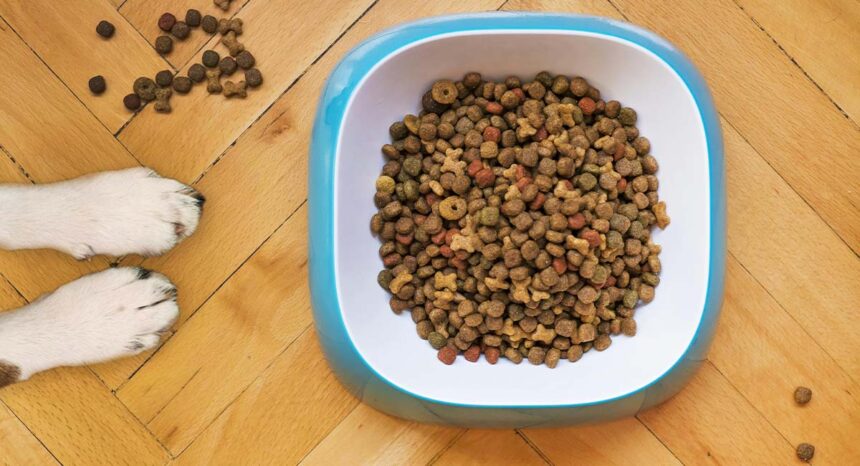
Feeding your dog the right food is one of the most important decisions a pet parent can make. There are so many options available in the UK dog food market that it is normal to get confused. Seeing so much variety often leads to the question of whether a high protein dog food UK option is the right choice for your dog.
The good news is that there are plenty of good high-protein dog food options available in the UK, and many of them are made right here in the UK. Whether you’re a new dog owner or someone who’s been raising your dog for a while, it’s important to understand the exact protein requirements to help you make the best choice for your pooch.
Let’s talk about everything you need to know about premium protein formulas, from trusted British brands to practical feeding guidance that really works. Not all dogs need to be high-protein. Everyone’s nutritional requirements are different. We’re all about understanding the details.
What is considered high-protein dog food in the UK?
In the UK, high-protein dog food is generally defined as dry kibbles that contain more than 25% to 30% grams of protein per kilojoule, or wet food that contains more than 8 to 10 percent protein. This is the basic benchmark from which a food is considered in the higher protein category.
Top-tier high-protein dog food brands in the UK do not just focus on protein percentage, but also pay attention to the quality of the protein. These brands usually contain more than 50 percent identifiable high-quality animal ingredients such as chicken, beef, salmon or turkey instead of heavily relying on plant-based protein.
This means that a truly high-protein dog food is not just a numbers game. It is important that the protein comes from a clear animal source that is easily digested and also provides proper support to your dog’s body.
Healthy Diet Guidelines for High-Protein Dog Food
High-quality dog food is healthy for your dog only when it is not just high in protein but also when the entire diet is properly balanced. Just giving high protein is not enough. You have to make sure that the food is right for your dog’s age, activity level, digestion, and overall health. A healthy diet guideline for high-protein dog food is something like this:
- Match the protein to the dog’s lifestyle
Not every dog needs high protein. Active, working, sporty, or highly energetic dogs usually perform better on high-protein diets. However, low-activity or indoor dogs don’t need to be given unnecessarily high protein. - Prioritize named animal proteins
The ingredients list should clearly indicate protein sources, such as chicken, turkey, lamb, salmon, or beef. Vague terms like “meat derivatives” or “animal by-products” may indicate lower-quality sources. - Check the protein and fat balance as well
High protein, along with moderate healthy fat, is also needed for energy. Too much fat can cause stomach upset or weight gain in sensitive dogs. - Digestibility is most important
High protein is only useful if your dog can digest it. If gas, loose stools, bloating, or discomfort occur after eating the food, the protein source or formula may not be suitable. - Compare on a dry matter basis
Don’t compare dry and wet food directly by label percentages. Wet food has more moisture, so it appears to have less protein. Use a dry matter basis for a fair comparison. - Avoid overfeeding
High-protein food is often calorie-dense. If portion control is not maintained, your dog may gain weight rapidly. Follow the feeding guide, but also adjust according to your dog’s body condition. - Consider Life Stage
Puppies, adult dogs, and seniors have different protein needs. Puppies need more growth support, while senior dogs are better suited to high-quality, easily digestible protein. - Make a Slow Transition if You Have a Sensitive Stomach
Suddenly switching to a high-protein food can cause stomach upset. Introduce the new food gradually over 7–10 days. - Choose a Balanced Formula
Simply being high in protein is not enough. Food should also contain vitamins, minerals, fiber, omega-3 fats, and a proper calcium-phosphorus balance. - Observe Your Dog’s Response
The best high-protein food is the one that truly suits your dog. Healthy coat, stable energy, lean body condition, good stool quality, and good muscle tone are signs that the diet is working.
How Much Protein Does Your Dog Actually Need?
This is where most articles skip straight to a brand list. Don’t do that until you know the numbers.
In the UK, pet food labels follow FEDIAF guidelines (the European Pet Food Industry Federation), not the American AAFCO standards you’ll often see cited on US websites. Worth knowing, because the two differ.
The Pet Food Manufacturers’ Association (PFMA) recommends adult dog food contain a minimum of 18g of protein per 100g of dry matter, and for growing puppies and nursing mothers, at least 20g per 100g of dry matter. “Dry matter” just means the food with all moisture removed, so you can compare wet and dry foods fairly.
Here’s a practical breakdown by life stage:
- Puppies: Growing pups typically need 22–32% protein to support development.
- Adult dogs: 18–25% is sufficient for most adults at maintenance, roughly 18g of protein per 1,000 kcal according to European pet food guidelines.
- Senior dogs: Seniors often need 20–25% to hold onto muscle mass as they age, though those with kidney issues may need less to avoid organ strain.
- Working and active dogs: Dogs who run, hike, or work, like sheepdogs, may need 25–30% protein to fuel energy and recovery.
And what actually counts as “high protein”? Most premium diets sit around 22–28% crude protein. A genuinely high-protein formula pushes that to 30–37% crude protein.
The UK’s best quality high-protein dog food brands.
These are UK options with actual meat content worth talking about.
Working Dog Food Co
Built for active and working breeds. Their recipes contain up to 50% fresh meat from named proteins like chicken, duck, or salmon, and they manufacture everything in the UK with full traceability. XL 15kg bags make the price per day reasonable for bigger dogs. No wheat, no maize, no fillers pretending to be food.
Good pick if your dog is genuinely active, not just “goes for a walk twice a day” active.
Scrumbles
Up to 70% meat or fish, using British poultry and fish throughout. Their gut-friendly formulas include added probiotics, which is useful if your dog’s digestion has ever ruined a car journey. Available from 8 weeks through adulthood.
Their chicken and rice formula with 60% free-run chicken is probably their best-known product, and it holds up to the label claim.
Forthglade
The Gourmet range is worth a look for dogs with allergies. Their line includes turkey, goose, beef, wild boar, duck, and venison, giving you real variety if your dog has reacted to the usual chicken-based foods. The 150g trays make portion control easy, especially for smaller breeds where a standard tin is just too much at once.
Skinner’s Field & Trial
Designed primarily for active breeds, Skinner’s Field & Trial Working 26 provides 26% protein from poultry meat meal. It’s the honest workhorse of this list: short ingredient lists, affordable, and genuinely popular among sporting dog owners. If you want a no-fuss bag that does the job for a dog with a real job, this is it.
Pooch & Mutt
Meat-rich with clear ingredient transparency. They specifically label what each ingredient does, which is rare. They manufacture in the UK and have separate formulas for working dogs, seniors, and sensitive stomachs rather than just repackaging the same recipe with a different photo.
Who Actually Benefits from High Protein?
Not every dog needs it. Genuinely.
Working and sport dogs. If your dog does agility, flyball, sheepdog trials, or goes on proper long hikes, faster muscle protein turnover means they need more of it to recover. Adequate protein intake supports lean muscle maintenance and overall strength in these animals.
Older dogs losing muscle. As a dog ages, they require more protein. When insufficient protein is provided, it can aggravate the age-associated loss of lean body mass and may contribute to lowered mobility and earlier mortality. The old assumption that seniors need less protein has largely been overturned by research. That said, dogs with diagnosed kidney disease are a different case. Talk to your vet before switching an elderly dog with existing health issues.
Dogs managing their weight. Research shows dogs fed a higher protein diet with lower carbohydrates lost more weight and maintained their lean muscle mass during weight loss, leading to overall improved body composition. Labradors and Beagles, both famously prone to creeping weight gain, tend to respond well to this approach combined with portion control.
Puppies. Growing pups need energy-dense, protein-rich diets, with puppy formulas commonly sitting at 22–32% protein on a dry-matter basis. Most puppy-specific formulas already account for this. Just check the label says “complete” for growth or “all life stages.”
How to Read a Label Without Getting Confused
The front of the bag is marketing. The back of the bag is the truth.
Check the first ingredient. Look for labels where a high-quality protein is the first ingredient. Avoid vague terms like “animal derivatives,” which may indicate lower-quality sources. “Chicken” or “salmon” is fine. “Meat and animal derivatives” is not. The ingredient list is ordered by weight, so whatever’s listed first is present in the highest amount.
Find the guaranteed analysis. This is where crude protein percentage lives. Compare foods on this basis, not on the front-of-pack claims.
Look for “complete.” Complete means the food can be the sole diet. “Complementary” means it needs something else alongside it. Most owners want complete.
Named proteins matter. “Chicken meal” is better than “poultry meal.” “Salmon” is better than “fish.” The more specific, the more confident you can be about what’s actually in there.
British manufacturing is worth checking. UK dog food manufacturers must ensure all animal-based ingredients come from animals slaughtered under veterinary supervision, meeting the same safety standards that protect the human food chain. “Made in the UK” on the label means something here.
High-Protein Dog Food Myth
There’s a persistent idea that high protein damages kidneys in healthy dogs. The science doesn’t support it.
According to most experts, a high-protein diet does not cause kidney disease in healthy dogs. Dr. Kenneth Bovée, the renowned professor of Clinical Studies at the University of Pennsylvania, concluded that the continued use of protein restriction in the absence of scientific evidence deserves thoughtful consideration.
The caveat is “healthy dogs.” If your dog already has kidney disease or renal insufficiency, a high-protein diet can add strain. That’s a conversation for your vet with your specific dog’s bloodwork in hand, not a general rule applied to all dogs over 7.
How to Choose Quality Protein-Rich Dog Food
Many people assume that a high-protein formula automatically means high-quality dog food, but this isn’t always true.
Not every high-protein dog food necessarily contains quality protein. Therefore, simply looking at the protein percentage isn’t enough. You should also check the protein source, the quality of the ingredients, and whether the food is suitable for your dog’s needs.
Check the protein source.
First ingredients should always be specific protein sources. Ingredients like “chicken,” “beef,” “turkey,” “salmon,” or “lamb” are better considered, instead of vague terms like “meat and animal by-products.”
Whole meats and clearly named meat meals, such as “chicken meal” instead of generic “poultry meal,” usually show better quality. UK-sourced proteins are also generally of very good quality and support local agriculture.
Never choose a dog food that does not clearly mention the protein source.
Grain-Free vs Grain-Inclusive
It’s important to understand the difference between grain-free and grain-inclusive dog food. Many people assume grain-free food is always better, but this isn’t always true for dogs. Some dogs digest grains perfectly, and healthy grains like brown rice, oats, or barley are a good source of energy and fiber.
Grain-free formulas are especially useful for dogs with grain allergies or sensitivities. But if your dog does well with grains, grain-inclusive food can still be a healthy and balanced option.
That’s why it’s more important to understand your dog’s individual needs than to follow trends. Never assume that grain-free food is automatically better. Many good brands offer both options, so always choose wisely based on your dog’s needs.
Check Complete Nutrition
High protein alone is not enough if the dog food does not contain other essential nutrients in the proper amount. Always check that the food has a statement of complete and balanced nutrition that follows the guidelines according to your dog’s life page.
Every dog food mentions that the food is for puppies, for adult dogs, and whether it is complete or not. It is very important to check this. Dogs do not only need protein, but also proper carbohydrates, healthy fats, vitamins, and minerals.
A quality formula is one that provides all these nutrients in the right proportion so that your dog remains healthy and active.
Choose single protein formulas to avoid allergies
Single-protein source formulas can be very helpful for dogs with food sensitivities. This means that the protein in the dog food comes from only one animal source, making it easier to identify and avoid allergens.
Many brands nowadays also offer limited ingredient formulas, which are a good option for dogs with specific protein allergies or sensitivities.
Check for British Manufacturing
Many dog owners prefer locally manufactured dog food for quality assurance and environmental reasons. It’s helpful to check for details like “Made in the UK” or “British manufactured” on the packaging.
British brands often provide full ingredient traceability and follow strict UK safety standards. Supporting local manufacturers also reduces your dog’s carbon footprint.
If you don’t check “UK made” and choose a brand from the USA or another country, delivery costs can increase significantly, especially when ordering online. Therefore, it’s important to consider UK-made options to keep your budget under control and make a cost-effective choice.
Benefits of Home Delivery Services
Home delivery services have made dog food much easier and accessible, especially for dog owners who have busy schedules that prevent regular pet store visits. Fresh dog food is delivered directly to the doorstep, significantly reducing the risk of food shortages or last-minute shopping. This consistency is important for puppies and active dogs, as suddenly changing their diet can sometimes create digestive issues.
Top dog food websites and fresh food brands also focus on the fact that home delivery services provide dog owners with better-quality ingredients and more balanced meal options compared to random supermarket foods.
Websites like The Farmer’s Dog and Canine Bible highlights the importance of fresh food and portion-balanced meals, especially for growing puppies and sensitive dogs.
Overall, home delivery services are becoming popular not only for convenience but also for better feeding consistency, fresh ingredients, and balanced nutritional support. If a dog owner wants to follow a healthier feeding approach without spending extra time on shopping and meal planning, these services can be a practical option.
Many delivery services also offer subscription discounts, free delivery on larger orders, and flexible delivery schedules. This makes purchasing premium dog food even more practical and affordable, especially for owners who want consistent quality without spending extra time shopping each month.
Final Thoughts on High Protein Dog Food UK
High-protein dog food has become quite popular in the UK, especially for active dogs, working breeds, puppies, senior dogs, and dogs in weight management. But top veterinary websites and dog nutrition experts say that simply looking at a “high protein” label isn’t enough. The most important things are protein quality, balanced nutrition, and a trusted brand.
According to experts, a good high-protein dog food should contain real meat ingredients, such as chicken, salmon, beef, or lamb. Cheap fillers and obscure protein sources are best avoided. Dog Food Advisor and Vetstreet both recommend that food be complete and balanced; just being high in protein isn’t enough.
Many trusted pet websites also warn that a high-protein diet doesn’t suit every dog. Active and energetic dogs benefit most from it, but the extra protein can cause problems for dogs with kidney or liver issues. Therefore, it’s important to seek veterinary advice before switching foods.
Reddit communities and dog nutrition discussions also prioritize WSAVA guidelines and scientifically tested brands over marketing claims. Many dog owners recommend checking ingredient lists, along with company research and feeding trials.
There are plenty of good-quality high-protein dog food options available on the UK market today, and many products are manufactured in the UK. But ultimately, the best dog food is the one that keeps your dog healthy, active, and happy. Observe your dog’s energy, digestion, coat, and overall health. If the food doesn’t suit you, don’t hesitate to make a change. Every dog is different, so the perfect food is different for every dog.