

Why Omega-3 Could Be the Answer to Your Dog’s Skin Problems
If your dog is constantly scratching, has flaky skin, or a coat that looks dull and lifeless, you are not alone. Skin problems are one of the most common reasons UK dog owners visit the vet. But before you reach for expensive medicated shampoos or prescription treatments, there is something much simpler you should consider: omega 3 for dogs skin.
Omega-3 fatty acids are natural, powerful anti-inflammatories that can make a real difference to your dog’s skin and coat health. They are found in certain foods and supplements, and many UK vets now recommend them as part of a balanced approach to managing skin conditions in dogs.
At dogfoodsuk.com, we have spent years researching the best nutrition for dogs. In this guide, we will walk you through everything you need to know about using omega-3 to help your dog with dry skin and itching, including the best natural food sources, supplements available in the UK, and how to get the dosage right.
Remember: if your dog has severe or persistent skin problems, always speak to your vet first. This guide is for educational purposes and should not replace professional veterinary advice.
What Are Omega-3 Fatty Acids and Why Do Dogs Need Them?
Omega-3 fatty acids are a type of polyunsaturated fat that play a crucial role in your dog’s overall health. Unlike some other fats, dogs cannot produce omega-3 in their own bodies. This means they must get it from their diet, either through food or supplements.
There are three main types of omega-3 that matter for dogs:
EPA (Eicosapentaenoic Acid) — This is the omega-3 most closely linked to reducing inflammation in the body. EPA helps calm the immune system’s overreaction, which is often the root cause of itchy skin, hot spots, and allergic reactions in dogs. According to PetMD, EPA is one of the key components in fish oil that makes it so effective for skin health.
DHA (Docosahexaenoic Acid) — DHA is essential for brain development in puppies and supports eye health throughout a dog’s life. It also contributes to skin cell health and helps maintain a strong skin barrier, which keeps allergens and irritants out. As Vet’s Kitchen explains, DHA works alongside EPA to support overall skin and coat condition.
ALA (Alpha-Linolenic Acid) — ALA is a plant-based omega-3 found in foods like flaxseed, chia seeds, and walnuts. While ALA has health benefits, dogs are not very efficient at converting it into the more active EPA and DHA forms. This means plant-based sources alone are usually not enough for dogs with skin problems.
For the best results, your dog needs a combination of EPA and DHA, which are most easily obtained from marine sources like fish oil and salmon oil. The European Pet Food Industry Federation (FEDIAF) includes omega-3 fatty acids in their nutritional guidelines for dogs, recognising their importance in a complete diet.
How Omega-3 Improves Your Dog’s Skin and Coat
Omega-3 fatty acids work in several ways to improve your dog’s skin and coat. Understanding these mechanisms helps you see why this nutrient is so important and why it takes time to see results.
Reduces inflammation — This is the biggest benefit for dogs with itchy skin. When a dog has allergies, dermatitis, or sensitive skin, the immune system triggers inflammation, which causes redness, swelling, and intense itching. Omega-3 helps calm this inflammatory response at a cellular level. EPA in particular blocks the production of inflammatory chemicals called prostaglandins and leukotrienes. Over time, this means less scratching, less redness, and more comfort for your dog.
Strengthens the skin barrier — Your dog’s skin is the first line of defence against allergens, bacteria, and environmental irritants. Omega-3 fatty acids help maintain the lipid (fat) barrier in the skin, keeping it supple and resilient. A strong skin barrier means fewer allergens can penetrate, which reduces allergic reactions and flare-ups.
Improves coat moisture and shine — Omega-3 helps the skin produce natural oils that keep the coat hydrated from the inside out. Dogs getting enough omega-3 often develop a softer, shinier coat with less shedding. This is because the fatty acids nourish the hair follicles and support healthy hair growth cycles.
Supports wound healing — If your dog has been scratching and caused small wounds or hot spots, omega-3 can support the healing process. It promotes healthy cell turnover and reduces the inflammation that can slow down recovery.

Signs Your Dog Needs More Omega-3
How do you know if your dog is not getting enough omega-3? Here are the most common signs to look out for:
Dry, flaky skin — If you notice white flakes in your dog’s coat, similar to dandruff in humans, this is a strong indicator that their skin lacks moisture. Dry skin is often the first visible sign of an omega-3 deficiency.
Dull, coarse coat — A healthy dog’s coat should feel soft and look naturally shiny. If your dog’s fur feels rough, looks flat, or lacks lustre, it may be a sign that they need more essential fatty acids in their diet.
Excessive itching and scratching — All dogs scratch occasionally, but if your dog is constantly itching, biting at their skin, or rubbing against furniture, it suggests an underlying skin issue. While there are many causes of itching (allergies, fleas, infections), insufficient omega-3 can make the problem worse by weakening the skin barrier.
Hot spots and irritated patches — Hot spots are areas of inflamed, infected skin that can appear seemingly overnight. They are often caused by your dog scratching or licking an itchy area repeatedly. Omega-3 can help reduce the inflammation that leads to hot spots.
Excessive shedding — While some shedding is normal, particularly in double-coated breeds, excessive hair loss can indicate poor skin health. Omega-3 supports the hair follicles and can help reduce out-of-season shedding.
Ear infections — Recurring ear infections are often linked to skin allergies and inflammation. Because omega-3 supports the skin barrier throughout the body, including the ear canal, it may help reduce the frequency of ear problems in some dogs.
If your dog shows several of these signs, it is worth discussing omega-3 supplementation with your vet. For more information on skin conditions, you might find our guide on rashes on your dog’s belly helpful, or read about dog food allergies and how diet plays a role.
Natural Foods Rich in Omega-3 for Dogs
One of the best ways to boost your dog’s omega-3 intake is through natural foods. Here are the top sources that are safe and beneficial for dogs:
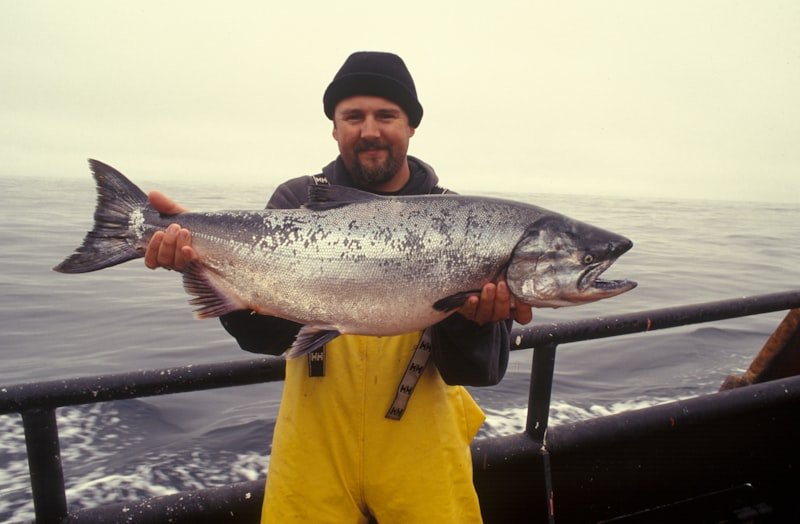
Salmon — Salmon is one of the richest sources of EPA and DHA available. Wild-caught salmon is generally preferred over farmed, as it tends to have a better omega-3 to omega-6 ratio. Cooked salmon (never raw, due to the risk of salmon poisoning disease) makes an excellent occasional addition to your dog’s meals. Remove all bones before feeding. You can read more about the benefits of salmon oil specifically in our detailed guide to salmon oil for dogs.
Sardines — Fresh or tinned sardines (in water or olive oil, never in brine) are a fantastic, affordable source of omega-3. They are also rich in calcium if you feed the soft bones. Sardines are low on the food chain, which means they contain fewer heavy metals than larger fish. A couple of sardines a week can make a noticeable difference to your dog’s coat.
Mackerel — Like sardines, mackerel is a smaller, oily fish packed with EPA and DHA. Atlantic mackerel is a good choice. As with all fish, cook it thoroughly and remove the bones, or buy boneless fillets. Tinned mackerel in spring water is also a convenient option for UK dog owners.
Fish oil — Pure fish oil, usually derived from salmon, anchovies, or sardines, is one of the most concentrated ways to give your dog omega-3. A good quality fish oil should be molecularly distilled to remove impurities. According to Improve International, fish oil supplements can be a useful addition to a dog’s diet when recommended by a veterinary professional.
Flaxseed and flaxseed oil — Flaxseed is a plant-based source of ALA omega-3. While it is not as directly useful as marine omega-3 (because dogs convert ALA to EPA and DHA poorly), it still offers some benefits. Ground flaxseed can be sprinkled on your dog’s food. Flaxseed oil is also available, but keep it refrigerated as it goes rancid quickly.
Eggs — Eggs, particularly those from hens fed an omega-3 enriched diet, contain small amounts of DHA. They are also a great source of protein and other nutrients. Feed eggs cooked, not raw, to avoid the risk of salmonella and biotin deficiency.
Chia seeds — Chia seeds are another plant-based source of ALA. They are easy to add to your dog’s food and also provide fibre, which supports digestive health. Soak them in water first to make them easier to digest.
Best Dog Foods That Contain Omega-3 in the UK
Many premium UK dog food brands now include omega-3 fatty acids as a standard ingredient. If you want to support your dog’s skin health through their everyday meals, here are some options worth considering:
Fish4Dogs Finest Complete — Fish4Dogs is a UK-based brand that uses fish as the primary protein source across their range. Their complete food contains natural omega-3 from salmon and sea fish, making it a solid choice for dogs with skin sensitivities. Available on Amazon UK and from specialist pet retailers.
James Wellbeloved Turkey and Rice — This hypoallergenic food is designed for dogs with sensitive skin and digestion. It contains added omega-3 and omega-6 fatty acids to support coat condition. It avoids common allergens like chicken, beef, and wheat. For more on grain-free options, see our best grain-free dog food UK guide.
Burns Sensitive+ — Burns is a well-respected UK brand that focuses on simple, natural ingredients. Their Sensitive range includes salmon oil as a source of omega-3, and the food is designed to be gentle on the digestive system.
Lily’s Kitchen — Known for their natural approach, Lily’s Kitchen includes salmon oil in many of their recipes. Their food is made in the UK with ethically sourced ingredients and contains no artificial additives.
Simpsons Premium Sensitive — Another UK brand that offers salmon-based recipes rich in natural omega-3. Simpsons Premium is particularly popular among owners of dogs with food sensitivities.
Eden 80/20 — Eden’s range includes recipes with fresh fish and salmon oil, providing excellent levels of EPA and DHA. It is a high-meat, low-carbohydrate food that is popular among raw-feeding enthusiasts who want a convenient kibble alternative.
When choosing a dog food for skin health, look at the ingredients list for explicit mentions of salmon oil, fish oil, or omega-3 supplements. Also check whether the food is labelled as suitable for sensitive skin. Always transition to a new food gradually over 7 to 10 days to avoid stomach upset.
Omega-3 Supplements for Dogs UK
If your dog’s food does not contain enough omega-3, or if they have a specific skin condition that needs extra support, a dedicated supplement may be the answer. Here are the main types available in the UK:
Salmon oil — Salmon oil is the most popular omega-3 supplement for dogs in the UK. It is palatable (most dogs love the taste), easy to add to food, and provides a good balance of EPA and DHA. Look for wild-caught salmon oil that has been molecularly distilled. UK brands like Vet’s Kitchen Salmon Oil, Pooch and Mutt Salmon Oil, and Dorwest Herbs Keepers Mix are widely available. You can find these on Amazon UK and from pet shops across the country.
General fish oil — Fish oil blends made from a combination of fish species (often salmon, anchovy, sardine, and mackerel) can offer high levels of EPA and DHA. Some products are specifically formulated for dogs, while others are human-grade fish oil capsules. If using human capsules, check the dosage carefully and avoid any products with added flavourings or sweeteners like xylitol, which is toxic to dogs.
Algae oil — Algae oil is a plant-based omega-3 supplement that actually contains DHA (unlike flaxseed). It is grown from microalgae, which is where fish get their omega-3 from in the first place. Algae oil is a good option for dogs with fish allergies or for owners who prefer a sustainable, vegan source. It is becoming more widely available in the UK through online retailers.
Krill oil — Krill oil contains omega-3 in phospholipid form, which some studies suggest may be more easily absorbed than the triglyceride form found in standard fish oil. It also contains astaxanthin, a natural antioxidant. However, krill oil can be more expensive than regular fish oil.
For a deeper dive into salmon oil specifically, including dosage charts and brand comparisons, read our full guide to salmon oil for dogs. You may also find our article on anti-inflammatory foods for dogs useful for a broader dietary approach to skin health.
Correct Omega-3 Dosage for Dogs by Weight
Getting the dosage right is important. Too little omega-3 will not give you the results you want, while too much can cause health problems. Always follow your vet’s advice, but here is a general guide based on body weight:
Dogs under 5 kg — Around 100 mg of combined EPA and DHA per day. This is roughly 0.5 ml of a standard salmon oil.
Dogs 5 to 10 kg — Around 200 mg of combined EPA and DHA per day. This is approximately 1 ml of salmon oil.
Dogs 10 to 20 kg — Around 400 mg of combined EPA and DHA per day. This is about 2 ml of salmon oil.
Dogs 20 to 30 kg — Around 600 mg of combined EPA and DHA per day. This is roughly 3 ml of salmon oil.
Dogs 30 to 45 kg — Around 800 mg of combined EPA and DHA per day. This is about 4 ml of salmon oil.
Dogs over 45 kg — Around 1,000 mg of combined EPA and DHA per day. This is roughly 5 ml of salmon oil.
These are general guidelines. The exact dosage depends on the concentration of your particular supplement, so always check the label. Some fish oils are more concentrated than others, so you may need less volume to achieve the same amount of EPA and DHA.
Important Cautions About Omega-3 Overdose
While omega-3 is generally safe, giving your dog too much can cause problems. Here is what you need to watch out for:
Increased bleeding risk — High doses of omega-3 can thin the blood. If your dog is already on medication that affects blood clotting, or if they are due for surgery, speak to your vet before starting omega-3 supplements.
Weight gain — Omega-3 is a fat, and fats contain calories. If you are adding oil to your dog’s food without reducing their regular food portion, they may gain weight over time. Adjust their main meal accordingly.
Diarrhoea and digestive upset — Starting with too much omega-3 too quickly can cause loose stools and stomach discomfort. Always introduce supplements gradually, starting with half the recommended dose and building up over a week or two.
Vitamin E depletion — Very high doses of polyunsaturated fats can deplete the body’s vitamin E stores. Some quality omega-3 supplements include added vitamin E to prevent this. Check the label or ask your vet.
The PDSA recommends always consulting your vet before adding any new supplement to your dog’s diet, especially if your dog has an existing health condition or takes medication.
Omega-3 for Specific Skin Conditions
Omega-3 can be helpful for several common skin conditions in dogs. Here is how it may help with each one:
Allergies
Whether your dog has food allergies, environmental allergies (like grass pollen allergies), or contact allergies, inflammation is usually at the root of the problem. Omega-3 helps reduce the inflammatory response that causes itching, redness, and discomfort. While it will not cure the allergy itself, it can significantly reduce the severity of symptoms and make your dog more comfortable.
For dogs with diagnosed food allergies, combining omega-3 with an appropriate elimination diet can be particularly effective. Read more about managing dog food allergies and the best diet options in the UK.
Atopic Dermatitis
Atopic dermatitis is a chronic allergic skin condition that causes intense itching, usually around the paws, ears, face, and belly. It is one of the most common skin diseases in dogs. Studies have shown that omega-3 fatty acid supplementation can reduce the need for medication in some dogs with atopic dermatitis. It works best as part of a broader management plan that may include medicated shampoos, antihistamines, or other treatments prescribed by your vet.
Hot Spots (Acute Moist Dermatitis)
Hot spots are painful, red, oozing sores that develop when a dog scratches or licks an area of skin repeatedly. They can appear very quickly and often become infected. Omega-3 supports the healing process by reducing inflammation and supporting the skin barrier. It can also help prevent future hot spots by making the skin less itchy in the first place.
Seborrhoea (Dry or Oily Skin)
Seborrhoea is a skin condition that causes either excessively dry, flaky skin or excessively oily, scaly skin. Omega-3 helps restore the natural balance of oils in the skin, which can improve both forms of seborrhoea over time.
How Long Does Omega-3 Take to Work in Dogs?
This is one of the most common questions from dog owners, and the answer requires some patience. Omega-3 is not a quick fix. It works gradually by changing the fatty acid composition of your dog’s skin cells, and this process takes time.
In most cases, you can expect to see the first improvements within 3 to 4 weeks of consistent daily supplementation. Early signs usually include slightly less scratching and a small improvement in coat shine.
More significant improvements, such as visibly reduced redness, fewer flakes, and a noticeably softer coat, typically appear after 6 to 8 weeks. By this point, the omega-3 has had time to build up in your dog’s system and start making a real difference to skin cell health.
For maximum benefit and the full effect on the skin barrier, it can take 8 to 12 weeks. This is particularly true for dogs with chronic skin conditions like atopic dermatitis.
The key word here is consistency. Omega-3 needs to be given every day. Missing doses or stopping and starting will delay results. Think of it as a long-term investment in your dog’s skin health, not a one-off treatment.
Keep a simple diary to track your dog’s progress. Note the frequency of scratching, the condition of their coat, and any changes you notice week by week. This will help you and your vet assess whether the omega-3 is working.
Omega-3 vs Omega-6: Getting the Balance Right
You may have seen omega-6 mentioned alongside omega-3, and it is important to understand the relationship between the two. Both are essential fatty acids that your dog needs, but they have very different effects on the body.
Omega-6 fatty acids promote inflammation. This is not necessarily a bad thing — inflammation is a normal part of the immune response and is needed for wound healing and fighting infection. However, too much omega-6 in the diet can lead to chronic, low-grade inflammation, which contributes to skin problems, joint issues, and other health concerns.
Omega-3 fatty acids, as we have discussed, reduce inflammation and help keep the immune system in balance.
The problem is that most modern dog foods are quite high in omega-6 (from ingredients like vegetable oils, corn, and chicken fat) but relatively low in omega-3. This imbalance tilts the body towards inflammation, which is bad news for dogs with skin conditions.
Experts generally recommend a ratio of roughly 5:1 to 10:1 omega-6 to omega-3. Many standard dog foods have ratios of 15:1 or even higher, which is why supplementation can be so beneficial.
If you are supplementing with omega-3, you do not usually need to worry about adding more omega-6 — your dog is almost certainly getting enough already from their regular food. Focus on increasing omega-3 to restore a healthier balance.
This is another reason why natural food sources of omega-3, like oily fish and salmon oil, are so valuable. They provide EPA and DHA without adding more omega-6 to the diet.
Frequently Asked Questions
Can I give my dog human omega-3 supplements?
Yes, in many cases, but with caution. Human fish oil capsules are generally safe for dogs, as long as they do not contain any toxic additives like xylitol (a common artificial sweetener that is highly dangerous to dogs). Check the label carefully. You will also need to adjust the dosage based on your dog’s weight. However, purpose-made dog supplements are often better value and easier to dose correctly, so they are usually the better option.
Is omega-3 safe for puppies?
Yes, omega-3 is safe and actually beneficial for puppies. DHA is particularly important for brain and eye development in growing pups. However, puppies should receive a lower dose than adult dogs, and you should choose a supplement specifically formulated for puppies or follow your vet’s advice. Never exceed the recommended dosage for a young dog.
Can omega-3 replace my dog’s medication?
No. Omega-3 is a nutritional supplement, not a medicine. While it can help reduce symptoms and may allow your vet to lower medication doses in some cases, you should never stop giving your dog prescribed medication without your vet’s approval. Omega-3 works best alongside proper veterinary treatment, not instead of it.
What if my dog will not eat food with oil on it?
Most dogs love the taste of salmon oil, but if yours is a fussy eater, try mixing the oil in thoroughly with wet food or a small amount of plain yoghurt. You can also try fish oil capsules (pierce them and squeeze the contents onto the food) or use a flavoured supplement designed to be more palatable. Start with a very small amount and increase gradually.
Are there any side effects of omega-3 for dogs?
When given at the correct dosage, omega-3 is very safe for dogs. Possible side effects, usually only seen with excessive doses, include loose stools, fishy breath, and an increased bleeding risk. If you notice any of these signs, reduce the dose or stop the supplement and consult your vet.
Can I give my dog too much omega-3?
Yes. As mentioned in the dosage section, excessive omega-3 can cause digestive upset, weight gain, vitamin E depletion, and blood thinning. Follow the recommended dosage for your dog’s weight and always check the concentration of your specific supplement. If in doubt, ask your vet.
Should I give omega-3 with food or on an empty stomach?
Always give omega-3 with food. Taking it on an empty stomach can cause nausea and digestive upset. The fats in the meal also help your dog absorb the omega-3 more effectively.
Conclusion
Omega-3 fatty acids are one of the most effective natural ways to support your dog’s skin and coat health. Whether your dog suffers from dry skin, itching, allergies, or just has a dull coat, adding omega-3 to their diet can make a real difference over time.
The best approach is a combination of natural food sources (like salmon, sardines, and mackerel), a high-quality dog food that includes omega-3, and a dedicated supplement if needed. Salmon oil remains the most popular and convenient choice for UK dog owners, offering an excellent balance of EPA and DHA in a form that most dogs find delicious.
Remember that omega-3 is not an overnight solution. Give it at least 6 to 8 weeks of consistent daily use before judging the results. Keep track of your dog’s progress and work closely with your vet to find the right dosage and approach for your dog’s specific needs.
At dogfoodsuk.com, we believe that good nutrition is the foundation of good health. For more advice on feeding your dog for optimal wellbeing, explore our other guides on anti-inflammatory foods for dogs, the best grain-free dog food in the UK, and much more.
Always consult your vet before starting any new supplement, especially if your dog has an existing health condition, is pregnant or nursing, or takes medication. The information in this article is for educational purposes only and is not a substitute for professional veterinary advice.