
As dog owners, we all want to give our dogs the best food. But in the process, we sometimes end up giving them foods that aren’t beneficial for them, and the interesting thing is that we don’t even realize it. Just as not everything is good for humans, not everything is perfect for dogs either.
When veterinarians are asked which foods they never give their dogs, their answers are quite surprising. From raw diets to common household kitchen foods, there are some things that look fine but can actually be harmful to dogs, even in small quantities.
At DogFoodsUK.com, our mission is to review hundreds of dog foods, and we’ve also spoken to pet parents across the UK. So we understand how confusing and important this topic can be.
In this guide, we’ve compiled top dog food reviews from the ASPCA, PetMD, and other trusted sources. Experts’ insights are combined in a simple way, so you can make better and safer decisions for your dog.
We’ll also tell you which foods you should absolutely avoid, why they’re dangerous, and share some practical tips so you can easily keep your dog safe without any problems.
Why Vets Are So Strict About Their Own Dogs’ Food
Veterinarians see cases every day where dogs are brought to the emergency room because they have ingested something toxic. This is why many vets are extra cautious when it comes to their own pets.
When vets were asked this very question in a popular Huffington Post feature, their answers were quite interesting. The medical director of a large veterinary chain listed raw pet food as a “top avoid list.” Other vets also pointed to fatty human food, chocolate, grapes, and low-quality kibble.
These same concerns were reiterated in a separate interview series (Veterinary Secrets). These aren’t just random opinions; they’re the opinions of experts, based on years of clinical experience and science.
The good news is that avoiding these foods isn’t difficult. You just need to know what to avoid. And when you choose high-quality, balanced dog food like the ones we regularly review at DogFoodsUK.com.
You can regularly follow trusted resources like these to get up-to-date information on what to do and what not to do. This way you can remain tension-free, and your dog will also remain safe and get proper nutrition.
What Dog Food Do Vets NEVER Feed Their Pets
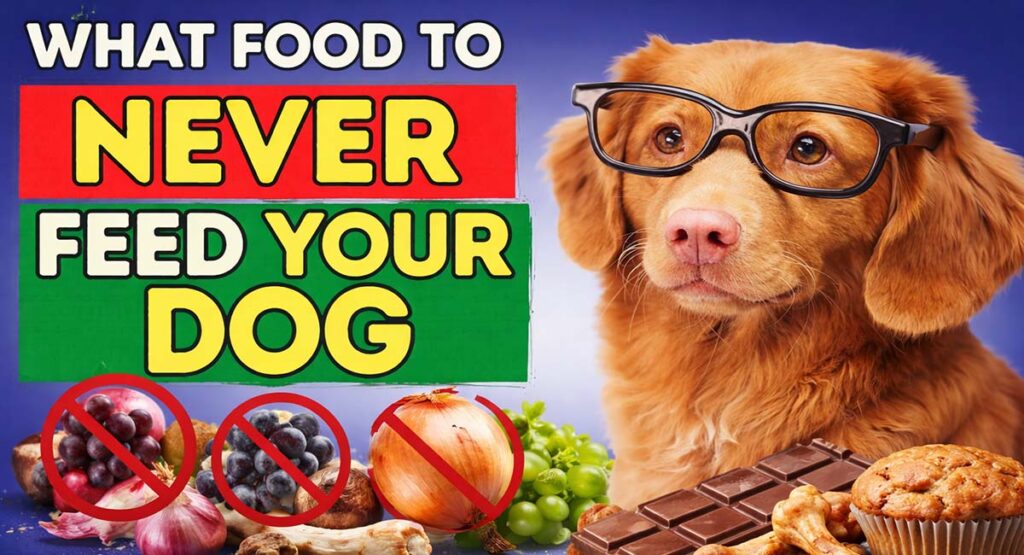
All the dog foods mentioned in this list are foods that experts recommend avoiding. But the problem is that in daily life, we often give these things to our dogs without realizing that we are harming their health.
Raw Pet Food: The Controversy Vets Often Highlight
Many people prefer a raw diet because of its natural benefits, but many vets never feed raw food to their own dogs. The biggest concern is that raw meat, poultry, and fish may contain harmful bacteria such as Salmonella, E. coli, and dysentery.
According to FDA research, the risk of contamination in raw pet food samples is significantly higher than in dry pet food. These bacteria not only affect your dog, but can also be spread to you and your family through handling, especially dog waste. This is especially risky for people with weakened immune systems and for young children.
Furthermore, many raw diets are not properly balanced. If you choose a cheap or low-quality brand that lacks proper formulation and testing, your dog may not get the necessary nutrients or face an increased risk of infection, which can lead to long-term health issues.
Yes, some experienced vets use controlled and carefully sourced raw diets, but only with proper guidance. The point here is not to scare you, but to make you aware of the risks.
If you want to try a raw diet, always choose trusted and properly tested brands and be sure to consult your vet first.
For most families, high-quality cooked or pre-made balanced dog food is the safest and most practical option.
High-Fat Foods Like Bacon
Bacon, sausages, fried cheeses, and fatty table scraps may seem like a treat, but they’re the fastest way to send your dog to the vet clinic. Vets often see dogs develop pancreatitis (PEA) after just one high-fat meal.
In this condition, the pancreas becomes inflamed, causing severe vomiting, diarrhea, abdominal pain, and low energy. Some dogs recover with treatment, but others may require hospitalization and face lifelong digestive problems.
Even small amounts can be dangerous depending on the dog’s breed and health. Bacon grease and hummus are especially risky for small breeds or dogs with sensitive stomachs.
Furthermore, these foods are also high in salt, which puts extra strain on the kidneys.
The easy solution is to stick to lean, dog-safe treats and occasionally offer small amounts of cooked chicken breast. Your dog will still be happy without an emergency vet visit.
If your dog is sensitive, already sick, or has previously experienced similar issues, you should take extra care of its diet and feed it with proper planning.
Chocolate: A Sweet Treat That Can Be Deadly
We all know how much children love chocolate. They eat it themselves and sometimes even feed it to their dogs, which is completely unhealthy for them. We know that chocolate is harmful for dogs, but children don’t understand this. They think that whatever they like will be liked by their dogs too.
So, as adults, it’s our responsibility to educate and prevent them from feeding chocolate to their dogs, so that their health is protected.
Chocolate contains theobromine and caffeine, and dogs process these substances very slowly. Compared to humans, dark chocolate and cocoa powder are the most dangerous.
Symptoms can begin within a few hours, including diarrhea, heartburn, difficulty breathing, body tremors, seizures, and in severe cases, heart failure.
The darker the chocolate, the more concentrated it is, so even small quantities can be dangerous.
Trusted sites like Huffington Post Vets and PetMD also clearly place chocolate on the “never feed” list. Therefore, always keep chocolate out of your dog’s reach, especially during holidays when there are a lot of chocolates in the house.
Be sure to teach your children not to feed chocolate to dogs.
If you think your dog has eaten chocolate, immediately note the type and quantity and call your vet or the Pet Poison Helpline. Time is very important here, so don’t be careless.
Grapes, Raisins, and Currants: Small Fruits, Serious Kidney Risk
This is something that always surprises many dog owners:
Grapes and raisins are toxic to dogs. Even just 1 or 2 grapes can cause sudden kidney failure in some dogs. When people are asked about this, they are often surprised because they didn’t know it before.
Scientists are still not 100% sure what the exact reason is. It may be a compound in the skin of grapes, but the risk is very real and unpredictable.
Symptoms usually begin within 24 hours, such as:
- Frequent vomiting
- Loss of appetite
- Low energy
In severe cases, dogs may require intensive care, and recovery can be difficult.
Trusted sources like the ASPCA and PetMD also place grapes on the “completely avoid” list, including foods like trail mix, baked items, or anything containing raisins or grapes.
If your dog eats even one grape:
- Contact the vet immediately
- Clearly explain the entire situation
Early treatment can make a big difference.
Xylitol: A Hidden Danger in “Sugar-Free” Products
Xylitol is a natural sweetener found in sugar-free gum, mints, peanut butter, baking items, toothpaste, and some medications. It is safe for humans, but highly toxic to dogs.
It suddenly causes dangerously low blood sugar (hypoglycemia), leading to:
- Vomiting
- Weakness
- Seizures
And in high doses, even liver failure
Some dogs become seriously ill from just a small amount (like one piece of gum).
These days, even sugar-free and low-carb products (even toothpaste) contain xylitol, and people often don’t check labels a big mistake.
The FDA and other authorities have issued special warnings on this because it’s easy to miss.
Safety tips:
- Always check product labels.
- Use 100% natural peanut butter (no added sweeteners).
- Always store sugar-free products out of reach of your dog.
With a little awareness, you can save your dog from a significant risk.
Poor-Quality Dry Kibble: What Many Vets Avoid
Not every kibble is of the same quality. In one vet interview, an expert explicitly stated that she would never give her dog cheap, corn-heavy kibble.
The problem is that many budget brands list corn or wheat as the top ingredient. These are essentially empty carbs meaning they have low nutritional value. Furthermore, some brands use ingredients from unclear sources (such as “meat by-products”) and add artificial colors, flavors, and preservatives (such as BHA and BHT).
Long-term studies have linked these additives to health concerns. Additionally, dry kibble has been recalled several times in the past due to contamination, sometimes even more so than raw food.
Therefore, at DogFoodsUK.com, we always recommend carefully checking the ingredient list.
What to look for:
- The first ingredient should be a named meat (e.g., chicken, beef).
- “Meat meal” may also be used, but the source should be clear.
- Contain natural preservatives (e.g., vitamin E).
- Avoid artificial colors/flavors.
Also, choose foods that follow AAFCO standards and are regularly tested.
Other Common Foods Vets Say to Skip
To round out the list, here are a few more everyday items that top vet “never” lists:
- Onions, garlic, chives, and leeks (raw, cooked, or powdered) – damage red blood cells and can cause anaemia.
- Macadamia nuts – cause weakness, vomiting, and high temperature.
- Avocado – the persin in the flesh and pit can upset stomachs (worse for birds and other pets).
- Alcohol, coffee, and caffeine – affect the heart and nervous system.
- Cooked bones – can splinter and cause choking or internal damage.
Keeping these off the menu prevents a lot of heartache.
How to Choose Safe Food and Treats Every Day
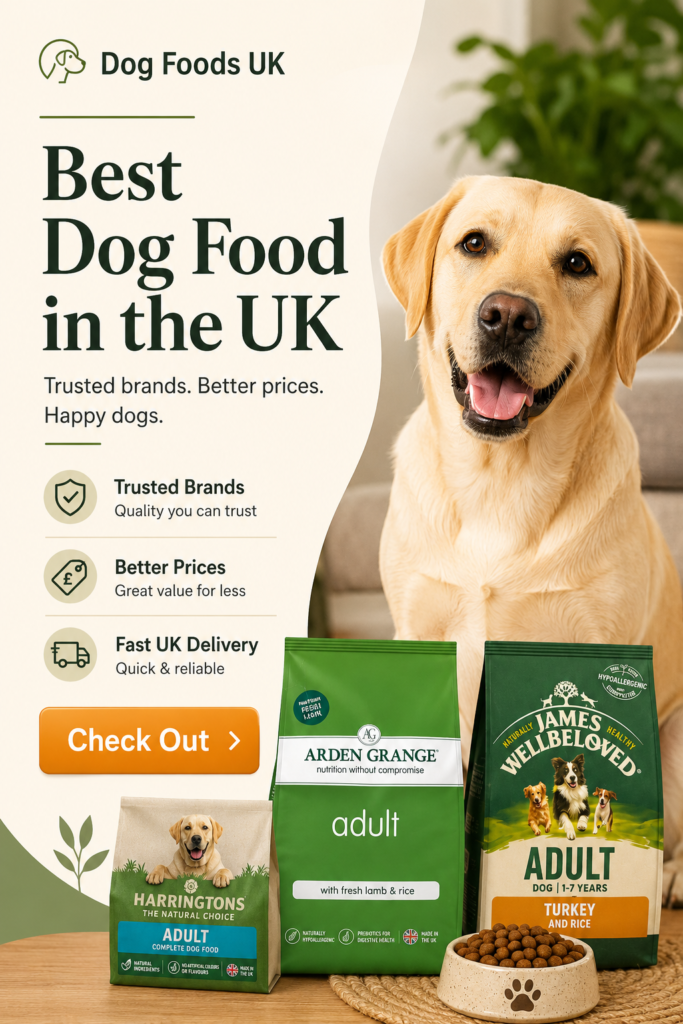
The easiest way to keep your dog safe is to provide a complete and balanced diet from a trusted brand. At dogfoodsuk.com, we test and review dog foods available in the UK based on quality, ingredient transparency, and real results.
Quick checklist:
- The first ingredient should always be a named meat (chicken, salmon, lamb).
- No “by-products” or excessive fillers.
- Only natural preservatives should be used.
- Clear feeding guidelines and AAFCO or FEDIAF compliance.
- Bonus: If needed, include joint support or digestive aids.
Watch labels carefully, rotate proteins occasionally, and keep human food only an occasional treat – don’t make it a daily habit.
What to do if your dog eats something wrong?
First, stay calm. Note what they ate and how much. Immediately call your vet or emergency clinic – most places have a 24-hour helpline. If the food may contain xylitol or chocolate, keep its packaging ready.
Never try home remedies on your own unless specifically recommended by a vet. Fast action saves lives.
Final Thoughts: Keep it Simple and Safe
Your dog doesn’t need fancy or exotic food to stay healthy. If you’re curious about specific foods like mushrooms, check out our article on can dogs eat mushrooms – just consistent, high-quality nutrition without hidden risks. By avoiding foods that vets themselves avoid, you are giving your dog the best and healthiest life possible.
If you want to look for safe options or honest reviews of UK dog foods, or if you’re wondering whether dogs can eat meat safely, visit dogfoodsuk.com. Here you will find clear guidance so you can easily make the right choice.
Your dog will thank you with a wagging tail, bright eyes, and many happy years ahead.
References & Further Reading (simple version):
Huffington Post / Truth About Pet Food – Vets’ opinions
ASPCA Poison Control – Which foods to avoid
PetMD – What dogs can’t eat
Veterinary Secrets – Expert vet advice
FDA – Pet food safety and recalls
Note: This information is for educational purposes only. Always consult your vet for personalized advice for your dog.