
Protein is the most important nutrient in a dog’s diet. It helps build strong muscles, healthy skin, a shiny coat, steady energy, body repair, and overall growth. Whether a dog is a playful puppy, an active adult, or a senior dog, quality dog protein plays a vital role in keeping their body healthy and strong.
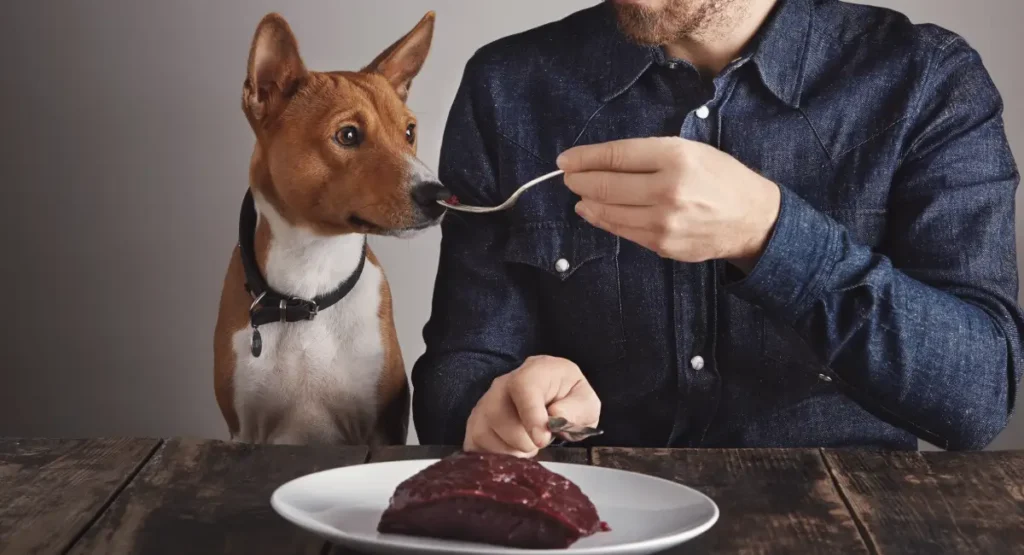
When we talk about a high-protein natural diet for dogs, meat is often the first thing that comes to mind. And honestly, most dog owners agree, because dogs have eaten meat since ancient times. Before modern commercial dog food became common, dogs relied mostly on real animal-based food, leftovers, hunted food, and natural protein sources. For this reason, many owners still consider meat a more natural and healthy option than heavily processed dog food.
But real meat isn’t the only option. The real question isn’t whether dogs can eat meat. The real question is whether dogs can safely consume meat as part of a high-protein natural diet. While meat is certainly nutritious, not every type of meat is safe for dogs.
Raw meat, cooked meat, fatty meat, processed meat, and seasoned meat all of these can have different effects on a dog’s body. Meat can provide dogs with high-quality protein, essential amino acids, iron, zinc, B vitamins, and healthy fats. These nutrients support a dog’s muscles, energy levels, coat condition, and overall health.
But meat alone is not a complete diet for dogs. Dogs also need a proper balance of vitamins, minerals, fiber, calcium, and other nutrients to remain healthy long-term.
According to many large pet food companies and trusted websites, dog food should be balanced. Dog food should not focus on just one nutrient. Only when a diet is complete and balanced is it truly beneficial for dogs.
In this article, we’ll look at whether dogs can eat meat, which meats are safe, whether raw meat is better or cooked meat, the benefits of meat, the potential risks, and how UK dog owners can add meat to their dog’s diet in a safe and balanced way.
Can dogs eat meat?
Yes, dogs can eat meat and naturally dogs eat meat. Their gut structure and digestive enzymes also show that their history is connected to eating animal-based food. But it is important to understand an important point here. Plain, safe and fresh meat can be beneficial for dogs if it is part of a balanced diet.
However, if you feed your dog only meat for the long term, serious nutritional problems can arise. Dogs do not only need protein to stay healthy. Their bodies also need the proper balance of vitamins, minerals, and other natural nutrients.
Why do dogs need meat?
Meat provides dogs with a good amount of protein, which their bodies can easily utilize. Protein helps build strong muscles, maintain healthy skin and coat, provide daily energy, repair damaged body tissues, and strengthen the immune system.
Dogs are technically omnivores, meaning they can eat and digest plant-based foods. But their bodies utilize animal protein better than plant protein. Meat provides dogs with 10 essential amino acids that their bodies cannot produce. So, when you give your dog quality meat, you’re providing them with a complete and useful protein source.
Benefits of meat for dogs
Feeding meat to a dog as part of a balanced diet can be very beneficial for its health. It provides real benefits to the dog’s body, provided the diet is not just meat-based, but well-balanced.
- Meat helps build strong muscles in dogs, as protein is the main building block of lean muscle. Including the right amount of meat in the diet can be very helpful for active dogs, working dogs, and growing puppies.
- Meat is also good for skin and coat health. The amino acids it contains help keep a dog’s fur thick, healthy, and shiny.
- Meat also provides a dog with daily energy. The dog’s body easily utilizes this energy, allowing the dog to feel active and fresh throughout the day.
Dogs that are picky about food often enjoy the taste of real meat. Therefore, meat can be helpful for dogs that are fussy about eating dry kibble. Some dogs also digest meat more easily than grains or plant-based fillers.
Raw meat vs cooked meat
This is one of the most discussed topics in dog nutrition. Some people say that raw meat is more natural for dogs and retains more nutrients. But on the other hand, vets and pet health experts seriously consider the risks of raw meat.
Raw meat can contain harmful bacteria, such as Salmonella, E. coli, Listeria, and Campylobacter. These bacteria can pose a risk not only to the dog but also to other household members. Therefore, extra care is needed when handling raw meat.
According to the FDA, the chance of harmful germs entering raw pet food is higher than with cooked commercial pet food. For this reason, the American Veterinary Medical Association (AVMA) does not recommend raw feeding.
The Food Standards Agency in the UK also says that raw pet food should be handled with the same care as we handle raw meat for human consumption. A UK survey found harmful bacteria in 35% of raw pet food samples. The British Veterinary Association also advises caution when feeding raw.
Therefore, plain cooked meat is a safer option. You can boil, steam, or bake the meat, but do not add salt, spices, onion, garlic, or seasoning. Cooking kills harmful bacteria and preserves most of the meat’s protein and important nutrients, which are useful to the dog’s body.
Can dogs eat raw meat safely?
Some dogs handle raw meat without any apparent problems. But this doesn’t mean raw meat is safe for every dog. Also, remember that humans handling raw meat can be at risk.
According to a Cornell University veterinary study, eating raw meat can increase the risk of Salmonella bacteria spreading in dogs. This means that even if your dog appears perfectly fine on the outside, they can still spread the bacteria through their poop.
According to VCA Animal Hospitals, almost 25% of their raw food samples tested tested positive for harmful bacteria. These numbers show that raw feeding poses a real risk, not just a theory.
If you still want to feed raw meat, it’s important to take great care with hygiene. Use a separate cutting board for raw meat, wash your hands thoroughly, store meat properly, and keep kitchen surfaces clean. But even with thorough cleaning, the risk of bacteria is not completely eliminated.
Which meat is best for dogs?
Generally, many dog owners assume that all types of meat are safe for dogs, because if it’s meat, it’s obviously good for the dog. But this idea isn’t entirely correct.
Not all meat is healthy or safe for dogs. Some meats can be safely given to dogs, but others can cause problems with their stomach, digestion, or overall health. Therefore, before giving meat to a dog, it’s important to understand which meats are safe.
Chicken
Chicken is the most common meat in commercial dog food, and the reason is obvious. It’s affordable, easily available, and considered a good protein source for dogs.
According to Arden Grange’s nutritional analysis, chicken has a high biological value. In simple terms, this means that a dog’s body can effectively utilize chicken protein.
Most dogs digest chicken easily. Therefore, chicken is often considered a safe and useful meat option for puppies, adult dogs, and normal healthy dogs, as long as the chicken is cooked plain and free of salt, spices, onion, garlic, or seasoning.
Turkey
Turkey is a leaner meat than chicken, meaning it has less fat. It’s also generally gentler on a dog’s digestion, so some dogs can easily digest it.
According to Dog Food Advisor, turkey is considered one of the best meat options for dogs with sensitive stomachs. If your dog struggles with chicken or has an upset stomach, plain-cooked turkey may be a better option.
Always cook turkey plain. Don’t add salt, spices, onion, garlic, butter, or seasonings, as these can be harmful to dogs.
Beef
Beef provides dogs with good protein and iron. It can be a useful option for dogs that need a high-energy diet, such as active dogs or those that need to gain weight.
But beef isn’t perfect for every dog. Some dogs may develop a beef allergy or stomach problems over time. So, if you’re giving beef to your dog, start with a small amount and see if your dog experiences itching, vomiting, loose stools, or skin problems.
Beef should always be plainly cooked. Do not add salt, spices, onion, garlic, oil, or seasonings to it, as these things can be harmful to dogs.
Lamb
Lamb is a tasty meat option for dogs, and many dogs enjoy it. It can be a good alternative protein for dogs with chicken or beef allergies, itching, or digestion problems.
If your dog can’t tolerate chicken or beef, plain cooked lamb can be tried. However, lamb is usually more expensive than chicken and beef, so it’s not an easy option for every owner’s budget.
When feeding lamb, follow the same rules: cook the meat plain, avoid overly fatty pieces, and avoid adding salt, spices, onion, garlic, or seasoning.
Duck
Duck is a rich meat option for dogs, meaning it has a strong flavor and is lower in fat than chicken or turkey. This can be useful for dogs that need extra calories, such as very active dogs or dogs that are gaining weight.
However, duck should not be fed in large quantities, as the high fat content can upset the stomachs of some dogs. Therefore, it is best to feed duck in moderation.
Always feed duck in plain cooked form. Do not add salt, spices, onion, garlic, butter, oil, or seasonings. It is also better to limit fatty skin, especially if the dog has a sensitive stomach or is already overweight.
Fish
Fish can be a good protein source for dogs. It contains omega-3 fatty acids, which support joint health, brain function, and coat condition. In simple words, fish can help keep a dog’s fur healthy and shiny, support body movement, and improve overall health.
According to The Whole Dog Journal, all bones should be removed before feeding fish to a dog. Fish bones can be small and sharp, which can cause problems in a dog’s throat, stomach, or digestion.
Fish should always be given in plain cooked form. Do not add salt, spices, oil, butter, onion, garlic, or seasonings. Fried fish or heavily seasoned fish are not safe options for dogs.
Meat dogs should avoid
Many meats that humans enjoy can be dangerous for dogs. Processed meats, such as bacon, ham, sausage, and salami, should be avoided first. These foods are high in salt, preservatives, and fat, which can cause serious problems in dogs, such as stomach upset, sodium poisoning, and pancreatitis.
Spicy meat, fried meat, and meat with excessive spices should also be avoided. Onions and garlic are toxic to dogs. According to the Merck Veterinary Manual and the ASPCA, onions and garlic are among the most toxic foods. Even small amounts of these can damage a dog’s red blood cells.
Never feed cooked bones to dogs. Cooked bones can splinter into sharp pieces that can damage a dog’s throat, stomach, or digestive system. Similarly, spoiled or moldy meat is also dangerous and can cause severe food poisoning in a dog.
Can dogs eat steak and beef?
Plain steak can be fine for dogs in small amounts. But the most important word here is plain. Steak should absolutely not contain salt, butter, garlic, onion, sauce, or cooked bones.
Lean beef cuts are better than fatty cuts. Therefore, it is best to avoid highly fatty pieces like ribeye or T-bone, as excess fat can upset a dog’s stomach.
If your dog has never eaten beef before, introduce it slowly. Give a small amount first and then observe the dog’s reaction. Some dogs may develop an allergy to beef, which usually manifests as itchy skin, ear infections, loose stools, vomiting, or digestion problems.
If you want to choose ready-made quality meat-based dog food, sites like All About Dog Food UK can be helpful, as they provide detailed reviews of commercial dog food options for UK dog owners.
Can dogs eat chicken?
Plain boiled chicken is a very popular choice among dog owners. Vets often recommend boiled chicken for dogs with upset stomachs, usually with plain white rice. It’s a light food and most dogs digest it easily.
But chicken alone isn’t a complete diet for a dog. It doesn’t contain enough calcium, some important vitamins, and healthy fats that dogs need for long-term health.
So use boiled chicken as a supplement, treat, or short-term recovery food. Don’t use it as a replacement for your dog’s full daily diet, as it can create a nutritional gap over time.
Can puppies eat meat?
Puppies can eat meat, but their nutritional needs are more sensitive than those of adult dogs. Growing puppies’ bodies are growing rapidly, so they need not just meat, but a proper balanced diet.
According to the AAFCO guidelines referenced in the Merck Veterinary Manual, growing puppies need a minimum of 22.5% protein in their diet. This is much higher than the 18% minimum protein for adult dogs. This simply means that puppies need more protein for growth.
The balance of calcium and phosphorus is also very important for puppies. According to the Royal Canin Academy, the calcium-to-phosphorus ratio for growing puppies should be roughly between 1:1 and 1.3:1. If this balance is off, it can cause long-term problems for a puppy’s bones and body growth.
Therefore, do not feed homemade raw or cooked meat to puppies on your own, unless guided by a vet. Commercial puppy food formulated according to AAFCO standards for puppies is a safer option, as it contains the nutrients needed for growth in a balanced form. Websites like Dog Food Advisor can also be helpful for reliable puppy food reviews.
Can senior dogs eat meat?
Senior dogs can eat meat, but their health needs change as they age. Therefore, meat that is appropriate for a young or adult dog may not necessarily be appropriate for a senior dog.
If a senior dog has kidney disease, they often require a lower-protein diet. Liver problems may require careful adjustment of the amount of fat and protein. If the dog has pancreatitis, a low-fat diet is especially important.
But if your senior dog is healthy, meat can still be a good protein source. Lean meats like chicken breast or turkey are better options for older dogs, especially those that are no longer as active.
Always check with a vet before changing a senior dog’s diet, as even small dietary mistakes in old age can worsen health problems.
Is only meat enough for dogs?
No, feeding a dog a meat-only diet can be dangerous. Dogs need more than just protein to stay healthy. They also need calcium for strong bones, minerals for body functions, vitamins for immune health, fats for energy and cells, and fiber for digestion.
Research published on ResearchGate discusses the nutritional risks of meat-only diets. Such diets are low in digestible carbs and fiber, and may also pose long-term risks to kidney health. PetMD also confirms that a balanced dog diet requires a proper mix of protein, fats, carbohydrates, vitamins, and minerals.
Feeding a dog only meat is like a human eating only chicken breast for years. They may survive, but their health will slowly begin to suffer. The same is true for dogs. Meat alone is not a complete diet for them.
Meat as a food topper
A practical way to add meat to a dog’s diet is to use it as a topper. In simple terms, sprinkle a little plain cooked meat on top of regular kibble. This can interest picky dogs and add a little variety to their diet.
But the problem here is not to overdo it. If the amount of topper becomes too much, the dog may develop a habit of eating only the tasty meat on top, leaving the balanced food underneath. Then, it may start refusing regular food.
So, keep the meat topper a small part of the meal. Roughly 10% to 15% of the total meal is enough meat topper. If fresh meat seems difficult to prepare, you can also check out quality meat-based dog foods on Amazon UK, where convenient ready-made options are available.
Dog health problems related to meat
Feeding meat incorrectly can create various health problems for dogs. Therefore, it’s not enough to simply check whether the meat is safe, but also the quantity, form, and method of feeding.
Below are some common problems dog owners may notice when feeding meat, and what they usually mean.
Vomiting after eating meat
A sudden diet change, excessive fatty meat, or bacteria in raw meat can cause a dog to vomit. If the dog is trying a new meat for the first time, it can sometimes be a reaction to the body.
If vomiting occurs only once and the dog seems normal afterward, is active, and is drinking water, it may be just a temporary reaction to the new food. However, if vomiting occurs repeatedly, the dog appears weak, refuses food, or is accompanied by loose stools, it should be taken to the vet.
Loose stool or diarrhoea
Introducing raw meat, excessively fatty meat, or new protein too quickly can upset a dog’s digestion. This can cause loose motions, gas, vomiting, or stomach discomfort.
So, whenever you add new meat or protein to your dog’s diet, start slowly. Give a small amount first, then observe the dog’s reaction for a few days. If everything is normal, gradually increase the quantity.
It’s best to make the transition over several days so the dog’s stomach can adjust to the new food.
Dog refuses kibble after meat topper
This is a common problem among dog owners. When the dog gets too much meat topper, it may ignore the balanced food below and wait only for the tasty meat.
To fix this problem, slowly reduce the amount of topper. Do not stop meat immediately, otherwise the dog may refuse more food. First add a little meat, then gradually reduce the amount until the dog accepts its regular balanced food again.
Beef intolerance and skin allergies
Some dogs can develop sensitivities or allergies to specific proteins. Beef is one of the meats that can cause problems for some dogs.
If your dog experiences itchy skin, hot spots, frequent ear infections, loose stools, or digestion problems after eating beef or any other meat, don’t ignore it. This could be a sign of a food sensitivity.
In such a case, talk to your vet about an elimination diet. Elimination diets usually involve removing the suspected food for a time and observing the dog’s reaction. Sometimes the problem is solved simply by changing the protein source, such as trying turkey, lamb, fish, or another suitable protein instead of beef.
Pancreatitis warning
This problem is serious. Excessive fatty meat can trigger acute pancreatitis in dogs. In simple terms, pancreatitis is a painful condition that causes inflammation and irritation of a dog’s pancreas.
VCA Animal Hospitals and PetMD both warn that high-fat meals can be dangerous for dogs, especially those already at risk for pancreatitis.
According to the Purina Institute, dogs at risk for pancreatitis should have a fat content of 10% or less in their diet on a dry matter basis.
So avoid giving dogs fatty meat, oily meat, fried meat, bacon, sausage, or meat pieces with high fat content. If you want to give meat to your dog, choose lean meat, such as chicken breast or turkey, and always give it in plain cooked form.
Sensitive stomach
If your dog has a sensitive stomach, lean proteins are usually the safest choice. Meats like turkey, chicken, and white fish are considered gentle on dogs’ digestion.
PetLab Co UK also recommends these lighter protein options for dogs with digestive issues. These meats aren’t overly fatty, so dogs with sensitive stomachs often digest them easily.
But always introduce new proteins slowly. Give a small amount first, then observe the dog’s reaction. If there are no problems like vomiting, loose motions, gas, itching, or food refusal, the quantity can be gradually increased.
How much meat should a dog eat?
The same amount of meat is not correct for every dog. The right amount depends on the dog’s size, age, health, activity level, and daily diet. Therefore, when feeding meat, consider not only the dog’s preferences but also its overall nutritional needs.
If you are giving meat as an occasional treat, a few small pieces are sufficient. If you are using meat as a daily topper, keep it to less than 15% of the total meal. This provides the dog with flavor and extra protein, without disrupting its balanced diet.
If you want to feed your dog a meat-heavy or homemade diet, it is important to seek guidance from a vet or veterinary nutritionist. Homemade diets should have the right balance of protein, calcium, vitamins, minerals, fats, and fiber.
Large breed dogs require more protein overall because of their larger body size. Small breed dogs eat less food overall, but they still need the proper amount of protein for their body weight.
If you’re still unsure about how much meat or protein you should give your dog, your best bet is to contact your vet. Your vet can consider your dog’s age, weight, health condition, activity level, and overall diet to provide a better guide on how much protein is appropriate for your dog and which dog food may be the best option.
This is the safest and healthiest way to prevent long-term health problems for your dog. Many dog owners hesitate to contact a vet and then change their diet on their own. This mistake can be dangerous for your dog’s health.
That’s why it’s important to keep your vet updated on your dog’s health. Regular guidance will help you know when to make changes to your dog’s diet and reduce the risk of major health problems in the future.
Frequently asked questions
Can dogs eat meat every day?
Yes, as part of a balanced diet. Most commercial dog foods contain meat as a primary ingredient. The key is that meat should not be the only thing your dog eats.
Is cooked meat better than raw?
Cooked is generally safer. Cooking eliminates harmful bacteria while retaining the protein and most nutrients your dog needs. If you want to explore raw feeding, talk to your vet first.
What meat is best for dogs in the UK?
Chicken, turkey, and lean beef are the most accessible and well-tolerated options for UK dog owners. Lamb works well as an alternative for dogs with common protein sensitivities.
Can dogs eat supermarket meat?
Plain, unseasoned cuts from the supermarket are fine. Avoid anything with marinades, sauces, added salt, or flavourings. Check the ingredients list carefully.
Can dogs eat lamb?
Yes. Lamb is a good alternative protein, especially for dogs with sensitivities to chicken or beef. It is more expensive but highly palatable.
Can dogs eat pork?
Plain cooked pork is okay, but it must be fully cooked through. Raw pork carries a risk of trichinosis, a parasitic infection. Pork is also relatively fatty, so keep portions small.
Can meat cause diarrhoea?
Yes. Sudden introduction of new meat, raw meat, or fatty meat can all trigger loose stools. Introduce any new food gradually over five to seven days.
Can dogs eat cooked bones?
No. Cooked bones become brittle and can splinter, causing internal punctures, blockages, and bleeding. This is one of the most dangerous things you can feed a dog.
Can dogs eat meat with rice?
Yes. Plain boiled chicken and white rice is one of the most commonly recommended bland diets for dogs with upset stomachs. It is gentle, easy to digest, and most dogs will eat it willingly.
Should I ask a vet before raw feeding?
Always. A vet can assess your dog’s individual health needs and help you understand the real risks of raw feeding, including bacterial contamination and nutritional gaps.
Meat is a natural and valuable part of a dog’s diet. If you’re exploring other human foods, you might also want to read about can dogs eat mushrooms. But natural does not mean simple. Feeding meat safely means cooking it plain, avoiding toxic foods and additives, keeping portions reasonable, and making sure your dog’s overall diet is nutritionally complete. Your vet is the best person to guide you on what works for your specific dog.