
Introduction
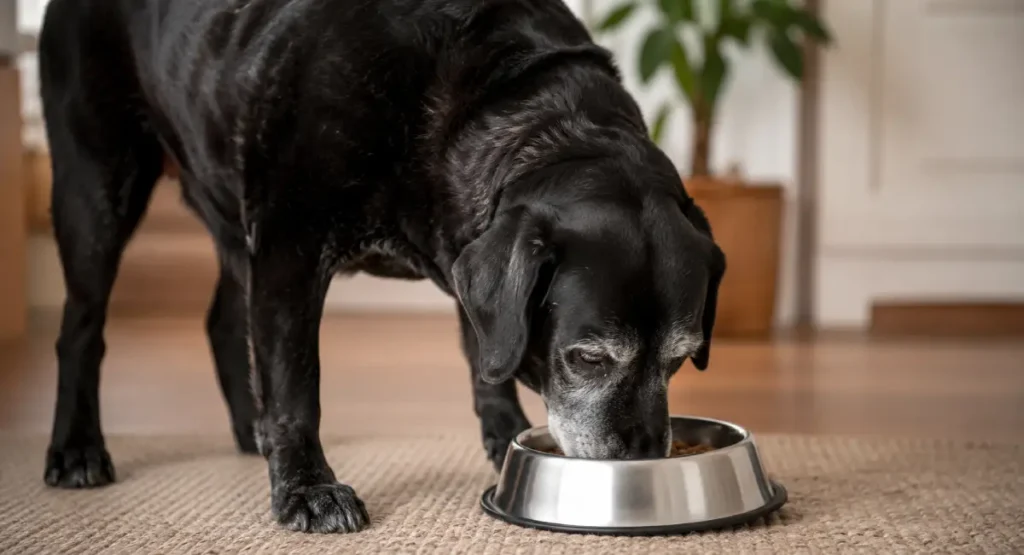
Watching your dog grow old is one of the most bittersweet parts of being a pet owner. Each year, the gray hairs around the muzzle become more and more visible. Walks become shorter. Sleeps become longer. And along with these soft changes, your dog’s nutritional needs also change in significant ways, which are often easily overlooked.
At DogFoodsUK, we believe that every stage of your dog’s life deserves the right nutrition. Choosing the best senior dog food in the UK isn’t just about picking a bag that says “Senior” on the front. This means understanding how aging affects your dog’s body, which nutrients they need more of, and which ingredients can help them stay comfortable and active for longer.
This guide covers everything about feeding older dogs in the UK. We discuss when dogs are considered senior, how their nutritional needs change, which brands perform better, and how common health concerns can be managed through diet.
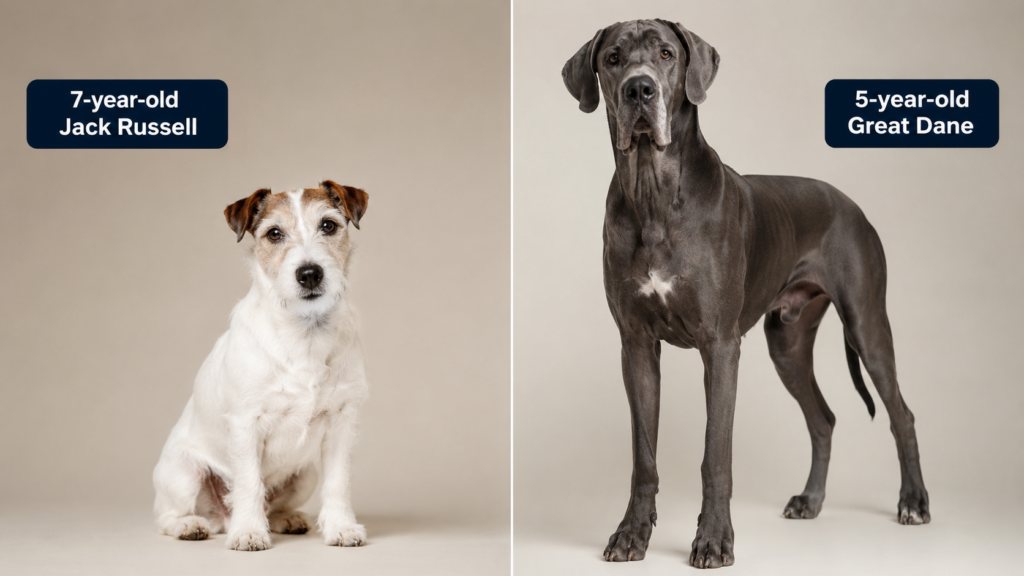
Whether your dog is a 7-year-old Jack Russell or a 5-year-old Great Dane, these articles will help you make confident and informed feeding decisions.
Before making any significant changes to your senior dog’s diet, we always recommend that you talk to your vet. Every dog is different, and professional advice is crucial for managing age-related health conditions.
When Is a Dog Considered a Senior?
One of the most common questions dog owners ask is: “When does my dog become a senior?” The answer is not a single age. It depends largely on your dog’s breed and size. Smaller dogs tend to live longer, so they reach their senior years later. Larger breeds age more quickly and have shorter lifespans overall.
According to guidance from the PDSA and the UK Pet Food Association, here is a general breakdown of when dogs are considered senior by breed size:
- Small breeds (under 10 kg): Senior at 7-8 years. Examples include Toy Poodles, Chihuahuas, and Jack Russell Terriers. Many small dogs live well into their mid-teens.
- Medium breeds (10-25 kg): Senior at 6-7 years. Examples include Springer Spaniels, Beagles, and Border Collies.
- Large breeds (25-45 kg): Senior at 5-6 years. Examples include Labradors, Golden Retrievers, and German Shepherds.
- Giant breeds (over 45 kg): Senior at 4-5 years. Examples include Great Danes, Irish Wolfhounds, and Saint Bernards. These breeds have the shortest average lifespans.
These are guidelines rather than strict rules. Some dogs show signs of ageing earlier or later than expected. You might notice your dog slowing down on walks, gaining weight more easily, or becoming stiffer after rest. These are all signals that their body is changing and their diet may need to adjust accordingly.
Many UK dog food brands now label their senior products with specific age ranges rather than a single “senior” label. You will often see foods marketed for dogs aged 7+, 8+, or even 12+. Pay attention to these ranges and match them to your dog’s breed size and individual health.
How Your Dog’s Nutritional Needs Change with Age
As dogs age, their bodies undergo several fundamental changes that directly affect how they process and use nutrients. Understanding these changes helps explain why senior-specific dog foods exist and why they are formulated differently from adult or puppy foods.
Slower metabolism. Older dogs burn fewer calories than younger dogs. Their basal metabolic rate declines, and they tend to be less active. Without adjusting their food intake, senior dogs can quickly become overweight. Obesity in older dogs is a serious concern because it puts additional strain on ageing joints, the heart, and other organs.
Reduced muscle mass. Sarcopenia, or age-related muscle loss, is common in senior dogs. Maintaining muscle is important for mobility and overall strength. This is why many senior dog foods maintain or even increase their protein content compared with standard adult foods.
Joint deterioration. Cartilage wears down over time, leading to stiffness, discomfort, and conditions like osteoarthritis. According to the RSPCA, joint problems are one of the most common health issues seen in older dogs. Foods containing glucosamine, chondroitin, and omega-3 fatty acids can help support joint health.
Changes in digestion. The digestive system becomes less efficient with age. Your dog may absorb fewer nutrients from their food, and they may become more sensitive to certain ingredients. This can lead to softer stools, gas, or occasional sickness. Foods with prebiotic fibre and easily digestible ingredients can help.
Weakened immune system. Older dogs have a less robust immune response, making them more susceptible to infections and illness. Antioxidants such as vitamins C and E, selenium, and beta-carotene play an important role in supporting immune function in senior dogs.
Dental health decline. Dental disease is extremely common in older dogs. Loose teeth, sore gums, and tooth loss can make chewing dry kibble difficult. This is one reason many owners switch to wet food or soften kibble with warm water as their dogs age.
These changes happen gradually, which is why it is important to monitor your dog regularly and adjust their diet as needed rather than waiting for obvious problems to appear.
Key Nutrients Senior Dogs Need
When shopping for the best senior dog food in the UK, there are several key nutrients you should look for on the ingredients list. These nutrients target the specific health challenges that older dogs face.
High-quality protein. Protein is essential for maintaining muscle mass in senior dogs. Look for named animal proteins like chicken, turkey, lamb, or fish as the first ingredient. The FEDIAF nutritional guidelines recommend that senior dog foods contain adequate protein levels, typically between 22-28% on a dry matter basis. Avoid foods that use vague terms like “meat meal” or “animal derivatives” as the primary protein source.
Omega-3 fatty acids. Omega-3s, particularly EPA and DHA from fish oil, offer multiple benefits for senior dogs. They support joint health by reducing inflammation, promote a healthy skin and coat, and may contribute to cognitive function. For a detailed look at the benefits, read our guide to salmon oil for dogs.
Glucosamine and chondroitin. These compounds are building blocks of healthy cartilage and are commonly included in senior dog foods to support joint health. While the evidence for oral supplementation is mixed, many vets and dog owners report positive results, especially when combined with omega-3 fatty acids.
Dietary fibre. Moderate fibre content helps regulate digestion and maintain healthy stool consistency. Prebiotic fibres like fructooligosaccharides (FOS) and beet pulp feed beneficial gut bacteria. If your senior dog experiences digestive issues, our article on probiotics for dogs provides additional guidance on gut health support.
Antioxidants. Vitamins A, C, and E, along with selenium and zinc, help neutralise free radicals and support the immune system. Many premium senior foods include fruit and vegetable ingredients like blueberries, spinach, and cranberries for their antioxidant properties.
L-carnitine. This amino acid derivative helps the body convert fat into energy and supports heart health. It is particularly useful for senior dogs that are prone to weight gain, as it helps maintain lean muscle mass while promoting fat metabolism.
Controlled fat and calorie levels. Senior dog foods typically have lower fat content than adult foods to account for slower metabolism. However, the fat should not be too low, as fats are essential for energy, skin health, and absorption of fat-soluble vitamins. A fat content of around 8-12% is common in good-quality senior dry foods.
Best Senior Dry Dog Foods UK
Dry food remains the most popular choice for UK dog owners, and for good reason. It is convenient, cost-effective, and helps support dental health through the mechanical action of chewing. Here are five of the best senior dry dog foods available in the UK.
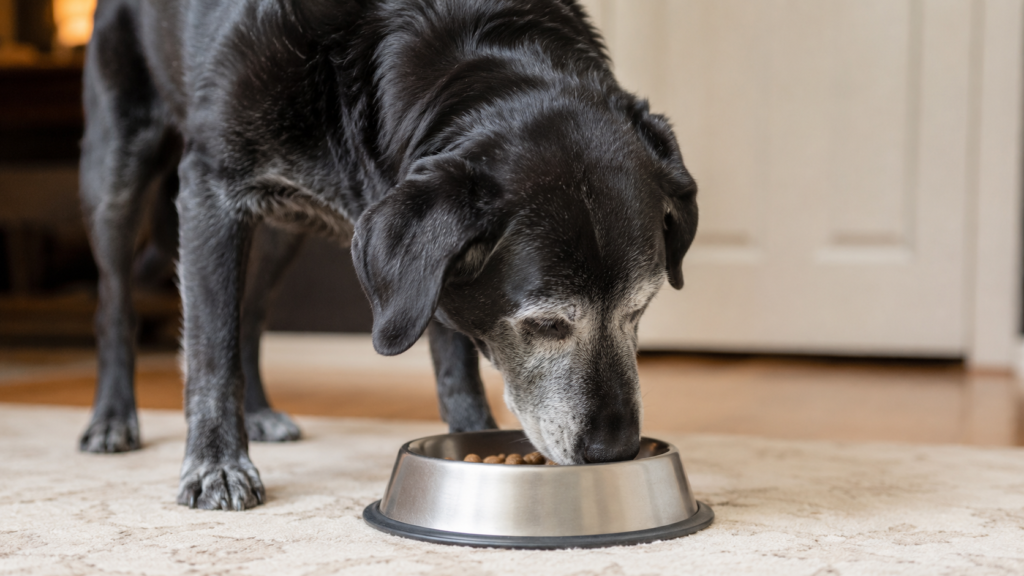
1. Barking Heads Golden Years
Barking Heads Golden Years is specifically designed for dogs aged seven and over. It features a lower fat content of 8%, which helps manage weight in less active seniors, and includes glucosamine and chondroitin for joint support.
Key features: Made with UK-sourced chicken and rice, contains prebiotics for digestive health, and includes omega-3 and omega-6 fatty acids. The ingredient list is clear and transparent, which is always a good sign.
Pros: Excellent value for money, widely available in the UK, palatable for most dogs, no artificial colours or preservatives.
Cons: Contains grains (rice and maize), which may not suit dogs with specific grain sensitivities. If your dog has food allergies, you may want to explore our guide to the best diet options for dogs with food allergies.
Approximate price: Around £35-40 for a 12kg bag, working out to roughly 70-80p per day for a medium-sized dog.
2. Burns Senior
Burns is a well-established UK brand with a strong reputation for simple, natural ingredients. Their senior formula is vet-formulated and designed to be gentle on the digestive system.
Key features: Made with chicken and brown rice, highly digestible, low in fat at around 7.5%, and free from artificial additives. Burns follows the principle that simple ingredients lead to better health, and many UK vets recommend this brand for dogs with sensitive stomachs.
Pros: Excellent for dogs with digestive sensitivities, widely available in the UK, good for weight management, strong ethical reputation.
Cons: Some dogs may find the plain recipe less palatable than richer alternatives. Protein content is moderate rather than high, which may not be ideal for all seniors.
Approximate price: Around £45-50 for a 12kg bag, roughly 85-95p per day for a medium dog.
3. Hill’s Science Plan Senior
Hill’s Science Plan is one of the most recognisable veterinary-recommended brands in the world. Their senior range includes options for small, medium, and large breeds, each tailored to the specific needs of different sizes.
Key features: Contains high-quality protein to maintain lean muscle, includes omega-6 fatty acids for skin and coat health, and has an antioxidant blend to support the immune system. The large breed formula includes additional joint support with glucosamine and chondroitin.
Pros: Backed by extensive veterinary research, clinically proven antioxidant formula, breed-size-specific options, easy to find in vet practices and pet shops across the UK.
Cons: More expensive than many UK alternatives. Contains some grains and the ingredient list is less transparent than smaller, independent brands. Available on Amazon UK and most major pet retailers.
Approximate price: Around £50-55 for a 12kg bag, roughly £1-1.10 per day for a medium dog.
4. Royal Canin Ageing 8+
Royal Canin offers some of the most breed-specific senior formulas on the market. Their Ageing 8+ range includes dedicated recipes for small, medium, large, and giant breeds, as well as specific formulas for certain breeds like Labradors and German Shepherds.
Key features: Tailored kibble shape and size for each breed group, contains EPA and DHA for joint and skin support, includes a precise antioxidant complex, and has adapted phosphorus levels for kidney support.
Pros: Extremely targeted nutrition based on breed and size, high palatability that encourages eating in dogs with reduced appetite, strong veterinary backing.
Cons: One of the more expensive options on the market. The ingredient list includes some plant proteins and derivatives that discerning owners may prefer to avoid. Widely available through vets and online retailers including Amazon UK.
Approximate price: Around £55-65 for a 12kg bag, roughly £1.10-1.30 per day for a medium dog.
5. James Wellbeloved Senior
James Wellbeloved is a popular UK brand known for its hypoallergenic approach to dog food. Their senior formula is designed for older dogs that may have developed sensitivities over time.
Key features: Made with turkey and rice, naturally hypoallergenic, contains added glucosamine, chondroitin, and herbs like cranberry and rosemary. It is free from artificial colours, flavours, and preservatives, and excludes common allergens like beef, pork, wheat, and soya.
Pros: Ideal for senior dogs with food sensitivities, natural ingredients, no common allergens, good joint support, appealing to dogs who enjoy turkey.
Cons: Only available in medium and large breed senior varieties. Some owners report inconsistency in kibble quality between batches.
Approximate price: Around £48-55 for a 12kg bag, roughly 90p-£1.05 per day for a medium dog.
Best Senior Wet Dog Foods UK
Wet food can be an excellent choice for senior dogs, particularly those with dental problems, reduced appetite, or dehydration concerns. The higher moisture content helps keep your dog hydrated, and the softer texture is easier to chew. Here are three of the best senior wet foods available in the UK.
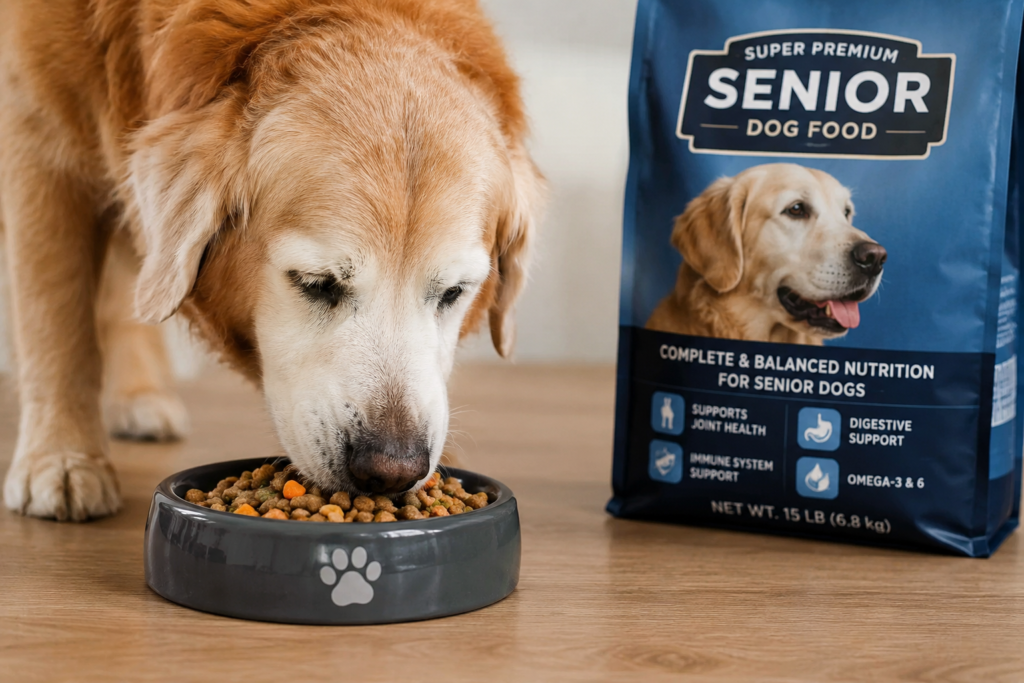
1. Forthglade Senior Wet Food
Forthglade is a Devon-based company that produces natural, gentle dog food using UK-sourced ingredients. Their senior range is designed to be kind to older digestive systems while still being tasty enough for fussy eaters.

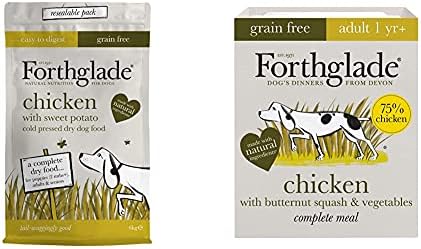
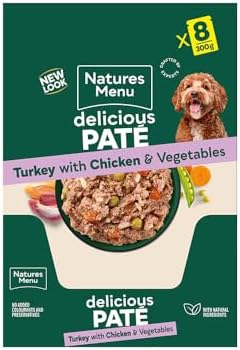
Key features: Made with 75% chicken and vegetables, grain-free recipe, contains added glucosamine and chondroitin, and includes botanical herbs. The food comes in convenient tray portions and is free from artificial colours, flavours, and preservatives.
Pros: Excellent for dogs with sensitive digestion, high meat content, grain-free, very palatable, ethically produced in the UK.
Cons: Only available in chicken flavour for the senior range, which may not suit dogs with poultry allergies. The trays are relatively small, so feeding larger dogs can work out expensive. If you want to explore more options, our guide to the best grain-free dog food in the UK covers more brands.
Approximate price: Around £28-32 for a pack of 12 x 395g trays, roughly £1.50-2 per day for a medium dog.
2. Scrumbles Senior Wet Food
Scrumbles is a UK brand that places a strong emphasis on gut health. Their senior wet food contains added probiotics, making it a standout choice for older dogs with digestive sensitivities.
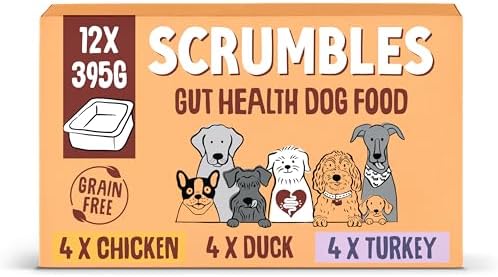

Key features: Contains their trademarked probiotic (Bacillus coagulans), made with natural ingredients, free from artificial additives, and produced in the UK. The recipe is designed to be gentle on the stomach while supporting overall digestive health.
Pros: Added probiotics for gut health support, natural ingredients, hypoallergenic recipe, good for dogs with sensitive tummies.
Cons: Limited flavour variety in the senior range. Can be harder to find in supermarkets compared with bigger brands. For more information on how probiotics work, see our full article on probiotics for dogs.
Approximate price: Around £30-35 for a pack of 12 x 400g trays, roughly £1.60-2.20 per day for a medium dog.
3. Lily’s Kitchen Senior Wet Food
Lily’s Kitchen is one of the UK’s best-known premium dog food brands, praised for its use of natural, wholesome ingredients. Their senior recipe is packed with nutritious ingredients and is designed to support older dogs through their golden years.
Key features: Made with fresh chicken, turkey, and pork, contains salmon oil for omega-3 fatty acids, includes joint-supporting ingredients like glucosamine, and is enriched with vitamins and minerals. The recipe is free from grains, artificial preservatives, and fillers.
Pros: High-quality natural ingredients, excellent taste that appeals to fussy eaters, grain-free, contains salmon oil for joint and coat health, made in the UK.
Cons: One of the more expensive wet food options. The premium price point may not suit all budgets, though it is available on Amazon UK with regular discounts.
Approximate price: Around £36-42 for a pack of 12 x 400g trays, roughly £2-2.50 per day for a medium dog.
Joint Health and Supplements for Older Dogs
Joint problems are arguably the most common health issue affecting senior dogs in the UK. According to veterinary research, osteoarthritis affects up to 80% of dogs over the age of eight. While there is no cure for joint degeneration, the right diet and supplements can significantly improve comfort and mobility.
Many premium senior dog foods now include joint-supporting ingredients as standard. Glucosamine and chondroitin are the most common additions, but omega-3 fatty acids also play a crucial role. EPA and DHA from fish oil have been shown to reduce joint inflammation and improve mobility in dogs with arthritis.
For dedicated joint support, adding a high-quality salmon oil supplement to your dog’s food can provide concentrated omega-3s that go beyond what is included in commercial dog food. Green-lipped mussel supplements are another popular option among UK dog owners, as they contain a unique combination of omega-3s and glycosaminoglycans that support joint health.
Beyond supplements, keeping your senior dog at a healthy weight is one of the most effective things you can do for their joints. Every extra pound puts additional stress on ageing joints, so portion control and regular gentle exercise are essential. Short, frequent walks are often better than one long walk for dogs with joint stiffness.
If your dog is showing signs of significant joint pain, such as limping, reluctance to climb stairs, or difficulty standing up, please consult your vet. There are prescription medications and therapies available that can make a real difference to your dog’s quality of life.
Managing Weight in Senior Dogs
Weight management is one of the most important aspects of caring for a senior dog. As mentioned earlier, older dogs have slower metabolisms and are typically less active than they were in their younger years. This combination means they need fewer calories, but many owners continue feeding the same portions they always have.
The result is a gradual but significant weight gain that can have serious consequences for your dog’s health. Obesity in senior dogs increases the risk of:
- Joint problems and osteoarthritis
- Heart disease and respiratory difficulties
- Diabetes mellitus
- Increased anaesthetic risk if surgery is needed
- Reduced lifespan and quality of life
On the other end of the spectrum, some senior dogs lose weight unexpectedly. This can be caused by underlying health conditions such as kidney disease, cancer, thyroid problems, or dental pain. Unexplained weight loss always warrants a visit to the vet.
For weight management, consider these practical tips:
- Weigh your dog regularly. Many UK vets offer weight clinics for free. You can also weigh your dog at home using a set of scales if you have a small breed, or by weighing yourself holding your dog and subtracting your weight.
- Follow feeding guidelines but adjust for your dog. The feeding guide on the packet is a starting point, not a rule. If your dog is gaining weight, reduce the portion slightly. If they are losing weight, increase it or speak to your vet.
- Limit treats. Treats should make up no more than 10% of your dog’s daily calorie intake. Consider using small pieces of carrot or apple as low-calorie alternatives to commercial treats.
- Use a measured scoop. Eyeballing portions is one of the most common causes of overfeeding. Use a proper measuring cup or kitchen scales.
- Choose a senior-specific food. Senior foods are formulated with lower calorie density and higher fibre to help your dog feel full without overeating.
The All About Dog Food website is an excellent independent resource for comparing the calorie content and nutritional profiles of different UK dog food brands.
Feeding a Senior Dog with Health Problems
Many senior dogs develop health conditions that require dietary adjustments. While some conditions can be managed with over-the-counter senior foods, others may require prescription diets recommended by your vet. Here are some of the most common health issues in older dogs and how diet can help.
Kidney Disease
Chronic kidney disease is one of the most prevalent conditions in senior dogs. Early-stage kidney disease can sometimes be managed with a modified diet that is lower in phosphorus and moderate in high-quality protein. Many senior dog foods are already formulated with reduced phosphorus levels to support kidney health.
In more advanced cases, your vet may recommend a prescription kidney diet such as Hill’s Prescription Diet k/d or Royal Canin Renal. These foods are specifically formulated to reduce the workload on the kidneys and slow the progression of the disease. It is important to note that you should never restrict protein in a senior dog without veterinary guidance, as protein restriction in the wrong circumstances can lead to muscle wasting.
Heart Disease
Heart disease becomes more common as dogs age. Diet can play a supportive role in managing heart conditions. A low-sodium diet helps reduce fluid retention and blood pressure. Senior foods often have reduced sodium compared with standard adult foods, but dogs with diagnosed heart conditions may need a specific cardiac prescription diet.
Taurine and L-carnitine are nutrients that support heart function. They are naturally present in meat-based diets, and some senior foods add them as supplements. Omega-3 fatty acids from fish oil may also support cardiovascular health.
Dental Problems
Dental disease affects the majority of dogs over the age of three, and the problem worsens with age. Loose teeth, infected gums, and mouth pain can make eating dry food difficult and uncomfortable. If your dog is struggling with kibble, try soaking it in warm water for ten to fifteen minutes to soften it. Alternatively, switching to a wet food or a softer textured food can make mealtimes more comfortable.
Dental chews and toys designed for senior dogs can help maintain oral health between vet visits, but they are not a substitute for professional dental care. Regular check-ups with your vet are essential for monitoring dental health and addressing problems early.
Food Allergies and Sensitivities
Some dogs develop food allergies or intolerances later in life, even if they have eaten the same food for years without problems. If your senior dog is experiencing itching, digestive upset, or ear infections, food sensitivities could be the cause. Our article on dog food allergies explains the symptoms and dietary approaches in detail.
Hypoallergenic senior foods, such as James Wellbeloved Senior, are available for dogs with known sensitivities. These foods avoid common allergens and use novel protein sources that are less likely to trigger reactions.
Why Is My Older Dog Eating Less?
Reduced appetite is one of the most common concerns reported by owners of senior dogs. While a slight decrease in appetite can be a normal part of ageing, a significant or sudden loss of appetite often indicates an underlying problem that needs attention.
There are several possible reasons why your older dog might be eating less:
Dental pain. This is one of the most common causes. If eating seems uncomfortable for your dog, check their mouth for red, swollen gums, tartar buildup, or broken teeth. A vet examination is the best way to identify dental problems.
Reduced sense of smell. A dog’s appetite is closely linked to their sense of smell, which can diminish with age. Warming wet food slightly or adding a small amount of warm water to kibble can release more aroma and make the food more appealing.
Medication side effects. Many medications prescribed to senior dogs, including pain relievers and anti-inflammatories, can cause nausea or reduce appetite. If your dog has recently started new medication, speak to your vet about potential side effects.
Underlying illness. Kidney disease, liver disease, cancer, and infections can all cause appetite loss. If your dog has not eaten for more than 24 hours, or if the reduced appetite is accompanied by other symptoms like vomiting, lethargy, or weight loss, contact your vet promptly.
Stress or anxiety. Changes in routine, the loss of a companion animal, moving house, or new pets can all cause stress-related appetite loss in older dogs.
Food fatigue. Some dogs simply get bored of eating the same food every day for years. Rotating between two or three high-quality foods, or adding a topper like a small amount of wet food or plain cooked chicken, can reignite interest in meals.
Practical tips to encourage eating include offering smaller, more frequent meals, trying different food textures (wet vs dry), warming food to enhance aroma, adding a palatable topper, feeding in a quiet environment away from distractions, and ensuring the food is fresh and not stale.
Wet vs Dry Food for Senior Dogs
One of the most common debates among dog owners is whether wet or dry food is better for senior dogs. The truth is that both formats have their advantages, and the best choice depends on your individual dog’s needs and preferences.
Advantages of dry food for seniors:
- Helps maintain dental health through the abrasive action of chewing
- More cost-effective per calorie than wet food
- Convenient to store and serve, with a longer shelf life once opened
- Can be left out for longer periods without spoiling
- Easier to measure precise portions
Advantages of wet food for seniors:
- Higher moisture content (typically 70-85%) helps keep senior dogs hydrated, which is particularly important for dogs with kidney issues
- Softer texture is easier for dogs with dental problems to eat
- Generally more palatable, which helps with appetite loss
- Often contains higher-quality ingredients with fewer fillers
- Easier to digest for dogs with sensitive stomachs
Many owners find that a combination approach works best. Feeding a mix of dry and wet food gives your dog the dental and convenience benefits of kibble alongside the hydration and palatability advantages of wet food. If mixing, be sure to adjust the overall portion sizes to avoid overfeeding.
If you are considering switching your senior dog’s food format, it is important to do so gradually. Our guide on how to switch dog food safely explains the best approach to transitioning without upsetting your dog’s digestion.
Frequently Asked Questions About Senior Dog Food
Should I switch to senior food automatically when my dog reaches the right age?
Not necessarily. If your dog is healthy, active, and at a good weight on their current adult food, there is no urgent need to switch on their birthday. However, it is worth gradually transitioning to a senior food over the course of a few weeks around the recommended age. Senior foods are formulated to address the gradual changes in your dog’s body, even before visible signs of ageing appear. If your dog has specific health concerns, ask your vet when the best time to switch would be.
Is grain-free food better for senior dogs?
Not always. While grain-free foods can be a good choice for dogs with diagnosed grain allergies or sensitivities, most senior dogs do not need a grain-free diet. In fact, whole grains like brown rice and oats provide valuable fibre, vitamins, and minerals that support digestive health. There has been some concern about a potential link between grain-free diets and dilated cardiomyopathy (DCM) in dogs, although the research is still ongoing. If you are considering a grain-free food, read our detailed comparison in our guide to the best grain-free dog food in the UK.
Can I feed my senior dog raw food?
Yes, many UK dog owners feed raw food to their senior dogs with good results. Raw food can be highly digestible and is free from the additives found in some commercial foods. However, raw feeding requires careful planning to ensure nutritional completeness, and food safety hygiene is essential. Senior dogs with compromised immune systems may be more vulnerable to foodborne bacteria. Our article on the best raw dog food in the UK covers the topic in detail, including safety guidance from the Food Standards Agency.
How much should I feed my senior dog?
Feeding amounts vary widely depending on your dog’s breed, size, weight, activity level, and the specific food you are using. Always start with the feeding guide on the packaging and adjust based on your dog’s body condition. You should be able to feel your dog’s ribs easily without pressing hard, and they should have a visible waist when viewed from above. If you are unsure, ask your vet or a veterinary nurse to assess your dog’s body condition score.
My senior dog seems hungry all the time. Should I feed them more?
Increased appetite in senior dogs can be normal, especially if they have recently become more active or if their food is not meeting their nutritional needs. However, it can also be a sign of underlying health conditions such as diabetes, Cushing’s disease, or thyroid problems. If your dog is constantly hungry despite eating their normal portions, it is worth discussing with your vet.
Are supplements necessary alongside senior dog food?
Most high-quality senior dog foods are formulated to be nutritionally complete, meaning additional supplements are not strictly necessary for healthy dogs. However, supplements like salmon oil, glucosamine, or probiotics can provide additional benefits, particularly for dogs with specific health concerns. Always consult your vet before adding supplements to your dog’s diet, as some can interact with medications or cause issues if given in excess.
Conclusion
Finding the right food for your senior dog is one of the most impactful things you can do to support their health and happiness in their later years. The UK market offers a wide range of excellent senior dog foods, from budget-friendly options like Barking Heads Golden Years to premium choices like Royal Canin and Hill’s Science Plan.
The most important thing is to choose a food that matches your dog’s individual needs. Consider their breed size, activity level, any health conditions, and personal preferences. Do not be afraid to try different foods and see what your dog enjoys and thrives on. And remember that your vet is your best resource when it comes to making dietary decisions for an ageing dog.
At DogFoodsUK, our mission is to help UK dog owners make informed, confident choices about their dog’s nutrition. We research, review, and compare the best dog foods available in the UK so you can spend less time shopping and more time with your four-legged companion. Your dog’s senior years can be some of the most rewarding. With the right food, the right care, and plenty of love, you can help them enjoy every moment.