

If you have ever tried to trim a squirmy Jack Russell’s nails with clippers and ended up with a blood-spotted carpet and a dog that runs for cover every time you open the bathroom cabinet, you are not alone. Nail trimming is the single most dreaded grooming task for most dog owners in the UK, and it is the main reason people put off grooming altogether. But here is the thing. Grooming is not a luxury or something you do once a year before the dog show. It is a basic part of keeping your dog healthy, and the right tools make a massive difference in how the whole experience goes for both of you.
At dogfoodsuk.com, we spend a lot of time looking at what goes into dogs. The food, the supplements, the treats. But what goes on the outside matters just as much. A dog with matted fur, overgrown nails, gunky ears, or cracked paw pads is a dog in discomfort, even if they cannot tell you about it. The good news is that a handful of well-chosen tools, used regularly, will prevent most of these problems before they start.
This guide covers the essential grooming tools every UK dog owner should have. We will look at nail grinders (and why they are generally better than clippers), brushes for different coat types, deshedding tools, grooming gloves, ear cleaners, and paw balms. We will also talk about which tools suit which breed, how to build a routine, and where to buy everything without getting ripped off.

Why grooming matters for your dog’s health
Grooming gets filed under “cosmetic” a lot of the time. It really should not be. The PDSA lists regular grooming as a core part of responsible dog ownership, and they are right. Here is what actually happens when you groom your dog properly and often enough.
Brushing distributes natural oils through the coat. These oils keep the fur conditioned and the skin underneath healthy. When you skip brushing, those oils pool near the skin and the ends of the coat become dry and brittle. On dogs with double coats, like Labradors and Huskies, dead undercoat gets trapped against the skin and creates hot spots. Hot spots are painful, infected patches of skin that can appear almost overnight and usually require a vet visit to sort out.
Nail length affects your dog’s posture and joint health. When nails touch the ground on every step, they push the toes back and change the angle of the foot. Over time, this puts strain on the wrist, elbow, and shoulder joints. Long nails are also more likely to snag on carpets or crack, which is painful and can lead to infection. The Blue Cross specifically flags overgrown nails as a common health issue they see in their veterinary practices.
Ear care prevents infections. Dogs with floppy ears, like Spaniels and Retrievers, trap moisture and warmth inside the ear canal, which is essentially an incubator for bacteria and yeast. Regular cleaning with a proper ear cleaner keeps things balanced and catches problems early. The RSPCA recommends checking and cleaning your dog’s ears weekly as part of a basic care routine.
Paw pads take a beating. Pavement, grit, salt in winter, hot tarmac in summer. Cracked and sore paw pads are miserable for a dog, and they can lead to limping and secondary infections. A good paw balm creates a protective barrier and helps the pads stay flexible and tough enough to handle daily walks.
There is a connection between diet and coat health too. If your dog has a dull coat, flaky skin, or seems to shed more than normal, the problem might start from the inside. Our guide to dog food for coat health covers the ingredients and nutrients that make a real difference. And if your dog has recurring skin issues that grooming alone does not fix, it might be worth looking into dog food for skin allergies to rule out dietary triggers.
Coat types and the tools they need
Using the wrong brush on the wrong coat type is a waste of time at best and can cause discomfort and damage at worst. Different coats need different approaches, and spending a few minutes working out what type your dog has will save you a lot of frustration.
Short, smooth coats
Think Boxers, Staffordshire Bull Terriers, French Bulldogs. These dogs have a single layer of short, close-lying fur. They shed, but the hair is short and usually not visible on furniture unless you have dark-coloured upholstery. A rubber grooming glove or a soft bristle brush is all you need for routine maintenance. A quick once-over a couple of times a week removes loose hair and keeps the coat looking glossy.
Double coats
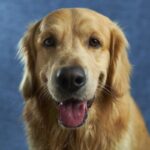
Labradors, Golden Retrievers, German Shepherds, Huskies, and most Gundogs have double coats. There is a soft, dense undercoat for insulation and a coarser topcoat that repels water and dirt. These dogs shed heavily, usually in two big moult sessions per year, and they need tools that can reach through the topcoat to pull out dead undercoat. A deshedding tool like the FURminator, combined with a slicker brush for finishing, works well. Under no circumstances shave a double-coated dog. It messes up their natural temperature regulation and the coat may not grow back properly.
Long and silky coats
Afghan Hounds, Yorkshire Terriers, Setters, Cocker Spaniels. These coats need daily attention to prevent tangles and mats. A pin brush is the starting point for gentle detangling, followed by a slicker brush to work through any knots. A steel comb is useful for checking that you have gotten through to the skin. If mats develop, a de-matting comb with curved blades can cut through them without pulling the skin.
Wire and broken coats
Border Terriers, Wire Fox Terriers, Schnauzers. These coats are harsh and wiry to the touch. They do not shed in the same way as other coats, but they do need regular stripping or clipping to maintain the correct texture. A slicker brush works for general grooming, and hand-stripping tools (or a trip to a professional groomer every few months) keeps the coat in proper condition.
Curly and wool coats
Poodles, Bichon Frises, Labradoodles. These coats grow continuously and do not shed much, but they mat incredibly easily if neglected. A slicker brush is essential for working through the curls, and you need to brush right down to the skin, not just the surface. Many owners of curly-coated dogs end up taking them to a professional groomer every 6 to 8 weeks, but daily brushing at home is still needed between visits.
Nail care: why a dog nail grinder beats clippers
Nail care is where most grooming anxiety lives. And fair enough. The quick, which is the blood vessel and nerve inside the nail, extends further in some dogs than others. Cut into the quick and your dog yelps, bleeds, and remembers the whole experience for the rest of their life. Clippers make it alarmingly easy to take off too much, especially on dark nails where you cannot see the quick at all.
A dog nail grinder works differently. Instead of a blade slicing through the nail in one go, a grinder uses a rotating abrasive drum to wear the nail down gradually. This gives you far more control. You can take off a tiny bit at a time, check your progress, and stop well before you reach the quick. Most dogs find the vibration less scary than the squeezing sensation of clippers, and there is no sharp blade involved.
Grinders also smooth the nail edge as they work, which means no sharp points left behind to scratch floors or snag on fabric. With clippers, you almost always need to file the nail afterwards. The grinder does both jobs in one step.
The British Veterinary Association notes that regular nail maintenance is important for canine welfare, and the Groomers Association recommends grinders as a safer option for pet owners, particularly those who are nervous about using clippers for the first time.
Grinders are not perfect for every situation, though. The noise and vibration can upset very noise-sensitive dogs, and the process takes longer than clipping. Some dogs need gradual desensitisation before they will tolerate a grinder near their paws. You also need to avoid holding the grinder against any one spot for too long, because the friction generates heat that can burn the nail. Short bursts of 2 to 3 seconds with breaks in between is the way to go.
For most UK dog owners, especially those with dark-nailed breeds like Labradors, Rottweilers, and Spaniels, a dog nail grinder is the safer and less stressful option. We will look at specific grinders later in this guide.
Deshedding tools
If your dog sheds, and most of them do, a deshedding tool is one of the best investments you can make. These are not the same as ordinary brushes. Deshedding tools have a single row of fine, closely spaced metal teeth that reach through the topcoat and pull out loose undercoat hairs that would otherwise end up on your sofa, your clothes, and probably in your food.
Used correctly, a deshedding tool can remove an astonishing amount of dead hair from a double-coated dog. You will fill a bin bag with fur from a single session on a Labrador in full moult. But there are a few things to keep in mind.
Do not overdo it. A deshedding session should last about 10 to 15 minutes. Going for longer or pressing too hard can irritate the skin and damage the topcoat. Once a week during moult season and once every two to three weeks the rest of the year is plenty for most dogs.
Avoid using deshedding tools on single-coated breeds. Dogs with short, smooth coats do not have an undercoat to remove, and the tool will just scratch their skin. Wire-coated and curly-coated breeds should also be given a wide berth with these, because the fine teeth can catch and pull the coat rather than glide through it.
Coat health is not just about what you put on it. Feeding your dog a quality diet makes a noticeable difference to shedding. Our best dry dog food guide covers foods with the omega fatty acids and protein levels that support a healthy coat from the inside out.
Brushes for different coats
There is no single best dog brush. The right one depends entirely on what kind of coat your dog has. Here is a breakdown of the main types you will come across.
Slicker brushes have a rectangular or oval head packed with fine, short wire pins. They are the workhorse of dog grooming and work on almost every coat type except very short single coats. Slicker brushes are excellent for removing loose fur, working through tangles, and giving the coat a smooth finish. The fine pins penetrate the coat without pulling, which makes them more comfortable for the dog than many alternatives. They come in different sizes. A larger slicker covers more ground on big dogs, while a smaller one gives you more precision around the face, ears, and legs.
Bristle brushes have soft, densely packed bristles (often made from natural materials like boar hair). These are gentle and good for short, smooth-coated breeds. They distribute natural oils and pick up surface-level loose hair, but they cannot handle mats or thick undercoat. Think of a bristle brush as the finishing tool you use after a slicker or deshedding tool has done the heavy lifting.
Pin brushes look a bit like human hairbrushes, with metal pins set into a rubber or wooden base. Some have rounded tips on the pins, which makes them gentler. Pin brushes are good for long, silky coats where you want to detangle without breaking the hair. They do not remove much loose undercoat, so they are not the right choice for heavy shedders.
Rubber brushes and grooming gloves are the simplest option. A rubber brush has a flat rubber surface with soft nubs that massage the skin and pull away loose hair. A grooming glove works on the same principle but you wear it on your hand, which means you are essentially petting your dog while you groom them. Dogs love this. It feels like attention, not grooming. These tools are best for short-haired breeds and for dogs that are nervous about being brushed.
De-matting combs are not really brushes. They have serrated, curved blades designed to slice through mats and tangles. You use them by holding the mat at the base (near the skin) with one hand and working the comb through the mat from the outside edge with the other. They are not pleasant for the dog if you yank, so go slowly and use short strokes. If a mat is very close to the skin or heavily tangled, it is usually better to carefully snip it out with scissors or let a groomer deal with it.
Ear and paw care
Ear cleaning
Dog ears need regular attention, especially if your dog has floppy ears, loves swimming, or has a history of ear infections. A proper dog ear cleaner is a liquid solution, usually with a gentle drying agent, that you squirt into the ear canal and then massage in. The dog shakes their head to dislodge debris, and you wipe away the gunk with cotton wool. Do not use cotton buds. You can push debris deeper into the ear canal or damage the eardrum.
Ear cleaners are available from vets, pet shops, and online retailers. Some are designed for routine maintenance, while others contain antifungal or antibacterial ingredients for dogs with active infections. If your dog’s ears smell bad, look red inside, or the dog is constantly scratching at them, see your vet before using any product. You could be dealing with an infection that needs proper treatment, not just a cleaning.
The PDSA recommends checking your dog’s ears at least once a week and cleaning them when you notice a buildup of wax or dirt. For dogs prone to ear problems, a weekly clean with a maintenance solution is a good habit.
Paw balm
Paw balm is one of those products that sounds a bit extra until you actually need it. In winter, grit and salt on UK pavements can dry out and crack your dog’s paw pads. In summer, hot tarmac does the same thing. Dry, cracked pads are painful and can become infected. A good paw balm creates a protective, moisturising barrier that keeps the pads flexible and resilient.
Look for a balm with natural ingredients. Coconut oil, shea butter, beeswax, and vitamin E are common and effective. Apply it before walks in harsh conditions and after you have cleaned your dog’s paws when you get home. Most dogs do not mind having it rubbed in, and it doubles as a nice bonding moment. Avoid human moisturisers, because the ingredients and fragrance can irritate your dog’s skin, and your dog will probably lick it off, which you do not want.

The best dog grooming tools we recommend
After looking at dozens of products, reading hundreds of owner reviews, and considering what actually works for normal dog owners (not just professional groomers with years of practice), here are the tools we think are worth your money.
Dremel 7300-PT dog nail grinder
Best for: Dog owners who want a safe, controlled way to trim nails, especially on dark-nailed breeds where you cannot see the quick.
Dremel makes rotary tools for all sorts of applications, and the 7300-PT is their pet-specific model. It runs on two AA batteries, which means no trailing cables, and it has two speed settings. The lower speed is for small dogs and cats, the higher speed for larger breeds with thicker nails.
The Dremel comes with a sanding drum attachment designed for pet nails. It grinds the nail down smoothly and gradually, giving you precise control over how much you remove. Because you are wearing the nail down rather than cutting it, the risk of hitting the quick is dramatically lower than with clippers. If you do get close, the grinding action creates a smooth, rounded edge rather than a sharp point, which reduces the chance of snagging.
Battery life is decent for a cordless tool. A set of decent rechargeable batteries will last for several grooming sessions. The Dremel is also reasonably quiet compared to some cheaper grinders, which helps with dogs that are nervous about noise. It is not silent, and some dogs will need time to get used to the vibration, but most adjust after a few sessions if you introduce it gradually.
The main downside is the price. At around £40 to £50, it is more expensive than basic clippers and budget grinders. But you are paying for build quality, reliable speed control, and a brand that actually makes proper power tools, not just pet gadgets. It will last for years if you look after it. You can find it on Amazon UK.
Tip: Introduce the grinder slowly. Let your dog sniff it while it is switched off for a few days. Then turn it on near them without touching their paws. Gradually work up to touching the grinder to a single nail for just a second. Reward with treats at every stage. Most dogs will accept it within a week or two if you do not rush.
FURminator deShedding tool
Best for: Double-coated dogs that shed heavily. Labradors, Golden Retrievers, Huskies, German Shepherds, and any dog with a thick undercoat.
The FURminator is probably the best-known deshedding tool on the market, and it has earned its reputation. It works by reaching through the topcoat with a stainless steel edge and grabbing loose undercoat hairs as you pull it along the dog’s body. The FURejector button pushes the collected hair off the tool and into the bin, which saves you from having to pull hair off the teeth by hand.
The results are dramatic. On a double-coated dog in peak shedding season, you will be genuinely shocked at how much hair comes out. A single 15-minute session on a Labrador can produce enough fur to stuff a cushion. The coat feels noticeably thinner and smoother afterwards, and shedding is reduced for several days.
The FURminator comes in different sizes for small, medium, large, and giant breeds, and also in a short-hair and long-hair version. Make sure you pick the right size and coat length for your dog. Using the wrong size will not work properly and could irritate the skin. Available on Amazon UK for around £20 to £35 depending on size.
Critical warning: Never use the FURminator on a wet coat, and never press hard into the skin. Use light, even strokes in the direction of hair growth. Overuse can cause skin irritation and thin the topcoat over time. Stick to 10 to 15 minutes maximum per session, and do not use it more than once or twice a week. For dogs with skin problems, check out our dog food for skin allergies guide, because diet can be a factor in coat and skin issues.
Hertzko self-cleaning slicker brush
Best for: Everyday brushing on most coat types. A solid all-rounder at a reasonable price.
The Hertzko slicker brush has become one of the most popular grooming brushes in the UK, and it is easy to see why. It has a large head packed with fine bent wire pins that do a good job of removing loose fur, detangling light knots, and smoothing the coat. The bent pins are gentler on the skin than straight pins, which reduces the risk of scratching.
The self-cleaning mechanism is the standout feature. There is a button on the back of the brush head that retracts the pins slightly and pushes off accumulated hair. One press and the fur drops off into the bin. It actually works, which is more than you can say for some self-cleaning brushes. This saves a lot of time and mess compared to picking hair out of the pins by hand.
The brush has an anti-slip handle that is comfortable to grip, even during longer grooming sessions. The pins are fine enough for medium and long coats but stiff enough to get through reasonably dense fur. It is not the best choice for very heavy mats or extremely thick double coats, where a dedicated deshedding tool does a better job. But for regular maintenance on most dogs, it is excellent value at around £12 to £18.
Grooming glove (five-finger design)
Best for: Short-haired dogs, nervous dogs that hate brushes, and anyone who wants the easiest possible grooming experience.
A grooming glove is exactly what it sounds like. A glove with rubber or silicone nubs on the palm and fingers that you put on and use to stroke your dog. As you pet them, the nubs catch loose hair and pull it away from the coat. It is grooming disguised as affection, and most dogs are completely fine with it because it just feels like being stroked.
These gloves work best on short, smooth-coated breeds like Boxers, Staffies, Frenchies, and Greyhounds. They will not do much on thick double coats or heavily matted fur. But for the breeds they suit, they are genuinely effective. You will see a visible pile of loose hair come off after a five-minute session, and your dog will probably enjoy it.
Grooming gloves are also useful for bathing. The nubs help work shampoo through the coat and give a gentle massage at the same time. They are cheap too, usually under £10 for a pair. Look for adjustable wrist straps and breathable fabric on the back of the glove so your hand does not get sweaty. Available on Amazon UK.
Safari de-matting comb
Best for: Long-haired and double-coated dogs that develop tangles and mats behind the ears, in the armpits, and around the back legs.
The Safari de-matting comb has a row of curved, serrated blades on one side that slice through mats without pulling the entire coat. The curved shape follows the contour of your dog’s body, which makes it easier to use on awkward areas. The handle is comfortable and gives you good control over the angle of the blades.
Using a de-matting comb takes a bit of technique. Hold the fur at the base of the mat (between the mat and the skin) with your free hand to prevent pulling the skin. Then work the comb through the outer edge of the mat with short, gentle strokes, gradually working your way in. Do not try to power through a large mat in one go. You will hurt your dog and make them hate grooming.
The Safari comb works well in combination with a slicker brush. Use the de-matting comb to break up the worst tangles, then follow with the slicker brush to smooth the coat and remove the loose hair the comb has released. It costs around £8 to £12 and is widely available from pet shops and online retailers in the UK.
Chris Christensen Big G slicker brush
Best for: Owners who want a professional-grade slicker brush. Particularly good for long, curly, and double coats where a budget brush is not getting the job done.
Chris Christensen is a professional grooming brand used by show groomers and salons around the world. The Big G is their large slicker brush, and the quality difference compared to budget alternatives is immediately obvious. The pins are finer, more numerous, and more precisely set than on cheaper brushes. They penetrate deep into the coat without scratching the skin, and the brush head is large enough to cover a lot of ground quickly.
The handle is solid wood with a comfortable grip. The whole thing feels like it will last for years, which it will if you take basic care of it. The Big G is particularly good for fluff-drying after a bath, where you want to lift the coat away from the skin and dry it evenly. But it works just as well for daily brushing on long, thick, or curly coats.
The price is the obvious barrier. At £30 to £50, it is significantly more than the Hertzko or other budget slicker brushes. For most pet owners, the Hertzko is perfectly adequate. But if you have a dog with a demanding coat, like a Poodle, Afghan Hound, or heavily coated crossbreed, the Chris Christensen is a tool you will use for years and be glad you bought. The Groomers Association regularly recommends Chris Christensen products for both professionals and serious home groomers.
Dog ear cleaner
Best for: Routine ear maintenance for all dogs, especially floppy-eared breeds prone to infections.
There are dozens of dog ear cleaners on the UK market. The best ones for routine use contain a gentle drying agent like boric acid or salicylic acid alongside a cleaning solution that breaks down wax and debris. Products like Virbac Epi-Otic, which is widely recommended by UK vets, are a safe bet for general maintenance.
To use an ear cleaner, lift your dog’s ear flap, squirt the recommended amount into the ear canal, and massage the base of the ear for about 20 seconds. You will hear a squelching sound, which means the solution is working its way in. Let your dog shake their head (hold a towel around them unless you want ear cleaner splattered across your walls), then wipe the visible part of the ear canal with cotton wool. Repeat with a clean piece of cotton wool until it comes away clean.
If your dog’s ears are red, swollen, smelly, or producing discharge, do not use an over-the-counter cleaner. See your vet. Those symptoms suggest an infection that needs proper medication, and putting a cleaning solution in an infected ear can make things worse.
Dog paw balm
Best for: Protecting and moisturising paw pads in all seasons, especially in winter when grit and salt are on the roads.
A good paw balm contains natural, dog-safe ingredients. Look for coconut oil, shea butter, beeswax, vitamin E, and calendula. Avoid anything with artificial fragrances, essential oils (some are toxic to dogs), or ingredients you would not be happy with your dog licking off their paws, because they absolutely will lick it off.
Apply paw balm before walks in cold or hot weather and after you have wiped your dog’s paws when you get home. A thin layer is enough. Rub it in gently, and try to keep your dog still for a minute or two so it has time to absorb. Paw balms are cheap, usually £5 to £12, and a single tin or tube lasts for months with regular use. Our grain-free dog food guide has more on the connection between diet and skin health, including paw pad condition.

Building a grooming routine by breed type
Grooming works best when it is routine, not a reaction. If you wait until your dog is matted, their nails are clicking on the floor, and their ears smell, you are already behind. Here are some suggested routines based on common coat types. Adjust for your individual dog, because some dogs grow coat faster than others and some are more prone to ear issues or nail overgrowth.
Short and smooth coats (Boxers, Staffies, Frenchies)
Weekly: Run a grooming glove or rubber brush over the coat for 5 minutes. This removes loose hair and keeps the coat shiny. Check ears for dirt or redness. Wipe paws after walks.
Every 2 weeks: Check nail length. These dogs often wear their nails down naturally on pavement, but front nails can still get long if your dog mostly walks on grass. Use a dog nail grinder to take off the tips if needed.
Monthly: Clean ears with a vet-recommended ear cleaner. Apply paw balm if the pads look dry or it has been particularly cold or hot.
Double coats (Labradors, Golden Retrievers, Huskies, GSDs)
Twice weekly: Brush with a slicker brush for 10 minutes to remove loose fur and prevent matting.
Weekly: Use a deshedding tool like the FURminator for 10 to 15 minutes during moult season (spring and autumn). Reduce to once every two to three weeks outside of moult. Check and clean ears. Check nails and grind if needed.
Monthly: Thorough ear clean. Inspect paw pads and apply balm as needed. Give the coat a good going-over with a steel comb to check for hidden tangles, especially behind the ears and in the armpits.
Long and silky coats (Yorkies, Setters, Cocker Spaniels)
Daily: Brush with a pin brush or slicker brush for 10 to 15 minutes. Focus on areas that tangle easily: behind the ears, under the legs, in the groin area, and the feathering on the legs and tail. Use a de-matting comb on any knots you encounter.
Weekly: Thorough check with a steel comb to make sure you have not missed any tangles close to the skin. Clean ears. Check and grind nails.
Monthly: Consider a bath with a dog-specific shampoo (human shampoo dries out their skin). Apply paw balm. Trim the hair around the paws if it is getting long enough to collect debris or make the dog slip on hard floors.
Curly and wool coats (Poodles, Bichons, Doodles)
Daily: Brush with a slicker brush for 10 to 15 minutes. You must brush all the way to the skin. Surface brushing makes the top look tidy while mats form underneath. This is the single most important thing for curly-coated dogs.
Weekly: Check ears (these breeds are very prone to ear infections). Use an ear cleaner. Check and grind nails.
Every 4 to 8 weeks: Professional groom for a full clip and shape. Even if you are grooming at home, most curly coats need professional attention periodically because the coat grows continuously and gets unmanageable eventually.
Wire coats (Border Terriers, Schnauzers)
Twice weekly: Brush with a slicker brush for 5 to 10 minutes to remove dead hair and keep the coat tidy.
Weekly: Check ears and clean if needed. Check nails.
Every 8 to 12 weeks: Hand stripping or clipping. Hand stripping maintains the correct coat texture, but it is time-consuming and requires skill. Most pet owners opt for clipping. Professional groomers can do either. If you want to try hand stripping at home, get a stripping knife and watch some tutorials first.
Where to buy dog grooming tools in the UK
Amazon UK is the most convenient option for most tools. They stock the Dremel nail grinder, FURminator, Hertzko brush, Safari de-matting comb, grooming gloves, ear cleaners, and paw balms. Prices are competitive, delivery is fast with Prime, and the customer reviews are useful for checking whether a product actually works before you buy it.
Pets at Home is the largest pet retailer in the UK and stocks a decent range of grooming tools in store and online. Their own-brand products are hit and miss, but they carry major brands like FURminator and Hertzko. The advantage of buying in store is that you can see the product and feel its weight and build quality before committing. Their click-and-collect service is handy if you want something today.
Jollyes is another UK pet shop chain with a good online selection. They often run promotions on grooming products, and their website is easy to navigate. Prices are usually comparable to Pets at Home, sometimes slightly cheaper.
For professional-grade tools like the Chris Christensen slicker brush, specialist online retailers like Groomers Online and Show Dog Store are worth a look. They stock the brands that professionals use and often have more knowledgeable staff who can give you advice on the right product for your dog’s coat type.
Direct from the manufacturer is sometimes the cheapest option, especially if they have a sale or bundle deal. The Dremel website, for example, occasionally offers discounted bundles with spare sanding bands included. Sign up for newsletters from brands you are interested in, because pet product companies run promotions fairly regularly, particularly around Black Friday and the start of moult season.
Wherever you buy from, check that you are getting a genuine product. Counterfeit grooming tools are not a huge problem in the UK, but it is worth sticking to reputable sellers. If a price looks too good to be true on a marketplace, it probably is.
Frequently asked questions
How often should I grind my dog’s nails?
Every 2 to 4 weeks is typical for most dogs. Some dogs wear their nails down naturally from walking on hard surfaces and rarely need trimming. Others, especially small breeds and dogs that mostly walk on grass, need regular attention. If you can hear your dog’s nails clicking on the floor when they walk, they are too long. A dog nail grinder lets you take off small amounts frequently, which is better than waiting until the nails are overgrown and trying to fix it in one session.
Can I use a dog nail grinder on a puppy?
Yes, but introduce it very slowly. Puppies are more sensitive to new sensations, and a bad first experience with a grinder can create a nail-trimming phobia that lasts for years. Let the puppy see and sniff the grinder while it is off for several days. Then turn it on from a distance and give treats. Gradually move closer over multiple sessions. Only touch the grinder to a nail once the puppy is relaxed with the noise and vibration. Keep the first actual grinding session to one or two nails maximum, and end on a positive note with plenty of treats.
What if my dog hates having their nails done?
Desensitisation is the answer, and it takes patience. Counter-conditioning, where you pair nail handling with high-value treats like small pieces of chicken or cheese, works well for many dogs. Start by just touching your dog’s paws and rewarding them. Gradually build up to holding the paw, then touching a nail, then briefly using the grinder. Some dogs respond better if you do one nail per day rather than trying to do all four paws in one session. If your dog is extremely anxious or aggressive about nail trimming, ask your vet or a professional groomer for help. In some cases, a vet can trim nails while the dog is mildly sedated, which is safer than a stressful struggle that ends in someone getting bitten.
How often should I deshed my dog?
Once a week during peak shedding seasons (usually spring and autumn) and once every two to three weeks during the rest of the year. Do not overdo it. Excessive deshedding can damage the topcoat and irritate the skin. Ten to fifteen minutes per session is enough. If your dog seems to shed constantly regardless of the season, look at their diet. Poor quality food is one of the most common causes of excessive shedding. Our dog food for coat health guide covers the nutritional factors that affect shedding.
Is the FURminator safe for puppies?
The FURminator has a puppy-specific version with shorter, gentler teeth. Use that rather than the adult version, which is too aggressive for a puppy’s skin and coat. Even with the puppy version, use light pressure and keep sessions short. Puppies have sensitive skin, and over-grooming can cause irritation that puts them off being brushed for life.
How do I clean my dog’s ears safely?
Use a vet-recommended ear cleaner, not water, not vinegar, not baby wipes. Squirt the recommended amount into the ear canal, massage the base of the ear for 15 to 20 seconds, let the dog shake their head, then wipe the visible area with cotton wool. Do not poke anything into the ear canal. If you see redness, swelling, discharge, or smell something foul, contact your vet instead of cleaning. These are signs of infection, and cleaning alone will not fix it.
Can I use human shampoo on my dog?
No. Human skin has a different pH level to dog skin. Human shampoo strips the natural oils from your dog’s coat and can cause dryness, irritation, and flaking. Use a dog-specific shampoo, which is formulated for the correct pH. If your dog has a skin condition, your vet may prescribe a medicated shampoo. For dogs with allergies, our dog food for skin allergies guide explores the link between diet and skin reactions.
How do I stop my dog’s fur from matting?
Regular brushing is the only reliable prevention. Mats form when loose hair gets tangled and knots tighten over time. Daily or every-other-day brushing with the right tool for your dog’s coat type will stop mats from forming. Pay attention to friction areas: behind the ears, under the collar, in the armpits, and around the back legs. If you find a small mat, deal with it immediately. Small mats are easy to remove. Large mats require cutting out, which leaves an uneven coat. A grooming glove or slicker brush used for just a few minutes a day makes a huge difference.
What is hand stripping and does my dog need it?
Hand stripping is a grooming technique where dead coat is pulled out by hand or with a stripping knife, rather than cut off with clippers. It is used on wire-coated and broken-coated breeds like Border Terriers, Wire Fox Terriers, and Schnauzers. Stripping maintains the correct coat colour and texture, because clipping cuts the wiry top hairs and leaves the softer undercoat behind, which changes how the coat looks and feels over time. Whether your dog needs it depends on the breed and whether you care about maintaining the correct coat texture. Many pet owners choose clipping for convenience, and that is perfectly fine. Show dogs are almost always hand-stripped.
Should I brush my dog before or after a bath?
Before. Always brush your dog before a bath. Water turns small tangles into big mats, and a dog that goes into the bath with loose undercoat will come out looking like a soggy sheep. Brush thoroughly to remove loose hair and work out any tangles. Then bathe, towel dry, and brush again while the coat is damp to remove any hair that the washing loosened. The slicker brush is your friend for both the pre-bath and post-bath brush.
How much should I expect to spend on grooming tools?
You can put together a solid basic kit for under £50. A Hertzko slicker brush (£12 to £18), a grooming glove (£8 to £10), a Safari de-matting comb (£8 to £12), ear cleaner (£10 to £15), and paw balm (£5 to £10) covers most dogs’ needs. Adding a Dremel nail grinder (£40 to £50) and a FURminator (£20 to £35) brings the total to around £100 to £130, which covers everything including nail care and deshedding. A Chris Christensen slicker brush (£30 to £50) is an upgrade for demanding coats. These are one-off purchases. Aside from restocking ear cleaner and paw balm occasionally, the tools themselves last for years.
Grooming is one of those things that feels like a chore until you get into a rhythm. Once you have the right tools and a routine that fits your schedule, it becomes just another part of looking after your dog, like feeding them or taking them for a walk. Your dog will look better, feel better, and probably smell better too. And you will save a fortune on vet bills for preventable problems like ear infections, hot spots, and overgrown nails.
For more on keeping your dog healthy from the inside out, visit dogfoodsuk.com. We test and review dog food, supplements, and care products so you do not have to guess what works.