
Dog food prices in the UK vary widely. Walk down the aisle of any pet store and you’ll see bags ranging from £8 to £80 on the same shelf, with most making similar claims. So, which one is really worth your money?
This guide answers that question. Not with guesswork, but with the help of ingredient labels, feeding guides, and a little practical calculation.
Annual dog food expenditure in the UK has now reached nearly £2 billion, and nearly two-thirds of dog owners say they have tried to reduce their dog food expenses. This isn’t just a case of people looking to save some money. It’s the reality for most of us.
The good thing is that cheap doesn’t necessarily mean low quality. The key is to choose the right budget product after careful consideration, rather than judging by the price tag alone.
What “Inexpensive Dog Food” Actually Means
Inexpensive dog food falls into a special category. It’s neither the £1.50-a-day premium artisan food whose packaging suggests half the budget was spent on design. Nor is it the cheapest bag on the shelf, with a lengthy ingredient list and an even longer list of additives.
In reality, it’s a balance between the two. Foods that cost between approximately 30p and £1 per day for a medium-sized dog, contain clearly named meat or fish ingredients (not just “meat and animal derivatives”), and meet FEDIAF’s nutritional standards for a complete diet.
For comparison, our best budget dog food UK guide specifically covers options under £1-per-day in detail. This guide is slightly broader and covers dry food, wet food, and some specific situations like large breeds and puppies, so you can compare prices not just within a category but also between different formats.
More important than price per bag is price per day. Sometimes a small bag of premium kibble can be cheaper than a large bag at the supermarket on a daily basis because a dog needs less quantity to fill their stomach and get proper nutrition. So always check the feeding guide on the back of the package before comparing prices.
Why Cheap Doesn’t Automatically Mean Bad
It’s an old and fairly common myth that low price always means complete nutrition. While there’s some truth to this, it’s not the whole story.
Consumer group Which? analyzed popular UK dog food brands, comparing three months of price data with survey results from more than 1,400 dog owners. They found that some relatively inexpensive brands, including Autarky, performed well in terms of both price and overall dog well-being.
This means that being cheap and nutritionally balanced aren’t necessarily opposites. Dog food with the right ingredients and complete nutrition doesn’t always have to be the most expensive. Sometimes even good-value products can effectively meet your dog’s nutritional needs.
What you do need to watch for:
- Vague ingredient names. “Meat and animal derivatives” can legally mean almost anything from a slaughterhouse floor.
- High cereal content. Wheat and maize as the first two ingredients usually signal a filler-heavy recipe.
- No named life stage. A food labelled simply “complete” without specifying adult, puppy, or all life stages may not match your dog’s actual needs.
- No FEDIAF or UFAS compliance mentioned. Reputable UK brands usually state this clearly on the packaging or website.
According to the PDSA’s guidance on pet nutrition, the most important thing isn’t the price band. It’s whether the food is complete, balanced, and suited to your dog’s life stage and size. A 50p-a-day food that ticks those boxes beats a £3-a-day food that doesn’t.
Dry vs Wet: Which Gives You Better Value?
This question gets asked a lot, and the standard answer is: it depends on your dog.
- Dry food (kibble) is almost always cheaper in terms of daily cost. It’s easy to store and keeps well for weeks after opening. Buying larger bags reduces costs even further. For most healthy adult dogs without dental or digestive problems, dry food is generally the most economical choice.
- Wet food generally costs more per calorie, as you also pay for water and packaging. According to a 2026 analysis by Which?, even the cheapest wet foods can cost around £2 more per day than the cheapest dry foods for an equivalent dog. Despite this, wet food may be beneficial for dogs that drink little water, senior dogs with worn teeth, or picky eaters who might otherwise skip their meals.
A practical middle ground used by many UK dog owners is to stick to dry food on a daily basis and mix a little wet food on top of it as a topper. This way you get the cost savings of kibble and add a little extra flavour, texture and aroma to the food. Our dog food toppers and slow feeding guide covers other ways to make mealtime more interesting without increasing the food bill.
Best Inexpensive Dry Dog Food Brands in the UK
These brands consistently turn up in independent reviews and represent genuine value, not just low shelf price.
Harringtons Complete Dry Food

Harringtons has built a strong reputation among UK dog owners, particularly those seeking a balance between named meat ingredients, avoidance of artificial colours and reasonable pricing. Their Lamb & Rice and Chicken & Vegetable recipes typically cost around 60–70p per day for a medium-sized dog. They are also available in larger bags, reducing the per-kg cost even further.
Check current price on Amazon UK
Skinner’s Field & Trial

Originally developed for working dogs, Skinner’s recipes are calorie-dense and protein-forward without the premium price tag. Good for active dogs who burn through food quickly, since you need less per meal than with a filler-heavy alternative.
Check current price on Amazon UK
Autarky Adult

Autarky scored well in Which?’s independent survey for both price and owner-reported satisfaction. It’s hypoallergenic-friendly, with several limited-ingredient options for dogs prone to skin or stomach sensitivity, all while staying in the budget tier.
Check current price on Amazon UK
Wagg Complete
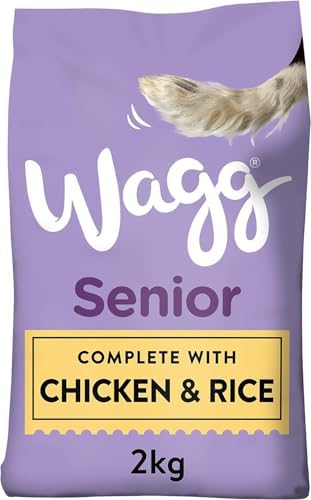
Wagg sits at the very affordable end and is widely available in supermarkets as well as online. It won’t compete with premium brands on meat percentage, but it’s a genuinely complete food that’s kept many UK dogs healthy for decades. Worth knowing: Wagg’s working dog range qualifies for VAT exemption in some cases, which shaves a little more off the price. We cover that detail in our budget dog food guide.
Check current price on Amazon UK
Chappie

A genuine legend in UK dog food. Made by Purina and recommended by vet nurses for decades as a gentle, low-fat option, particularly for dogs with sensitive digestion. The fish-based recipe is mild and budget-friendly.
Check current price on Amazon UK
Best Inexpensive Wet Dog Food Brands in the UK
Here are some of the most inexpensive wet dog foods provided because most people choose wet dog food for their dogs.
Butcher’s Tripe and Variety Packs
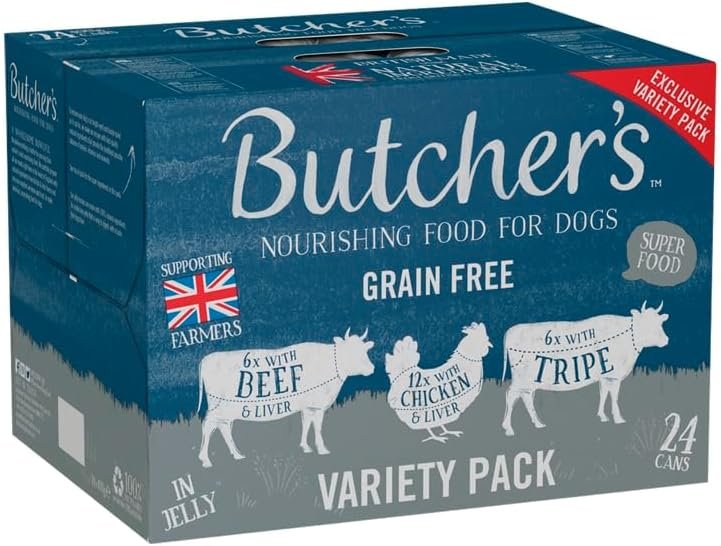
Butcher’s is the most popular dog food brand in the UK by sales volume, and the tripe and variety multipacks consistently rank among the most affordable wet options. Good texture and palatability for fussy eaters.
Pedigree Trays and Tins
Widely available, consistently priced, and a safe fallback when you need something on short notice from a supermarket shelf rather than ordering online.
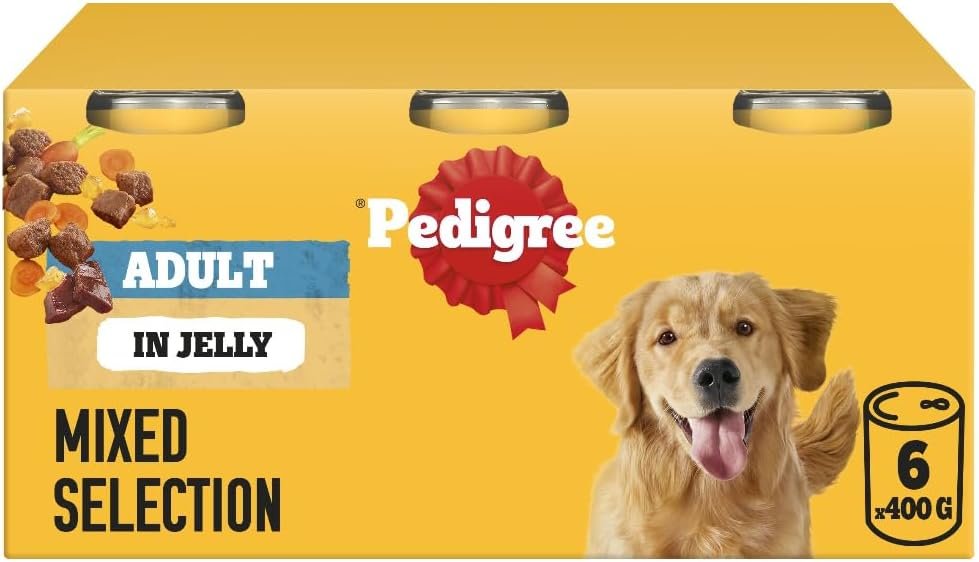
Pedigree Adult – Wet Dog Food
Pedigree Adult – Wet Dog Food – for Adult Dogs – Can Meaty Meals in Jelly – 6 x 400g (Pack of 4)
Bakers Meaty Meals
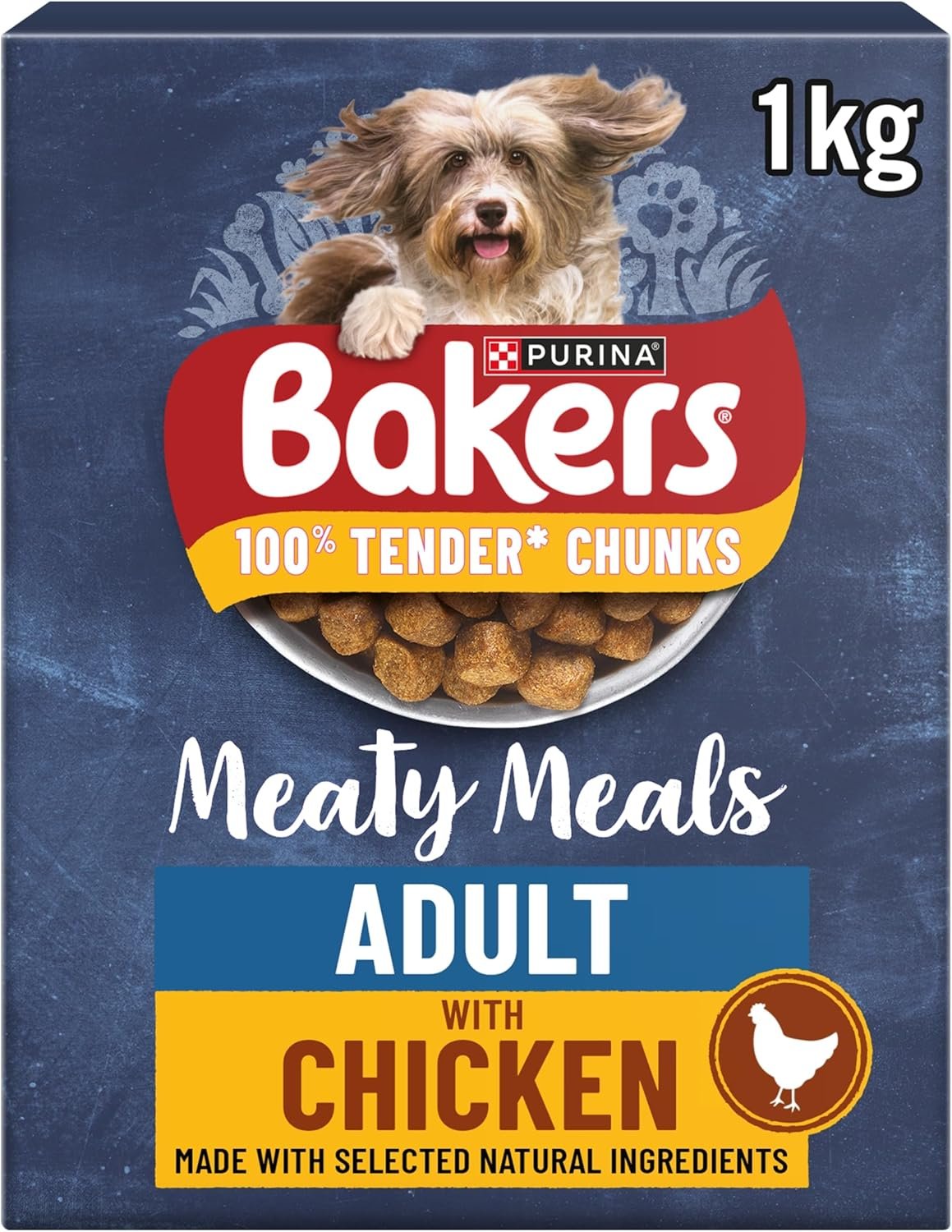
BAKERS Meaty Meals Adult Dry Dog Food
BAKERS Meaty Meals Dog food in multiple flavors lavour Name: Small Dog Beef
Small Dog Beef, Beef ,Chicken, Weight Control
Size Name: (Pack of 5) 1 kg, 14 kg,etc….
A reliable budget wet option with decent meat content for the price bracket, and pack sizes that suit multi-dog households.
Inexpensive Dog Food by Dog Type
Not every dog has the same needs, and price-per-day shifts depending on size and life stage.
Large Breeds
Larger dogs eat more food, so the per-kilogram cost of food is much more important for them than for smaller dogs. If you buy the largest bag possible for your storage capacity and keep it properly sealed and fresh, it can make a really noticeable difference in monthly expenses. Harringtons and Skinner’s are both available in 15kg bags, which significantly reduces the per-day feeding cost for large breeds like Labradors, German Shepherds and Rottweilers.
Puppies
Puppies need more protein and calcium during growth, and not every budget dog food is formulated for this life stage. So, instead of assuming that any adult budget formula will do, always look for the “puppy” or “growth” label on the package.
Both Skinner’s and Harringtons offer dedicated puppy recipes at around the same price point as their adult ranges. This way, you can choose a food that suits your puppy’s growth and nutritional needs without spending extra.
Senior Dogs
Older dogs generally require fewer calories, but the extra support for joints and digestion is more important. Many budget brands, including Autocracy, offer specially formulated recipes for senior dogs that include ingredients like glucosamine. Fortunately, these senior formulas are generally available at only a small extra cost compared to standard adult recipes.
Sensitive Stomachs
If your dog has problems with loose stools or skin flare-ups caused by certain proteins, it may be worth considering trying Chappie’s fish-based recipe or Autarky’s limited-ingredient range before switching to a prescription diet. Prescription diets are often many times more expensive than these options, so it may be a good idea to look at these practical and budget-friendly alternatives first. For a deeper breakdown of ingredients to avoid, see our sensitive stomach dog food guide.
How to Read a Dog Food Label Without Getting Fooled
Marketing copy on the front of the bag tells you almost nothing useful. The ingredients panel on the back tells you everything.
Check the order of ingredients. They’re listed by weight, heaviest first. If the first two or three ingredients are cereals (wheat, maize, rice) rather than a named meat or fish, you’re looking at a filler-heavy recipe, even if the front of the bag shows a picture of a juicy chicken breast.
Look for named proteins. “Chicken” or “salmon” tells you something. “Meat and animal derivatives” or “animal by-products” could be almost anything, including parts most owners wouldn’t choose to feed if they knew exactly what they were.
Check the percentage, not just the presence. A food can say “with chicken” while containing as little as 4% actual chicken, the legal minimum for that wording in the UK. “Chicken dinner,” “chicken formula,” and similar phrasing usually require a higher minimum, but it still pays to check the analytical constituents panel.
Confirm it says “complete.” Complete food provides everything a dog needs nutritionally on its own. Complementary food, often sold as treats or toppers, doesn’t, and shouldn’t form the bulk of a diet.
Look for FEDIAF compliance. The Federation of European Pet Food Industries sets nutritional standards that reputable UK brands follow. If a brand mentions FEDIAF on its packaging or site, that’s a reasonable trust signal.
A Simple Way to Work Out True Cost Per Day
Bag price alone is misleading. Here’s the calculation that actually matters:
- Find the feeding guide on the bag (usually based on your dog’s weight).
- Note the daily grams recommended for your dog.
- Divide the bag weight by that daily amount to get the number of days the bag will last.
- Divide the bag price by that number of days.
For example, a 15kg bag costing £32, recommended at 300g a day for a 20kg dog, lasts 50 days. That works out to 64p a day, even though the bag price looks steep at first glance.
Doing this calculation across two or three brands before buying usually reveals that the “cheap-looking” small bag is actually the more expensive option per day.
Where to Buy Inexpensive Dog Food in the UK
Amazon UK is one of the most convenient places to compare prices, read recent buyer reviews, and often catch subscribe-and-save discounts that knock a further 5-15% off the price for repeat orders. It’s worth setting up a subscription for whichever brand your dog settles on well, since the saving compounds over a year of feeding.
Supermarkets remain competitive for own-brand dry and wet food, and Aldi and Lidl in particular have built a reputation for keeping prices low without dropping nutritional standards entirely. Worth cross-checking against our budget dog food guide if supermarket own-brand is your main interest, since we go into more detail on those specific products there.
Common Mistakes That Quietly Cost You More
Buying the smallest bag “to try it first.” Small bags almost always cost more per kilo. If your dog is already eating a similar recipe successfully, buying larger reduces cost without adding risk.
Ignoring the feeding guide. Many owners overfeed without realising it, simply by eyeballing portions instead of weighing them. Overfeeding inflates your monthly cost regardless of how cheap the bag was.
Switching brands too often. Frequent diet changes can upset digestion, leading to vet visits that cost far more than any saving from chasing the cheapest bag each month. If you do need to switch, do it gradually. Our guide on how to switch dog food safely explains the transition process.
Skipping the label because the price looked right. A genuinely cheap food with poor ingredient quality can lead to skin issues, digestive upset, or weight problems, all of which cost more to treat than the few pounds saved on the bag.
Final Thoughts
Inexpensive dog food, done properly, is about smart selection rather than rock-bottom pricing. The brands covered here, Harringtons, Skinner’s, Autarky, Wagg, Chappie, Butcher’s, Pedigree, and Bakers, all sit in a price bracket most UK households can manage comfortably, while still meeting proper nutritional standards.
Read the label. Check the cost per day, not the cost per bag. And keep an eye on how your own dog responds, since the best inexpensive food is ultimately the one that keeps your dog healthy, happy, and at a steady weight without draining your wallet every month.
At dogfoodsuk.com, we keep testing and comparing UK dog food prices so owners don’t have to do all that label-reading themselves. For a wider comparison across every price tier, our best dog food brands UK guide covers premium, mid-range, and budget options side by side.