

Why UK dog owners are cooking for their dogs
Dog food recalls, unclear ingredient lists, and rising prices have pushed more UK owners toward homemade meals. When you cook your dog’s food yourself, you know exactly what goes into the bowl. No vague meat derivatives. No added colours or preservatives you didn’t sign up for.
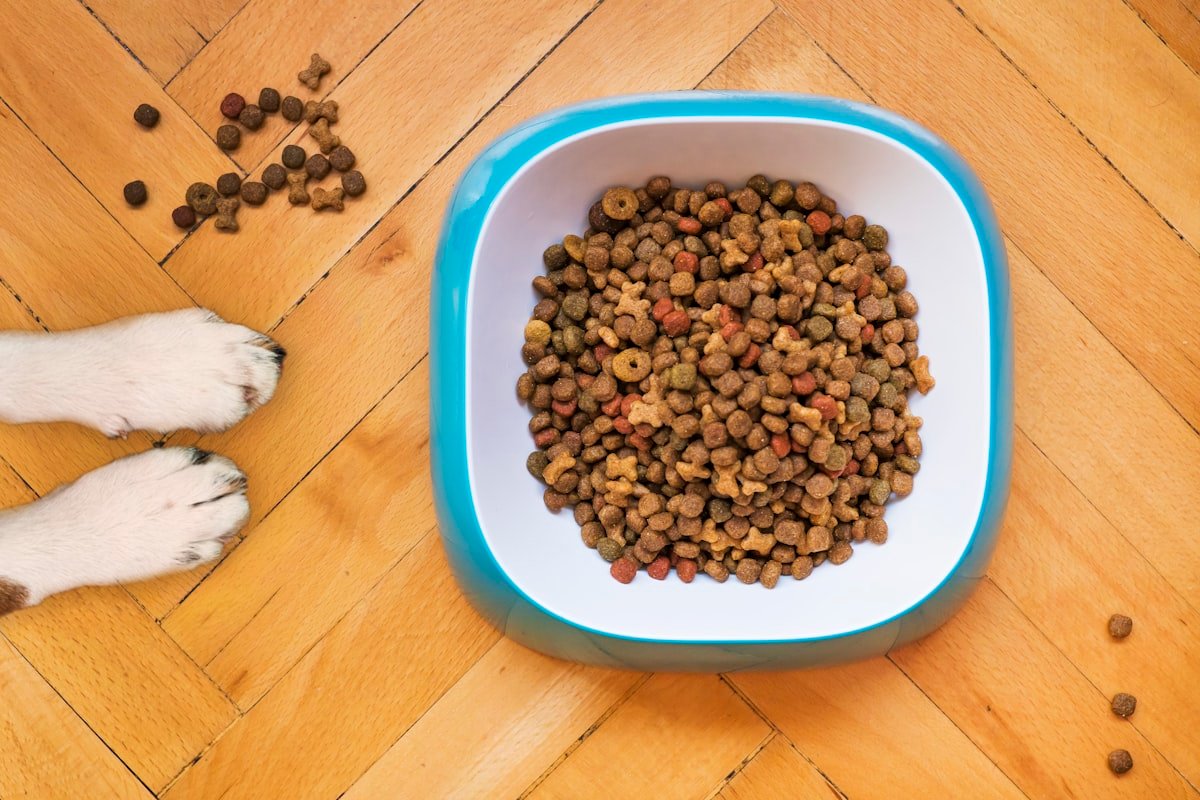
But there’s a catch. A plate of chicken and rice isn’t automatically a balanced meal. Dogs need specific ratios of protein, fat, carbohydrates, vitamins, and minerals. Miss one of those, and health problems build up over weeks and months.
The FEDIAF Nutritional Guidelines set the standard for complete and balanced pet food across Europe, including the UK. These guidelines cover everything from minimum protein levels to the correct calcium-to-phosphorus ratio. Any homemade recipe worth feeding long-term needs to meet these benchmarks, or come close with proper supplementation.
Most trusted pet nutrition sources focus on complete nutrition, life-stage suitability, ingredient quality, and feeding guidelines. This guide explains those points in simpler words so UK owners can compare options more confidently. We’ve also included 30+ vet-informed recipes organised by dog type, so you can find the right starting point for your dog.
If you’re weighing up homemade against commercial options, our guide on whether homemade dog food is better for dogs breaks down the pros and cons in detail.
What complete and balanced actually means
A dog food labelled complete provides all the nutrients your dog needs for daily life. Complementary means it needs to be mixed with something else to form a full meal. Those terms come from UK pet food regulation, and they matter because feeding an incomplete diet long-term leads to deficiencies.
According to the UK Pet Food organisation, homemade diets can work well but require careful planning to match the nutritional profiles that commercial foods are formulated to deliver. The FDA guidance on complete pet food explains how commercial foods achieve this through feeding trials or formulated nutrient analysis.
For homemade food, you’re responsible for hitting those targets yourself. That means tracking protein sources, adding calcium, ensuring the right fat levels, and supplementing vitamins and minerals where ingredients fall short.
Essential nutrients every homemade recipe must include
Protein
Dogs need protein for muscle maintenance, immune function, and energy. Adult dogs generally need a minimum of 18-25% protein on a dry matter basis. Good sources available in UK supermarkets include chicken thighs, turkey mince, lean beef, salmon, and eggs.
Fats
Fats provide concentrated energy and support skin, coat, and brain function. Omega-3 fatty acids from fish oil or sardines are particularly valuable. The AKC guide to homemade dog food ingredients recommends including healthy fats like fish oil, chicken fat, or coconut oil in measured amounts.
Carbohydrates
Rice (brown or white), sweet potatoes, oats, and pasta provide digestible energy. Dogs don’t strictly need carbohydrates, but they’re a practical and affordable energy source, especially for active dogs.
Vitamins and minerals
This is where homemade diets most often fall short. Calcium, phosphorus, zinc, iron, vitamin A, vitamin E, and B vitamins all need to be present in the right amounts. Most veterinary nutritionists recommend a balanced supplement designed specifically for homemade dog food. Without supplementation, deficiencies develop gradually and can be hard to spot until they cause real problems.
Ingredients to avoid: the toxic list
Some foods that are perfectly safe for humans are dangerous for dogs. According to published veterinary research on food toxicities in pets, the most common culprits include:
- Onions, garlic, chives, and leeks – all members of the Allium family can damage red blood cells and cause anaemia
- Grapes and raisins – even small amounts can cause kidney failure
- Chocolate – theobromine is toxic to dogs, with dark chocolate being the most dangerous
- Xylitol – found in sugar-free gum, peanut butter, and some baked goods; causes dangerous blood sugar drops
- Cooked bones – they splinter and can puncture the digestive tract
- Macadamia nuts – cause weakness, vomiting, and tremors
- Avocado – contains persin, which can cause vomiting in dogs
The ASPCA list of people foods to avoid feeding pets is a reliable reference. If your dog eats something on this list, contact your vet straight away.
Supplements worth considering
Even well-planned homemade recipes usually need supplementation. The most common additions recommended by veterinary sources include:
- Calcium supplement – ground eggshells or a commercial calcium carbonate supplement, especially if you’re not feeding bones
- Fish oil – for omega-3 fatty acids (EPA and DHA), supporting skin, coat, and joint health
- Complete multivitamin – a dog-specific supplement that covers vitamins A, D, E, B-complex, and trace minerals
- Probiotics – support gut health, especially during the transition to homemade food
Always check supplement doses with your vet. More isn’t better; excess calcium, for instance, can cause skeletal problems in growing puppies.
30+ healthy homemade balanced dog recipes by dog type
Every recipe below uses ingredients you can buy in UK supermarkets. Portions are approximate for a medium-sized dog (around 15-25kg). Adjust up or down based on your dog’s weight, activity level, and life stage. Your vet can help you calculate exact daily calorie needs.

Recipes for adult dogs
These recipes are designed for healthy adult dogs with no specific dietary issues. They provide a reasonable balance of protein, carbohydrates, and vegetables. Add a calcium supplement and a multivitamin to bring them closer to complete status.
Chicken, brown rice, and vegetable bowl
{“wprm_recipe”:{“instructions”:[{“id”:0,”text”:”Cook brown rice according to packet instructions.”},{“id”:0,”text”:”Boil chicken thighs until fully cooked (no pink inside).”},{“id”:0,”text”:”Steam carrots and green beans until soft.”},{“id”:0,”text”:”Chop chicken into bite-sized pieces.”},{“id”:0,”text”:”Mix everything together with fish oil and calcium supplement.”},{“id”:0,”text”:”Cool before serving.”}]}}
- Large pot
- Steamer
- Cutting board
- Knife
boneless chicken thighs
brown rice
diced carrots
green beans
fish oil
calcium supplement
Add a calcium supplement and a dog-specific multivitamin. Adjust portions based on your dog weight.
Recipe 1: Chicken, brown rice, and vegetable bowl
This is a straightforward starting point for owners new to homemade dog food. It uses affordable, widely available ingredients.
Ingredients: 500g boneless chicken thighs, 1 cup brown rice, 1 cup diced carrots, 1 cup green beans, 1 tablespoon fish oil, 1/2 teaspoon calcium supplement
Instructions: Cook brown rice according to packet instructions. Boil chicken thighs until fully cooked (no pink inside). Steam carrots and green beans until soft. Chop chicken into bite-sized pieces. Mix everything together with fish oil and calcium supplement. Cool before serving.
Prep time: 10 minutes | Cook time: 35 minutes | Servings: 4-5
Turkey mince and sweet potato mash
Turkey is lean and easy to digest. Sweet potatoes add fibre and beta-carotene. This combination suits dogs with mild digestive sensitivity.
turkey mince
sweet potatoes (peeled and cubed)
peas
coconut oil
calcium supplement
Suitable for dogs with mild digestive sensitivity.
Recipe 2: Turkey mince and sweet potato mash
Turkey is lean and easy to digest. Sweet potatoes add fibre and beta-carotene. This combination suits dogs with mild digestive sensitivity.
Ingredients: 500g turkey mince, 2 medium sweet potatoes (peeled and cubed), 1 cup peas, 1 tablespoon coconut oil, 1/2 teaspoon calcium supplement
Instructions: Brown turkey mince in a large pan with coconut oil. Boil sweet potatoes until soft, then mash. Steam peas until tender. Combine turkey, mashed sweet potato, and peas. Mix in calcium supplement. Cool before serving.
Prep time: 10 minutes | Cook time: 25 minutes | Servings: 4-5
Beef and vegetable slow cooker meal
A slow cooker makes batch cooking straightforward. Prep it in the evening and you will have several days of meals ready by morning.
lean beef stewing steak (chunked)
brown rice
diced carrots
broccoli florets
peas
fish oil
calcium supplement
Cook on low for 6-8 hours or high for 3-4 hours.
Recipe 3: Beef and vegetable slow cooker meal
A slow cooker makes batch cooking straightforward. Prep it in the evening and you’ll have several days of meals ready by morning.
Ingredients: 500g lean beef stewing steak (cut into chunks), 1 cup brown rice, 1 cup diced carrots, 1 cup chopped broccoli florets, 1/2 cup peas, 1 tablespoon fish oil, 1/2 teaspoon calcium supplement
Instructions: Place all ingredients except fish oil and calcium in a slow cooker. Add enough water to cover. Cook on low for 6-8 hours or high for 3-4 hours. Once cooked, shred beef and mix everything together. Stir in fish oil and calcium supplement. Cool before serving.
Prep time: 15 minutes | Cook time: 6-8 hours | Servings: 5-6
Salmon and rice with steamed greens
Salmon provides high-quality protein and omega-3 fatty acids. Fish-based meals should always be fully cooked to destroy harmful parasites.
salmon fillets (bones removed)
white rice
spinach
diced courgette
fish oil
Remove any remaining bones after cooking salmon.
Recipe 4: Salmon and rice with steamed greens
Salmon provides high-quality protein and omega-3 fatty acids. According to The Spruce Pets vet-approved recipe guidance, fish-based meals should always be fully cooked to destroy any harmful parasites.
Ingredients: 400g salmon fillets (bones removed), 1.5 cups white rice, 1 cup spinach, 1 cup diced courgette, 1 teaspoon fish oil
Instructions: Cook rice according to packet instructions. Steam salmon until fully opaque and flaky. Steam spinach and courgette until soft. Flake salmon, removing any remaining bones. Mix everything together. Cool before serving.
Prep time: 10 minutes | Cook time: 20 minutes | Servings: 4
Lamb and root vegetable casserole
Lamb is a rich protein source that most dogs enjoy. The root vegetables add fibre and natural sweetness.
lean lamb mince
carrots (diced)
parsnip (diced)
swede (cubed)
brown rice
olive oil
calcium supplement
Simmer until rice is cooked and vegetables are tender.
Recipe 5: Lamb and root vegetable casserole
Lamb is a rich protein source that most dogs enjoy. The root vegetables add fibre and natural sweetness.
Ingredients: 500g lean lamb mince, 2 medium carrots (diced), 1 large parsnip (diced), 1 cup swede (cubed), 1 cup brown rice, 1 tablespoon olive oil, 1/2 teaspoon calcium supplement
Instructions: Brown lamb mince in olive oil. Add diced root vegetables and cook for 5 minutes. Add brown rice and enough water to cover. Simmer for 25-30 minutes until rice is cooked and vegetables are tender. Mix in calcium supplement. Cool before serving.
Prep time: 15 minutes | Cook time: 35 minutes | Servings: 5-6
Recipes for small breed dogs
Small dogs (under 10kg) have faster metabolisms relative to their size. They need calorie-dense food in smaller portions. These recipes use smaller kibble-sized pieces and nutrient-dense ingredients.
Chicken and oatmeal for small breeds
Oats are gentler on small digestive systems than some grains. This recipe produces a soft, easily chewable meal.
chicken breast
rolled oats
finely grated carrot
peas
salmon oil
calcium supplement
Portion into small servings suitable for small breed dogs.
Recipe 6: Chicken and oatmeal for small breeds
Oats are gentler on small digestive systems than some grains. This recipe produces a soft, easily chewable meal.
Ingredients: 250g chicken breast, 1/2 cup rolled oats, 1/2 cup finely grated carrot, 1/4 cup peas, 1 teaspoon salmon oil, 1/4 teaspoon calcium supplement
Instructions: Cook chicken breast and chop into very small pieces. Cook oats in water until soft and porridge-like. Steam grated carrot and peas. Mix everything together with salmon oil and calcium. Portion into small servings.
Prep time: 10 minutes | Cook time: 20 minutes | Servings: 3-4
Turkey and quinoa bites
Quinoa is a complete protein source that is easy for small dogs to digest. This recipe works well as a complete meal or meal topper.
turkey mince
quinoa
diced sweet potato
finely chopped spinach
coconut oil
calcium supplement
Rinse quinoa thoroughly before cooking.
Recipe 7: Turkey and quinoa bites
Quinoa is a complete protein source that’s easy for small dogs to digest. This recipe works well as a complete meal or meal topper.
Ingredients: 250g turkey mince, 1/2 cup quinoa, 1/2 cup diced sweet potato, 1/4 cup finely chopped spinach, 1 teaspoon coconut oil, 1/4 teaspoon calcium supplement
Instructions: Rinse quinoa and cook according to packet instructions. Brown turkey mince in coconut oil. Steam sweet potato until soft. Mix everything together with finely chopped steamed spinach. Add calcium supplement. Cool before serving.
Prep time: 10 minutes | Cook time: 25 minutes | Servings: 3-4
Fish and potato for tiny tummies
White fish is lean and mild, making it a good choice for small dogs with sensitive digestion.
cod or haddock fillets
potato (peeled and cubed)
peas
finely grated carrot
fish oil
calcium supplement
Mash potato well for easier eating by small dogs.
Recipe 8: Fish and potato for tiny tummies
White fish is lean and mild, making it a good choice for small dogs with sensitive digestion.
Ingredients: 250g cod or haddock fillets, 1 medium potato (peeled and cubed), 1/4 cup peas, 1/4 cup finely grated carrot, 1 teaspoon fish oil, 1/4 teaspoon calcium supplement
Instructions: Poach fish until flaky. Boil potato until soft and mash. Steam peas and carrot. Flake fish and mix with mashed potato and vegetables. Add fish oil and calcium supplement. Cool and portion into small servings.
Prep time: 10 minutes | Cook time: 20 minutes | Servings: 3-4
Recipes for large breed dogs
Large breeds (over 25kg) need careful attention to calcium and phosphorus ratios, especially during growth. These recipes provide larger portions with appropriate nutrient density. For more on feeding large breeds, see our sensitive stomach guide for ingredient considerations.
Beef, rice, and pumpkin bulk meal
This recipe makes a large batch suitable for big dogs. Pumpkin adds fibre for healthy digestion.
lean beef mince
brown rice
pure pumpkin puree (not pie filling)
diced carrots
green beans
fish oil
calcium supplement
Use pure pumpkin puree, not pie filling which contains added sugar and spices.
Recipe 9: Beef, rice, and pumpkin bulk meal
This recipe makes a large batch suitable for big dogs. Pumpkin adds fibre for healthy digestion.
Ingredients: 1kg lean beef mince, 3 cups brown rice, 1 cup pure pumpkin puree (not pie filling), 2 cups diced carrots, 1 cup green beans, 2 tablespoons fish oil, 1 teaspoon calcium supplement
Instructions: Brown beef mince in a large pot. Drain excess fat. Add brown rice, carrots, and enough water to cover everything. Simmer for 30 minutes. Add green beans and pumpkin puree. Cook for another 10 minutes. Stir in fish oil and calcium. Cool completely before portioning.
Prep time: 20 minutes | Cook time: 45 minutes | Servings: 8-10
Chicken, sweet potato, and lentil stew for large dogs
Lentils add protein and fibre, making this a filling and nutritious option for larger dogs.
boneless chicken thighs
red lentils
sweet potatoes (cubed)
chopped kale
olive oil
calcium supplement
Lentils provide both protein and carbohydrates.
Recipe 10: Chicken, sweet potato, and lentil stew for large dogs
Lentils add protein and fibre, making this a filling and nutritious option for larger dogs.
Ingredients: 800g boneless chicken thighs, 2 cups red lentils, 2 large sweet potatoes (cubed), 2 cups chopped kale, 2 tablespoons olive oil, 1 teaspoon calcium supplement
Instructions: Cook chicken thighs and shred. Rinse lentils and cook until soft. Boil sweet potatoes until tender. Steam kale until wilted. Combine everything with olive oil and calcium supplement. Cool before serving.
Prep time: 20 minutes | Cook time: 40 minutes | Servings: 8-10
Salmon and barley for big dogs
Barley is a good alternative carbohydrate for dogs that may be sensitive to rice or wheat. It provides steady energy and fibre.
salmon fillets (bones removed)
pearl barley
diced carrots
peas
fish oil
calcium supplement
Ensure salmon is fully cooked with no pink remaining.
Recipe 11: Salmon and barley for big dogs
Barley is a good alternative carbohydrate for dogs that may be sensitive to rice or wheat. It provides steady energy and fibre.
Ingredients: 600g salmon fillets (bones removed), 3 cups pearl barley, 2 cups diced carrots, 1 cup peas, 2 tablespoons fish oil, 1 teaspoon calcium supplement
Instructions: Cook barley according to packet instructions. Steam salmon until fully cooked and flaky. Steam carrots and peas. Mix everything together. Add fish oil and calcium supplement. Cool before serving.
Prep time: 15 minutes | Cook time: 45 minutes | Servings: 8-9
Recipes for puppies
Puppies need more protein, calcium, and calories per kilogram of body weight than adult dogs. According to FEDIAF nutritional requirement guidelines, puppy food must support growth, bone development, and immune function. These recipes are higher in protein and include calcium, but always consult your vet about your puppy’s specific needs. For more puppy feeding guidance, check our best puppy food UK guide.
Puppy chicken and rice growth meal
A simple, high-protein recipe suitable for puppies from 8 weeks old. The rice is gentle on developing digestive systems.
chicken breast
white rice
finely grated carrot
peas
hard-boiled egg (chopped)
fish oil
calcium supplement
Feed smaller, more frequent meals (3-4 times daily for young puppies). Always consult your vet about your puppy specific needs.
Recipe 12: Puppy chicken and rice growth meal
A simple, high-protein recipe suitable for puppies from 8 weeks old. The rice is gentle on developing digestive systems.
Ingredients: 400g chicken breast, 1 cup white rice, 1/2 cup finely grated carrot, 1/4 cup peas, 1 hard-boiled egg (chopped), 1 teaspoon fish oil, 3/4 teaspoon calcium supplement
Instructions: Cook chicken breast thoroughly and chop into very small pieces. Cook rice until soft. Steam carrot and peas until very tender. Mix everything together with chopped egg, fish oil, and calcium supplement. Cool to room temperature before feeding. Feed smaller, more frequent meals (3-4 times daily for young puppies).
Prep time: 10 minutes | Cook time: 25 minutes | Servings: 4
Turkey, sweet potato, and egg puppy porridge
Eggs provide excellent bioavailable protein for growing puppies. This soft-textured meal is easy for young puppies to eat.
turkey mince
sweet potato (cooked and mashed)
eggs (scrambled)
finely chopped spinach
salmon oil
calcium supplement
Scramble eggs without butter or salt.
Recipe 13: Turkey, sweet potato, and egg puppy porridge
Eggs provide excellent bioavailable protein for growing puppies. This soft-textured meal is easy for young puppies to eat.
Ingredients: 300g turkey mince, 1 sweet potato (cooked and mashed), 2 eggs (scrambled), 1/4 cup finely chopped spinach, 1 teaspoon salmon oil, 3/4 teaspoon calcium supplement
Instructions: Brown turkey mince thoroughly. Scramble eggs in a separate pan (no butter or salt). Mash cooked sweet potato. Steam spinach until very soft and chop finely. Combine all ingredients with salmon oil and calcium supplement. Cool and serve in small portions.
Prep time: 10 minutes | Cook time: 15 minutes | Servings: 3-4
Beef and oatmeal puppy blend
Beef provides iron and protein. Oatmeal is gentle on puppy tummies and provides sustained energy.
lean beef mince
rolled oats
grated carrot
peas
scrambled egg
fish oil
calcium supplement
Cook beef until no pink remains. Cook oats until soft and creamy.
Recipe 14: Beef and oatmeal puppy blend
Beef provides iron and protein. Oatmeal is gentle on puppy tummies and provides sustained energy.
Ingredients: 350g lean beef mince, 1 cup rolled oats, 1/2 cup grated carrot, 1/4 cup peas, 1 scrambled egg, 1 teaspoon fish oil, 3/4 teaspoon calcium supplement
Instructions: Cook beef mince until no pink remains. Cook oats with water until soft and creamy. Steam carrot and peas. Scramble egg. Mix everything together with fish oil and calcium. Cool before serving.
Prep time: 10 minutes | Cook time: 20 minutes | Servings: 3-4
Recipes for senior dogs

Older dogs often need fewer calories but higher-quality protein to maintain muscle mass. Joint-supporting ingredients like fish oil and softer textures help with age-related changes. For more on senior nutrition, see our anti-inflammatory foods guide.
Soft chicken and vegetable senior meal
This recipe uses softer-cooked ingredients that are easier for older dogs to chew and digest. Turmeric can help support joint health.
chicken thighs
white rice (overcooked slightly)
steamed carrots (mashed)
steamed courgette
fish oil
calcium supplement
turmeric
Turmeric can help support joint health in older dogs.
Recipe 15: Soft chicken and vegetable senior meal
This recipe uses softer-cooked ingredients that are easier for older dogs to chew and digest.
Ingredients: 400g chicken thighs, 1 cup white rice (overcooked slightly for softness), 1/2 cup steamed carrots (mashed), 1/2 cup steamed courgette, 1 tablespoon fish oil, 1/2 teaspoon calcium supplement, 1/4 teaspoon turmeric
Instructions: Cook chicken thighs until very tender, then shred. Cook rice with extra water until soft. Mash steamed carrots and courgette. Mix everything together with fish oil, calcium, and turmeric. Turmeric can help support joint health in older dogs. Cool before serving.
Prep time: 10 minutes | Cook time: 30 minutes | Servings: 4-5
Fish and sweet potato for senior digestion
White fish is lean and easy to digest. Sweet potato provides gentle fibre for older digestive systems.
white fish fillets
sweet potato (mashed)
steamed spinach
salmon oil
calcium supplement
Bake or boil sweet potato until very soft, then mash thoroughly.
Recipe 16: Fish and sweet potato for senior digestion
White fish is lean and easy to digest. Sweet potato provides gentle fibre for older digestive systems.
Ingredients: 350g white fish fillets, 1 large sweet potato (mashed), 1/2 cup steamed spinach, 1 tablespoon salmon oil, 1/2 teaspoon calcium supplement
Instructions: Poach fish until flaky. Bake or boil sweet potato until very soft, then mash. Steam spinach and chop finely. Combine all ingredients with salmon oil and calcium supplement. Cool before serving.
Prep time: 10 minutes | Cook time: 25 minutes | Servings: 4
Turkey and pumpkin senior comfort food
Pumpkin is excellent for digestive regularity in older dogs. This mild recipe is gentle on sensitive stomachs.
turkey mince
pure pumpkin puree
cooked white rice
steamed green beans (chopped small)
coconut oil
calcium supplement
Use pure pumpkin puree, not pie filling.
Recipe 17: Turkey and pumpkin senior comfort food
Pumpkin is excellent for digestive regularity in older dogs. This mild recipe is gentle on sensitive stomachs.
Ingredients: 400g turkey mince, 1 cup pure pumpkin puree, 1 cup cooked white rice, 1/2 cup steamed green beans (chopped small), 1 tablespoon coconut oil, 1/2 teaspoon calcium supplement
Instructions: Brown turkey mince in coconut oil. Mix with cooked rice, pumpkin puree, and steamed green beans. Add calcium supplement. Cool before serving.
Prep time: 10 minutes | Cook time: 20 minutes | Servings: 4-5
Recipes for dogs with sensitive stomachs
Dogs with sensitive digestion benefit from simple, limited-ingredient meals. Avoid rich proteins like lamb or beef initially. Stick to easily digestible proteins like turkey or white fish, and simple carbohydrates like rice or sweet potato. Our sensitive stomach dog food guide covers this topic in more depth.
Turkey and plain rice bland diet
The go-to recipe for dogs recovering from digestive upset. This is a temporary bland diet for digestive recovery.
turkey mince (very lean)
white rice
steamed carrots
This is a temporary bland diet. Add supplements only after your dog digestion has stabilised.
Recipe 18: Turkey and plain rice bland diet
This is the go-to recipe for dogs recovering from digestive upset. It’s the canine equivalent of plain toast when you’re poorly.
Ingredients: 300g turkey mince (very lean), 1.5 cups white rice, 1/2 cup steamed carrots
Instructions: Boil turkey mince until fully cooked (drain any fat). Cook rice with extra water until very soft. Steam carrots until mushy. Mix together. This is a temporary bland diet; add supplements only after your dog’s digestion has stabilised. Cool before serving.
Prep time: 5 minutes | Cook time: 25 minutes | Servings: 3-4
White fish and potato for upset stomachs
White fish is one of the most digestible proteins available. Combined with potato, this recipe is extremely gentle.
cod or haddock fillets
potatoes (peeled and cubed)
steamed courgette
Introduce supplements gradually once digestion normalises.
Recipe 19: White fish and potato for upset stomachs
White fish is one of the most digestible proteins available. Combined with potato, this recipe is extremely gentle.
Ingredients: 300g cod or haddock fillets, 2 medium potatoes (peeled and cubed), 1/4 cup steamed courgette
Instructions: Poach fish until flaky. Boil potatoes until very soft and mash. Steam courgette until tender. Mix everything together into a soft consistency. Cool before serving. Introduce supplements gradually once digestion normalises.
Prep time: 10 minutes | Cook time: 20 minutes | Servings: 3-4
Chicken broth recovery meal
When a dog has been vomiting or has diarrhoea, hydration is as important as nutrition. This broth-based meal provides both.
chicken thighs (bone-in, for broth)
white rice
steamed and mashed carrot
Serve lukewarm, not cold. Discard all bones before feeding.
Recipe 20: Chicken broth recovery meal
When a dog has been vomiting or has diarrhoea, hydration is as important as nutrition. This broth-based meal provides both.
Ingredients: 2 chicken thighs (bone-in, for broth), 1 cup white rice, 1/2 cup steamed and mashed carrot
Instructions: Place chicken thighs in a large pot, cover with water, and simmer for 45 minutes to create broth. Remove chicken, discard bones, and shred meat. Cook rice in the broth until soft. Mix shredded chicken, rice, and mashed carrot. Serve lukewarm, not cold.
Prep time: 10 minutes | Cook time: 50 minutes | Servings: 3-4
Recipes for overweight dogs
Overweight dogs need lower-calorie, higher-fibre meals that still feel satisfying. Replace some of the carbohydrate with vegetables and keep fats minimal. For more help, our high-protein dog food guide discusses weight management through nutrition.
Turkey and vegetable low-cal bowl
This recipe replaces much of the grain with vegetables to reduce calories while maintaining volume.
turkey breast (very lean)
brown rice
steamed broccoli florets
steamed green beans
diced courgette
fish oil
calcium supplement
No added oils to keep calories down. High vegetable content keeps portions generous.
Recipe 21: Turkey and vegetable low-cal bowl
This recipe replaces much of the grain with vegetables to reduce calories while maintaining volume.
Ingredients: 350g turkey breast (very lean), 1/2 cup brown rice, 1 cup steamed broccoli florets, 1 cup steamed green beans, 1 cup diced courgette, 1 teaspoon fish oil, 1/2 teaspoon calcium supplement
Instructions: Cook turkey breast and chop into pieces. Cook brown rice. Steam all vegetables until tender but not mushy. Mix everything together. Add fish oil and calcium supplement. Cool before serving. The high vegetable content keeps portions looking generous while reducing calories.
Prep time: 15 minutes | Cook time: 25 minutes | Servings: 4-5
Chicken and pumpkin weight management meal
Pumpkin is low in calories but high in fibre, helping dogs feel full without overeating.
chicken breast
pure pumpkin puree
cooked brown rice
steamed carrots
steamed spinach
calcium supplement
No added oils to keep calories down.
Recipe 22: Chicken and pumpkin weight management meal
Pumpkin is low in calories but high in fibre, helping dogs feel full without overeating.
Ingredients: 300g chicken breast, 1 cup pure pumpkin puree, 1/2 cup cooked brown rice, 1 cup steamed carrots, 1 cup steamed spinach, 1/2 teaspoon calcium supplement
Instructions: Cook chicken breast and chop into small pieces. Mix with pumpkin puree, cooked rice, and steamed vegetables. Add calcium supplement. No added oils to keep calories down. Cool before serving.
Prep time: 10 minutes | Cook time: 20 minutes | Servings: 4
Recipe 23: White fish and green bean slim-down stew
White fish is naturally low in fat. Green beans add bulk without calories. This combination supports steady weight loss.
Ingredients: 400g white fish fillets, 1/2 cup white rice, 2 cups steamed green beans, 1 cup diced courgette, 1/2 teaspoon calcium supplement
Instructions: Poach fish until flaky. Cook rice. Steam green beans and courgette until tender. Mix everything together with calcium supplement. No added oils. Cool before serving.
Prep time: 10 minutes | Cook time: 20 minutes | Servings: 4-5
Recipes for active and working dogs
Active dogs, working breeds, and dogs that exercise hard need more calories and higher fat content. These recipes provide extra energy for dogs that burn it.
High-energy beef and egg performance meal
This calorie-dense recipe supports dogs with high energy demands. Eggs add extra protein and fats.
lean beef mince
brown rice
eggs (hard-boiled and chopped)
diced carrots
peas
fish oil
calcium supplement
Ideal for active and working dogs.
Recipe 23: High-energy beef and egg performance meal
This calorie-dense recipe supports dogs with high energy demands. Eggs add extra protein and fats.
Ingredients: 500g lean beef mince, 1 cup brown rice, 3 eggs (hard-boiled and chopped), 1 cup diced carrots, 1 cup peas, 2 tablespoons fish oil, 1/2 teaspoon calcium supplement
Instructions: Brown beef mince. Cook brown rice. Steam carrots and peas. Hard-boil eggs and chop. Mix everything together with fish oil and calcium supplement. Cool before serving.
Prep time: 15 minutes | Cook time: 30 minutes | Servings: 5-6
Salmon and sweet potato active dog fuel
Salmon provides omega-3 fatty acids for recovery, and sweet potato offers sustained energy release.
salmon fillets
sweet potatoes (cubed)
steamed kale
fish oil
calcium supplement
For dogs that exercise hard and need extra energy.
Recipe 24: Salmon and sweet potato active dog fuel
Salmon provides omega-3 fatty acids for recovery, and sweet potato offers sustained energy release.
Ingredients: 500g salmon fillets, 2 large sweet potatoes (cubed), 1 cup steamed kale, 2 tablespoons fish oil, 1/2 teaspoon calcium supplement
Instructions: Bake salmon until fully cooked. Roast sweet potatoes until soft. Steam kale until wilted. Flake salmon and mix with sweet potato and kale. Add fish oil and calcium supplement. Cool before serving.
Prep time: 15 minutes | Cook time: 35 minutes | Servings: 5-6
Grain-free recipes
Some owners prefer grain-free recipes, though grain-free feeding has nuances worth understanding. These recipes use alternative carbohydrates. If your dog has no diagnosed grain allergy, grains like brown rice and oats are generally healthy and cost-effective.
Chicken and sweet potato grain-free bowl
Sweet potato replaces grains as the carbohydrate source. This recipe is simple and widely tolerated.
chicken thighs
sweet potatoes (cubed and cooked)
steamed broccoli
peas
coconut oil
calcium supplement
If your dog has no diagnosed grain allergy, grains like brown rice are generally healthy and cost-effective.
Recipe 25: Chicken and sweet potato grain-free bowl
Sweet potato replaces grains as the carbohydrate source. This recipe is simple and widely tolerated.
Ingredients: 400g chicken thighs, 2 large sweet potatoes (cubed and cooked), 1 cup steamed broccoli, 1/2 cup peas, 1 tablespoon coconut oil, 1/2 teaspoon calcium supplement
Instructions: Cook chicken thighs and chop into pieces. Bake or boil sweet potatoes until soft. Steam broccoli and peas. Mix everything together with coconut oil and calcium supplement. Cool before serving.
Prep time: 15 minutes | Cook time: 30 minutes | Servings: 4-5
Turkey and lentil grain-free stew
Lentils provide both protein and carbohydrates, making them a good grain-free base. They are also high in fibre.
turkey mince
red lentils
sweet potato (cubed)
chopped carrots
spinach
olive oil
calcium supplement
Add spinach in the last 5 minutes of cooking.
Recipe 26: Turkey and lentil grain-free stew
Lentils provide both protein and carbohydrates, making them a good grain-free base. They’re also high in fibre.
Ingredients: 400g turkey mince, 1.5 cups red lentils, 1 large sweet potato (cubed), 1 cup chopped carrots, 1 cup spinach, 1 tablespoon olive oil, 1/2 teaspoon calcium supplement
Instructions: Brown turkey mince in olive oil. Add lentils, sweet potato, and carrots. Cover with water and simmer for 25-30 minutes until lentils are soft. Add spinach in the last 5 minutes. Mix in calcium supplement. Cool before serving.
Prep time: 15 minutes | Cook time: 35 minutes | Servings: 5-6
Budget-friendly recipes
Homemade dog food doesn’t have to be expensive. These recipes use affordable ingredients available in any UK supermarket without compromising on nutrition.
Chicken carcass soup and rice
Chicken carcasses from your local butcher are cheap and make excellent broth. Picked meat provides protein and the broth adds flavour.
raw chicken carcasses (from butcher)
white rice
carrots (diced)
peas
calcium supplement
Bones must be removed completely before feeding. Simmer carcasses for 2 hours then pick off meat.
Recipe 27: Chicken carcass soup and rice
Chicken carcasses from your local butcher are cheap and make excellent broth. Picked meat provides protein, and the broth adds flavour and nutrients.
Ingredients: 2 raw chicken carcasses (from butcher), 2 cups white rice, 2 carrots (diced), 1 cup peas, 1/2 teaspoon calcium supplement
Instructions: Place chicken carcasses in a large pot. Cover with water and simmer for 2 hours. Remove carcasses, pick off all meat, and discard bones. Strain broth. Cook rice in the broth. Add diced carrots and peas. Mix in picked chicken meat and calcium supplement. Cool completely before serving. Bones must be removed completely before feeding.
Prep time: 15 minutes | Cook time: 2.5 hours | Servings: 8-10
Bulk turkey and vegetable freezer meals
Cooking in bulk and freezing portions saves both time and money. This recipe makes enough for over a week.
turkey mince
brown rice
diced carrots
green beans
peas
fish oil
calcium supplement
Portion into individual servings. Freeze what you won not use within 3 days. Thaw in fridge overnight.
Recipe 28: Bulk turkey and vegetable freezer meals
Cooking in bulk and freezing portions saves both time and money. This recipe makes enough for over a week.
Ingredients: 1kg turkey mince, 4 cups brown rice, 2 cups diced carrots, 2 cups green beans, 2 cups peas, 3 tablespoons fish oil, 2 teaspoons calcium supplement
Instructions: Brown turkey mince in batches. Cook brown rice. Steam all vegetables. Mix everything together in a large container. Stir in fish oil and calcium supplement. Portion into individual serving-sized containers. Freeze what you won’t use within 3 days. Thaw in the fridge overnight before serving.
Prep time: 30 minutes | Cook time: 45 minutes | Servings: 12-15
Liver and rice budget booster
Liver is inexpensive, nutrient-dense, and most dogs love it. Feed in moderation because it is very rich in vitamin A.
chicken or beef liver
chicken mince
white rice
carrots (diced)
peas
fish oil
calcium supplement
Do not feed every day due to high vitamin A content. Rotate with other recipes.
Recipe 29: Liver and rice budget booster
Liver is inexpensive, nutrient-dense, and most dogs love it. Feed in moderation because it’s very rich in vitamin A.
Ingredients: 250g chicken or beef liver, 500g chicken mince, 2 cups white rice, 2 carrots (diced), 1 cup peas, 1 tablespoon fish oil, 1 teaspoon calcium supplement
Instructions: Cook liver briefly (overcooking makes it tough). Cook chicken mince thoroughly. Cook rice. Steam carrots and peas. Mix everything together with fish oil and calcium supplement. Because liver is rich in vitamin A, this recipe should not be fed every single day. Rotate it with other recipes throughout the week. Cool before serving.
Prep time: 15 minutes | Cook time: 30 minutes | Servings: 6-8
Extra recipes: meal toppers and treats

Bone broth topper
Bone broth is a nutritious addition to any meal. It supports joint health, hydration, and digestion.
beef marrow bones or chicken carcasses
carrots (roughly chopped)
apple cider vinegar
enough water to cover
Simmer on low for 12-24 hours. Strain and discard bones. Keeps in fridge for 5 days or freeze for 3 months. Serve as a meal topper.
Recipe 30: Bone broth topper
Bone broth is a nutritious addition to any meal. It supports joint health, hydration, and digestion.
Ingredients: 1kg beef marrow bones or chicken carcasses, 2 carrots (roughly chopped), 1 tablespoon apple cider vinegar, enough water to cover
Instructions: Place bones in a large pot or slow cooker. Add chopped carrots and apple cider vinegar (the vinegar helps extract minerals from the bones). Cover with water. Simmer on low for 12-24 hours. Strain through a fine sieve. Discard bones. Refrigerate; the broth will set into a jelly when cold. Scoop a spoonful over your dog’s regular meal. Keeps in the fridge for up to 5 days or freeze for up to 3 months.
Prep time: 10 minutes | Cook time: 12-24 hours | Servings: 15-20 topper portions
Frozen banana and peanut butter treats
Quick, healthy treats your dog will love. Always use peanut butter that does not contain xylitol.
ripe bananas
peanut butter (xylitol-free)
plain yoghurt
Freeze for at least 4 hours. Feed 1-2 cubes as a treat. Always check the peanut butter label for xylitol.
Recipe 31: Frozen banana and peanut butter treats
Quick, healthy treats your dog will love. Use peanut butter that does not contain xylitol.
Ingredients: 2 ripe bananas, 2 tablespoons peanut butter (xylitol-free), 1 tablespoon plain yoghurt
Instructions: Mash bananas. Mix with peanut butter and yoghurt. Spoon into silicone ice cube moulds. Freeze for at least 4 hours. Pop out and store in a freezer bag. Feed 1-2 cubes as a treat. Always check the peanut butter label for xylitol, which is toxic to dogs.
Prep time: 5 minutes | Cook time: 0 minutes (freeze 4+ hours) | Servings: 20+ treat cubes
How to calculate portion sizes for your dog
A common starting point is to feed roughly 2-3% of your dog’s body weight in food per day. So a 20kg dog would eat roughly 400-600g of food daily. This varies based on activity level, age, metabolism, and the calorie density of the recipe.
According to the Healthy Paws guide to homemade dog food, working with your vet to determine the right portion size is one of the most important steps. Your vet can calculate your dog’s resting energy requirement (RER) and adjust for activity level.
Monitor your dog’s weight regularly. If they’re gaining weight, reduce portions slightly. If they’re losing weight or looking thin, increase them. Adjust gradually over 1-2 weeks, not all at once.
Transitioning to homemade food safely
Sudden diet changes cause diarrhoea and stomach upset in most dogs. Switch gradually over 7-10 days. Our guide on how to switch dog food safely explains the process in detail, but here’s the short version:
- Days 1-2: 75% current food, 25% homemade
- Days 3-4: 50% current food, 50% homemade
- Days 5-6: 25% current food, 75% homemade
- Days 7 onwards: 100% homemade
If your dog develops loose stools at any point, slow down the transition. Go back to the previous ratio for a few more days before increasing the homemade portion again.
Storing homemade dog food safely
Freshly cooked homemade dog food keeps in the fridge for 3-4 days in an airtight container. For longer storage, freeze individual portions in freezer bags or containers. Frozen meals last up to 3 months.
Thaw frozen meals in the fridge overnight, never at room temperature. Serve food at room temperature, not straight from the fridge (cold food can slow digestion). Don’t refreeze meals that have already been thawed.
Wash your dog’s bowl daily. Bacteria builds up quickly in bowls that aren’t cleaned, especially with moist homemade food.
When to see your vet
Homemade dog food can be a healthy option, but it’s not a substitute for veterinary care. Talk to your vet before making significant dietary changes, especially if your dog has existing health conditions, is pregnant or nursing, or is a growing puppy.
Book a vet appointment if your dog shows any of these signs while on a homemade diet:
- Unexplained weight loss or gain
- Dull or thinning coat
- Lethargy or low energy
- Persistent digestive problems
- Changes in appetite
- Pale gums or weakness
Regular blood tests (every 6-12 months) can catch nutrient deficiencies early, before they cause visible symptoms.
Frequently asked questions
Can I feed my dog homemade food every day?
Yes, as long as the recipes are properly balanced with the right protein, fat, carbohydrate, vitamin, and mineral levels. Long-term feeding of unbalanced homemade food causes gradual health problems. Using a vet-formulated recipe balancer or working with a veterinary nutritionist gives you confidence that daily homemade meals meet your dog’s nutritional needs.
Do I need to add supplements to homemade dog food?
In most cases, yes. Even well-planned recipes with varied ingredients tend to fall short on calcium, specific vitamins (like vitamin D and E), and trace minerals (like zinc and iron). A dog-specific multivitamin and calcium supplement fill those gaps. Your vet can recommend the right products and doses for your dog.
Is it cheaper to make dog food at home?
It depends on what you compare it to. Homemade food is often cheaper than premium commercial brands, but may cost more than basic supermarket kibble. Buying ingredients in bulk, using cheaper proteins like chicken and turkey, and batch-cooking freezer meals keeps costs down.
Can puppies eat homemade dog food?
Puppies can eat homemade food, but their nutritional requirements are different from adult dogs. They need more protein, calcium, and phosphorus per kilogram of body weight to support growth. The AKC homemade food guidance stresses that puppy recipes should be developed with veterinary input to ensure proper bone and muscle development.
How do I know if my homemade recipe is balanced?
Signs of a balanced diet include: stable weight, healthy coat and skin, normal energy levels, firm stools, and clean teeth. The most reliable way to confirm balance is through regular vet check-ups and blood tests. Online tools like Balance IT can help you design recipes that meet nutritional standards.
Can I feed raw meat as part of a homemade diet?
Raw feeding is a separate topic with its own benefits and risks. If you’re interested in raw feeding, our raw and BARF diet guide covers the basics. If you choose to feed raw, handle meat separately from cooked ingredients, clean all surfaces thoroughly, and consult your vet about the specific risks for your dog.
What if my dog won’t eat the homemade food?
Some dogs are suspicious of new foods at first. Try mixing a small amount of homemade food with their current food and gradually increasing the ratio. Warming the food slightly can make it more appealing. Adding a small amount of low-sodium chicken broth on top can encourage picky eaters. If your dog consistently refuses homemade food after several attempts, consult your vet to rule out underlying health issues.
How long can I store homemade dog food?
Homemade dog food keeps for 3-4 days in the fridge in an airtight container. In the freezer, individual portions last up to 3 months. Label containers with the date they were made. Always thaw frozen meals in the fridge overnight before serving. Discard any food that smells off or has been left at room temperature for more than 2 hours.
Should I cook the vegetables or feed them raw?
Lightly steaming vegetables makes their nutrients more accessible to your dog’s digestive system. Raw vegetables like carrots can be fed as crunchy treats, but they pass through largely undigested. For the recipes in this guide, steam or cook vegetables until tender but not mushy to preserve nutrients while improving digestibility.
Can I use these recipes if my dog has allergies?
If your dog has diagnosed food allergies, you’ll need to identify and avoid the specific ingredients that trigger reactions. Common allergens include chicken, beef, dairy, wheat, and soy. Consider our sensitive stomach food guide for dogs with dietary sensitivities. Work with your vet to identify problem ingredients and adapt recipes accordingly.