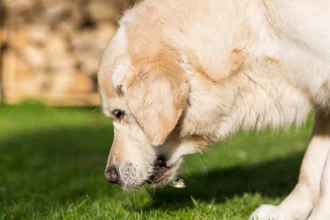


If your dog suffers from itchy skin, recurring ear infections, or an upset stomach that never seems to go away, the answer might not be another trip to the vet. It might be sitting right there in their food bowl. Traditional dog foods rely heavily on chicken, beef, and lamb, and over time, repeated exposure to these proteins can trigger allergies that make your dog miserable. That is where insect dog food UK comes in, and it is quickly becoming one of the most talked-about solutions for dogs with food sensitivities.
At dogfoodsuk.com, we have been following the rise of insect-based dog food in the UK for several years now. What started as a niche idea has grown into a genuine category with multiple brands, strong veterinary backing, and thousands of happy UK dog owners. In this guide, we will explain exactly what insect-based dog food is, how it works, which brands are worth trying in the UK, and whether it could be the right choice for your dog.
What Is Insect-Based Dog Food?
Insect-based dog food is exactly what it sounds like. Instead of using chicken, beef, lamb, or fish as the main source of protein, these foods use protein derived from insects. The most commonly used insect in commercial dog food is the black soldier fly (Hermetia illucens), though some brands also use crickets or mealworms in smaller quantities.
The concept might sound unusual at first, but it is important to remember that dogs in the wild have always eaten insects. They are natural scavengers, and insects are a normal part of their ancestral diet. Commercial insect-based dog foods simply take this natural protein source and process it into a safe, nutritionally complete, and consistent product that meets all the standards set by FEDIAF (the European Pet Food Industry Federation) and UK Pet Food (formerly the Pet Food Manufacturers Association).
The insects are farmed in controlled, hygienic facilities, typically in the UK or the European Union. They are fed on food waste such as fruit and vegetable scraps, which is another environmental benefit we will explore later. Once the larvae reach the right stage of development, they are harvested, gently dried, and processed into a high-quality protein meal that can be used in both dry kibble and wet food recipes.
The result is a dog food that looks, smells, and tastes remarkably similar to conventional dog food. Most dog owners are surprised by how normal it appears. More importantly, most dogs seem to love it. According to Smart Bark, one of the UK’s leading independent dog product review sites, the palatability of insect-based dog food has been consistently rated as excellent across multiple brands.
Black Soldier Fly Protein Explained
The black soldier fly is the star of the insect-based dog food world, and for very good reason. This small, harmless fly native to warm climates produces larvae that are incredibly nutritious. Here is a closer look at what makes black soldier fly larvae (BSFL) such an impressive protein source for dogs.
Nutritional Profile
Black soldier fly larvae contain up to 50% crude protein by dry weight, which puts them on par with or even above many traditional meat sources. But the quality of the protein matters just as much as the quantity, and BSFL delivers on this front too. The protein contains all ten essential amino acids that dogs need, including high levels of leucine, lysine, and methionine, which are critical for muscle maintenance, immune function, and healthy skin and coat.
Beyond protein, black soldier fly larvae are rich in healthy fats, particularly lauric acid, which is a medium-chain triglyceride (MCT) known for its antimicrobial and anti-inflammatory properties. Lauric acid is also found in coconut oil and has been linked to improved brain function, skin health, and digestive wellness in dogs. The larvae also provide essential minerals including calcium, phosphorus, zinc, and iron, along with B vitamins that support energy metabolism.
A peer-reviewed study published in PMC (NIH) concluded that BSFL meal and BSFL oil are well tolerated by dogs and that their consumption results in no impact to physiology that would be concerning. Another study in the same database found that black soldier fly larvae as a protein source showed excellent nutrient digestibility in beagle dogs, with faecal microbiota remaining healthy and well-balanced.
How the Insects Are Farmed
Insect farming for pet food is a tightly regulated process in the UK and the EU. Black soldier fly larvae are reared in purpose-built, biosecure facilities where temperature, humidity, and lighting are carefully controlled. The larvae are fed on a diet of fruit and vegetable waste collected from food processing plants, supermarkets, and agricultural operations. This means the insects are not competing with humans for food, which is a key advantage over traditional livestock farming.
The farming cycle is remarkably fast. Black soldier fly eggs hatch within a few days, and the larvae grow to their full size in approximately two weeks. At this point, they are harvested and gently dried at low temperatures to preserve their nutritional value. The entire process uses a fraction of the land, water, and energy required to produce the same amount of protein from cattle, chicken, or pigs.
It is also worth noting that the insects are euthanised humanely through a rapid chilling process, and the entire farming operation is subject to the same food safety standards as any other pet food ingredient production facility in the UK.
Nutritional Benefits of Insect-Based Dog Food
The nutritional advantages of insect-based dog food go well beyond just providing protein. Here are the key nutritional benefits that make this category worth considering for your dog.
Complete Amino Acid Profile
Not all proteins are created equal. For a protein to be considered complete, it must contain all the essential amino acids that a dog cannot produce on its own. Black soldier fly larvae protein is a complete protein, providing all ten essential amino acids in proportions that closely match a dog’s nutritional requirements. This is important because incomplete proteins can lead to deficiencies over time, particularly in growing puppies, active dogs, and senior dogs who need extra support for muscle maintenance.
Hypoallergenic Properties
This is perhaps the single biggest reason UK dog owners are switching to insect-based food. Because most dogs have never been exposed to insect protein before, their immune systems have not had the chance to develop sensitivities to it. In scientific terms, insect protein is a novel protein, which means it is extremely unlikely to trigger an allergic reaction. This makes it an excellent option for dogs with confirmed allergies to common proteins like chicken, beef, or lamb, as well as dogs with suspected allergies that have not yet been formally diagnosed.
The PDSA (People’s Dispensary for Sick Animals) recognises that novel proteins are a valuable tool in managing food allergies in dogs, and insect protein is increasingly being recommended by veterinary dermatologists as part of elimination diet trials. If your dog has been struggling with food allergies, insect-based food could be the breakthrough you have been looking for.
High Digestibility
Good nutrition only matters if your dog can actually absorb it. Research published in peer-reviewed journals has shown that black soldier fly larvae protein has excellent digestibility scores in dogs, comparable to or exceeding those of high-quality chicken and fish meals. High digestibility means more nutrients are absorbed into your dog’s bloodstream and less passes through as waste. This translates to smaller, firmer stools, better nutrient absorption, and improved overall health.
Natural Prebiotics
Black soldier fly larvae contain chitin, a natural fibre found in the insect’s exoskeleton. Chitin acts as a prebiotic in the gut, meaning it feeds the beneficial bacteria that live in your dog’s digestive system. A healthy gut microbiome is essential for strong immune function, efficient digestion, and even mental wellbeing. Some studies have suggested that chitin from insect protein may help reduce pathogenic bacteria in the gut while promoting the growth of beneficial species like Lactobacillus and Bifidobacterium.
Rich in Healthy Fats
The fat content of black soldier fly larvae is notably high in lauric acid and other medium-chain triglycerides. These healthy fats are easily absorbed and used for energy, and they have been shown to support brain function, skin barrier integrity, and coat condition. Many dog owners who switch to insect-based food report a visible improvement in their dog’s coat within a few weeks, with shinier, softer fur and reduced flaking or dryness.

Environmental Benefits of Insect Dog Food
The environmental case for insect-based dog food is compelling. The pet food industry is a significant contributor to global greenhouse gas emissions, land use, and water consumption. Insect protein offers a way to dramatically reduce the environmental impact of feeding our dogs without compromising on nutrition.
Carbon Footprint
Producing one kilogram of insect protein generates roughly 80 to 90 percent less carbon dioxide than producing one kilogram of beef protein. This is because insects do not produce methane (unlike cattle), they require far less energy to raise, and they have an incredibly efficient feed-to-protein conversion ratio. For every kilogram of feed they consume, black soldier fly larvae convert a much higher proportion into edible protein compared to traditional livestock. According to UK Pet Food, the organisation is actively exploring insect protein as part of the pet food industry’s sustainability goals for the coming decades.
Land and Water Use
Insect farming requires approximately 90 percent less land than conventional livestock farming. The vertical farming systems used for black soldier fly larvae can produce large quantities of protein in a very small physical footprint. Water use is similarly reduced, with insect protein requiring a fraction of the water needed to produce the same amount of beef or chicken protein. In a world where water scarcity is an increasing concern, this matters more than many people realise.
Food Waste Reduction
One of the most elegant aspects of insect farming is that the larvae are fed on food waste that would otherwise go to landfill or composting. Fruit and vegetable scraps, spent grain from breweries, and other organic waste streams are converted into high-quality protein. This creates a circular food system where waste from one process becomes the input for another. It is estimated that insect farming could divert millions of tonnes of food waste from landfills each year in the UK alone.
Biodiversity and Ethics
Because insect farming uses so little land, it reduces the pressure to convert natural habitats into agricultural land. This helps protect biodiversity, forests, and ecosystems that are currently under threat from expanding livestock operations. Additionally, insect farming is widely considered to be more humane than traditional livestock farming, with the insects living in optimal conditions and being euthanised quickly and painlessly at the end of their life cycle.
Best Insect Dog Foods in the UK: Our Reviews
The UK market for insect-based dog food has grown significantly in recent years. Here are four of the best options currently available to UK dog owners, each offering something slightly different in terms of format, price, and approach.
1. Tuggs
Tuggs is one of the UK’s most innovative dog food brands, offering freshly prepared, gently cooked meals delivered directly to your door. What makes Tuggs unique in the insect-based category is that their recipes combine traditional meat proteins with insect protein to create a hybrid approach that boosts both nutrition and sustainability. Their recipes include options like Cod Crew, Beef Brigade, and Porky Paws, all enriched with black soldier fly larvae for an extra protein and sustainability boost.
Tuggs uses a personalised subscription model. You enter your dog’s breed, age, weight, and activity level on their website, and they calculate the exact portion size your dog needs. The food arrives in 300g or 700g pouches, pre-portioned and ready to serve. Tuggs is rated 4.7 out of 5 stars on Trustpilot, which is impressive for any dog food brand. According to Smart Bark’s Tuggs review, the combination of meat, vegetables, and insects creates nutritious, sustainable meals at a sensible price point.
Price: From approximately £2.69 to £4.27 per day, depending on your dog’s size and the subscription plan you choose. Longer subscriptions offer better value.
Pros: Fresh, gently cooked food; personalised portions; excellent reviews; hybrid meat and insect protein; convenient delivery; award-winning recipes.
Cons: More expensive than kibble-based options; requires fridge storage; not a pure insect protein food (contains meat as well, which may not suit dogs with multiple allergies).
2. Grub Club
Grub Club is a B Corp certified UK brand that has made a name for itself by putting insect protein at the absolute centre of everything it does. Unlike Tuggs, which uses insects alongside meat, Grub Club’s core range is built entirely around insect protein as the primary ingredient. Their products include dry kibble, wet food, and treats, all made in the UK with vet-approved recipes.
Grub Club has a strong reputation among UK dog owners for helping dogs with allergies. On Reddit’s r/UK_Pets community, multiple owners have reported that switching to Grub Club resolved their dog’s chronic itching, digestive problems, and ear infections after conventional hypoallergenic diets had failed. One owner described it as “the only food that agrees with him and his coat is fantastic on it.” Grub Club holds a perfect 5-star rating on Trustpilot with over 680 reviews, which is a remarkable achievement.
Price: Their dry kibble starts at around £45-55 for a 1.5kg to 6kg bag, depending on the recipe. Wet food trays are also available. Prices are competitive for the specialty hypoallergenic market.
Pros: B Corp certified; 100% insect protein focus; excellent for allergies; UK-made; vet-approved; 5-star Trustpilot rating; wide product range including treats.
Cons: Pure insect protein may not appeal to all dogs initially; slightly higher price per kg than standard kibble; limited availability compared to mainstream brands.
3. Yora
Yora is widely recognised as one of the pioneer brands in the insect-based dog food category. Available from their own website and a growing network of UK pet retailers including Pets Corner and The Natural Pet Store, Yora offers a complete range of dry kibble made with 40% insect protein from black soldier fly larvae. The food is grain-free, using sweet potato, potato, and peas as the main carbohydrate sources, and it includes prebiotics, glucosamine, and chondroitin for joint support.
Yora’s recipes are formulated to meet the nutritional standards established by FEDIAF, and the brand uses 100% recyclable packaging. Their product range includes puppy, adult small breed, adult all breed, and senior varieties, which means you can keep your dog on insect-based food throughout their entire life. Reviews from UK dog owners are generally very positive, with many praising the food’s effect on their dog’s coat condition and digestive health.
Price: Starting from approximately £14.99 for a 1.5kg bag, making it one of the most affordable ways to try insect-based dog food in the UK.
Pros: Pioneer brand with proven track record; 40% insect protein; complete life-stage range from puppy to senior; grain-free; recyclable packaging; widely available in UK pet shops; FEDIAF compliant.
Cons: The 40% insect protein level means the remaining protein comes from other sources (including some plant protein); some owners report their dogs took a little time to adjust to the taste; not the cheapest per-day option for larger dogs.
4. Wainwright’s Insect Kibble
Wainwright’s is the own-brand hypoallergenic range from Pets at Home, the UK’s largest pet retail chain. Their Insect with Superfoods kibble is one of the most accessible insect-based dog foods on the UK market, available both online and in Pets at Home stores across the country. This makes it an excellent option for dog owners who want to try insect protein without committing to a subscription or ordering online.
The recipe uses insect protein as the primary source, combined with superfoods like sweet potato, spinach, and cranberries. It is marketed as hypoallergenic, digestible, and a single-protein source, making it suitable for dogs with known or suspected food allergies. Wainwright’s is a well-established and trusted brand in the UK, and the Insect with Superfoods line extends to both dry kibble and wet food tins, giving owners flexibility in how they feed their dogs.
Price: Starting from approximately £12.79 for a 2kg bag, making it the most budget-friendly insect-based option in our list.
Pros: Most affordable option; widely available in Pets at Home stores nationwide; both dry and wet food formats; trusted brand; hypoallergenic and single-protein source; includes superfoods.
Cons: Insect protein percentage is lower than dedicated brands like Grub Club; the food has occasionally been out of stock in some stores (though Pets at Home has confirmed it is not being discontinued); some owners on forums have noted the kibble pieces are quite small.

Is Insect-Based Dog Food Safe for Dogs?
This is the question every dog owner asks first, and the answer is a clear and well-supported yes. Insect-based dog food is safe for dogs, and there is a growing body of scientific evidence to back this up.
The FEDIAF nutritional guidelines, which set the standards for pet food in Europe, recognise insect protein as a valid and safe ingredient for pet food. All commercially available insect-based dog foods sold in the UK must meet these standards before they can be sold legally. This means they have been tested for nutritional completeness, safety, and digestibility.
Multiple peer-reviewed studies have confirmed the safety and digestibility of black soldier fly larvae in dog diets. A comprehensive study published in PMC (NIH) examined the effects of BSFL as a protein source on beagle dogs and found no concerning impacts on physiology, blood work, or organ health. Another study confirmed that BSFL meal is well tolerated and that dogs maintained healthy body weight and condition throughout the feeding trial.
In the UK, the UK Pet Food organisation has acknowledged the potential of insect protein as a sustainable and nutritious ingredient. The regulatory framework for insect protein in pet food is well-established, and all products on the market have been through rigorous safety assessments.
It is also worth noting that insect protein has been granted approval for use in food-producing animals in the EU, which requires an even higher standard of safety testing than pet food. If it is safe for chickens and pigs, it is safe for dogs.
However, as with any new food, it is always a good idea to introduce it gradually and monitor your dog for any individual reactions. While allergies to insect protein are extremely rare, every dog is unique, and a small number of dogs may not tolerate any new food perfectly. If you have any concerns, speak to your vet before making the switch.
Insect Protein vs Traditional Protein: An Honest Comparison
Let us be completely honest about how insect protein stacks up against the traditional proteins that dominate the dog food market. There are clear advantages and some genuine limitations, and understanding both sides will help you make the best decision for your dog.
Protein Quality
In terms of protein quality and amino acid profile, insect protein from black soldier fly larvae is comparable to good-quality chicken meal and fish meal. It is a complete protein with all essential amino acids, and its digestibility scores are excellent. However, premium fresh meat diets (whether raw or gently cooked) may still have a slight edge in terms of bioavailability, simply because the protein is less processed. For context on fresh food options, see our guide to the best raw dog food in the UK.
Allergy Management
This is where insect protein genuinely excels. For dogs with allergies to chicken, beef, or other common proteins, insect protein offers a true novel protein option that is extremely unlikely to cause a reaction. In this specific use case, insect protein may actually be superior to traditional proteins because it is so completely different at a molecular level from anything the dog has eaten before. Dogs with chicken allergies in particular may benefit enormously.
Environmental Impact
There is no contest here. Insect protein is dramatically more sustainable than any traditional animal protein. The carbon footprint, land use, water use, and food waste diversion benefits are well-documented and significant. If environmental sustainability matters to you, and you want to reduce the ecological pawprint of your dog’s diet, insect protein is the clear winner by a very wide margin.
Cost
This is the area where insect protein still lags behind. Because the insect farming industry is still scaling up, and because the production process involves specialised facilities, insect-based dog foods tend to cost more per kilogram than conventional dog foods. Budget options like Wainwright’s Insect kibble help narrow this gap, but for most owners, switching to insect-based food will mean spending more on their dog’s diet. Whether the extra cost is worth it depends on your dog’s health needs and your personal values around sustainability.
Availability and Variety
Traditional proteins still win on convenience. You can buy chicken-based or beef-based dog food at any supermarket, corner shop, or petrol station in the country. Insect-based food is still primarily available online or from specialist pet retailers, though the situation is improving as brands like Wainwright’s bring insect protein to the high street. The variety of recipes and formats is also more limited with insect protein, though this is changing rapidly.
Is Insect-Based Dog Food Worth the Price?
This is a personal decision, and the answer depends on your circumstances. Here is our honest assessment of when insect-based food is worth the investment and when it might not be the best choice.
It is worth the price if:
- Your dog has confirmed allergies to chicken, beef, or other common proteins, and you need a reliable novel protein source
- Your dog has chronic skin problems, ear infections, or digestive issues that have not resolved with conventional hypoallergenic diets
- You are passionate about environmental sustainability and want to reduce the carbon footprint of your dog’s diet
- Your dog enjoys the food and maintains a healthy weight, coat, and energy level on it
- You can afford the ongoing cost without financial strain
It might not be worth the price if:
- Your dog is currently healthy and happy on a conventional diet with no allergy symptoms
- Budget is a significant concern, and the extra cost would be difficult to sustain long-term
- Your dog has a confirmed allergy to insect protein (extremely rare but theoretically possible)
- You live in a remote area where delivery of specialist dog food is unreliable or expensive
For many UK dog owners, the decision comes down to a combination of their dog’s health needs and their environmental values. If your dog is suffering from allergies that conventional foods have not resolved, the potential improvement in quality of life alone can justify the cost. And if you care about sustainability, the environmental benefits provide an additional reason to make the switch.
How to Transition Your Dog to Insect-Based Food
Switching your dog to any new food should be done gradually to avoid digestive upset. This is especially important when moving to insect-based food, as it represents a significant change in protein source. For a detailed guide on the transition process, read our article on how to switch dog food safely. Here is a summary of the approach we recommend.
The 7 to 14 Day Transition Plan
- Days 1 to 3: Feed 75% of your dog’s current food mixed with 25% of the new insect-based food
- Days 4 to 6: Move to a 50/50 mix of old and new food
- Days 7 to 9: Feed 25% old food and 75% new insect-based food
- Days 10 to 14: Feed 100% insect-based food
Some dogs, particularly those with sensitive stomachs, may need a slower transition over three weeks. The most important thing is to monitor your dog’s stool quality throughout the process. If stools become loose, slow down the transition and stay on the current ratio for a few extra days before progressing.
Tips for Success
- Warm the food slightly to release aromas and make it more appealing, especially if your dog is a fussy eater
- Add a small amount of warm water to dry kibble to soften it and enhance the smell
- Be patient. Some dogs take a few days to accept a new taste. Do not panic if they are hesitant at first
- Eliminate all other protein sources during the transition, including treats, chews, and table scraps, especially if you are switching for allergy management
- Keep a diary of your dog’s appetite, energy levels, stool quality, and any skin or ear changes
If you are considering a grain-free diet alongside the switch to insect protein, you will find that most insect-based kibbles are already grain-free, using sweet potato, potato, or peas as carbohydrate sources instead. This can simplify the transition if your dog also has grain sensitivities.
When Insect-Based Dog Food Helps the Most
While any dog can eat insect-based food and potentially benefit from its nutritional profile, there are specific situations where it is particularly valuable and likely to make the biggest difference.
Dogs with Suspected or Confirmed Food Allergies
This is the number one reason UK vets and owners are recommending insect-based food. If your dog has been diagnosed with a food allergy through a proper elimination diet, or if you strongly suspect a food allergy based on symptoms like chronic itching, recurring ear infections, and persistent digestive upset, insect protein provides a novel protein source that is extremely unlikely to trigger a reaction. Many owners report dramatic improvements in their dog’s symptoms within a few weeks of switching.
Dogs That Have Failed Other Hypoallergenic Diets
Some dogs are allergic to multiple proteins, or they develop allergies to the novel proteins used in conventional hypoallergenic foods (such as venison or duck) over time. Because insect protein is so fundamentally different from any traditional meat source, it often succeeds where other hypoallergenic diets have failed. This is particularly valuable for dogs with complex, multi-protein allergies that are difficult to manage with standard approaches.
Puppies and Senior Dogs
Both puppies and senior dogs have heightened nutritional needs. Puppies need high-quality protein for growth and development, while senior dogs need easily digestible protein to maintain muscle mass as their metabolism slows. Insect protein is suitable for dogs at both ends of the age spectrum, and brands like Yora offer specific puppy and senior formulations that are tailored to the unique needs of these life stages.
Eco-Conscious Dog Owners
If reducing your environmental impact is important to you, switching your dog to insect-based food is one of the single most effective changes you can make. The difference in carbon footprint, land use, and water consumption between insect protein and traditional meat protein is dramatic. For owners who are already making sustainable choices in their own lives, extending those values to their dog’s diet is a natural and meaningful step.
Dogs with Sensitive Digestion
The high digestibility of insect protein, combined with the prebiotic benefits of chitin, makes insect-based food a good option for dogs with sensitive stomachs or chronic digestive issues. The prebiotic fibre helps support a healthy gut microbiome, which can improve stool quality, reduce gas, and enhance nutrient absorption.

Frequently Asked Questions
Is insect-based dog food suitable for all breeds and sizes?
Yes. Insect-based dog food is available in formulations suitable for all breed sizes, from toy breeds to giant breeds. Brands like Yora offer specific small breed and large breed kibble shapes designed for different jaw sizes and chewing styles. As always, follow the feeding guidelines on the packaging and adjust portions based on your dog’s individual needs, activity level, and body condition.
Can puppies eat insect-based dog food?
Yes, provided the food is specifically formulated for puppies. Puppy nutrition is more demanding than adult nutrition, with higher requirements for protein, calcium, phosphorus, and certain vitamins. Brands like Yora offer a dedicated puppy formula that meets these requirements. Never feed an adult formulation to a growing puppy, as this could lead to nutritional deficiencies.
Will my dog actually eat insect-based food?
The vast majority of dogs accept insect-based food without any issues. In fact, many owners report that their dogs seem to enjoy it more than their previous food. The taste and smell of insect-based kibble are comparable to conventional dog food, and the high fat content from the insect larvae makes it naturally palatable. If your dog is a particularly fussy eater, introducing the food gradually and mixing it with a small amount of warm water can help.
How long does it take to see improvements in my dog’s allergies?
If your dog’s symptoms are caused by a food allergy to a traditional protein, you should start seeing improvements within 4 to 6 weeks of switching to a strict insect-based diet. However, it can take up to 12 weeks for all symptoms to fully resolve, especially skin-related issues that may take time to heal. It is critical that during this transition period, your dog eats nothing else, including treats, chews, and flavoured medications, that contain the old protein sources.
Is insect dog food more expensive than normal dog food?
Generally, yes. Insect-based dog foods are more expensive per kilogram than most conventional dog foods. However, the price gap is narrowing as the industry scales up and more brands enter the market. Budget options like Wainwright’s Insect kibble start from around £12.79 for 2kg, which is comparable to mid-range conventional hypoallergenic foods. Premium fresh options like Tuggs cost more but offer the convenience of personalised, pre-portioned meals delivered to your door.
Are there any side effects of feeding my dog insect protein?
Side effects are extremely rare. The most common issue during the initial transition is mild digestive upset (loose stools or temporary changes in appetite), which usually resolves within a few days as the dog’s gut adjusts to the new protein source. True allergic reactions to insect protein are theoretically possible but have not been widely reported in the veterinary literature. If you notice any persistent issues after switching, consult your vet.
Can I feed insect-based food alongside a raw diet?
While there is no safety reason why you cannot combine insect-based food with raw food, doing so may reduce the benefits of the novel protein approach. If you are feeding insect-based food specifically to manage allergies, adding raw meat proteins could reintroduce allergens and undermine the elimination process. If you are simply looking to add variety, speak to your vet about safe ways to combine different food types.
How should I store insect-based dog food?
Dry insect-based kibble should be stored in a cool, dry place, ideally in an airtight container once the bag is opened. This helps maintain freshness and prevents the fats in the kibble from going rancid. Fresh insect-based food from brands like Tuggs should be stored in the fridge and used within the recommended time frame, typically 3 to 5 days once opened.
Conclusion
Insect-based dog food is no longer a novelty or a gimmick. It is a legitimate, scientifically supported, and increasingly popular category in the UK pet food market, and it offers genuine benefits for dogs with allergies, sensitive digestion, and for owners who want to make more sustainable choices. The nutritional profile of black soldier fly larvae is impressive, the environmental advantages are undeniable, and the growing number of UK dog owners reporting positive results speaks for itself.
Brands like Tuggs, Grub Club, Yora, and Wainwright’s have made insect-based food accessible, affordable, and appealing to a wide range of UK dog owners. Whether you choose a premium fresh food subscription, a dedicated insect protein kibble, or the budget-friendly high-street option from Pets at Home, there is an insect-based product that could suit your dog’s needs and your budget.
As with any significant change to your dog’s diet, we recommend consulting your vet before making the switch, especially if your dog has existing health conditions or is on a prescribed diet. But if your dog has been struggling with allergies or digestive issues that conventional foods have not resolved, insect-based dog food might just be the solution you have been searching for.
For more information on managing your dog’s diet and finding the best food for their needs, explore the full range of guides and reviews here at dogfoodsuk.com. We are committed to helping UK dog owners make informed, confident decisions about what they feed their four-legged family members.