

Bringing home a new puppy is one of life’s sweetest joys. But when your little furry baby starts experiencing tummy problems, it can be quite stressful. If your puppy is struggling with digestive issues, you’re not alone. Research shows that approximately 1 in 3 puppies experience some type of digestive sensitivity during their first year. This can range from mild loose stools to more long-lasting issues that may require a change in diet.
The good news is that with the right gentle puppy food, most puppies with sensitive stomachs can grow healthy, become strong, and enjoy their food without discomfort. This guide will show you in a simple way how to find the best sensitive stomach puppy food among UK brands, what could be causing your puppy’s digestive issues, and what practical tips can help your pup feel better.
Many new puppies get upset stomachs simply because their food is changed too quickly after they arrive home. Therefore, it’s always best to continue with the same food for a few days, then gradually introduce the new food over 7-10 days.
We’ll cover the warning signs to look out for, the simple science behind puppy food allergies and intolerances, top 8 product recommendations with honest reviews, and expert advice on when home care is enough and when to call the vet. Whether you’re dealing with occasional puppy diarrhea, puppy vomiting repeatedly after meals, or ongoing sensitivity, this guide will help.
Signs Your Puppy Has a Sensitive Stomach
Before delving into solutions, it’s important to determine if your puppy’s stomach is truly sensitive. Puppies are naturally curious and often eat things they shouldn’t, which can cause temporary digestive upset. However, if symptoms recur or persist for a long time, they may point to an underlying sensitivity that needs attention.
Here’s a complete checklist of signs to look out for:
1. Frequent Vomiting or Regurgitation
Vomiting can happen to any puppy at times, especially if they’ve eaten too quickly or eaten something unusual. But if your puppy is vomiting regularly, especially after meals, it could be a strong sign of a sensitive stomach. Regurgitation is slightly different from vomiting. In this, food comes back up in undigested form, often shortly after eating. This can also point to oesophageal issues or eating too fast.
2. Loose Stools or Chronic Diarrhoea
Persistent puppy diarrhea is one of the most common signs of digestive sensitivity. If your puppy is frequently passing soft, loose, or watery stools, instead of firm and properly formed stools, it may be that his current food is not suitable for his stomach. Occasional loose stools can be normal during a diet change, but if the issue persists for more than a few days, it’s important to pay attention.
3. Excessive Flatulence
Every dog passes gas, but if the gas is excessive or very smelly, it could be a sign that your pup’s gut isn’t properly digesting certain ingredients. This is especially true if flatulence is a new symptom or is worsening.
4. Grass Eating
Many dogs occasionally eat grass, but if your pup is repeatedly eating grass and then vomiting, he may be trying to calm his upset stomach. This behavior becomes worrying when it happens frequently and continuously.
5. Refusing Food or Eating Reluctantly
Puppies usually eat meals with great excitement. If your puppy is choking on meals, eating very slowly, or showing signs of nausea before meals, such as lip-smacking or drooling, he may be associating food with discomfort.
6. Bloating or Abdominal Discomfort
A swollen or tight tummy, especially after eating, can be a sign of sensitivity. Your puppy may adopt a “prayer position” to relieve abdominal pressure, with the front body lowered and the rear end elevated. This is a classic sign of digestive discomfort.
7. Weight Loss or Poor Weight Gain
If your puppy isn’t gaining weight as expected, or is losing weight despite eating, it could be due to digestive issues that are preventing his body from absorbing nutrients properly. This is especially concerning for young, growing puppies, as they need regular and proper nutrition.
When to See a Vet Versus When Diet Changes May Help
If symptoms are mild and occur infrequently, trying a limited ingredient puppy food may be a sensible first step. However, if symptoms persist for more than 2 weeks, your puppy is younger than 6 months, due to dehydration risk, or you notice any red flags we’ll discuss later in this guide, always consult your vet.
The British Veterinary Association recommends seeking professional advice when digestive symptoms are accompanied by lethargy, blood, or weight loss.
Common Causes of Sensitive Stomachs in Puppies
Understanding why your puppy has an upset stomach is crucial to finding the right solution. There are many possible reasons, and sometimes multiple factors are at play.
Dietary Intolerances and Allergies
Food sensitivities are one of the leading causes of puppy digestive problems. In humans, food allergies usually cause respiratory or skin reactions, but dogs are more likely to experience gastrointestinal symptoms. The most common puppy food allergies in the UK are:
- Chicken: Surprisingly, chicken is the most common food allergen for dogs in the UK, perhaps because it is found in many commercial diets.
- Beef: This is also a very common allergen and is often used as a primary protein source.
- Dairy products: Many puppies are lactose intolerant, so avoid giving them milk or cheese.
- Wheat and gluten: Some puppies have grain sensitivities, but true celiac disease is rare in dogs.
- Soy: Used as a protein source in some economy foods, soy can trigger reactions.
- Eggs: Less common, but still a recognized allergen.
It’s important to understand an important distinction here: food allergies involve the immune system, while food intolerances involve the body’s inability to digest or process certain ingredients.
We’ll explain this difference in more detail in the FAQ section below.
Sudden Diet Changes
Puppies have delicate digestive systems and need time to adjust to new foods. Changing your puppy’s food suddenly, even from one high-quality brand to another, can trigger diarrhea and vomiting. Therefore, we always recommend a gradual transition over 7-10 days. For a complete guide to safe food transitions, check out our article: How to Switch Dog Food Safely.
Eating Too Fast
Some puppies swallow their food too quickly without chewing it properly, and may even swallow air along with the food. This can cause regurgitation, bloating, and excessive wind. Fast eating is especially common in puppies that come from large litters, where they had to compete for food, and in breeds like Labradors and Spaniels, which are naturally more food-motivated.
Stress and Anxiety
The gut-brain connection is powerful in dogs, just like it is in humans. Puppies who are feeling stressed, whether due to separation anxiety, a change in routine, a new home environment, or loud noises, may develop digestive symptoms. According to the Blue Cross, puppies are especially sensitive to stress-related digestive issues during the first few weeks of their new home.
Parasites
Intestinal parasites, such as worms, Giardia, and coccidia, are very common in puppies and can cause significant digestive upset. Most responsible breeders deworm puppies before sending them to new homes, but ongoing parasite prevention is necessary. Your vet can rule out parasites through a simple fecal test.
Immature Digestive System
A puppy’s digestive system is still developing during the first few months of life. Their gut microbiome, the community of beneficial bacteria that aid digestion, is not yet fully established. This makes puppies more sensitive to digestive upset. In many puppies, mild sensitivity improves over time as their digestive system matures, usually by 6-12 months of age.
Bacterial Imbalance (Gut Microbiome)
The balance of beneficial and harmful bacteria in your puppy’s gut plays a very important role in digestion. Antibiotics, illness, stress, or a poor diet can disturb this balance, leading to digestive issues. That’s why many of the best hypoallergenic puppy foods now include prebiotics and probiotics to support gut health.
Breed Predispositions
Some breeds are more prone to digestive sensitivity. French Bulldogs, English Bulldogs, German Shepherds, Boxers, and Golden Retrievers are among the breeds most commonly affected. If you’re looking for breed-specific advice, our best puppy food UK guide provides recommendations tailored to different breeds.
What to Look for in Sensitive Stomach Puppy Food
Choosing the right food for a puppy with digestive issues can feel a bit confusing, as there are so many options on the market. Here are key factors to consider when purchasing sensitive stomach puppy food:
Limited Ingredient Diets (LID)
Limited ingredient diets have fewer ingredients, making it easier to identify and avoid potential triggers. A typical LID usually contains a single source of animal protein, 1 or 2 carbohydrate sources, and limited supplements. Reducing the amount of ingredients reduces the chances of your puppy reacting to something in the food.
Novel Proteins
If your puppy has developed a sensitivity to common proteins like chicken or beef, switching to a novel protein may be helpful. Novel protein means a protein they haven’t eaten before. Good novel protein options for puppies include:
- Salmon and other fish
- Lamb
- Duck
- Venison
- Turkey
Prebiotics and Probiotics
Prebiotics are types of fiber that feed beneficial gut bacteria, while probiotics are live beneficial bacteria themselves. Together, they support a healthy gut microbiome, which is essential for proper digestion and nutrient absorption. Ingredients include fructooligosaccharides (FOS), mannan-oligosaccharides (MOS), and clearly named probiotic strains such as Lactobacillus and Bifidobacterium.
Easily Digestible Carbohydrates
The carbohydrate sources in your puppy’s food matter. White rice, brown rice, oats, and sweet potato are easily digestible options. These are gentler on the digestive tract than corn, wheat, or soy, which some puppies cannot process properly. To learn more about grain-free options, check out our best grain-free puppy food UK guide.
No Artificial Additives
Artificial colors, flavors, and preservatives can irritate sensitive digestive systems. Choose foods that use natural preservatives, such as tocopherols (vitamin E) and rosemary extract, and avoid products that contain a long list of chemical-sounding additives.
Omega-3 Fatty Acids
Omega-3 fatty acids, especially EPA and DHA from fish oils, have natural anti-inflammatory properties that can soothe an irritated digestive tract. They also support brain development, immune function, and skin and coat health, which are vital for growing puppies.
Moderate Fibre Content
Fiber is important for healthy digestion, but too much fiber can cause problems. The ideal fiber content for sensitive puppies is usually between 2-4%. Soluble fiber, which comes from ingredients like beet pulp or psyllium, helps form firm stools, while insoluble fiber supports regular bowel movements. The right balance is crucial.
FEDIAF Complete Nutrition Certification
FEDIAF (European Pet Food Industry Federation) sets nutritional guidelines for complete and balanced pet foods. Always choose a puppy food that meets FEDIAF standards so your growing puppy gets all the essential nutrients it needs. This is especially important with limited ingredient or hypoallergenic diets, as they must also provide complete nutrition.
Top 8 Best Sensitive Stomach Puppy Foods UK

After research that analysed ingredient quality, nutritional profiles, customer reviews, and veterinary recommendations, here are our top 8 picks for the best sensitive stomach puppy food available in the UK in 2026.
1. Hill’s Science Plan Puppy Sensitive Stomach & Skin
Best overall choice for most puppies with sensitive digestion


Hill’s Science Plan Puppy Sensitive Stomach & Skin is a clinically proven formula specifically designed for puppies with digestive sensitivities. It contains prebiotic fiber that nourishes gut bacteria and supports a balanced microbiome. It also uses high-quality salmon as the primary protein source, which may be a good novel protein for puppies who have developed sensitivities to chicken or beef.
Key Features:
- Prebiotic fibre for optimal gut health
- Salmon as the primary novel protein
- Clinically proven antioxidants for immune support
- Vitamin E and omega-6 for skin and coat health
- Meets FEDIAF nutritional standards for puppies
Nutritional Highlights: 26% protein, 16% fat, 2.5% fiber | Available in dry kibble format | Suitable for puppies to 12 months, and large breeds up to 24 months tak
Pros:
- Highly palatable — even fussy eaters enjoy it
- Backed by extensive clinical research
- Widely available from vets and pet shops across the UK
- Consistent quality and batch testing
Cons:
- Contains chicken fat (may not suit puppies with chicken sensitivity)
- Premium price point
Best For: Puppies with confirmed or suspected food sensitivities, especially those puppies who need a gentle, highly digestible formula with strong veterinary backing.
Approximate Price: 12kg bag ke liye £35-£45 | Where to Buy: Most veterinary practices, Pets at Home, Zooplus, and online retailers.
2. Royal Canin Puppy Sensitive Digestion
Best for puppies with clinically diagnosed digestive issues
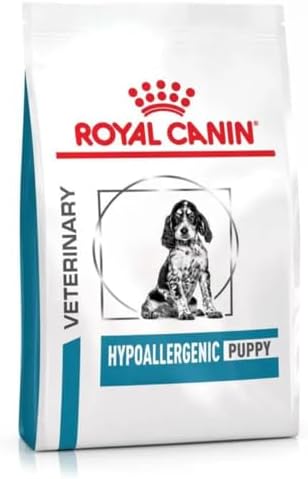
Royal Canin Puppy Sensitive Digestion is a veterinary-recommended formula that’s been specifically engineered for puppies with delicate digestive systems.
It contains highly digestible proteins (L.I.P — Low Indigestible Proteins) that are pre-selected for their digestibility, along with a precise blend of dietary fibres including psyllium husk and prebiotics to support healthy stool formation.
Key Features:
- L.I.P. proteins selected for maximum digestibility
- Psyllium husk for healthy stool quality
- Prebiotics (MOS and FOS) for gut flora balance
- Highly digestible carbohydrate sources
- Omega-3 fatty acids (EPA and DHA) for brain development
Nutritional Highlights: 27% protein, 15% fat, 3.3% fibre | Dry kibble | Suitable for puppies from 2-15 months depending on expected adult size
Pros:
- Exceptionally well-researched formulation
- Kibble shape designed for puppy jaws
- Excellent stool quality results reported by owners
- Available in breed-specific variants
Cons:
- Contains wheat gluten (not ideal for gluten-sensitive puppies)
- Some artificial additives in the ingredient list
- Strong smell that some owners find off-putting
Best For: Puppies with moderate to severe digestive sensitivity, especially those whose vets have recommended a veterinary diet. Also excellent for dogs who will transition to adult sensitive stomach food later.
Approximate Price: £40-£50 for a 12kg bag | Where to Buy: Veterinary practices, Pets at Home, VioVet, and online pet retailers.
3. James Wellbeloved Puppy Turkey & Rice
Best hypoallergenic option for puppies with multiple sensitivities
James Wellbeloved has long been a trusted name in hypoallergenic puppy food, and their Turkey & Rice puppy formula is an outstanding choice for sensitive tummies. Made with a single source of animal protein (turkey) and a simple carbohydrate base of rice and barley, this food is naturally hypoallergenic and free from the most common allergens including beef, wheat, dairy, soya, and artificial additives.
Key Features:
- Single protein source (turkey) for easier digestion
- Rice and barley as gentle carbohydrate sources
- No artificial colours, flavours, or preservatives
- Added cranberry extract for urinary tract health
- Natural prebiotics for digestive support
Nutritional Highlights: 27% protein, 13.5% fat, 2.5% fibre | Dry kibble | Suitable for puppies from 6 weeks to 12-15 months
Pros:
- Genuinely hypoallergenic formula
- Excellent value for money
- Highly palatable with natural herbs for flavour
- Available in both turkey and lamb varieties
Cons:
- Lower fat content may not suit very active puppies
- Rice-based formula may not suit all grain-sensitive puppies
- Some puppies may need a transition from a previous food over a longer period
Best For: Puppies with multiple food sensitivities, owners who prefer natural ingredients, and those looking for an excellent hypoallergenic option at a reasonable price.
Approximate Price: £28-£35 for a 12kg bag | Where to Buy: Pet supermarkets, Jollyes, Zooplus, Amazon UK, and direct from James Wellbeloved.
4. Purina Pro Plan Puppy Sensitive Digestion
Best for puppies needing gut microbiome support
Purina Pro Plan Puppy Sensitive Digestion combines its OPTIDERMA nutritional approach with salmon, which is used as the primary protein source. It also contains live probiotics that actively support gut health. The inclusion of guaranteed live Lactobacillus cultures sets this food apart, as these beneficial bacteria are added after cooking, so they can survive and reach your puppy’s gut live.
Key Features:
- High-quality salmon as primary protein
- Guaranteed live probiotics for gut health
- OPTIDERMA formula supports skin and coat alongside digestion
- Colostrum (found in mother’s first milk) for natural immunity
- High-quality prebiotic fibres
Nutritional Highlights: 29% protein, 14% fat, 2% fibre | Dry kibble | Suitable for puppies up to 12 months (extended for large breeds)
Pros:
- Live probiotics offer active digestive support
- Excellent protein content for growing puppies
- Strong evidence base from Purina’s research
- Good availability across UK retailers
Cons:
- Contains wheat (not suitable for grain-sensitive puppies)
- Some puppies may find it less palatable than other options
- Premium pricing
Best For: Puppies whose digestive issues may be linked to gut bacteria imbalance, and owners who want the added assurance of live probiotics in their puppy’s daily food.
Approximate Price: £38-£48 for a 12kg bag | Where to Buy: Pets at Home, VioVet, Amazon UK, and most major pet retailers.
5. Burns Puppy Sensitive
Best holistic, low-fat option for gentle digestion
Burns is a respected UK-based company, started by veterinary surgeon John Burns, and their Puppy Sensitive formula showcases a balanced and holistic health-focused approach to dog nutrition. This food uses brown rice as the primary carbohydrate source, along with a careful balance of proteins and fats. This food is designed to be very gentle on the digestive system, and provides complete nutrition for growing puppies.
Key Features:
- Low-fat formula reduces digestive burden
- Brown rice as primary carbohydrate for sustained energy
- No wheat, beef, or dairy
- Holistic approach with natural ingredients
- Free from artificial additives and GM ingredients
Nutritional Highlights: 19% protein, 10% fat, 3.5% fibre | Dry kibble | Suitable for puppies from 3 weeks to 12 months
Pros:
- Very gentle on even the most sensitive stomachs
- UK-made with high welfare standards
- Affordable compared to other specialist brands
- Strong emphasis on natural, simple ingredients
Cons:
- Protein content is lower than some competitors
- Low fat may not suit all growing puppies — consult your vet
- May not provide enough calories for very active breeds
- Limited flavour options
Best For: Puppies with very sensitive or reactive digestive systems who need an ultra-gentle approach, and owners who prefer a holistic, low-fat diet. Particularly suitable for puppies prone to pancreatitis or those who need weight management alongside digestive support.
Approximate Price: £22-£30 for a 12kg bag | Where to Buy: Independent pet shops, Amazon UK, VioVet, and direct from Burns Pet Nutrition.
6. Naturediet Puppy Sensitive
Best wet food option for sensitive puppies
If your puppy prefers wet food or struggles to chew dry kibble, Naturediet Puppy Sensitive is an excellent choice. It’s made with natural ingredients in a convenient tray format. This wet food is wheat-free and designed to be gentle on sensitive tummies. Naturediet uses only UK-sourced ingredients and is gentle enough for even the most delicate digestive systems.
Key Features:
- Wheat-free and naturally hypoallergenic
- Moist texture that’s easy for puppies to eat
- UK-sourced, high-quality natural ingredients
- No artificial preservatives, colours, or flavours
- High moisture content supports hydration
Nutritional Highlights: 10.5% protein, 6% fat, 1% fibre (as-fed) | Wet food in 390g trays | Suitable for puppies from 6-8 weeks
Pros:
- Excellent for puppies who prefer wet food
- High moisture content helps with hydration — important for puppies with diarrhoea
- Very palatable, even for fussy eaters
- Natural ingredients with no hidden additives
Cons:
- Requires refrigeration after opening
- More expensive per meal than dry food
- Lower protein percentage on a dry matter basis
- Shorter shelf life than dry food
Best For: Puppies who prefer wet food, those recovering from digestive upset who need extra hydration, and owners who want to avoid dry food entirely. Can also be mixed with dry kibble for added variety.
Approximate Price: £1.20-£1.60 per 390g tray | Where to Buy: Independent pet shops, VioVet, and some veterinary practices.
7. Barking Heads Puppy Days Tender Chicken
Best natural ingredients option for mildly sensitive puppies
Barking Heads Puppy Days is a natural, UK-made puppy food that’s gentle enough for mildly sensitive tummies. It uses tender chicken as the primary protein source, along with rice and a carefully selected blend of herbs, botanicals, and natural supplements. This food provides a more natural alternative to heavily processed veterinary diets.
Key Features:
- High-quality chicken as primary protein
- Prebiotics and natural herbs for digestive support
- No artificial colours, flavours, or preservatives
- Added glucosamine and chondroitin for joint development
- Omega-3 and omega-6 for skin, coat, and brain health
Nutritional Highlights: 28% protein, 14% fat, 3% fibre | Dry kibble | Suitable for puppies from 2 months to 12-24 months
Pros:
- Excellent natural ingredient list
- Good value for quality
- Very palatable — popular with fussy puppies
- Includes joint support supplements — a valuable bonus
Cons:
- Contains chicken, which is a common allergen
- Not specifically formulated for severe sensitivities
- Contains barley (a grain some puppies may react to)
Best For: Puppies with mild digestive sensitivity who don’t need a full hypoallergenic or veterinary diet, and owners who prefer feeding natural, UK-made foods without compromising on quality.
Approximate Price: £32-£40 for a 12kg bag | Where to Buy: Jollyes, Pets at Home, Amazon UK, and independent pet retailers.
8. Arden Grange Weaning/Puppy
Best for puppies with hypersensitivity and delicate immune systems
Arden Grange Weaning/Puppy is specially formulated for puppies who are prone to hypersensitivity issues and have delicate immune systems. It is made with fresh chicken and contains a carefully balanced blend of carbohydrates, prebiotics, and joint-supporting supplements. This food is designed to support overall health while being gentle on the digestive system. Arden Grange is a UK family-owned company with a strong reputation for quality.
Key Features:
- Hypersensitivity-friendly formula
- Fresh chicken as primary protein source
- Prebiotic MOS (mannan-oligosaccharides) for immune and digestive support
- No beef, wheat, soya, or dairy
- Added nucleotides for cell repair and immune function
Nutritional Highlights: 28% protein, 14% fat, 2.5% fibre | Dry kibble | Suitable from weaning through to 12-15 months
Pros:
- Suitable from weaning age — great for very young puppies
- Free from common allergens (no beef, wheat, soya, dairy)
- Strong immune support with added nucleotides
- Family-owned UK company with excellent ethics
Cons:
- Contains chicken (not suitable for chicken-sensitive puppies)
- Less widely available than some competitors
- Some puppies may prefer a different kibble texture
Best For: Very young puppies from weaning age who need gentle nutrition, puppies with immune system sensitivity, and those who need a food free from beef, wheat, soya, and dairy but can tolerate chicken.
Approximate Price: £34-£42 for a 12kg bag | Where to Buy: VioVet, Amazon UK, independent pet shops, and direct from Arden Grange.
Homemade Sensitive Stomach Puppy Food
Some puppy owners prefer to prepare their puppy’s food at home, especially during times of digestive upset or when commercial foods are not well tolerated. Homemade food can be beneficial in the short term, but it’s important to approach it carefully so your growing puppy gets complete and balanced nutrition.
When Homemade Is Appropriate
Homemade bland diets are best suited as a short-term solution, usually for 24-48 hours, when your puppy is experiencing a sudden digestive upset. This can help the stomach settle, then you can gradually shift the puppy back to commercial sensitive stomach puppy food. Long-term homemade feeding requires proper veterinary nutritional guidance to avoid nutrient deficiencies. We explain this topic in more detail in our article, “Whether homemade dog food is better for dogs.“
Simple Bland Diet Recipe
This tried-and-tested bland diet recipe is gentle on upset stomachs and can help settle stomach digestive issues:
Ingredients:
- 200g lean chicken breast (skinless, boneless)
- 200g white rice (boiled until very soft)
- 2 tablespoons plain pumpkin puree (not pie filling — 100% pure pumpkin)
Method: Boil chicken thoroughly, without seasoning, oil, or butter. Cook rice separately until very soft and mushy. Mix together shredded chicken, rice, and pumpkin puree. Let cool completely before serving. Feed small portions 3-4 times a day.
Important: This recipe is not nutritionally complete and should only be fed for a maximum of 24-48 hours, unless your vet advises otherwise. As soon as your puppy’s stomach settles, always gradually shift him back to complete commercial puppy food. Consult the RSPCA’s nutrition guidelines for more detailed homemade feeding guidance.
When to See a Vet for Guidance
If your puppy’s symptoms do not improve within 24-48 hours on a bland diet, or if symptoms worsen at any point, contact your vet immediately. Puppies can dehydrate quickly and may need professional help. Always consult your vet before starting a long-term homemade diet, as puppies have very specific nutritional requirements for their growth and development.
Tips for Managing Your Puppy’s Sensitive Stomach
In addition to choosing the right food, there are some practical strategies you can use to manage your puppy’s sensitive stomach. These can help reduce the frequency and severity of digestive episodes.
Use a Slow Feeder Bowl
If your puppy eats too quickly, a slow feeder bowl can significantly reduce the amount of air he swallows with his food, and can slow his eating speed. These bowls have raised ridges or maze-like patterns that force puppies to eat slowly. Alternatively, you can scatter dry kibble on a flat surface or use a puzzle feeder toy to slow down mealtime.
Feed Small, Frequent Meals
Instead of giving one or two large meals, divide your puppy’s daily food allowance into 3-4 smaller meals. This reduces the digestive burden at each meal and can prevent stomach overload. For age-specific feeding guidelines, check out our complete puppy feeding guide.
Consider Probiotic Supplements
In addition to probiotics in food, standalone probiotic supplements can provide concentrated doses of beneficial bacteria. Specially formulated products for puppies, such as Protexin Pro-Kolin or Yumpro BioActiv, can be especially helpful during times of digestive upset or when transitioning to a new food. Always choose puppy-specific products and consult your vet before starting any supplements.
Keep a Food Diary
A detailed food diary is one of the most helpful tools for identifying triggers. Record everything your puppy eats and drinks, including treats, table scraps, and things picked up during walks. Also note digestive symptoms and their timing. Over time, patterns may emerge that can help identify the cause of your puppy’s sensitivity.
Follow an Elimination Diet
If you suspect a specific food allergy, an elimination diet under veterinary supervision is the gold standard for diagnosis. This process involves feeding your puppy a restricted diet containing novel proteins and carbohydrates for 6-8 weeks. Then, ingredients are slowly added back one at a time to identify the trigger. We explain this process in more detail in the FAQ section below.
Minimise Stress
Stress can directly affect digestion, so it’s important to create a calm and predictable environment for your puppy. Establish consistent routines for feeding, exercise, and sleep. Avoid major changes during digestive upset, such as moving the puppy’s bed or changing food. If your puppy is overly anxious, talk to your vet about strategies to manage anxiety.
Additionally, be mindful of what your puppy has access to during walks. Many puppies with sensitive stomachs are prone to scavenging, and eating foreign objects can trigger digestive episodes. Keep your puppy on a lead in areas where he might encounter tempting but dangerous items. For a complete list of foods to avoid, see our guide: What Not to Feed Your Puppy.
When to See Your Vet
Dietary changes can resolve many cases of puppy digestive sensitivity, but some situations require immediate veterinary attention. This is not a substitute for professional advice. When in doubt, always call your vet. Puppies are strong, but their conditions can worsen quickly.
Seek immediate veterinary care if you notice any of the following red flags:
Blood in Stool or Vomit
Blood in your puppy’s stool, whether bright red or black and tarry, or blood in the vomit is never normal and requires an urgent veterinary assessment. This could indicate serious conditions, including parvovirus, intestinal blockage, severe infections, or inflammatory bowel disease.
Persistent Symptoms Beyond Two Weeks
If your puppy’s digestive symptoms don’t improve after 2 weeks of dietary management, it’s time to involve the vet. Chronic symptoms may indicate an underlying medical condition, which may require more investigation and treatment than simple dietary changes.
Significant Weight Loss
Weight loss in a growing puppy is always concerning and could indicate malabsorption, parasites, or another serious condition. Check your puppy’s weight regularly and track his growth trajectory. If he isn’t gaining weight or is losing weight despite eating, consult your vet immediately.
Lethargy and Depression
If your puppy is unusually tired, withdrawn, or showing a lack of interest in play and normal activities alongside digestive symptoms, this suggests they may be unwell beyond simple dietary sensitivity. Puppies are typically energetic and inquisitive — significant changes in behaviour are a warning sign.
Puppies Under Six Months with Diarrhoea
Puppies younger than 6 months are at a higher risk of dehydration due to diarrhea and vomiting. Their body size is smaller, so the impact of fluid loss is proportionately greater. If your young puppy has persistent diarrhea that lasts more than 24 hours, contact your vet, don’t wait. Dehydration in young puppies can quickly become life-threatening.
The PDSA provides excellent guidance on when to seek emergency veterinary care, and many practices also offer same-day appointments for urgent but non-emergency concerns. Never feel like you’re being “over-cautious.” It’s much better for vets to get your puppy seen early, rather than after the condition becomes more serious.
Frequently Asked Questions
What is the most common food allergy in puppies?
In the UK, chicken is currently the most commonly reported food allergen in dogs, including puppies. This may seem surprising because chicken is used so heavily in commercial pet foods, but this overuse is part of the problem. Repeated exposure to the same protein over time can increase the chances of developing a sensitivity. Beef, dairy, and wheat are also nearby common allergens. If you suspect a food allergy, your vet may recommend an elimination diet, which uses a novel protein your puppy hasn’t eaten before, such as venison, duck, or fish.
Can sensitive stomach puppy food cure my puppy’s tummy issues?
It depends on the underlying cause. If your puppy’s digestive issues are due to a dietary intolerance or ingredient sensitivity, switching to a suitable sensitive stomach puppy food can significantly reduce, or sometimes even completely eliminate, the symptoms.
However, if the cause is a parasite, such as giardia or worms, a bacterial infection, stress, or a congenital condition, diet alone may not be enough. Sensitive stomach food supports and soothes the digestive system, but it is not a cure for every problem. Always work with your vet to identify and address the root cause.
How long does it take to see improvement after changing food?
Most puppies start to show some improvement within 3-7 days of switching to a suitable food. However, it usually takes 4-6 weeks to see the full benefits, as the gut microbiome needs time to adjust and any inflammation in the digestive tract also takes time to heal. Therefore, it’s crucial to follow a gradual transition when changing foods.
Introducing a new diet too quickly can cause temporary setbacks, even if the new food is ultimately the right choice. Always complete the full transition period and give it at least 4-6 weeks before deciding whether the new food is working.
Should I give my puppy probiotics for a sensitive stomach?
Probiotics can be beneficial for many puppies with sensitive stomachs, as they help restore and maintain a healthy balance of gut bacteria. However, they should be used as a complement to appropriate food, not as a replacement.
Puppy-specific probiotic supplements such as Protexin Pro-Kolin Enterogenic are widely recommended by UK vets. However, always consult your vet before starting any supplement, as the right type and dosage depend on your puppy’s specific situation.
Many of the best sensitive stomach puppy foods reviewed above already contain prebiotics and probiotics, which may be sufficient on their own.
Is grain-free food better for sensitive stomachs?
Not really, and this is a common misconception. Grain-free food can be beneficial for puppies with confirmed grain sensitivities or intolerances, but grains are not inherently harmful to most dogs. Actually, whole grains like brown rice and oats provide useful fiber, vitamins, and minerals that support healthy digestion. Due to FEDIAF’s recent position and ongoing research on grain-free diets and canine heart health (DCM), many veterinary professionals now recommend caution with grain-free feeding unless there is a specific medical reason. If you think grains may be an issue for your puppy, try a grain-inclusive limited ingredient diet first. Many sensitive puppies do just fine on rice-based or oat-based foods. For more detail, see our dedicated guide: best grain-free puppy food UK.
What’s the difference between a food allergy and food intolerance in puppies?
This is an important distinction. Food allergies involve the immune system. Your puppy’s body mistakenly interprets a food protein as harmful and launches an immune response. Allergy symptoms can include digestive issues, but can also include skin problems such as itching, rashes, or ear infections.
Food intolerance is a digestive issue. It occurs when your puppy’s body cannot properly process or break down a particular ingredient. Intolerance symptoms are almost exclusively digestive, such as vomiting, diarrhea, gas, and bloating. Both can cause similar digestive symptoms, so veterinary guidance is crucial for an accurate diagnosis.
Can puppies outgrow sensitive stomachs?
Yes, many puppies outgrow mild digestive sensitivity as their digestive system and gut microbiome mature. This usually occurs between 6-12 months of age. Some puppies have sensitive tummies simply because their digestive system is still developing, and such cases often resolve naturally over time.
But in puppies with true food allergies or intolerances, it is unlikely that the condition will simply “grow out,” although symptoms may be easier to manage. If your puppy’s sensitivity persists after the first year, ongoing dietary management may be necessary.
How do I do an elimination diet for my puppy?
An elimination diet should always be done under veterinary supervision. The process is usually based on these steps:
- Selection phase: Your vet will help you choose a limited ingredient food with a novel protein and carbohydrate your puppy has never eaten before (or a prescription hydrolysed protein diet)
- Elimination phase: Feed only this food — absolutely no treats, table scraps, flavoured medications, or anything else — for 6-8 weeks
- Challenge phase: If symptoms improve, gradually reintroduce previous food ingredients one at a time, waiting 1-2 weeks between each, to identify the specific trigger
- Maintenance phase: Once triggers are identified, choose a long-term diet that avoids them
This process requires patience and strict compliance. Even a single treatment with the wrong ingredient can invalidate the test. Your vet may also recommend regular check-ups during this process.
Is chicken bad for puppies with sensitive stomachs?
Chicken is not naturally “bad.” Actually, it is a high-quality and easily digestible protein that many puppies tolerate perfectly well. However, in UK dogs, chicken has become the most commonly reported food allergen, mostly because chicken is extremely common in commercial pet foods.
If your puppy has developed a sensitivity to chicken, then yes, it should be avoided. If you are unsure, your puppy’s reaction after eating chicken-based food can make a lot clear. Puppies that tolerate chicken well can continue eating it. Puppies that show symptoms may benefit from switching to a novel protein such as salmon, lamb, or duck. In our review above, some foods use alternative proteins for exactly this reason.
What’s the best sensitive stomach food for French Bulldog puppies?
French Bulldog puppies are particularly prone to digestive sensitivity because of their brachycephalic, meaning flat-faced, anatomy. Due to this anatomy, they can swallow extra air while eating. In addition, this breed also generally has a higher risk of food sensitivities. For French Bulldog puppies, we especially recommend:
- Royal Canin Puppy Sensitive Digestion, which is specially formulated with breed-specific kibble shapes so the puppy eats more slowly.
- Hill’s Science Plan Puppy Sensitive Stomach & Skin, a salmon-based formula that avoids common allergens.
- Burns Puppy Sensitive, a low-fat formula that reduces digestive burden.
In addition, French Bulldog puppies should always be fed using a slow feeder bowl, and their meals should be split into 3–4 smaller portions throughout the day. Since this breed has a higher risk of various health issues, it is especially important to work closely with your vet for French Bulldog puppies with digestive concerns.
Final Verdict: Our Top Puppy Food for Sensitive Stomachs Picks by Category
Choosing the right food for your puppy’s sensitive stomach depends on their individual needs, your budget, and the severity of symptoms. Here are our top recommendations by category:
- Best Overall: Hill’s Science Plan Puppy Sensitive Stomach & Skin. This is the most complete and clinically backed option that can work for most puppies. Its combination of prebiotic fiber, salmon protein, and proven results makes it our top pick for most families.
- Best Budget: Burns Puppy Sensitive is a great value option from a UK-based company whose nutrition approach focuses on overall health. Priced at around £22-30 for a 12kg bag, it provides gentle and effective nutrition, and is significantly lower in price than many competitors.
- Best Hypoallergenic: James Wellbeloved Puppy Turkey & Rice. This is genuinely hypoallergenic, with a simple and clean ingredient list that avoids common allergens. It’s an excellent choice for puppies with multiple food sensitivities.
- Best for Puppies Under 6 Months: Arden Grange Weaning/Puppy. This is suitable from weaning age and comes with added nucleotides for immune support, so it’s ideal for the youngest and most vulnerable puppies. It’s also free of beef, wheat, soy, and dairy.
- Best Wet Food: Naturediet Puppy Sensitive. This is the best wet option for puppies who need extra hydration along with gentle nutrition. Its wheat-free, natural formula is ideal for sensitive tummies and those recovering from digestive upset.
A Final Word of Motivation
Handling a puppy with a sensitive stomach can feel stressful and overwhelming, but remember, it’s very common and easily manageable in most cases. With the right food, a patient approach to dietary changes, and proper veterinary support when needed, your puppy can grow into a happy and healthy adult dog, with a settled stomach and a good appetite.
Every puppy is different, so don’t be discouraged if the first food you try isn’t perfect. It may take a little trial and error to find the perfect match, but the improvement in your puppy’s comfort and well-being makes the effort totally worth it. If you’re comparing options, our complete guide to the best puppy food UK provides extra recommendations that may be helpful. And for adult dogs with ongoing sensitivities, our best dog food for sensitive stomachs guide covers the transition to adult food.