

Healthy Natural Puppy Food Guide: What Should You Feed Your Puppy?
If you’ve recently welcomed a puppy into your life, congratulations — you’re about to embark on one of the most rewarding journeys a pet owner can experience. But alongside the cuddles, the house training, and the endless supply of chew toys, there’s a decision that will have a profound impact on your puppy’s health for years to come: what to feed them.
In recent years, the UK pet food market has seen a dramatic shift towards natural, holistic, and organic dog food options. According to the Pet Food Manufacturers’ Association (PFMA), natural and premium pet food is now the fastest-growing segment in the industry, with more UK dog owners than ever seeking out food that mirrors what their dogs’ ancestors would have eaten in the wild. And when it comes to puppies — those rapidly growing bundles of energy — the quality of their nutrition during the first twelve months of life is absolutely critical.
The first year is when your puppy’s skeletal system develops, their immune system matures, their brain grows at an extraordinary rate, and their gut microbiome establishes itself. Getting the nutrition right during this window means setting the foundation for a healthier, more active, and potentially longer life. That’s precisely why so many UK puppy owners are turning to healthy natural puppy food — and why we’ve created this comprehensive guide to help you navigate this increasingly popular category.
But here’s the challenge: the term “natural” isn’t tightly regulated in the UK pet food industry, and clever marketing can make mediocre products sound wholesome. This guide cuts through the noise. We’ll explain what genuinely makes puppy food natural, review eight of the best natural puppy food brands available in the UK, compare different feeding approaches, and give you the knowledge to make an informed decision for your new family member.

Quick Comparison: Our Top 8 Natural Puppy Food Picks
| Rank | Product | Type | Protein | Best For | Approx. Price | Rating |
|---|---|---|---|---|---|---|
| 1 | Eden Puppy | Dry (Grain-Free) | 38% | High-protein natural feeding | £45-55/12kg | ⭐⭐⭐⭐⭐ |
| 2 | Butternut Box Puppy | Fresh | Variable | Personalised fresh nutrition | £2-4/day | ⭐⭐⭐⭐⭐ |
| 3 | Natural Instinct Puppy | Raw | ~50%+ (as-fed) | Bioligically appropriate raw | £3-6/day | ⭐⭐⭐⭐⭐ |
| 4 | Lily’s Kitchen Puppy | Dry & Wet | 29% (dry) | Organic & transparent | £38-45/12kg | ⭐⭐⭐⭐½ |
| 5 | Forthglade Natural Puppy | Wet | ~45% (as-fed) | Gentle natural digestion | £0.80-1.10/400g | ⭐⭐⭐⭐½ |
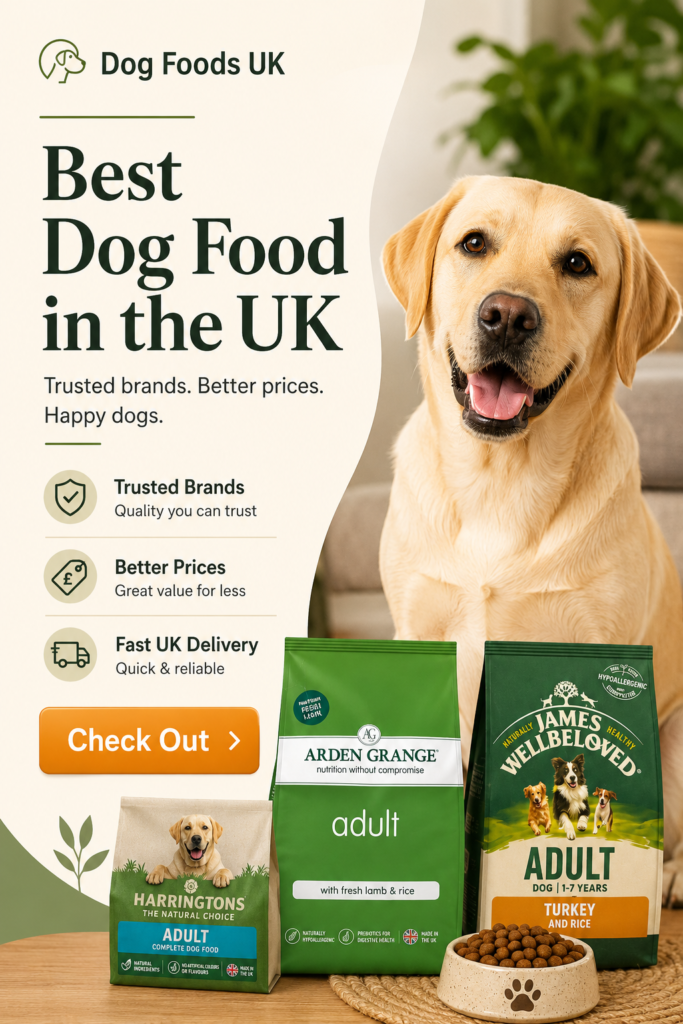
| 6 | Arden Grange Puppy Junior | Dry | 30% | All-round premium quality | £35-42/12kg | ⭐⭐⭐⭐⭐ |
| 7 | James Wellbeloved Puppy | Dry | 27% | Hypoallergenic natural | £30-40/12kg | ⭐⭐⭐⭐½ |
| 8 | Pooch & Mutt Puppy | Dry | 26% | Holistic health support | £28-35/12kg | ⭐⭐⭐⭐ |
What Makes Puppy Food “Natural”? Understanding the Standards
Before we dive into specific brands, it’s essential to understand what “natural” actually means in the context of puppy food. This is one of the most misunderstood terms in the pet food industry, and being an informed consumer will help you avoid products that use “natural” as a marketing buzzword without delivering genuinely wholesome nutrition.
The Legal Definition (or Lack Thereof)
In the UK, the term “natural” on pet food packaging is guided by FEDIAF (the European Pet Food Industry Federation) guidelines, which state that a product labelled as “natural” should be composed of ingredients derived from plant, animal, or mineral sources that have been subjected to minimal processing. Crucially, FEDIAF specifies that natural pet foods should not contain chemically synthesised additives — though naturally sourced vitamins and minerals are permitted.
However, unlike “organic” (which is legally defined and regulated by certification bodies like the Soil Association), “natural” doesn’t have a single, universally enforced legal standard. This means the quality and integrity of “natural” pet foods can vary significantly between brands.
What Genuine Natural Puppy Food Should Include
- Named animal proteins as the primary ingredients: “Fresh chicken,” “lamb,” “salmon” — not vague terms like “meat and animal derivatives.” The UK Animal Feed Regulations require ingredients to be listed in descending order by weight, making it easy to verify what dominates the recipe.
- Whole food carbohydrates: Brown rice, sweet potato, oats, or peas — rather than refined maize, wheat gluten, or generic “cereals.” Whole food sources retain more natural fibre, vitamins, and minerals.
- Natural preservatives: Vitamin E (tocopherols), rosemary extract, and citric acid instead of synthetic preservatives like BHA, BHT, and ethoxyquin, which have been linked to health concerns in some studies.
- Nutrient-rich botanicals: Many natural puppy foods include herbs like marigold, chamomile, burdock root, and nettle, which provide trace minerals and antioxidants in their natural, bioavailable forms.
- No artificial colours, flavours, or sweeteners: Dogs don’t care what colour their food is, and added colours (like titanium dioxide or synthetic dyes) serve no nutritional purpose whatsoever.
FEDIAF Nutritional Guidelines for Puppies
Any puppy food sold in the UK — natural or otherwise — should meet FEDIAF’s nutritional guidelines for growth. These guidelines establish minimum and maximum levels for protein, fat, calcium, phosphorus, and essential vitamins and minerals. For natural puppy food specifically, look for products that exceed the minimum protein requirement (currently 22.5% on a dry matter basis for growth) with high-quality animal sources rather than plant-based protein boosters.
The PDSA advises that growing puppies require roughly twice the calorie intake per kilogram of body weight compared to adult dogs, along with carefully balanced calcium and phosphorus ratios to support proper bone development. A genuinely natural puppy food should deliver these nutritional targets through whole food ingredients rather than relying heavily on synthetic vitamin and mineral premixes.
Top 8 Natural Puppy Food Brands — In-Depth Reviews
We’ve spent considerable time analysing the ingredient lists, nutritional profiles, manufacturing standards, and real-owner feedback for the leading natural puppy food brands available in the UK. Here’s our honest assessment of each.
1. Forthglade Natural Puppy — Best Budget Natural Wet Food
Key Features:
- 100% natural ingredients with no artificial additives
- Gentle recipe designed specifically for sensitive puppy tummies
- Veterinarian-approved and made in Devon
- Available in multiple protein varieties including chicken, turkey, and lamb
Forthglade has been producing natural dog food in the heart of Devon since 1971, and their puppy-specific wet food range has earned a loyal following among UK puppy owners seeking a gentle, digestible option. The recipe centres on a single source of animal protein combined with wholesome vegetables like sweet potato, carrots, and peas, making it an excellent choice for puppies with sensitive digestion.
What makes Forthglade stand out at its price point is the complete absence of artificial anything — no colours, flavours, preservatives, or derivatives. Every ingredient is clearly named and recognisable. The wet food format is naturally high in moisture (around 80%), which supports hydration and makes it particularly suitable for puppies who are reluctant water drinkers. Forthglade has also partnered with the RSPCA as part of their commitment to animal welfare, earning recognition for their responsible sourcing practices.
Nutritional highlights: Protein ~8.5% (wet), ~45% (dry matter basis) | Fat ~5.5% | No grains, soya, or dairy | Added vitamins and minerals
Price: Approximately £0.80-£1.10 per 400g tray
Available at: Pets at Home, Zooplus, and Amazon UK
Pros: Exceptionally gentle on digestion; affordable for natural wet food; widely available; no problematic ingredients whatsoever
Cons: Lower calorie density than dry food means larger volumes needed; wet food has shorter shelf life once opened
2. Lily’s Kitchen Puppy — Best Organic Natural Option
Key Features:
- Free-range chicken as the primary protein source
- Organic ingredients certified by recognised bodies
- Added probiotics and prebiotics for gut health
- Available in both dry kibble and wet food formats
Lily’s Kitchen is widely regarded as one of the UK’s most transparent and ethically driven pet food brands. Founded by Henrietta Morrison after her dog Lily suffered from itchy skin and digestive issues, the company was built on the principle that dogs deserve food made with the same care and quality as human food.
Their Puppy Recipe Dry Food uses free-range chicken alongside organic sweet potato, organic peas, and a carefully selected blend of botanical herbs including marigold, burdock root, and nettle — all chosen for their trace mineral content and natural health-supporting properties. The inclusion of both prebiotics (MOS and FOS) and probiotics supports optimal gut flora development during this critical period, while added omega-3 and omega-6 fatty acids promote healthy skin and a glossy coat.
Lily’s Kitchen holds the RSPCA’s “Big Tick” award for their commitment to animal welfare standards in their supply chain. Their ingredient sourcing is fully traceable, and they’re one of the few pet food companies that publishes a comprehensive “No” list — specifying exactly what they’ll never include (no meat meal, no rendered fats, no artificial anything). If you want to understand more about the role of quality meat in your dog’s nutrition, Lily’s Kitchen exemplifies the principles we discuss in that guide.
Nutritional highlights: Protein 29% | Fat 14% | Fibre 4% | Prebiotics, probiotics, omega-3, omega-6, and botanical herbs
Price: Approximately £38-45 per 12kg bag (dry)
Available at: Pets at Home, Amazon UK, Waitrose, Ocado, and directly from lilyskitchen.co.uk
Pros: Outstanding transparency and ethical sourcing; certified organic ingredients; probiotics included; excellent for fussy eaters due to natural herbs
Cons: Premium pricing; some puppies may find the herb-rich aroma unusual initially
3. Natural Instinct Puppy — Best Raw Natural Food
Key Features:
- Bio-appropriate raw food made from whole, natural ingredients
- DEFRA-approved facility with rigorous food safety standards
- Puppy-specific recipe with added bone for calcium
- Available in chicken, lamb, beef, and turkey varieties
Natural Instinct represents the gold standard for UK puppy owners who want to embrace raw feeding. Their puppy recipe follows the biologically appropriate raw food (BARF) principles, combining raw muscle meat, raw bone, offal, and vegetables in proportions that mirror what wild canines would naturally consume.
The puppy-specific recipe is particularly well formulated. It includes a carefully calibrated amount of raw bone to provide natural calcium and phosphorus in the correct ratio for healthy bone development — something that’s notoriously difficult to balance in homemade raw diets. The addition of salmon oil provides essential DHA for brain and eye development, while raw vegetables like broccoli, butternut squash, and spinach deliver natural vitamins, minerals, and antioxidants in their most bioavailable form.
Natural Instinct’s manufacturing facility is approved by DEFRA and operates under strict hygiene protocols. Each batch is tested for harmful bacteria including Salmonella and Listeria, addressing the primary safety concern that the British Veterinary Association (BVA) has historically raised regarding raw feeding. If you’re interested in exploring whether homemade alternatives could work for your dog, our article on homemade dog food provides additional context, though commercially prepared raw food like Natural Instinct is generally considered safer than DIY approaches.
Nutritional highlights: Protein ~12% (as-fed), ~50%+ (dry matter basis) | Fat ~9% | Natural calcium from raw bone | Added salmon oil and vegetables
Price: Approximately £3-6 per day depending on puppy size
Available at: Direct from naturalinstinct.com and selected independent pet retailers
Pros: Closest to a natural ancestral diet; excellent for dogs with allergies; whole food nutrition at its most unprocessed; DEFRA-approved safety standards
Cons: Requires freezer storage; more expensive than dry food; needs careful hygiene handling; some vets remain cautious about raw feeding for puppies
4. Butternut Box Puppy — Best Fresh Natural Food
Key Features:
- Freshly cooked, human-grade ingredients delivered to your door
- Personalised portions based on your puppy’s breed, age, and weight
- Veterinarian-formulated recipes
- Gentle cooking process that preserves nutrients
Butternut Box has revolutionised the UK fresh dog food market since its launch, and their puppy-specific meals carry the same quality and attention to detail. The concept is beautifully simple: fresh, human-grade ingredients are gently cooked at low temperatures to preserve their natural nutritional value, then portioned and delivered frozen directly to your door.
What sets Butternut Box apart is the personalised approach. When you sign up, you enter your puppy’s breed, age, current weight, and activity level, and their algorithm calculates the exact daily portion your puppy needs. This eliminates the guesswork that many new puppy owners struggle with and adjusts automatically as your puppy grows.
The ingredient lists read like a recipe you’d cook for yourself: fresh chicken, sweet potato, carrots, peas, spinach, and blueberries, supplemented with essential vitamins and minerals. All meat is sourced from UK farms with high welfare standards, and the company provides full traceability for every ingredient. The gentle cooking process — temperatures kept below 100°C — preserves far more of the natural vitamins and enzymes compared to the high-temperature extrusion process used for conventional kibble. If you’re curious how fresh food compares to our top puppy food recommendations overall, Butternut Box consistently ranks among the best.
Nutritional highlights: Variable by recipe | Human-grade meat | Vet-formulated | Gentle low-temperature cooking
Price: Approximately £2-4 per day depending on puppy size
Available at: Direct from butternutbox.com (subscription-based delivery)
Pros: Unmatched ingredient quality and transparency; personalised portioning takes the guesswork out; puppies absolutely love the taste; subscription model means you never run out
Cons: Requires freezer space; subscription commitment may not suit everyone; premium pricing compared to dry food

5. James Wellbeloved Puppy — Best Hypoallergenic Natural Dry Food
Key Features:
- Single-source animal protein in every recipe
- Hypoallergenic formula free from wheat, soya, and beef
- Natural herbs including rosemary and alfalfa
- Over 25 years of trusted UK manufacturing
James Wellbeloved has been a cornerstone of UK natural pet nutrition for more than a quarter of a century. Their puppy food follows a strict hypoallergenic philosophy: each recipe contains a single animal protein source and a carefully selected carbohydrate, dramatically reducing the likelihood of triggering food sensitivities during your puppy’s vulnerable developmental period.
We particularly recommend the Turkey and Rice Puppy variety. Turkey is a lean, highly digestible protein that’s gentle on immature digestive systems, while rice provides complex carbohydrates for sustained energy release without the allergenic potential of wheat or maize. The recipe also includes natural cranberry extract — a thoughtful addition that supports urinary tract health, which is often overlooked in puppy nutrition.
What we appreciate about James Wellbeloved is their straightforward approach. They don’t overcomplicate things with exotic superfoods or trendy ingredients. Instead, they focus on getting the fundamentals absolutely right: high-quality single-source protein, digestible carbohydrates, and a complete vitamin and mineral profile. For puppies that suffer from food-related sensitivities or inflammation, this is one of the safest starting points in the UK market.
Nutritional highlights: Protein 27% | Fat 12.5% | Fibre 3.5% | Cranberry extract, natural prebiotics, and antioxidants
Price: Approximately £30-40 per 12kg bag
Available at: Pets at Home, Zooplus, Amazon UK, and most UK supermarkets
Pros: Exceptional for sensitive puppies; widely available; good value for quality; simple and trustworthy ingredient list; proven over 25+ years
Cons: Protein content is moderate rather than high; limited exotic protein options; not grain-free (though that’s arguably an advantage given current veterinary guidance)
6. Arden Grange Puppy Junior — Best Premium Natural All-Rounder
Key Features:
- Fresh chicken as the primary ingredient (not dried meal)
- No wheat, beef, soya, or dairy
- Added prebiotic MOS, nucleotides, and joint supplements
- Suitable from weaning right through to adulthood
Arden Grange consistently achieves exceptional ratings on All About Dog Food, the UK’s leading independent dog food review platform, and their Puppy Junior formula is one of the most well-rounded natural dry foods available. What distinguishes Arden Grange from many competitors is their use of fresh chicken as the primary protein source rather than cheaper dried chicken meal — fresh meat retains significantly more of its natural amino acid profile, vitamins, and bioavailable nutrients.
The nutritional formulation is genuinely impressive. Prebiotic MOS (Mannan-oligosaccharides) supports beneficial gut bacteria, added nucleotides enhance immune function during this vulnerable developmental period, and a comprehensive joint support package including glucosamine, chondroitin, and MSM helps protect developing joints. This is particularly valuable for medium and large breed puppies that are susceptible to joint conditions later in life.
Arden Grange’s “Puppy Junior” designation means this formula is designed to support your puppy from weaning all the way through to adulthood, eliminating the need for an awkward transition from puppy to junior food. The company also operates under a strict no-animal-testing policy and sources all ingredients from reputable suppliers with full traceability.
Nutritional highlights: Protein 30% | Fat 13% | Fibre 2.5% | Prebiotic MOS, nucleotides, glucosamine, chondroitin, MSM, and natural antioxidants
Price: Approximately £35-42 per 12kg bag
Available at: Zooplus, PetPlanet, and independent pet retailers across the UK
Pros: Superb nutritional profile; fresh chicken protein; comprehensive joint support; excellent value at the quality level; one food covers the full growth period
Cons: Only available through pet specialists and online (not in supermarkets); relatively unknown compared to mainstream brands
7. Pooch & Mutt Puppy — Best Holistic Health-Focused Natural Food
Key Features:
- Holistic health approach with functional ingredients
- Added joint supplements, omega fatty acids, and prebiotics
- No artificial colours, flavours, or preservatives
- Ethical company supporting dog rescue charities
Pooch & Mutt approaches natural puppy food from a fundamentally different angle to most competitors. Rather than simply meeting basic nutritional requirements, their formula is designed around proactive health support — including ingredients that specifically target the areas most important for a growing puppy: joint development, digestive health, immune function, and skin and coat condition.
The chicken and brown rice recipe provides a solid nutritional foundation, while the functional additions elevate it above standard natural puppy foods. Glucosamine and chondroitin support developing joints and connective tissue. Omega-3 and omega-6 fatty acids from natural sources promote brain development and healthy skin. Added prebiotics encourage beneficial gut bacteria colonisation, which is crucial during the first few months when your puppy’s microbiome is establishing itself.
We also appreciate Pooch & Mutt’s ethical ethos. The company actively supports dog rescue charities through their sales, donating a portion of every purchase. For puppy owners who want their purchasing decisions to align with their values, this adds an extra dimension to an already strong product.
Nutritional highlights: Protein 26% | Fat 12% | Fibre 3% | Glucosamine, chondroitin, omega-3, omega-6, prebiotics, and natural antioxidants
Price: Approximately £28-35 per 12kg bag
Available at: Pets at Home, Amazon UK, and directly from poochandmutt.com
Pros: Thoughtful functional ingredients targeting key health areas; ethical company with charitable giving; good availability; competitive pricing
Cons: Moderate protein content; not the highest meat percentage in the natural category; limited recipe variety compared to some competitors
8. Eden Puppy — Best High-Protein Natural Dry Food
Key Features:
- Extraordinary 80% total meat content
- 38% protein from premium animal sources
- Grain-free with sweet potato as the carbohydrate source
- Joint support package and natural preservation
Eden is one of the highest-rated natural dog foods on All About Dog Food, and their puppy formula pushes the boundaries of what’s possible in a dry food format. With a remarkable 80% total meat content (including fresh chicken, dehydrated chicken, chicken meal, and salmon) and 38% crude protein, Eden delivers a nutritional profile that’s remarkably close to raw feeding while maintaining the convenience of kibble.
The protein sources are genuinely impressive: fresh chicken, dehydrated chicken, chicken meal, and salmon provide a comprehensive amino acid profile that supports rapid muscle development and immune function. Sweet potato serves as the sole carbohydrate, offering excellent digestibility with a lower glycaemic index than grains. The recipe is naturally preserved with vitamin E and rosemary extract, and includes a joint support package of glucosamine, chondroitin, and MSM.
Important note: Due to the grain-free formulation, we must highlight the UK Government guidance regarding a potential link between grain-free diets high in legumes and Dilated Cardiomyopathy (DCM). The BVA has also raised concerns. Eden’s recipe uses sweet potato rather than legumes as its primary carbohydrate, which may mitigate some of these concerns, but we still recommend discussing grain-free feeding with your veterinarian before choosing this option.
Nutritional highlights: Protein 38% | Fat 16% | Fibre 3.5% | Glucosamine, chondroitin, MSM, omega-3, omega-6, and natural antioxidants
Price: Approximately £45-55 per 12kg bag
Available at: Direct from edenpetfoods.com and selected premium online retailers
Pros: Exceptional meat content and protein levels; outstanding independent review scores; closest dry food equivalent to raw feeding; naturally preserved
Cons: Premium price point; grain-free formulation carries potential DCM concerns; limited retail availability; high protein may not suit all puppies
Wet vs Dry vs Raw vs Fresh — Comparing Natural Puppy Food Types
One of the most important decisions you’ll make when choosing healthy natural puppy food is selecting the right format. Each type has distinct advantages and considerations, and the best choice depends on your puppy’s individual needs, your lifestyle, and your budget. Let’s compare them honestly.
Natural Dry Food (Kibble)
Advantages: Most cost-effective per calorie; longest shelf life; convenient to store and serve; chewing kibble can support dental health; precise nutritional balance is easier to achieve; widely available in the UK.
Considerations: Lower moisture content means your puppy must drink sufficient water; processing at high temperatures can reduce some natural nutrient levels; some dogs find dry food less appealing than wet or fresh alternatives.
Best for: Budget-conscious owners, large breed puppies (who need substantial calorie intake), owners who prefer convenience, and households with multiple dogs.
Natural Wet Food
Advantages: High moisture content (around 75-80%) supports hydration; generally more palatable and appealing to puppies; gentler cooking process preserves more natural nutrients; typically contains fewer artificial preservatives.
Considerations: More expensive per calorie than dry food; shorter shelf life once opened (must be refrigerated and used within 2-3 days); dental benefits are minimal; can be messier to serve.
Best for: Picky eaters, small breed puppies, puppies that don’t drink enough water, and puppies recovering from illness.
Natural Raw Food
Advantages: Closest to a dog’s ancestral diet; minimal processing preserves natural enzymes and nutrients; many owners report improved coat condition, smaller stools, and increased energy levels; no synthetic preservatives or additives whatsoever.
Considerations: Requires careful hygiene handling to prevent bacterial contamination; needs freezer storage space; typically the most expensive option; some veterinary professionals, including the BVA, advise caution; nutritional balance must be carefully managed — especially calcium and phosphorus ratios for growing puppies.
Best for: Experienced dog owners comfortable with raw food handling, puppies with specific allergies that respond well to elimination diets, and owners who want the most unprocessed option available.
Natural Fresh Food (Cooked)
Advantages: Human-grade ingredient quality; gentle cooking preserves most natural nutrients while eliminating bacterial safety concerns; excellent palatability; personalised portioning removes guesswork; closest to homemade quality without the effort.
Considerations: Requires freezer storage; subscription-based delivery model; premium pricing (comparable to or higher than raw); limited shelf life after thawing; not as widely available as dry or wet options.
Best for: Owners who want premium quality with safety and convenience, puppies that turn their nose up at other food types, and owners who value personalised nutritional guidance.
Understanding Ingredient Labels on Natural Puppy Food
Being able to read and interpret an ingredient label is one of the most valuable skills a puppy owner can develop. The pet food industry is full of clever marketing, and the ingredient list is where you’ll find the truth about what you’re actually feeding your puppy.
Complete vs Complementary Foods
This is perhaps the single most important distinction to understand. According to FEDIAF regulations, a food labelled as “complete” contains all the nutrients your puppy needs in the correct proportions — it’s designed to be fed as the sole diet. A “complementary” food, on the other hand, is intended to be fed alongside other foods or as a supplement, and does not provide a nutritionally balanced diet on its own.
Many natural puppy wet foods and treats are complementary, meaning they’re fine as a topper or occasional meal but shouldn’t form the basis of your puppy’s diet. Always check the packaging — it will explicitly state whether the product is “complete” or “complementary.” Our comprehensive best puppy food UK guide covers this topic in further detail with specific product-by-product analysis.
Identifying Quality Protein Sources
The ingredient list on any UK pet food must display ingredients in descending order by weight, as required by UK law. This means the first ingredient listed is the most abundant in the recipe. For a genuinely natural puppy food, the first ingredient should always be a named animal protein:
- Ideal: “Fresh chicken,” “lamb,” “salmon,” “turkey” — these are clearly identifiable, quality protein sources.
- Acceptable: “Chicken meal,” “lamb meal” — these are concentrated protein sources with the moisture removed. They’re nutritionally valuable but less “natural” in the strictest sense.
- Avoid: “Meat and animal derivatives,” “poultry meal,” “meat by-products” — these vague terms mask the actual source and quality of the protein. While technically legal, they’re not what most owners expect from “natural” food.
Red Flags on Natural Puppy Food Labels
- “With [ingredient]” — In UK law, this means the ingredient only needs to comprise 4% of the total product. A food “with chicken” might be 4% chicken and 96% other ingredients.
- Generic cereal terms: “Cereals,” “grains,” or “derivatives of vegetable origin” tell you nothing about the actual ingredients or their quality.
- Splitting ingredients: Some brands list rice, rice flour, and rice bran separately to make each appear lower on the list, when the total rice content would push it above the primary protein if combined.
- Long lists of synthetic additives: A genuinely natural puppy food should have a relatively short, recognisable ingredient list. If you see dozens of chemical names you can’t pronounce, it’s probably not as natural as the marketing suggests.
Common Feeding Mistakes with Natural Puppy Food
Even with the best natural puppy food in the world, feeding mistakes can undermine your puppy’s nutrition and potentially cause health issues. Here are the most common errors we see — and how to avoid them.
Mistake 1: Switching Foods Too Quickly
Puppies have sensitive, still-developing digestive systems. Abruptly changing from one food to another — even between two high-quality natural brands — can cause diarrhoea, vomiting, and unnecessary stress. Always transition gradually over 7-10 days. Our detailed guide to switching dog food safely provides a step-by-step transition schedule that protects your puppy’s gut health.
Mistake 2: Overfeeding or Underfeeding
Puppy feeding guidelines on packaging are just that — guidelines. Your individual puppy’s needs vary based on their breed, metabolism, activity level, and current body condition. The PDSA recommends regularly assessing your puppy’s body condition using the “hands-on” test: you should be able to feel their ribs easily without pressing hard, and they should have a visible waist when viewed from above. If in doubt, consult your vet.
Mistake 3: Free Feeding Rather Than Scheduled Meals
Leaving food available all day makes it impossible to monitor how much your puppy is eating, can lead to overeating (especially in food-motivated breeds like Labradors), and delays house training because you can’t predict when they’ll need to go. Puppies aged 8-12 weeks should be fed four times daily, 3-4 months three times daily, and from five months onwards twice daily.
Mistake 4: Choosing Based on Marketing Rather Than Ingredients
A beautiful bag with images of fresh vegetables and wild-caught salmon means nothing if the ingredient list tells a different story. Always flip the bag over and read the actual ingredients. Look for named animal proteins at the top of the list, whole food carbohydrates, and natural preservatives. Independent review sites like All About Dog Food are invaluable for cutting through marketing spin.
Mistake 5: Supplementing a Complete Food Without Veterinary Guidance
If you’re feeding a complete natural puppy food, adding extra calcium, vitamins, or minerals can actually cause more harm than good. Excess calcium during growth, for example, can cause serious developmental orthopaedic diseases in large breed puppies. Unless your vet has specifically identified a deficiency, stick to the balanced formula as intended.
Mistake 6: Ignoring Food Storage Guidelines
Natural puppy foods, particularly those without synthetic preservatives, are more vulnerable to spoilage. Store dry food in a cool, dry place in its original bag (or an airtight container) and use within 6-8 weeks of opening. Raw food must be kept frozen until use and handled with strict hygiene protocols. Fresh food should be refrigerated once thawed and used within the timeframe specified by the manufacturer.

Frequently Asked Questions About Natural Puppy Food
What is the best natural puppy food in the UK?
The “best” natural puppy food depends on your priorities. For the highest meat content in a dry food, Eden Puppy (80% meat, 38% protein) is exceptional. For personalised fresh food, Butternut Box leads the market. For raw feeding, Natural Instinct Puppy offers DEFRA-approved safety with biologically appropriate nutrition. For the best all-round natural dry food, Arden Grange Puppy Junior offers superb quality at a fair price.
Is natural puppy food better than regular puppy food?
Quality natural puppy foods tend to use higher-quality ingredients, more named animal proteins, fewer synthetic additives, and better preservation methods compared to budget brands. However, a complete puppy food — whether marketed as “natural” or not — that meets FEDIAF nutritional standards will provide adequate nutrition. The advantage of natural food lies in ingredient quality, digestibility, and long-term health outcomes rather than basic nutritional adequacy.
Can I feed my puppy raw natural food?
Yes, many UK puppy owners successfully feed raw diets. However, raw feeding requires careful attention to nutritional balance — particularly calcium and phosphorus ratios for growing puppies. We recommend commercially prepared raw foods like Natural Instinct Puppy that are formulated by veterinary nutritionists rather than attempting a DIY raw diet. Always discuss raw feeding with your vet first, and follow strict hygiene protocols. The BVA has published guidance on the risks of raw feeding that’s worth reviewing.
Is grain-free natural puppy food safe?
The UK Government and the BVA have issued warnings about a potential link between grain-free diets (particularly those high in peas, lentils, and potatoes) and Dilated Cardiomyopathy (DCM). Unless your vet has specifically diagnosed a grain allergy, grain-inclusive natural puppy foods like James Wellbeloved and Arden Grange are generally considered the safer choice.
How much does natural puppy food cost?
Natural puppy food ranges widely in price. Budget-friendly natural options like Forthglade wet food cost around £0.80-1.10 per tray. Mid-range natural dry foods like James Wellbeloved and Pooch & Mutt cost approximately £30-40 per 12kg bag. Premium options like Eden cost £45-55 per 12kg. Fresh food from Butternut Box and raw food from Natural Instinct typically cost £2-6 per day depending on puppy size.
How do I transition my puppy to natural food?
Always transition gradually over 7-10 days to avoid digestive upset. Start with 75% old food and 25% new food for the first 2-3 days, then 50/50 for days 3-5, then 25% old and 75% new for days 5-7, before fully switching by day 8-10. Watch for loose stools and slow the transition if needed. Our complete food transition guide covers this process in detail.
Can I mix natural dry food with raw or fresh food?
Yes, many UK puppy owners successfully combine food types. However, there are important considerations. Some veterinary professionals advise against feeding raw and dry food in the same meal because they digest at different rates, which could theoretically increase the risk of bacterial exposure. A common approach is to feed raw or fresh for one meal and dry food for another. Always consult your vet if you’re combining different food types.
What should I look for in natural puppy food ingredients?
The first ingredient should always be a named animal protein (fresh chicken, lamb, salmon, etc.). Look for whole food carbohydrate sources (brown rice, sweet potato, oats) rather than generic “cereals.” Ensure the food uses natural preservatives (vitamin E, rosemary extract) rather than synthetic ones (BHA, BHT, ethoxyquin). The ingredient list should be relatively short and composed of recognisable items.
Should I give my puppy supplements with natural food?
If you’re feeding a complete natural puppy food, additional supplements are generally unnecessary and can even be harmful. Excess calcium, for instance, can cause developmental orthopaedic diseases in growing puppies. The only supplement we’d broadly recommend is a high-quality omega-3 fish oil if your chosen food doesn’t already include sufficient DHA for brain and eye development — but always check with your vet first.
Is organic puppy food worth the extra cost?
Organic puppy food, like Lily’s Kitchen, offers guaranteed standards for ingredient sourcing, pesticide-free agriculture, and higher animal welfare. Whether it’s “worth it” depends on your budget and values. The nutritional difference between high-quality organic and high-quality non-organic puppy food is relatively small. If budget is limited, you’re better off choosing a non-organic premium brand like Arden Grange over a lower-quality organic product.
How long should my puppy stay on puppy-specific natural food?
Small breed puppies (under 10kg adult weight) typically transition to adult food around 9-12 months. Medium breeds (10-25kg) around 12 months. Large breeds (25-45kg) around 15-18 months. Giant breeds (over 45kg) may need puppy food up to 24 months. Some natural puppy foods, like Arden Grange Puppy Junior, are formulated to support the full growth period, simplifying the transition. When you do switch, follow the same gradual transition process.
Where is the best place to buy natural puppy food in the UK?
Amazon UK and Zooplus often offer competitive prices with subscription discounts. Pets at Home stocks several natural brands and runs regular promotions. For fresh and raw food, buying direct from the manufacturer’s website usually provides the best deal and ensures freshness.
Final Verdict: Our Top Natural Puppy Food Recommendations by Category
After extensive research and analysis, here are our definitive recommendations for every type of UK puppy owner:
- Overall Best Natural Puppy Food: Arden Grange Puppy Junior — exceptional nutritional profile with fresh chicken, comprehensive joint support, prebiotics, and outstanding value for the quality level
- Best Fresh Natural Puppy Food: Butternut Box Puppy — human-grade ingredients, personalised portions, vet-formulated, and puppies absolutely love it
- Best Raw Natural Puppy Food: Natural Instinct Puppy — biologically appropriate, DEFRA-approved safety standards, and properly balanced calcium/phosphorus ratios for growing puppies
- Best Organic Natural Puppy Food: Lily’s Kitchen Puppy — certified organic ingredients, free-range chicken, complete transparency, and RSPCA-endorsed welfare standards
- Best Budget Natural Puppy Food: Forthglade Natural Puppy — genuinely natural wet food at an accessible price, made in Devon with 100% natural ingredients
- Best for Sensitive Puppies: James Wellbeloved Puppy — hypoallergenic single-protein formula trusted by UK dog owners for over 25 years
- Best High-Protein Natural Dry: Eden Puppy — extraordinary 80% meat content and 38% protein, the closest dry food equivalent to raw feeding
- Best Holistic Health Support: Pooch & Mutt Puppy — functional ingredients proactively supporting joints, digestion, immune function, and skin/coat health
Whatever natural puppy food you choose, remember that the most important factors are consistency, quality, and your puppy’s individual response. Once you find a food that your puppy thrives on — with good energy levels, firm stools, a healthy coat, and steady growth — stick with it unless there’s a clear reason to change. For more information on broader puppy nutrition, explore our complete guide to the best puppy food in the UK.
At DogFoodsUK, we’re dedicated to helping UK dog owners make informed, confident decisions about their pets’ nutrition. If you found this guide helpful, you may also want to explore our articles on anti-inflammatory foods for dogs and whether homemade dog food is better for your dog.
Disclaimer: This article is for informational purposes only and does not constitute veterinary advice. Always consult your veterinarian for personalised guidance on feeding your puppy, especially when considering raw or grain-free diets. Prices mentioned are approximate and may vary by retailer. Last updated: 2025.