


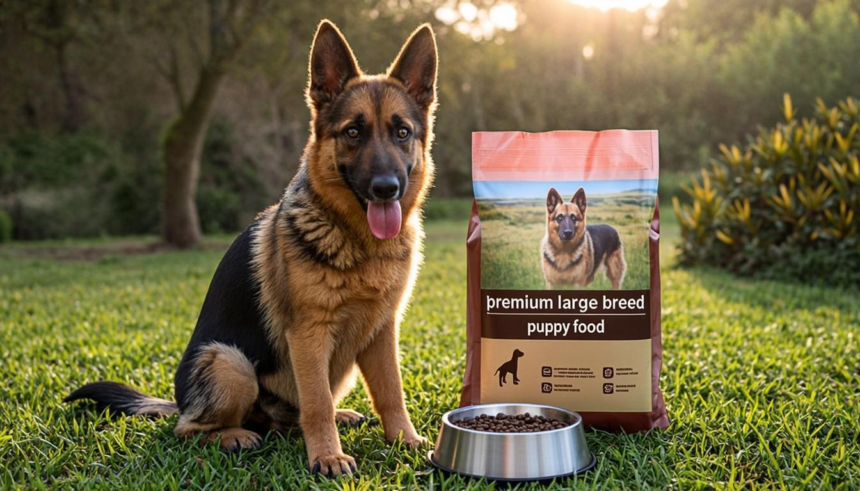
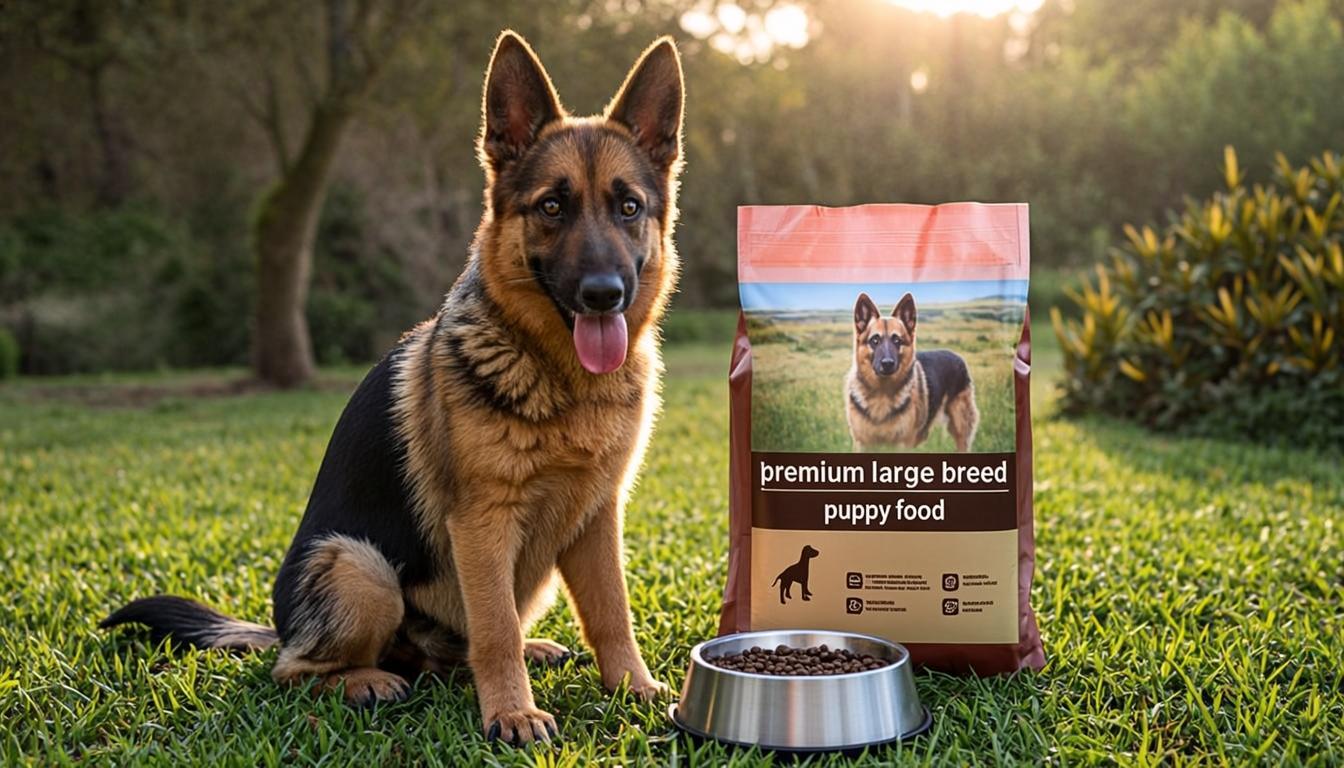
Best Puppy Food for Large Breeds UK 2026: Top Picks for Big Pups
Bringing home a large breed puppy is an incredibly exciting experience. Whether you’ve chosen a bounding German Shepherd, a goofy Labrador, a loyal Golden Retriever, or a gentle Great Dane, you’re in for years of wonderful companionship. But alongside all that joy comes a significant responsibility — particularly when it comes to nutrition. Large breed puppies have fundamentally different dietary requirements from their smaller counterparts, and getting their feeding right during those crucial first months can have a lasting impact on their long-term health.
In this comprehensive guide, we’ll explore everything you need to know about large breed puppy nutrition, explain why these magnificent dogs need specially formulated food, and review the eight best large breed puppy food options available in the UK for 2026. Whether you’re a first-time big dog owner or an experienced handler looking for the latest recommendations, this guide has you covered.
What Counts as a “Large Breed” Puppy?
Before diving into the specifics of nutrition, it’s worth clarifying what we mean by “large breed.” In the dog food world, breeds are generally categorised by their expected adult weight:
- Small breeds: Under 10 kg adult weight (e.g., Cavalier King Charles Spaniel, French Bulldog)
- Medium breeds: 10–25 kg adult weight (e.g., English Springer Spaniel, Border Collie)
- Large breeds: 25–45 kg adult weight (e.g., Labrador Retriever, German Shepherd, Golden Retriever)
- Giant breeds: Over 45 kg adult weight (e.g., Great Dane, Newfoundland, Saint Bernard, Rottweiler)
Most large breed puppy foods on the UK market are designed for dogs expected to reach 25 kg or more as adults, whilst some products are specifically labelled for “giant” breeds (typically those over 45 kg). If you’re unsure which category your puppy falls into, ask your vet at their first check-up — they can estimate adult weight based on breed, parent size, and current growth trajectory.
For the purposes of this guide, we’ll be focusing on foods suitable for both large and giant breed puppies, covering the full spectrum from German Shepherd puppy food UK to options for the biggest of the big.
Why Large Breed Puppies Need Special Food
You might be wondering whether you really need a specific “large breed” formula, or whether any quality puppy food will do. The answer is emphatically yes — large breed puppies genuinely need specially tailored nutrition, and here’s why.
Rapid Growth Rate
Large breed puppies grow at an astonishing pace. A Labrador puppy might weigh just 350 g at birth but can reach 30 kg or more by the time they’re a year old. That’s roughly an 85-fold increase in body weight within twelve months. Giant breeds are even more extreme — a Great Dane puppy can gain well over 50 kg in its first 18 months of life.
This extraordinary growth rate means that every single nutrient your large breed puppy consumes plays a critical role in how their body develops. Unlike small breeds that reach their adult size relatively quickly (often by 9–12 months), large and giant breeds continue growing for 18–24 months. This extended growth period means there’s a longer window during which nutritional imbalances can cause harm.
Controlled Calcium and Phosphorus
This is perhaps the single most important reason to choose a dedicated large breed puppy food. Research has consistently shown that excess dietary calcium during the growth phase is a major contributing factor to several debilitating skeletal disorders in large breed dogs.
When a large breed puppy consumes too much calcium, their body can’t regulate how much is absorbed into developing bones. This leads to abnormal bone growth and can result in conditions such as:
- Osteochondrosis (OCD): A condition where cartilage in joints fails to develop properly, leading to loose cartilage flaps that cause pain and lameness
- Hip Dysplasia (HD): Abnormal development of the hip joint, which can cause arthritis and mobility issues later in life
- Hypertrophic Osteodystrophy (HOD): A painful inflammation of the growth plates in the long bones
The ideal calcium content for large breed puppies is between 0.8% and 1.2% on a dry matter (DM) basis, according to guidelines from FEDIAF (the European Pet Food Industry Federation). Many regular puppy foods contain calcium levels well above this range, which is perfectly safe for small breeds but potentially harmful for large ones.
The calcium-to-phosphorus ratio is equally important. A balanced ratio of roughly 1.2:1 to 1.5:1 ensures proper bone mineralisation without overloading the skeletal system.
Controlled Energy and Calorie Density
Overfeeding a large breed puppy is just as dangerous as feeding the wrong nutrients. Excess calories accelerate growth beyond what the puppy’s skeletal system can properly support. A puppy that grows “too fast” is at significantly higher risk of joint problems, as the bones and soft tissues can’t keep pace with the rapidly increasing body weight.
Large breed puppy foods are specifically formulated with a moderate calorie density — enough to support healthy growth but not so much that it encourages excessive weight gain. This controlled approach helps ensure your puppy grows at a steady, sustainable rate.
Joint Health Support
Given that large breeds are predisposed to joint problems, many dedicated formulas include ingredients that support joint health from an early age. Look for foods containing:
- Glucosamine: A natural compound that helps maintain healthy cartilage
- Chondroitin: Works alongside glucosamine to support joint structure and function
- Omega-3 fatty acids (EPA and DHA): Help reduce inflammation and support joint mobility
DHA for Brain and Eye Development
DHA (docosahexaenoic acid) is an omega-3 fatty acid that’s crucial for cognitive development and vision in puppies. Large breed puppies benefit significantly from adequate DHA levels during their growth phase, particularly breeds like German Shepherds and Golden Retrievers that are often trained for working roles, assistance work, or competitive sports. The earlier their brain development is supported, the better they tend to perform in training scenarios.
Longer Growth Period
As mentioned, large breed puppies grow for 18–24 months, compared to around 9–12 months for smaller breeds. This means they need a food that provides appropriate nutrition across a longer developmental window. Large breed puppy formulas are designed to be fed for this extended period, ensuring your pup gets the right balance of nutrients right up until they transition to adult food.
For more on when to make that switch, check out our detailed guide on when to switch from puppy to adult dog food.
What to Look for in Large Breed Puppy Food: A Buying Guide
With dozens of options on the UK market, choosing the right food can feel overwhelming. Here’s a checklist of the key factors to consider when evaluating big breed puppy food.
Calcium Content (0.8–1.2% DM)
The gold standard. Check the guaranteed analysis on the packaging or the manufacturer’s website. If the calcium content isn’t listed, that’s a red flag — reputable large breed puppy foods will always disclose this figure. Avoid foods with calcium levels exceeding 1.5%, as these can be dangerous for growing large breed pups.
Controlled Fat Levels
Fat is the most calorie-dense macronutrient in dog food, so controlling fat content is key to managing calorie intake. Look for foods with fat content between 10% and 15% on a DM basis. Extremely high-fat foods (over 18%) may encourage excessive weight gain in large breed puppies.
Protein: 25–30% from Quality Sources
Protein is essential for muscle development, but more isn’t always better. Aim for a food with 25–30% protein on a DM basis, with the majority coming from named animal sources (chicken, lamb, salmon, etc.) rather than generic “meat meal” or plant proteins. Real meat should be the first ingredient listed.
Glucosamine and Chondroitin
These joint-supporting compounds are a valuable addition to any large breed puppy food. While not all experts agree on their efficacy, there’s reasonable evidence to suggest they can help support long-term joint health, particularly in breeds predisposed to problems.
L-Carnitine Support
L-carnitine is an amino acid that helps the body convert fat into energy. It can support healthy weight management and lean muscle development in large breed puppies, both of which contribute to better joint health long term.
FEDIAF Guidelines Compliance
FEDIAF sets the nutritional standards for pet food in Europe. Any reputable large breed puppy food sold in the UK should comply with these guidelines, which cover minimum and maximum levels of all essential nutrients. FEDIAF compliance isn’t just about minimum requirements — it also sets safe upper limits for nutrients like calcium that can be harmful in excess.
“Large Breed” or “Giant Breed” Specific Labelling
This is the simplest way to identify an appropriate food. If a product is explicitly labelled as being for “large breed puppies” or “giant breed puppies,” it should have the controlled calcium and calorie levels your pup needs. However, always verify the calcium content rather than relying on the label alone, as quality can vary between brands.
Kibble Size
While it might seem like a minor detail, kibble size actually matters for large breed puppies. Larger kibble encourages proper chewing, aids digestion, and can help slow down fast eaters — a common issue in big breeds. Many large breed-specific foods feature a larger kibble designed specifically for bigger mouths.
If you’re interested in how different food types compare, take a look at our best dry dog food UK guide for a broader overview.
Top 8 Best Large Breed Puppy Foods in the UK: In-Depth Reviews
After extensive research, comparing nutritional profiles, ingredient quality, price points, and customer feedback, here are our top picks for the best large breed puppy food available in the UK.
1. Royal Canin Giant Puppy
Best for: Giant breed puppies (expected adult weight over 45 kg)
Royal Canin is a name synonymous with breed-specific nutrition, and their Giant Puppy formula is one of the most carefully engineered foods on the market for the biggest of the big. It’s specifically designed for puppies of breeds like Great Danes, Mastiffs, and Newfoundlands, with an adapted energy content that supports steady growth without encouraging the rapid weight gain that can strain developing joints.
The kibble size is notably large — deliberately so, to encourage chewing and slow down eating. This is particularly beneficial for giant breeds, which are notorious for gobbling their food, a habit that can increase the risk of GDV (gastric dilatation-volvulus), commonly known as bloat.
Key Features:
- Controlled calcium and phosphorus levels for healthy skeletal development
- Adapted protein content (32%) with L-carnitine to support healthy growth
- Exclusive antioxidant complex for immune system support
- Prebiotics (FOS) and highly digestible proteins for digestive health
- Extra-large kibble size suited to giant breed jaws
Nutritional Highlights (DM basis):
- Protein: 32% | Fat: 14% | Calcium: 1.0% | Phosphorus: 0.85%
Pros:
- Exceptionally well-researched formula backed by extensive veterinary input
- Specifically tailored to giant breeds’ unique growth pattern
- Large kibble encourages proper chewing and slows eating speed
- Widely available in the UK from vets, pet shops, and online
Cons:
- Contains wheat gluten and maize — not ideal for dogs with grain sensitivities
- Higher price point than many alternatives
- Some owners dislike the inclusion of artificial preservatives
Approximate Price: £50–£60 for a 15 kg bag
2. Hills Science Plan Large Breed Puppy
Best for: Large breed puppies requiring clinically proven nutrition
Hills Science Plan is one of the most trusted names in veterinary-recommended pet nutrition, and their Large Breed Puppy formula delivers the scientifically backed nutrition that large breed pups need. What sets Hills apart is their commitment to clinical research — their foods are developed in collaboration with veterinarians and nutritionists, and many ingredients have been clinically proven to deliver specific health benefits.
The formula features Hills’ proprietary antioxidant blend, which includes vitamins C and E, lutein, and taurine. This blend has been clinically shown to support a healthy immune system in puppies — particularly important during the growth phase when young dogs are more vulnerable to infections and environmental stressors.
Key Features:
- Optimal levels of calcium and phosphorus for controlled bone development
- Clinically proven antioxidant blend for immune support
- High-quality chicken as the primary protein source
- Taurine and L-carnitine for heart health and lean muscle development
- Omega-3 and omega-6 fatty acids for skin and coat health
Nutritional Highlights (DM basis):
- Protein: 29.5% | Fat: 16.5% | Calcium: 1.0% | Phosphorus: 0.85%
Pros:
- Extensive clinical research backing the formulation
- Widely recommended by UK veterinarians
- Palatable — even fussy eaters tend to enjoy it
- Available in chicken flavour, which most puppies love
Cons:
- Contains grains including wheat and maize
- Premium pricing reflects the clinical research investment
- Some owners prefer grain-free options
Approximate Price: £45–£55 for a 12 kg bag
3. Eukanuba Large Breed Puppy Dry Dog Food
Best for: Large breed puppies needing DHA-rich brain development support
Eukanuba has long been a favourite among working dog owners and serious breeders, and their Large Breed Puppy formula is a well-rounded option that prioritises both physical and cognitive development. One of Eukanuba’s standout features is their inclusion of high levels of DHA (docosahexaenoic acid), sourced from fish oil, which supports brain and eye development during the crucial early months.
The formula also includes a 3D DentaDefense system, which is clinically proven to reduce tartar buildup by up to 80% compared to standard dry foods. Dental health might not be the first thing you think of for a puppy, but establishing good oral hygiene habits early can prevent significant problems down the line — especially in large breeds that are prone to dental issues.
Key Features:
- High DHA levels from natural fish oil for brain and eye development
- Prebiotic FOS and beet pulp for healthy digestion
- Natural sources of glucosamine and chondroitin for joint support
- 3D DentaDefense system for dental health
- Optimal calcium and energy levels for controlled growth
Nutritional Highlights (DM basis):
- Protein: 29% | Fat: 15% | Calcium: 1.1% | Phosphorus: 0.9%
Pros:
- Excellent DHA content for cognitive development
- Proven dental health benefits
- Joint support ingredients included as standard
- Good value for money compared to some premium alternatives
Cons:
- Contains chicken by-product meal — some owners prefer whole meat ingredients
- Includes maize and wheat
- Kibble size may be too small for some giant breeds
Approximate Price: £40–£50 for a 15 kg bag
4. James Wellbeloved Large Breed Puppy
Best for: Large breed puppies with sensitive digestion or allergies
James Wellbeloved has built a stellar reputation in the UK for producing hypoallergenic, natural dog foods, and their Large Breed Puppy formula is an excellent choice for big pups that tend towards food sensitivities. The food is free from artificial colours, flavours, and preservatives, and uses a single source of animal protein (either turkey or lamb) alongside easily digestible carbohydrates like rice and barley.
What makes James Wellbeloved particularly appealing for allergy-prone puppies is their exclusion of common allergens including beef, dairy, wheat, soya, and eggs. The formula also includes natural prebiotics and herbs like chicory, rosemary, and yucca extract for digestive health and odour control.
Key Features:
- Single-source animal protein (turkey or lamb) for allergy management
- No artificial colours, flavours, or preservatives
- Excludes common allergens: beef, wheat, soya, dairy, eggs
- Natural glucosamine and chondroitin for joint support
- Rice and barley as easily digestible carbohydrate sources
Nutritional Highlights (DM basis):
- Protein: 27% | Fat: 13% | Calcium: 1.0% | Phosphorus: 0.8%
Pros:
- Excellent choice for puppies with food sensitivities
- All-natural ingredients with no artificial additives
- UK-made with British-sourced ingredients where possible
- Good value compared to imported premium brands
Cons:
- Protein content is moderate — very active puppies may need supplementation
- Contains rice, which some owners prefer to avoid
- Limited flavour options compared to some competitors
Approximate Price: £35–£45 for a 15 kg bag
5. Orijen Large Puppy
Best for: Owners wanting a biologically appropriate, high-meat diet
Orijen is widely regarded as one of the premium names in the dog food world, and their Large Puppy formula is a stunning example of their “biologically appropriate” philosophy. With a remarkable 85% meat inclusion, this food is about as close to a natural diet as you can get in a commercially produced kibble. The meat comes from a variety of fresh, regional sources including free-run chicken and turkey, wild-caught fish, and nest-laid eggs.
What truly sets Orijen apart is their approach to ingredient variety. They believe dogs evolved to eat a diverse diet, so their food includes multiple animal protein sources, organs, and cartilage. This variety provides a broad spectrum of naturally occurring nutrients, reducing the need for synthetic vitamin and mineral supplementation.
Key Features:
- 85% quality animal ingredients from chicken, turkey, fish, and eggs
- First five ingredients are fresh or raw meat
- Whole prey ratios including organs and cartilage
- Rich in omega-3 fatty acids for skin, coat, and joint health
- Free from grains, potato, and tapioca — uses lentils and peas instead
Nutritional Highlights (DM basis):
- Protein: 38% | Fat: 14% | Calcium: 1.2% | Phosphorus: 1.0%
Pros:
- Exceptionally high meat content for dogs that thrive on protein-rich diets
- Biologically appropriate formulation mirrors natural canine diet
- Diverse protein sources provide broad nutrient spectrum
- Grain-free formula
Cons:
- Very high protein may not suit all puppies — consult your vet
- Premium price point — one of the most expensive options on our list
- The grain-free aspect has been linked to DCM concerns (though research is ongoing)
- Can be difficult to find in stock due to high demand
Approximate Price: £65–£80 for a 11.4 kg bag
Note on grain-free diets: For more information about the ongoing research into grain-free diets and heart health, see our best grain-free puppy food UK guide, which covers the facts and current veterinary advice in detail.
6. Arden Grange Large Breed Puppy
Best for: UK-made quality with hypersensitivity-friendly formulation
Arden Grange is a proudly British company that produces all their food in the UK, and their Large Breed Puppy formula is an excellent all-round option that balances quality nutrition with excellent value. The food is designed to be hypoallergenic and is free from wheat, beef, soya, and dairy — four of the most common canine allergens.
Arden Grange includes prebiotics MOS (mannan-oligosaccharides) and FOS (fructo-oligosaccharides) for digestive health, alongside a blend of herbs including cranberry, yucca, and psyllium husk. The formula also includes added glucosamine, chondroitin, and MSM (methylsulfonylmethane) for comprehensive joint support — a particularly thoughtful addition for a food at this price point.
Key Features:
- Fresh chicken as the primary ingredient
- Hypoallergenic formula free from wheat, beef, soya, and dairy
- Added glucosamine, chondroitin, and MSM for joint support
- Prebiotics MOS and FOS for digestive health
- No artificial colours, flavours, or preservatives
Nutritional Highlights (DM basis):
- Protein: 28% | Fat: 14% | Calcium: 1.0% | Phosphorus: 0.85%
Pros:
- Made entirely in the UK with British ingredients
- Comprehensive joint support package at a competitive price
- Hypoallergenic — suitable for sensitive puppies
- Excellent customer service from a family-run British company
Cons:
- Less widely available than some bigger brands
- Contains rice and maize
- Some puppies may prefer a stronger-tasting food
Approximate Price: £38–£48 for a 12 kg bag
7. Purina Pro Plan Large Breed Puppy
Best for: Puppies needing immune and digestive support
Purina Pro Plan is one of the most popular premium dog food brands in the UK, and their Large Breed Puppy formula with OPTISTART is packed with science-backed ingredients designed to give your big pup the best possible start. The OPTISTART formula includes colostrum — the nutrient-rich first milk produced by mammals after giving birth — which has been shown to help support puppies’ immune systems and improve their natural defences.
The food also includes live probiotics, specifically Bifidobacterium animalis, which help maintain a healthy balance of gut bacteria. This is particularly valuable for large breed puppies, whose digestive systems can be sensitive during the rapid growth phase.
Key Features:
- OPTISTART with colostrum for immune system support
- Live probiotics for digestive health
- High-quality chicken as the primary ingredient
- Optimal calcium and phosphorus for controlled bone development
- Omega-3 fatty acids (DHA) for brain and vision development
Nutritional Highlights (DM basis):
- Protein: 29% | Fat: 13% | Calcium: 1.1% | Phosphorus: 0.9%
Pros:
- Strong immune support from colostrum and antioxidants
- Live probiotics support digestive health during the growth phase
- Excellent palatability — most puppies eat it enthusiastically
- Widely available across the UK including supermarkets
Cons:
- Contains wheat gluten and maize
- Uses some plant protein alongside animal protein
- Packaging isn’t always resealable
Approximate Price: £42–£52 for a 14 kg bag
8. Lily’s Kitchen Large Breed Puppy
Best for: Owners wanting organic, holistically formulated food
Lily’s Kitchen has earned a devoted following in the UK for their commitment to natural, holistic pet nutrition, and their Large Breed Puppy food is a lovely option for owners who want to feed their big pup as naturally as possible. The food is made with freshly prepared chicken, pork, and trout, alongside a selection of organic fruits and vegetables including sweet potatoes, peas, and botanical herbs.
Lily’s Kitchen takes a holistic approach to nutrition, meaning they consider the whole picture — not just meeting minimum nutritional requirements but optimising overall health and wellbeing. Their recipes include added vitamins and minerals in their most bioavailable forms, alongside natural prebiotics, glucosamine, and chondroitin for joint support.
Key Features:
- Freshly prepared chicken, pork, and trout as primary protein sources
- Organic fruits and vegetables
- No artificial colours, flavours, or preservatives
- Natural joint support with glucosamine and chondroitin
- Holistically formulated with botanical herbs
Nutritional Highlights (DM basis):
- Protein: 30% | Fat: 14% | Calcium: 1.1% | Phosphorus: 0.9%
Pros:
- Holistic, natural approach to nutrition
- Organic ingredient content
- High-quality protein from multiple fresh sources
- Beautiful packaging and excellent brand ethics
Cons:
- Premium price — one of the more expensive options
- Grain-free formula (contains sweet potato and peas)
- Smaller bag sizes mean more frequent purchasing
- Not all puppies enjoy the more subtle, natural flavour profile
Approximate Price: £45–£55 for a 7.5 kg bag
Large Breed Puppy Feeding Guide
Choosing the right food is only half the battle — how you feed your large breed puppy is equally important. Here’s everything you need to know about feeding practices for big breed pups.
Feeding by Age and Expected Adult Weight
The following table provides a general guideline for daily feeding amounts. Always check the specific feeding guide on your chosen food’s packaging, as calorie density varies between brands. If in doubt, consult your vet.
| Puppy Age | Expected Adult Weight 25–35 kg | Expected Adult Weight 35–50 kg | Expected Adult Weight 50+ kg |
|---|---|---|---|
| 2–3 months | 180–250 g | 250–350 g | 300–450 g |
| 4–6 months | 250–380 g | 350–500 g | 450–650 g |
| 6–9 months | 300–420 g | 400–580 g | 550–750 g |
| 9–12 months | 320–450 g | 450–620 g | 600–820 g |
| 12–18 months | 350–480 g | 480–650 g | 650–900 g |
| 18–24 months | 350–500 g | 500–680 g | 700–950 g |
Note: These are approximate daily amounts for dry food. Split into 3 meals per day for puppies under 6 months, and 2 meals per day for puppies over 6 months.
For a more detailed feeding breakdown, visit our comprehensive puppy feeding guide: how much to feed by age.
Why You Should NEVER Free-Feed a Large Breed Puppy
Free-feeding (leaving food available at all times) might seem convenient, but it’s one of the worst things you can do for a large breed puppy. Here’s why:
- Overeating risk: Large breed puppies are often enthusiastic eaters and will consume more than they need if given the opportunity, leading to excessive weight gain
- Accelerated growth: Overeating directly contributes to too-rapid growth, which as we’ve discussed, increases the risk of skeletal problems
- House training difficulties: Free-fed puppies eat at unpredictable times, making it harder to establish a consistent toilet routine
- No portion control: You have no way of knowing how much your puppy is actually consuming each day
Always measure your puppy’s food carefully using kitchen scales, and stick to scheduled mealtimes. This allows you to monitor intake, adjust portions as needed, and maintain the controlled growth rate that large breed puppies need.
How to Assess Your Puppy’s Body Condition
Regularly assessing your puppy’s body condition is one of the best ways to ensure they’re growing at an appropriate rate. Here’s a simple body condition scoring method:
- Ideally conditioned: You can feel (but not see) the ribs with light finger pressure. There’s a visible waist when viewed from above, and the abdomen tucks up when viewed from the side.
- Underweight: Ribs are visible or easily felt without pressure. No discernible waist. Hip bones may be prominent.
- Overweight: Ribs are difficult to feel under a layer of fat. No visible waist. The abdomen may sag rather than tuck up.
Large breed puppies should be kept lean during their growth phase. Research has shown that puppies kept at a lean body weight have significantly lower rates of hip dysplasia and other joint problems compared to puppies allowed to become overweight. It’s always better to be slightly too thin than slightly too fat when it comes to growing large breed pups.
Exercise, Feeding Timing, and Bloat Prevention
Gastric Dilatation-Volvulus (GDV), commonly known as bloat, is a life-threatening emergency that disproportionately affects large and giant breeds. While the exact cause isn’t fully understood, there are feeding practices that can help reduce the risk:
- Don’t exercise your puppy within one hour before or after meals — this is one of the most important rules for large breed owners
- Feed 2–3 smaller meals per day rather than one large meal
- Use a slow-feeder bowl if your puppy tends to gulp their food
- Don’t elevate the food bowl — despite popular belief, elevated feeding has been associated with increased bloat risk in some studies
- Keep your puppy calm after eating — no rough play or vigorous exercise
For more information on safe feeding practices, check our guide on what not to feed your puppy.
Common Health Concerns and the Role of Nutrition
Large breed dogs are, unfortunately, predisposed to several health conditions, and nutrition plays a significant role in either preventing or exacerbating many of them. Understanding these connections will help you make the best feeding decisions for your growing pup.
Hip Dysplasia and Diet
Hip dysplasia is one of the most common orthopaedic conditions in large breed dogs. It occurs when the hip joint develops abnormally, leading to a loose fit between the ball and socket of the hip. Over time, this causes cartilage damage, inflammation, and painful arthritis.
While genetics is the primary risk factor for hip dysplasia, diet plays a crucial modulating role. Studies have shown that puppies fed an excess of calories and calcium during their growth phase are significantly more likely to develop hip dysplasia than those fed a controlled diet. Keeping your puppy lean and feeding an appropriate large breed formula can substantially reduce the risk, even in genetically predisposed breeds.
The RSPCA and Blue Cross both recommend maintaining a healthy weight during puppyhood as a key preventive measure for joint problems.
Osteochondrosis (OCD)
Osteochondrosis is a condition where the cartilage in a puppy’s joints fails to develop properly, resulting in thickened, weakened areas that can crack and form loose flaps (osteochondritis dissecans). It most commonly affects the shoulder, elbow, stifle (knee), and hock joints.
Nutritional factors that contribute to OCD include:
- Excess calcium intake
- Excess phosphorus intake
- Overfeeding (excess calories)
- Rapid growth rate
- Imbalanced calcium-to-phosphorus ratio
Feeding a properly formulated large breed puppy food with controlled calcium and calorie levels is the single most effective dietary strategy for reducing OCD risk.
Panosteitis (Growing Pains)
Panosteitis, sometimes called “growing pains,” is an inflammatory condition of the long bones that typically affects young large breed dogs between 5 and 18 months of age. It causes intermittent lameness that may shift from one leg to another.
Whilst the exact cause isn’t fully understood, over-nutrition (excess calories and nutrients) is believed to be a contributing factor. Feeding an appropriate, controlled-growth diet and avoiding supplementation with extra calcium or vitamin D can help reduce the risk.
GDV/Bloat Risk and Feeding Practices
As discussed in the feeding section, GDV is a life-threatening emergency where the stomach fills with gas and can twist on its axis. Large and giant breeds with deep chests (such as Great Danes, German Shepherds, Weimaraners, and Standard Poodles) are at highest risk.
Feeding practices that can help reduce GDV risk include feeding multiple smaller meals, using slow-feeder bowls to prevent rapid eating, avoiding exercise around mealtimes, and not feeding from elevated bowls.
Wet vs Dry Food for Large Breed Puppies
One common question from large breed puppy owners is whether to feed wet food, dry food, or a combination of both. Here’s an honest comparison to help you decide.
Dry Food (Kibble)
Advantages:
- Specifically formulated large breed puppy kibbles are widely available
- Helps reduce plaque and tartar buildup through mechanical abrasion during chewing
- More calorie-dense, so you need to feed smaller volumes
- Economical — generally much cheaper per calorie than wet food
- Convenient to store and measure
- Larger kibble sizes encourage chewing and slow eating
Disadvantages:
- Lower moisture content (typically 8–12%) — important for puppies that don’t drink enough water
- Some puppies find it less palatable than wet food
- Processing methods can affect nutrient bioavailability
Wet Food
Advantages:
- High moisture content (70–80%) supports hydration
- Generally more palatable — excellent for fussy eaters
- Less processed than kibble
Disadvantages:
- Very few wet foods are specifically formulated for large breed puppies with controlled calcium levels
- More expensive per calorie
- Once opened, needs to be refrigerated and used within a few days
- Doesn’t provide the dental benefits of chewing kibble
- Large breed puppies would need to eat impractical volumes to meet calorie needs from wet food alone
Our Recommendation
For the vast majority of large breed puppies, we recommend feeding a high-quality dry food specifically formulated for large breeds as the primary diet. This ensures your puppy gets the controlled calcium, phosphorus, and calorie levels they need for healthy growth. If you’d like to add some variety or entice a fussy eater, you can mix in a small amount of wet food (no more than 25% of total calories) — but make sure the kibble remains the predominant component.
If you’re considering wet food options, our best puppy food UK guide includes both wet and dry recommendations.
Frequently Asked Questions
At what age is a dog considered a large breed?
A dog is considered a large breed based on their expected adult weight rather than age. Large breeds typically weigh between 25–45 kg when fully grown, and giant breeds exceed 45 kg. Common UK large breeds include Labradors, German Shepherds, Golden Retrievers, Boxers, and Rottweilers. Giant breeds include Great Danes, Newfoundlands, Saint Bernards, and Irish Wolfhounds. The age at which they reach full maturity varies — large breeds typically mature at 15–18 months, whilst giant breeds may not be fully mature until 24 months.
What’s the difference between large breed and regular puppy food?
The key differences lie in calcium content, calorie density, and joint support ingredients. Large breed puppy foods have controlled calcium levels (typically 0.8–1.2% on a dry matter basis) to prevent skeletal problems caused by excess calcium absorption. They also have a moderate calorie density to prevent overly rapid growth, and often include glucosamine and chondroitin for joint support. Regular puppy foods may have higher calcium levels and calorie density, which is fine for small and medium breeds but potentially harmful for large ones.
Can I feed regular puppy food to a large breed puppy?
We strongly advise against this. Regular puppy food typically contains higher calcium levels than large breed puppies should consume, and the calorie density may be too high. Even short-term feeding of inappropriate puppy food during the critical growth phase can increase the risk of skeletal disorders. Always choose a food specifically labelled for large or giant breed puppies.
How much should I feed my large breed puppy?
Feeding amounts depend on your puppy’s age, expected adult weight, and the specific food you’re using. As a general guide, large breed puppies aged 2–3 months need roughly 200–400 g of dry food per day (split into 3 meals), rising to 350–600 g per day (split into 2 meals) by 6–12 months. Always follow the feeding guide on your food’s packaging and adjust based on your puppy’s body condition. If you’re unsure, consult your vet for personalised advice.
When should large breed puppies switch to adult food?
Large breed puppies should remain on puppy food for longer than smaller breeds. Most large breeds should switch to adult food between 15 and 18 months of age, whilst giant breeds may benefit from staying on puppy food until 18–24 months. Your vet can advise on the best timing based on your individual puppy’s growth rate and body condition. For a full guide, see our article on when to switch from puppy to adult dog food.
What ingredients should I avoid in large breed puppy food?
Avoid foods with excessive calcium (above 1.5% on a DM basis), artificial colours and preservatives (such as BHA, BHT, and ethoxyquin), generic “meat meal” or “animal derivatives” without specifying the source, added vitamin D supplements (excess vitamin D increases calcium absorption), and excessive fat content (above 18%). If your puppy has known sensitivities, also avoid common allergens such as wheat, beef, soya, and dairy. For more detail, read our guide on what not to feed your puppy.
Is grain-free food safe for large breed puppies?
The safety of grain-free dog food has been the subject of significant debate in recent years, following research by the FDA in the United States linking certain grain-free diets (particularly those high in legumes like peas, lentils, and potatoes) to an increased risk of Dilated Cardiomyopathy (DCM) in dogs. Whilst this research is not conclusive and is primarily focused on the US market, it’s worth being cautious. The PDSA recommends feeding a complete, balanced diet that meets FEDIAF standards. If you prefer to feed grain-free, choose a brand with a strong track record and discuss it with your vet.
How do I prevent my large breed puppy from growing too fast?
The most effective strategies are: feeding a dedicated large breed puppy food with controlled calorie density, carefully measuring portions rather than free-feeding, keeping your puppy lean (you should be able to feel but not see their ribs), avoiding calcium supplementation, and not overfeeding treats (treats should make up no more than 10% of daily calorie intake). Regular weigh-ins and body condition assessments will help you track growth and make adjustments as needed.
Should I give supplements to my large breed puppy?
In most cases, no — a high-quality large breed puppy food that complies with FEDIAF nutritional guidelines will provide all the nutrients your puppy needs. In fact, adding supplements can be harmful — particularly calcium, vitamin D, and phosphorus supplements, which can cause skeletal problems when given in excess. The only supplements you should consider are those specifically recommended by your vet for an individual health concern. Never supplement a growing large breed puppy without veterinary guidance.
What’s the best food for German Shepherd and Labrador puppies?
Both German Shepherds and Labradors are large breeds with specific nutritional needs. For German Shepherd puppies, we particularly recommend foods with joint support ingredients (glucosamine, chondroitin), digestive health support (prebiotics, probiotics), and DHA for cognitive development — our top picks would be Purina Pro Plan Large Breed Puppy or Royal Canin German Shepherd Puppy (a breed-specific formula). For Labrador puppies, who are notorious food lovers prone to weight gain, a controlled-calorie formula is essential — Royal Canin Labrador Retriever Puppy, Hills Science Plan Large Breed Puppy, or Arden Grange Large Breed Puppy are all excellent choices.
Final Verdict: Our Top Picks by Category
Choosing the right food ultimately depends on your puppy’s individual needs, your budget, and your personal preferences regarding ingredients. Here are our final recommendations by category:
🏆 Best Overall: Hills Science Plan Large Breed Puppy
With its clinically proven formulation, balanced nutrient profile, strong calcium control, and the backing of extensive veterinary research, Hills Science Plan offers the best all-round package for most large breed puppies. It’s widely recommended by UK vets, highly palatable, and provides comprehensive nutritional support throughout the growth phase.
🏆 Best Premium: Orijen Large Puppy
If budget isn’t a concern and you want to feed the closest thing to a natural, species-appropriate diet, Orijen’s 85% meat formula is outstanding. The quality of ingredients, diversity of protein sources, and biologically appropriate philosophy make it a standout choice for owners who prioritise natural nutrition.
🏆 Best Budget: James Wellbeloved Large Breed Puppy
James Wellbeloved offers exceptional value without compromising on quality. With its hypoallergenic formulation, natural ingredients, and controlled nutrient levels, it’s an excellent choice for owners who want premium-quality nutrition at a more accessible price point.
🏆 Best Hypoallergenic: James Wellbeloved Large Breed Puppy
For puppies with food sensitivities, James Wellbeloved’s exclusion of common allergens (wheat, beef, soya, dairy, eggs) combined with single-source protein makes it the clear winner. Arden Grange Large Breed Puppy is a very close runner-up in this category.
🏆 Best for Giant Breeds: Royal Canin Giant Puppy
Specially formulated for puppies expected to exceed 45 kg as adults, Royal Canin Giant Puppy is specifically designed to support the unique growth pattern and extended development timeline of giant breeds. The extra-large kibble size is an additional benefit for these magnificent dogs.
🏆 Best for Fussy Eaters: Purina Pro Plan Large Breed Puppy
With its combination of high-quality chicken, colostrum-enhanced formula, and live probiotics for digestive health, Purina Pro Plan is consistently rated as one of the most palatable large breed puppy foods available in the UK.
Wrapping Up
Feeding a large breed puppy correctly is one of the most important things you can do to set them up for a long, healthy, and active life. The right food — combined with proper portion control, regular body condition monitoring, and sensible feeding practices — can significantly reduce the risk of the joint and skeletal problems that unfortunately plague many large and giant breed dogs.
Remember, every puppy is unique. What works brilliantly for one Golden Retriever might not be ideal for another. Don’t be afraid to try a different food if your puppy isn’t thriving on their current diet, but always transition gradually using our safe dog food switching guide to avoid digestive upset.
And most importantly, work closely with your vet. Regular check-ups, weight monitoring, and professional guidance are invaluable during your large breed puppy’s crucial growth phase. The investment you make in proper nutrition now will pay dividends for years to come.
Disclaimer: The information in this article is for educational purposes only and should not replace professional veterinary advice. Always consult your vet before making significant changes to your puppy’s diet, particularly if they have existing health conditions.