

Protein is the most important part of your dog’s diet. It builds muscle, repairs tissue, supports the immune system and keeps the coat healthy and shiny. But still, many dogs in the UK only get 18 to 22% protein because they are fed a lot of wheat-based foods and low-quality animal derivatives.
The market has become even better in 2026, but now more brands clearly mention their meat sources, publish meat inclusion rates and are avoiding cheap fillers. But the high-protein label on the packaging is still almost meaningless if you don’t check it. In this guide, you will learn what is actually important when choosing a high-protein dog food.
Why Protein Quality Beats Protein Percentage
A 30% protein figure tells you one thing. The source of that protein tells you everything else.
Chicken meal, for example, is 4 to 5 times more protein-dense than fresh chicken because its moisture is removed during processing. Therefore, the 30 percent protein in processed chicken meal and the 30 percent protein in meat and animal derivatives are completely different.
“Meat and animal derivatives” is a catch-all term that can legally include almost any low-quality animal ingredient. According to the PDSA, adult dogs should receive at least 18% crude protein in their diet. Working dogs, puppies, and active breeds often require 28 to 35% or even more protein. Senior dogs experiencing muscle loss, aka sarcopenia, also require a higher protein intake.
The British Veterinary Association now supports this and recommends a higher protein intake for healthy older dogs. But it’s not just the protein percentage that’s important. Bioavailability is equally important.
If your dog can’t properly digest and absorb the protein, the high protein number on the packaging isn’t worth much. The real thing is how much the protein supports your dog’s overall condition and health.
What to Look for in a High-Protein Dog Food
Named Meat as the First Ingredient
If the ingredient list lists “chicken,” “salmon,” or “lamb,” it’s a meaningful signal that the brand is clearly mentioning the actual protein source. However, if the first position simply says “meat and animal derivatives,” its value isn’t as strong.
Named protein sources are traceable, meaning you know exactly which animal the protein comes from. While derivatives are considered a mixture of animal parts not used for human food consumption, according to the Pet Food Manufacturers‘ Association (PFMA), their composition can also vary from batch to batch.
One of the UK’s most comprehensive independent dog food review websites, AllAboutDogFood.co.uk, also rates foods partly on this criterion. If a brand doesn’t clearly name its protein source, that’s something to look out for.
Crude Protein Above 26% (Dry Matter Basis)
For most adult dogs, 26–32% crude protein on a dry matter basis is considered a strong target. If the protein content is below 18%, it falls short of the PDSA’s recommended minimum level for active dogs.
Always check the “analytical constituents” section on the packaging. The large protein number on the front of the pack is sometimes calculated on an “as-fed basis,” which also includes moisture. Therefore, the protein percentage may appear lower than the actual amount.
The formula for calculating the dry matter basis is:

To calculate this formula, first divide the protein percentage by (100 minus moisture percentage), then multiply the result by 100.
This formula helps you understand the real protein concentration of dog food.
Low or No Grain Fillers
Grain-free recipes aren’t automatically better in every situation. But when a large portion of a recipe is grain-based, the protein level drops and the amount of carbohydrates increases significantly.
Secondary carbohydrate sources such as peas, lentils, and sweet potatoes are generally considered better than maize gluten or wheat flour because they provide comparatively greater nutritional value. Maize gluten and wheat flour are often used only as cheap fillers and provide limited nutrition to dogs.
Natural Preservation
Ethoxyquin, BHA, and BHT are still legally permitted in UK pet food, but there are many questions and concerns about their long-term health effects. For this reason, many pet owners and nutrition-focused brands try to avoid them.
Mixed tocopherols (vitamin E) and rosemary extract are considered cleaner preservation options. These ingredients also help keep food fresh and are generally considered more natural alternatives.
FEDIAF Nutritional Compliance
FEDIAF, the nutritional standards body for Europe’s pet food industry, publishes complete nutrition guidelines for different life stages of dogs. This means that puppies, adults, and senior dogs all have different nutritional needs, and proper dog food must meet those requirements.
If a food meets FEDIAF standards, it doesn’t just mean it’s high in protein. It’s also nutritionally complete overall, meaning it contains balanced amounts of vitamins, minerals, fats, proteins, and other essential nutrients necessary for the dog’s overall health.
How DogFoodsUK.com Ranked These Products
DogFoodsUK.com is an independent review website created specifically by an individual to help UK dog owners choose the best dog food without the confusion of sponsored results and brand-funded rankings. No brand receives a ranking by paying for placement.
Each product below has been evaluated based on a few key factors:
- Protein source and inclusion rate—named meat, percentage, position in the ingredient list
- Ingredient quality — absence of derivatives, artificial additives, and low-grade fillers
- Nutritional completeness — FEDIAF compliance, life stage suitability
- Value for money — cost per 100g of usable protein
- Independent review scores — AllAboutDogFood.co.uk ratings, vet forum feedback, and owner reports
All products are available on Amazon UK with Prime delivery.
Best High-Protein Dog Foods UK 2026
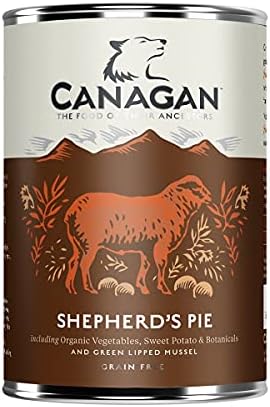
1. Canagan Grain Free Free-Run Chicken
Crude protein: 35% | Primary source: Free-run chicken (50% in wet, 48% in dry)
Canagan scores 4.6/5 on AllAboutDogFood.co.uk based on ingredient analysis, which puts it near the top of the UK market consistently. The dry kibble lists chicken (26%), dried chicken (17%), and chicken gravy (5%) in the top 3 positions. That’s 48% of the recipe from a single named protein source before anything else appears.
No wheat. No soy. No artificial colours or preservatives. The protein figure holds up on dry matter conversion.

Available on Amazon UK: Canagan Grain Free Free-Run Chicken (2kg, 6kg, 12kg)
Best for: adult dogs, active breeds, grain-sensitive dogs.
2. Lily’s Kitchen Chicken and Turkey Adult Dog Food
Crude protein: 28% | Primary source: Freshly prepared chicken (31%)
Lily’s Kitchen is a Certified B Corporation and one of the few UK pet food brands that publishes full provenance for its meat. The adult chicken and turkey recipe uses 31% freshly prepared chicken and 10% turkey, both named and traceable.
It meets FEDIAF complete food standards and uses mixed tocopherols for preservation. The price runs higher than mid-market options, but the ingredient list earns it.

- Multipack of nutritionally complete adult wet dog food – Cottage Pie, Chicken & Turkey Casserole and Lamb Hotpot
- Nutritionally complete wet food for dogs 4 months +
- Made with freshly prepared meat, vegetables, fruits and herbs
Available on Amazon UK: Lily’s Kitchen Chicken and Turkey (1kg, 2kg, 7kg)
3. Forthglade Natural Grain-Free Wet Food (Chicken with Liver)
Crude protein: 9.5% wet weight / ~38% dry matter basis | Chicken content: 60%
Wet food numbers look lower than dry on the label, but the dry matter conversion changes the picture. Forthglade’s chicken and liver recipe lands at roughly 38% protein on a dry matter basis, which puts it above most dry kibbles by that measure.
60% chicken, with liver providing organ-sourced protein and B vitamins. No added sugar, no derivatives, no grains.
Dogs Trust and Blue Cross UK both reference Forthglade in their feeding guides as an example of a quality complete wet food. It’s not sponsorship. The ingredient list is simply clean enough to cite.
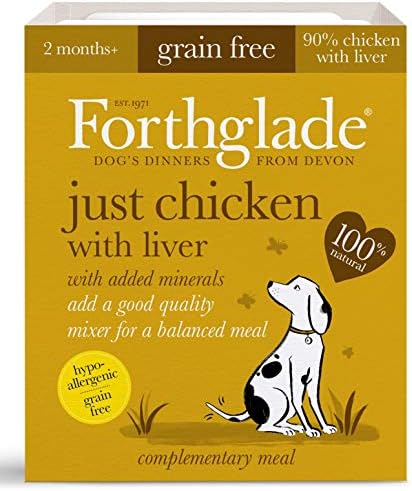
Available on Amazon UK: Forthglade Natural Grain Free Chicken with Liver (18-pack multipack)
Best for: all breeds, dogs recovering from illness, fussy eaters.
4. Barking Heads Chop Lickin’ Lamb
Crude protein: 30% | Primary source: Dried lamb (26%)
Lamb-based recipes are a practical option for dogs with chicken sensitivities, which are more common in the UK than most owners realise. Barking Heads uses human-grade lamb as the primary protein, with no wheat gluten and no meat derivatives.
It scores 4.4/5 on AllAboutDogFood.co.uk. Sweet potato features as the main carbohydrate, which keeps the glycaemic load lower than grain-based alternatives.

- 50% FREE-RUN CHICKEN – Our Bowl Lickin’ Goodness dry dog food is made with tasty freshly prepared free-run chicken, blen…
- NATURAL INGREDIENTS – We believe in the power of natural ingredients! Our recipe is crafted with only the best quality, …
- SUPPORTS IMMUNITY & VITALITY – We care about your furry friend’s well-being, which is why we’ve added a special blend of…
Available on Amazon UK: Barking Heads Chop Lickin’ Lamb (2kg, 5kg, 12kg)
5. Nature’s Variety Instinct Raw Boost (Chicken)
Crude protein: 38% | Primary sources: Chicken, chicken meal
This sits at the top of the protein range in this list. Nature’s Variety mixes standard kibble with freeze-dried raw pieces in the same bag, a format that delivers raw protein density without the handling complexity of fully raw feeding.
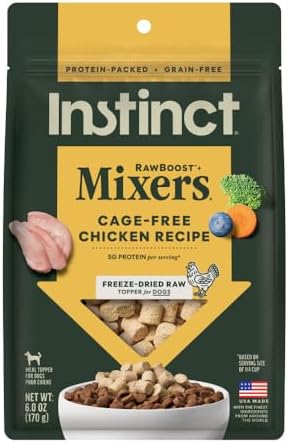
- FREEZE DRIED RAW DOG FOOD TOPPER WITH CAGE FREE CHICKEN: Add raw to your dog bowl with Instinct Raw Boost Mixers all nat…
- GRAIN FREE DOG FOOD MIXER: Raw, whole food ingredients are freeze dried to gently remove moisture, locking in nutrients …
- DRY DOG FOOD TOPPER OR DOG TREAT: Add variety and excitement to dry dog food with Raw Boost Mixers. Made with all natura…
The freeze-dried raw pieces undergo minimal processing, which preserves amino acid integrity better than high-heat extrusion. The PDSA’s guidance on raw feeding notes that raw diets carry some bacterial risk, particularly for immunocompromised dogs. This hybrid format reduces that exposure while keeping protein high.
Available on Amazon UK: Nature’s Variety Instinct Raw Boost Chicken (varies by weight)
High-Protein Meat Brands Worth Knowing
Beyond the top 5, these brands appear consistently in vet nutrition discussions and AllAboutDogFood.co.uk’s top-rated lists:
- Acana (Canadian brand, widely available in the UK) — 60–70% meat inclusion across most recipes
- Orijen (same parent company as Acana) — 85% meat, fish, and poultry ingredients by design
- Natures Menu — British raw and lightly cooked range, strong protein figures
- Millies Wolfheart — UK-based, grain-free, 50%+ meat inclusion
- Symply Pet Foods — Scottish brand, minimal ingredient lists, high fish and chicken protein
All available on Amazon UK and through independent pet retailers.
Protein Requirements by Life Stage
Different dogs need different protein targets. Here’s a practical reference:
| Life Stage | Minimum Crude Protein (Dry Matter) |
|---|---|
| Puppies | 22–28% |
| Adult (active) | 26–32% |
| Adult (sedentary) | 18–22% |
| Senior dogs | 25–30% |
| Working dogs | 30–35%+ |
Source: FEDIAF Nutritional Guidelines for Complete and Complementary Pet Food (2023 edition), cross-referenced with PDSA feeding advice.
Senior dogs often receive lower-protein food by default, a hangover from older veterinary guidance about kidney stress. Current consensus, including the British Veterinary Association’s updated position, does not support protein restriction in healthy senior dogs. Older dogs often need more protein, not less, to counter age-related muscle loss.
Common Mistakes When Buying High-Protein Dog Food
Reading the front of the bag. “Rich in chicken” can legally mean as little as 4% chicken content under UK pet food labelling rules. The analytical constituents section on the back is the only number that counts.
Comparing wet and dry on raw percentage. A wet food at 9% protein and a dry food at 28% protein aren’t directly comparable without converting to dry matter basis. The wet food might actually be higher in protein once moisture gets factored out.
Switching too fast. A sudden switch to a higher-protein diet can cause digestive upset. Blue Cross UK recommends a 7–10 day transition, mixing the old and new food in increasing ratios across the week.
Assuming grain-free means high-protein. Some grain-free recipes substitute legumes for grain in similar quantities. That changes the texture and glycaemic response but doesn’t automatically raise the protein count.
Ignoring life stage labels. A food formulated for adult maintenance won’t meet the nutritional demands of a growing puppy or a working dog. FEDIAF compliance labels specify which life stage a food covers.
A Note on Reading Ingredient Lists
UK pet food law requires ingredients to be listed in descending order by weight before processing. “Fresh chicken” listed first sounds good, but fresh chicken is roughly 70% water. After cooking, it shrinks considerably. “Dried chicken” at position 3 might actually contribute more protein by the time the food is made.
This isn’t a flaw in any specific brand. It’s a feature of how fresh versus rendered ingredients behave. The dry matter protein percentage in the analytical constituents section corrects for this.
AllAboutDogFood.co.uk does this calculation automatically for thousands of UK products, which makes it a useful cross-reference when evaluating any new brand.
Final Verdict
Protein percentage matters. But the source, bioavailability, and overall ingredient quality determine what that percentage actually does for your dog.
The 5 products on this list represent the best combination of those factors available on Amazon UK in 2026, based on independent analysis at DogFoodsUK.com. They’re not the cheapest options on the market. They’re the ones with ingredient lists that hold up to scrutiny.
For more reviews, comparisons, and category guides, visit dogfoodsuk.com. If you specifically want kibble options, see our guide to the best high-protein dry dog food in the UK.
References and Sources
This guide is based on trusted UK and European sources, including PDSA, Blue Cross UK, Dogs Trust, AllAboutDogFood.co.uk, FEDIAF’s 2023 nutritional guidelines FEDIAF, and advice from the British Veterinary Association.