


Dog owners don’t just choose anti-inflammatory dog foods to satisfy their dog’s hunger. This is done when your dog is sick, when the dog owner feels that the dog is not normal, perhaps there is something wrong with his body. Therefore, anti-inflammatory dog food recipes are useful for UK owners who are worried about their dog’s health.
Why inflammation matters for your dog
- If your dog slows down on walks, struggles with stairs, licks their paws constantly, or gets hot, red, itchy skin, inflammation could be driving those problems. Chronic inflammation sits behind a lot of common dog health issues: arthritis, joint stiffness, allergies, skin conditions, and even some digestive troubles.
According to the PDSA, arthritis affects around 80% of dogs over the age of 8 in the UK. That is a staggering number. And while medication helps, what you put in your dog’s bowl every day makes a real difference to how they feel.
The right food can reduce inflammatory markers in your dog’s body. The wrong food makes things worse. This guide covers 25+ anti inflammatory dog food recipes you can make at home, using ingredients available in UK supermarkets, and backed by veterinary nutrition guidance.
What makes a food anti inflammatory for dogs
Anti-inflammatory foods work by reducing the production of inflammatory chemicals in the body. In dogs, the key mechanisms involve omega-3 fatty acids (particularly EPA and DHA), antioxidants that neutralise free radicals, and specific plant compounds like curcumin that block inflammatory pathways.
The Stem Cell Vet UK recommends focusing on whole foods rich in omega-3s, polyphenols, and natural anti-inflammatory compounds rather than processed alternatives. The FEDIAF nutritional guidelines for European pet foods also emphasise the importance of balanced essential fatty acid ratios for long-term health.

Anti inflammatory ingredients you should know about
Before jumping into recipes, here are the key ingredients that give these meals their anti inflammatory power:
Turmeric
Turmeric contains curcumin, a compound that blocks multiple inflammatory pathways. PetMD lists turmeric as one of the top botanical anti-inflammatories for dogs. Pair it with black pepper (a small pinch) and a fat source like coconut oil to increase absorption significantly.
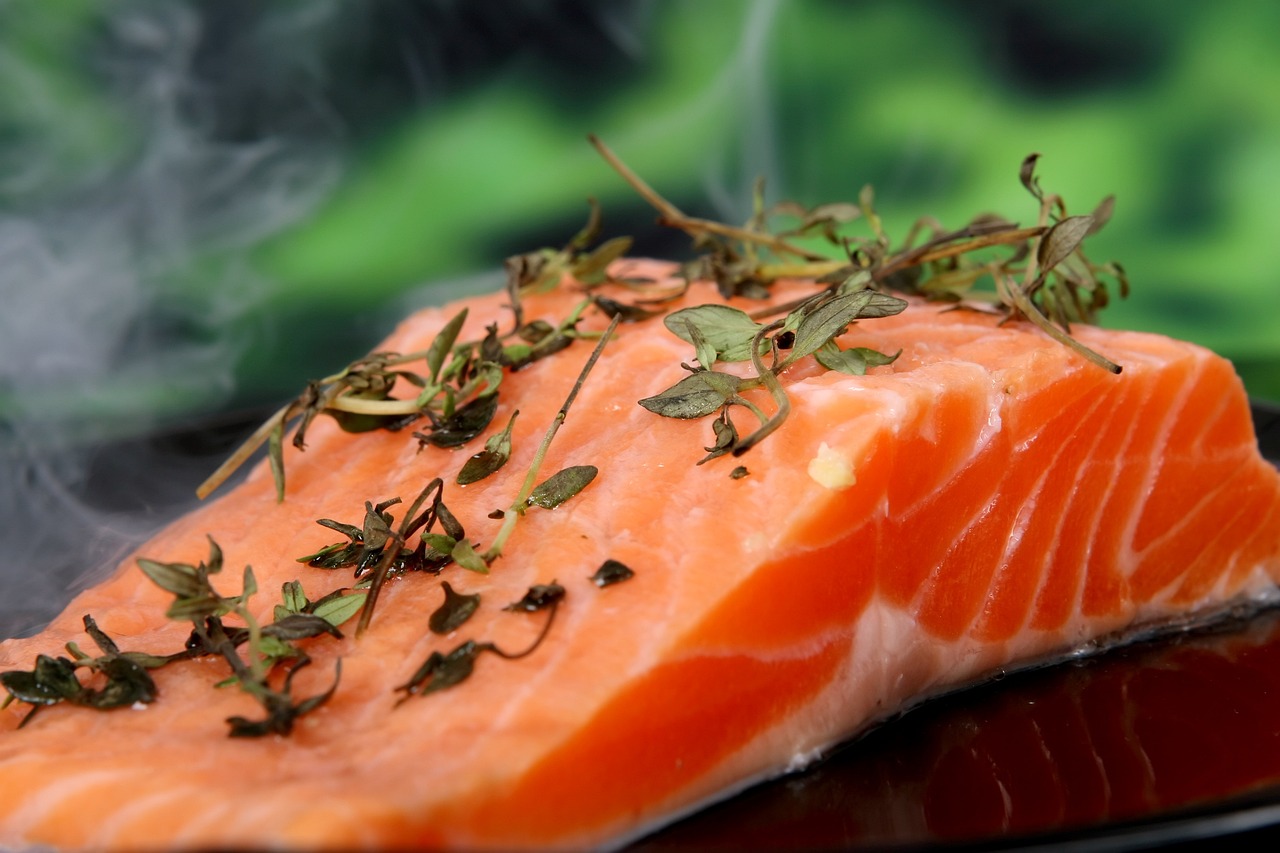
Fatty fish (salmon, sardines, mackerel)
Fish rich in omega-3 fatty acids are probably the single most powerful anti inflammatory food you can feed your dog. EPA and DHA from fish oil directly reduce inflammatory cytokines. Sardines and mackerel are affordable in UK supermarkets and work brilliantly in homemade dog meals.
Sweet potato
Sweet potatoes have a lower glycaemic index than white potatoes and contain beta-carotene, vitamins A and C, and fibre that supports gut health. A healthy gut microbiome reduces systemic inflammation. Most dogs love the taste, and they are easy to prepare.
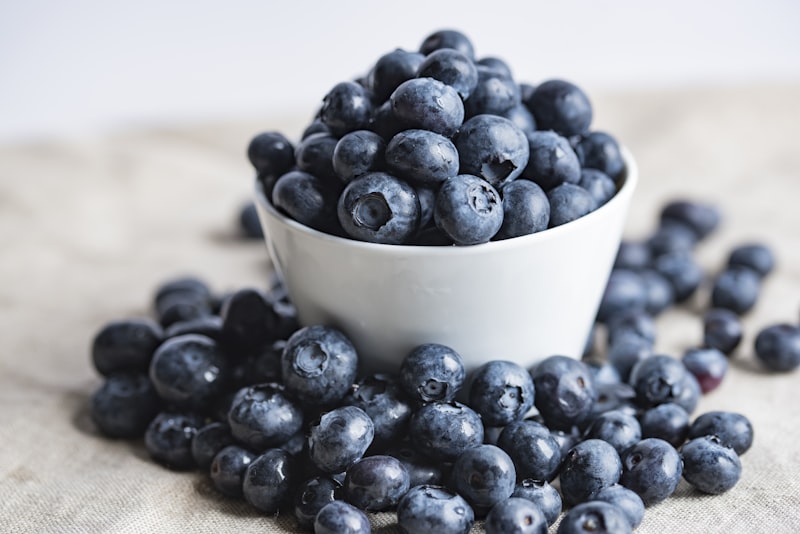
Blueberries
Packed with antioxidants called anthocyanins, blueberries help neutralise free radicals that contribute to cellular inflammation. They are safe for dogs in moderation and make an excellent treat or meal topper.
Leafy greens (kale, spinach, broccoli)
Dark leafy greens contain chlorophyll, vitamins K and C, and various antioxidants. Loyal Saints Pets includes leafy greens in their top anti-inflammatory foods for dogs. Steam or lightly cook them to improve digestibility.
Bone broth
Slow-simmered bone broth contains collagen, gelatin, glucosamine, and chondroitin, all of which support joint health and reduce inflammation. It also helps heal the gut lining, which is important because leaky gut syndrome drives systemic inflammation in dogs.
Coconut oil
Contains lauric acid with anti-inflammatory and antimicrobial properties. Use it in moderation as a cooking fat or meal topper. Too much coconut oil can cause digestive upset, so stick to roughly 1 teaspoon per 10kg of body weight per day.
Ginger
Ginger contains gingerol, a compound with well-documented anti-inflammatory effects. It also helps with nausea and digestion. A small amount of fresh grated ginger or dried ginger powder is safe for most dogs.
Green-lipped mussel
Native to New Zealand, green-lipped mussel is a rich source of omega-3s and a unique compound called ETA (eicosatetraenoic acid) that is not found in standard fish oil. King Kanine highlights it as a powerful natural anti-inflammatory supplement for dogs.
Ingredients to avoid or limit
Some common ingredients actively promote inflammation in dogs:
- Processed grains and fillers: Wheat, corn, and soy in low-quality dog foods can trigger inflammatory responses, especially in dogs with sensitivities. If you want to understand more about what dogs can safely eat, check our guide.
- Artificial additives: Colours, preservatives like BHA and BHT, and flavour enhancers have been linked to inflammatory reactions.
- Excess sugar and simple carbs: Sugar feeds harmful gut bacteria and promotes inflammation.
- Cooked bones: Never feed cooked bones. They splinter and can cause serious internal damage.
- Onions, garlic, grapes, raisins, chocolate, xylitol: These are toxic to dogs. Avoid them completely in all recipes.
For more detail on choosing the right commercial food when you are not cooking, see our guide to the best high-protein dry dog food in the UK.
25+ Anti inflammatory dog food recipes
These recipes are designed for healthy adult dogs. If your dog has a medical condition, is pregnant, is a puppy, or is a senior with specific health needs, talk to your vet before changing their diet. Homemade food should be introduced gradually. See our guide on how to switch dog food safely for a step-by-step approach.
Recipe 1: Turmeric chicken and brown rice bowl
Credit: adapted from This Mess Is Ours, vet-approved recipe
Best for: dogs with joint stiffness or mild arthritis. The turmeric provides direct anti-inflammatory action while chicken offers lean protein.
Ingredients:
- 500g lean chicken breast, diced
- 200g brown rice, uncooked
- 1 large carrot, grated
- 1 cup spinach, chopped
- 1 teaspoon turmeric powder
- 1/2 teaspoon black pepper (helps turmeric absorption)
- 1 tablespoon coconut oil
- 500ml water or low-sodium chicken broth
Instructions:
- Cook brown rice according to package directions. Set aside.
- Heat coconut oil in a large pan. Cook chicken pieces until fully cooked through (no pink inside).
- Add grated carrot and spinach. Cook for 3 to 4 minutes until softened.
- Stir in turmeric and black pepper. Mix well.
- Combine the chicken and vegetable mixture with the cooked rice.
- Let cool completely before serving.
Feeding guideline: roughly 200g per 10kg of body weight per day, split into two meals. Adjust based on your dog’s activity level and weight.
Why it works: Turmeric and black pepper work together (black pepper increases curcumin absorption by up to 2000%). Brown rice provides complex carbohydrates that do not spike blood sugar. Chicken breast is lean and easily digestible.
Recipe 2: Salmon and sweet potato mash
Credit: adapted from Big Barker joint support recipes
Best for: active dogs needing joint support and a shiny coat. Omega-3s from salmon benefit joints, skin, and brain function.
Ingredients:
- 400g boneless salmon fillet (fresh or frozen, skin removed)
- 2 large sweet potatoes, peeled and cubed
- 1 cup green beans, trimmed and chopped
- 1 tablespoon fish oil (optional, for extra omega-3)
- 1 teaspoon dried parsley (freshens breath)
Instructions:
- Boil or steam sweet potatoes until fork-tender, about 15 to 20 minutes.
- Steam green beans for 5 minutes until tender-crisp.
- Cook salmon by baking at 180C for 12 to 15 minutes, or pan-fry with no oil. Cook until flaky and opaque throughout. Remove all bones.
- Mash sweet potatoes. Flake the salmon into small pieces.
- Mix everything together with parsley. Let cool before serving.
Feeding guideline: roughly 200g per 10kg of body weight per day.
Why it works: Salmon delivers EPA and DHA directly. Sweet potato is lower GI than white potato. Green beans add fibre and vitamins without excess calories.
Recipe 3: Beef and vegetable slow cooker meal
Credit: adapted from This Mess Is Ours
Best for: dogs who prefer beef, and owners who want a batch-cook option that lasts several days.
Ingredients:
- 600g lean beef mince (at least 90% lean)
- 1 cup brown rice, uncooked
- 2 carrots, diced
- 1 cup peas (fresh or frozen, not canned)
- 1 small sweet potato, cubed
- 1/2 teaspoon turmeric
- 3 cups water or beef broth (low sodium, no onion)
Instructions:
- Place all ingredients in a slow cooker.
- Cook on low for 6 to 8 hours or on high for 3 to 4 hours.
- Stir well and break up any large meat pieces.
- Cool completely before portioning. Store in the fridge for up to 4 days, or freeze for up to 3 months.
Feeding guideline: roughly 200g per 10kg body weight per day.
Why it works: Slow cooking preserves nutrients better than high-heat methods. The combination of turmeric, sweet potato, and lean beef provides a balanced anti inflammatory meal.
Recipe 4: Turkey and quinoa anti inflammatory feast
Credit: adapted from Holistic Vet Blend vet-approved allergy recipe
Best for: dogs with skin allergies or food sensitivities. Turkey is a novel protein for many dogs, and quinoa is gluten-free.
Ingredients:
- 500g lean turkey mince
- 1 cup quinoa, rinsed
- 200g kale, stems removed and chopped
- 2 carrots, grated
- 1 tablespoon coconut oil
- 1/2 teaspoon turmeric
- 2 cups water
Instructions:
- Rinse quinoa thoroughly under cold water to remove the bitter coating.
- Cook quinoa in 2 cups of water. Bring to boil, then simmer for 15 minutes until water is absorbed.
- Heat coconut oil in a pan. Brown the turkey mince.
- Add kale and grated carrot. Cook for 5 minutes until kale is wilted.
- Stir in turmeric. Combine with cooked quinoa.
- Cool before serving.
Feeding guideline: roughly 200g per 10kg body weight per day.
Recipe 5: Fish and green bean stew
Credit: adapted from The Spruce Pets vet-approved homemade recipes
Best for: dogs needing weight management alongside anti inflammatory benefits. Green beans are low calorie and filling.
Ingredients:
- 300g white fish fillet (cod, haddock, or pollock)
- 1 can sardines in water (drained, bones removed)
- 2 cups green beans, chopped
- 1 small courgette, diced
- 1 cup brown rice, cooked
Instructions:
- Steam or bake the white fish until flaky. Check carefully for bones.
- Steam green beans and courgette until tender.
- Mash sardines (check for and remove any small bones).
- Mix all ingredients with cooked brown rice.
- Cool before serving.
Why it works: Two types of fish provide different omega-3 profiles. Green beans add bulk without many calories. Courgette is hydrating and gentle on digestion.
Recipe 6: Chicken bone broth with turmeric
Credit: adapted from Happily Live vet-approved recipes
Best for: senior dogs, dogs recovering from illness, or as a meal topper to add anti inflammatory benefits to any meal.
Ingredients:
- 1kg chicken bones (carcass, wings, or necks, RAW only, never cooked)
- 2 tablespoons apple cider vinegar (helps extract minerals)
- 1 teaspoon turmeric
- 1/2 teaspoon ginger, grated
- 2 carrots, roughly chopped
- Water to cover (about 2 to 3 litres)
Instructions:
- Place chicken bones in a large pot. Add apple cider vinegar and let sit for 30 minutes.
- Add turmeric, ginger, carrots, and enough water to cover everything.
- Bring to a boil, then reduce to a very low simmer.
- Cook for 12 to 24 hours. The longer it simmers, the more nutrients extract from the bones.
- Strain through a fine sieve. Discard the bones. Let the broth cool and skim off any solid fat from the top.
- Store in the fridge for up to 5 days, or freeze in ice cube trays for portioned servings.
Feeding guideline: pour 2 to 4 tablespoons over your dog’s regular meal, or serve as a snack. Not a complete meal on its own.
Why it works: Bone broth contains collagen, gelatin, glucosamine, and chondroitin, all of which support joint health. Turmeric and ginger add direct anti inflammatory action.
Recipe 7: Lamb and root vegetable casserole
Credit: inspired by Stem Cell Vet UK anti-inflammatory food recommendations
Best for: dogs who need a hearty, warming meal and may have sensitivities to chicken or beef.
Ingredients:
- 500g lean lamb mince or diced lamb
- 2 parsnips, diced
- 2 carrots, diced
- 1 sweet potato, cubed
- 1 cup peas
- 1 teaspoon rosemary, finely chopped (safe for dogs in small amounts)
- 500ml water or lamb broth (no onion)
Instructions:
- Brown the lamb in a large pot with no added oil.
- Add all vegetables, rosemary, and water or broth.
- Bring to boil, then cover and simmer for 25 to 30 minutes until vegetables are soft.
- Cool completely before serving.
Feeding guideline: roughly 200g per 10kg body weight per day.
Recipe 8: Sardine and pumpkin bowl
Credit: adapted from Lilydale Vet Centre anti-inflammatory recipe concepts
Best for: dogs who need a simple, quick meal with high omega-3 content. Pumpkin is excellent for digestion.
Ingredients:
- 1 can sardines in spring water (drained, bones removed)
- 200g pumpkin puree (plain, not pie filling)
- 1 cup cooked brown rice
- 1 teaspoon turmeric
Instructions:
- If using fresh pumpkin, steam or roast until soft, then mash.
- Mash sardines well, checking for and removing any bones.
- Mix sardines, pumpkin puree, cooked rice, and turmeric together.
- Serve at room temperature.
Why it works: Sardines are one of the most concentrated sources of omega-3s available. Pumpkin is rich in beta-carotene and soluble fibre that supports gut health.
Recipe 9: Coconut turkey meatballs with veggies
Credit: adapted from Clean and Delicious homemade dog food
Best for: a fun meal option that dogs enjoy. The meatball shape slows down fast eaters.
Ingredients:
- 500g lean turkey mince
- 1 large courgette, grated and squeezed dry
- 1 carrot, grated
- 1 cup spinach, finely chopped
- 1 egg
- 2 tablespoons coconut oil, melted
- 1 teaspoon turmeric
Instructions:
- Preheat oven to 180C.
- Mix all ingredients thoroughly in a large bowl.
- Form into small meatballs (about 3cm diameter).
- Place on a baking tray lined with parchment paper.
- Bake for 20 to 25 minutes until cooked through.
- Cool completely before serving.
Feeding guideline: serve alongside a portion of cooked brown rice or quinoa for a complete meal.
Recipe 10: Blueberry and salmon kibble topper
Original recipe created for DogFoodsUK
Best for: adding anti inflammatory benefits to your dog’s existing food. Works well sprinkled over commercial kibble.
Ingredients:
- 100g cooked salmon, flaked
- 50g blueberries, lightly mashed
- 1 tablespoon coconut oil
- 1/2 teaspoon turmeric
Instructions:
- Cook salmon and flake into small pieces.
- Lightly mash blueberries with a fork.
- Mix salmon, blueberries, coconut oil, and turmeric together.
- Spoon 1 to 2 tablespoons over your dog’s regular meal.
Storage: keeps in the fridge for up to 3 days.
Recipe 11: Golden paste (turmeric paste for dogs)
Credit: popularised by Dr. Andrew Jones
Best for: not a meal on its own, but a supplement you add to any dog food. Golden paste is one of the most popular anti inflammatory additions for dogs worldwide.
Ingredients:
- 60g turmeric powder (about 1/2 cup)
- 250ml water
- 60ml coconut oil
- 1.5 teaspoons freshly ground black pepper
Instructions:
- Whisk turmeric powder and water together in a saucepan.
- Heat over medium-low heat for 7 to 10 minutes, stirring constantly. It should form a thick paste.
- Remove from heat. Stir in coconut oil and black pepper.
- Let cool, then transfer to a glass jar. Store in the fridge for up to 2 weeks, or freeze in ice cube trays for longer storage.
Feeding guideline: start with 1/4 teaspoon per 10kg of body weight per day, mixed into food. Increase gradually to 1/2 teaspoon if well tolerated.
Why it works: the combination of turmeric, fat (coconut oil), and piperine from black pepper maximises curcumin absorption. This is the most effective way to deliver turmeric’s benefits to your dog.
Recipe 12: Anti inflammatory dog biscuits
Credit: adapted from Lilydale Vet Centre
Best for: treats or training rewards with anti inflammatory benefits. Much healthier than shop-bought biscuits.
Ingredients:
- 3 cups rolled oats
- 1 tablespoon ground flaxseed
- 1/2 teaspoon turmeric
- 2 tablespoons peanut butter (xylitol-free, unsalted)
- 1 large egg
- 3/4 cup water (adjust as needed)
Instructions:
- Preheat oven to 160C.
- Mix oats, flaxseed, and turmeric in a bowl.
- In a separate bowl, mix peanut butter, egg, and water.
- Combine wet and dry ingredients. Add more water if the dough is too dry.
- Roll out on a floured surface to about 5mm thickness.
- Cut into shapes with a biscuit cutter or knife.
- Place on a baking tray. Bake for 25 to 30 minutes until golden and firm.
- Cool completely on a wire rack. Store in an airtight container for up to 1 week.
Recipe 13: Sweet potato and fish cakes for dogs
Credit: inspired by Boosie Pet Foods anti-inflammatory food guide
Best for: a complete meal that is easy to portion and store. Fish cakes freeze well for batch cooking.
Ingredients:
- 2 large sweet potatoes, baked and mashed
- 1 can sardines in water (drained)
- 100g white fish, cooked and flaked
- 1 egg
- 1 tablespoon chopped parsley
Instructions:
- Bake sweet potatoes at 180C for 40 minutes until soft. Scoop out the flesh and mash.
- Mix in sardines, flaked white fish, egg, and parsley.
- Form into patties about 5cm across.
- Place on a lined baking tray. Bake at 180C for 15 minutes until firm.
- Cool before serving. Can be frozen for up to 2 months.
Feeding guideline: 1 to 2 fish cakes per meal for a medium dog, depending on size.
Recipe 14: Bone broth and vegetable rice bowl
Credit: adapted from Happily Live
Best for: a gentle, easily digestible meal for dogs with sensitive stomachs or recovering from illness.
Ingredients:
- 1 cup brown rice, cooked
- 250ml bone broth (homemade from recipe 6)
- 1 cup mixed vegetables (carrot, courgette, green beans), steamed and diced
- 100g cooked chicken breast, shredded
- 1/2 teaspoon turmeric
Instructions:
- Cook brown rice.
- Steam vegetables until tender.
- Mix rice, vegetables, chicken, turmeric, and bone broth in a bowl.
- Warm slightly if your dog prefers warm food, but do not serve hot.
Recipe 15: Mackerel and spinach scramble
Original recipe created for DogFoodsUK
Best for: a quick, protein-rich breakfast or dinner option. Mackerel is one of the best omega-3 sources available in UK supermarkets.
Ingredients:
- 1 fresh mackerel fillet (about 150g), grilled and flaked
- 3 eggs
- 2 handfuls spinach, chopped
- 1 teaspoon coconut oil
Instructions:
- Grill mackerel fillet for 4 to 5 minutes each side. Check for and remove all bones.
- Heat coconut oil in a pan. Add spinach and wilt for 1 minute.
- Add beaten eggs and flaked mackerel. Scramble together until eggs are fully set.
- Cool before serving.
Feeding guideline: suitable as a single meal for a medium dog. Serve with a side of cooked rice or sweet potato for a more complete meal.
Why it works: mackerel is one of the highest omega-3 fish available. Eggs provide high-quality protein and choline. Spinach adds iron and antioxidants.
Recipe 16: Turkey and broccoli grain-free bowl
Credit: adapted from The Spruce Pets
Best for: dogs with grain sensitivities who still need a complete, balanced meal.
Ingredients:
- 500g lean turkey mince
- 2 cups broccoli florets, chopped small
- 1 sweet potato, cubed and steamed
- 1 tablespoon coconut oil
- 1/2 teaspoon turmeric
- 1/4 teaspoon ginger powder
Instructions:
- Cook turkey mince in coconut oil until browned.
- Steam broccoli until tender (about 5 minutes).
- Steam or bake sweet potato until soft.
- Mix everything together with turmeric and ginger.
- Cool before serving.
Note: grain-free diets have been linked to DCM (dilated cardiomyopathy) in some dogs. If feeding grain-free long term, discuss with your vet and ensure adequate taurine intake. Read more about this in our article on the best adult dog food in the UK.
Recipe 17: Coconut and ginger chicken
Credit: inspired by PetWell Australia anti-inflammatory food guide
Best for: dogs with digestive inflammation or mild nausea. Ginger soothes the stomach while coconut oil provides anti-inflammatory fats.
Ingredients:
- 400g chicken breast, diced
- 1 tablespoon coconut oil
- 1 teaspoon fresh ginger, grated
- 1 cup pumpkin puree
- 1 cup cooked brown rice
Instructions:
- Heat coconut oil in a pan. Cook chicken until golden and cooked through.
- Add grated ginger and cook for 1 minute more.
- Mix with pumpkin puree and cooked rice.
- Cool before serving.
Recipe 18: Green-lipped mussel and salmon treats
Credit: adapted from King Kanine supplement guide
Best for: high-value training treats with serious anti inflammatory benefits. Green-lipped mussel powder is available from pet supplement suppliers in the UK.
Ingredients:
- 200g cooked salmon, very finely flaked
- 1 tablespoon green-lipped mussel powder (available from pet health stores)
- 1 egg
- 2 tablespoons coconut flour
Instructions:
- Preheat oven to 160C.
- Mix salmon, green-lipped mussel powder, egg, and coconut flour until you get a workable dough. Add a splash of water if too dry.
- Roll into small balls (about 1cm diameter).
- Place on a lined baking tray. Flatten slightly with a fork.
- Bake for 15 to 20 minutes until firm.
- Cool completely. Store in the fridge for up to 5 days.
Recipe 19: Beef liver and sweet potato stew
Credit: adapted from This Mess Is Ours
Best for: providing nutrient-dense liver (rich in vitamin A, iron, and B vitamins) alongside anti inflammatory vegetables.
Ingredients:
- 200g beef liver, sliced thin
- 400g lean beef mince
- 2 sweet potatoes, cubed
- 1 cup carrots, diced
- 1 cup green beans, chopped
- 1/2 teaspoon turmeric
- 3 cups water
Instructions:
- Brown beef mince in a large pot. Drain excess fat.
- Add liver slices and cook for 2 minutes.
- Add sweet potato, carrots, green beans, turmeric, and water.
- Bring to boil, then simmer for 25 minutes until vegetables are tender and liver is fully cooked.
- Cool completely before serving.
Note: liver is rich in vitamin A. Feed liver meals no more than 1 to 2 times per week to avoid vitamin A toxicity.
Recipe 20: Pineapple and coconut frozen treats
Original recipe created for DogFoodsUK
Best for: summer treats with natural anti inflammatory enzymes. Pineapple contains bromelain, which has anti inflammatory properties.
Ingredients:
- 100g fresh pineapple, core removed, cubed
- 100g plain yogurt (unsweetened, no xylitol)
- 1 tablespoon coconut oil, melted
- 1 tablespoon blueberries
Instructions:
- Blend pineapple, yogurt, coconut oil, and blueberries until smooth.
- Pour into silicone ice cube moulds or small paper cups.
- Freeze for at least 4 hours until solid.
- Pop out and serve as an occasional treat.
Feeding guideline: 1 to 2 cubes per session. Pineapple should be fed in moderation due to its natural sugar content.
Recipe 21: Apple and turmeric breakfast porridge for dogs
Credit: inspired by JoyFull Pet anti-inflammatory food guide
Best for: a warming breakfast that provides fibre, antioxidants, and anti inflammatory compounds.
Ingredients:
- 1/2 cup rolled oats
- 1 cup water
- 1 small apple, cored and grated (remove all seeds)
- 1/2 teaspoon turmeric
- 1 teaspoon coconut oil
- 1 tablespoon plain yogurt
Instructions:
- Cook oats in water according to package directions.
- Stir in grated apple, turmeric, and coconut oil while still warm.
- Let cool to room temperature. Top with yogurt before serving.
Important: apple seeds contain cyanide compounds. Always core apples completely before feeding to your dog.
Recipe 22: Hemp seed and chicken grain-free meal
Credit: adapted from King Kanine
Best for: dogs with skin inflammation or allergies. Hemp seeds provide a balanced omega-3 to omega-6 ratio.
Ingredients:
- 400g chicken breast, cooked and shredded
- 1 sweet potato, mashed
- 1 tablespoon hemp seeds (hulled)
- 1 cup steamed broccoli
- 1 teaspoon coconut oil
Instructions:
- Cook chicken breast and shred.
- Steam broccoli until tender.
- Bake or steam sweet potato and mash.
- Mix all ingredients together. Sprinkle hemp seeds on top.
- Cool before serving.
Why it works: hemp seeds provide gamma-linolenic acid (GLA), which has anti inflammatory properties. They also contain omega-3s in an ideal ratio for dogs.
Recipe 23: Carrot and ginger digestive biscuits
Credit: adapted from Lilydale Vet Centre
Best for: treats that support digestion and reduce gut inflammation.
Ingredients:
- 2 cups wholemeal flour
- 1 cup grated carrot
- 1 teaspoon dried ginger
- 1 teaspoon ground flaxseed
- 1 egg
- 3 tablespoons coconut oil, melted
- Water as needed to form dough
Instructions:
- Preheat oven to 160C.
- Mix flour, carrot, ginger, and flaxseed.
- Add egg and melted coconut oil. Mix. Add water gradually until a firm dough forms.
- Roll out to 5mm thickness. Cut into shapes.
- Bake for 25 to 30 minutes until crisp.
- Cool on a wire rack. Store in an airtight container.
Recipe 24: Fish oil and vegetable puppy porridge
Credit: inspired by Stem Cell Vet UK
Best for: growing puppies who can benefit from early anti inflammatory nutrition for joint development. Not suitable for puppies under 12 weeks.
Ingredients:
- 1/2 cup puppy-specific porridge oats or rice flakes
- 1 cup water or puppy milk replacer
- 50g steamed white fish, flaked
- 1 teaspoon pure salmon oil
- 1 tablespoon steamed carrot, mashed
Instructions:
- Cook oats or rice flakes in water or puppy milk until soft and creamy.
- Stir in flaked fish, salmon oil, and mashed carrot.
- Cool to lukewarm before serving.
Note: puppies have different nutritional requirements than adult dogs. This recipe is a supplement, not a complete diet replacement. Consult your vet about puppy nutrition. For commercial options, see our guides on dog food choices.
Recipe 25: Anti inflammatory weekly meal prep batch
Original recipe plan created for DogFoodsUK
Best for: owners who want to cook once and feed their dog anti inflammatory meals all week. This batch makes roughly 5 to 7 days of food for a medium dog (15 to 25kg).
Ingredients:
- 1kg lean chicken breast or turkey mince
- 2 cups brown rice, uncooked
- 4 carrots, grated
- 2 sweet potatoes, cubed
- 2 cups green beans, chopped
- 2 cups spinach, chopped
- 1 can sardines in water (for extra omega-3)
- 2 teaspoons turmeric
- 1 teaspoon black pepper
- 2 tablespoons coconut oil
Instructions:
- Cook brown rice in a large pot.
- In a separate large pot or slow cooker, brown the chicken or turkey in coconut oil.
- Add sweet potatoes and carrots. Cover with water. Simmer for 20 minutes.
- Add green beans and spinach. Cook for 5 more minutes.
- Drain sardines and add to the pot.
- Stir in turmeric and black pepper.
- Mix everything with the cooked rice.
- Let cool completely. Portion into containers. Store 2 to 3 days worth in the fridge. Freeze the rest in daily portions.
Feeding guideline: roughly 200g per 10kg of body weight per day. Adjust based on your dog’s individual needs.

Recipe 26: Broth-based anti inflammatory topper
Original recipe created for DogFoodsUK
Best for: pouring over any dog food (homemade or commercial) to add anti inflammatory benefits without changing the whole diet.
Ingredients:
- 250ml bone broth
- 1 teaspoon golden paste (from recipe 11)
- 1/2 teaspoon ground flaxseed
- 1 teaspoon coconut oil, melted
Instructions:
- Warm bone broth slightly (not hot).
- Stir in golden paste until dissolved.
- Add ground flaxseed and coconut oil. Mix well.
- Pour 2 to 4 tablespoons over your dog’s regular meal.
Storage: keeps in the fridge for up to 3 days. Make a fresh batch twice a week.

Feeding guidelines and safety tips
Homemade food has real benefits, but you need to get the basics right:
Transition slowly. Switching food too quickly causes diarrhoea and stomach upset. Mix the new food with the old over 7 to 10 days, gradually increasing the proportion of new food. Our guide on how to switch dog food safely covers this in detail.
Balanced nutrition matters. The RSPCA recommends that homemade dog food includes the right balance of protein, fats, carbohydrates, vitamins, and minerals. Many vet nutritionists suggest adding a canine multivitamin and mineral supplement to homemade meals to ensure nothing is missing.
Portion control. A common mistake with homemade food is overfeeding. Use a kitchen scale. Most dogs need roughly 2 to 3% of their body weight in food per day, split between two meals. Active dogs need more, senior and less active dogs need less.
Food safety. Handle raw meat with the same hygiene standards you use for your own food. Wash hands, surfaces, and utensils after preparing. Store cooked dog food in the fridge in sealed containers and use within 3 to 4 days. Freeze portions you will not use within that window.
Talk to your vet. This is not medical advice. If your dog has a diagnosed condition (kidney disease, liver problems, diabetes, pancreatitis), their dietary needs are specific and require professional guidance. Ask your vet to review any new diet plan, especially if your dog is on medication.
Supplements that pair well with these recipes
Some supplements complement homemade anti inflammatory meals nicely:
- Fish oil (salmon oil): adds extra EPA and DHA. Look for products specifically made for dogs with clear dosage guidelines. You can find these on Amazon UK or from your vet.
- Glucosamine and chondroitin: support joint cartilage repair. Often combined in a single supplement.
- Green-lipped mussel extract: available as a powder or capsule. Provides unique omega-3s not found in standard fish oil.
- Probiotics: support gut health, which in turn reduces systemic inflammation. A healthy gut microbiome is fundamental to controlling inflammation throughout the body.
- Vitamin E: antioxidant that works alongside omega-3s. Important if you are feeding a diet high in polyunsaturated fats from fish.
For more on what to look for in commercial dog food and supplements, see our article on anti-inflammatory foods for dogs and our guide on whether homemade dog food is better for dogs.
Frequently asked questions
Can I feed my dog anti inflammatory food every day?
Yes. The recipes in this guide use everyday, dog-safe ingredients. They are designed as regular meals, not short-term fixes. That said, variety matters. Rotate between different protein sources (chicken, turkey, fish, beef) and vegetables to ensure a broad nutrient profile.
How long before I see results from anti inflammatory food?
It varies. Some owners notice improvements in their dog’s mobility or skin within 2 to 4 weeks. For joint-related inflammation, it often takes 6 to 8 weeks of consistent feeding to see meaningful changes. Food works gradually, unlike medication.
Is turmeric safe for all dogs?
Turmeric is generally safe for dogs in moderate amounts. Start with a small dose (1/4 teaspoon for a 10kg dog) and increase gradually. Some dogs may experience mild digestive upset initially. Avoid turmeric if your dog is on blood-thinning medication, and always check with your vet first if your dog has a medical condition.
Should I cook the vegetables or can I feed them raw?
Both work, but cooking improves digestibility. Raw vegetables like carrots and courgette are fine in small amounts, but leafy greens and cruciferous vegetables like broccoli are easier for dogs to digest when lightly steamed. Raw broccoli in large amounts can cause gas and stomach discomfort.
Can puppies eat these recipes?
Puppies under 12 weeks should stick to their mother’s milk or a specifically formulated puppy food. For older puppies, some recipes can be adapted, but puppies have different calcium, phosphorus, and protein requirements than adult dogs. Consult your vet before feeding a puppy a homemade diet long term.
Do I need to add supplements to homemade dog food?
Most veterinary nutritionists recommend adding a multivitamin and mineral supplement to homemade diets. Homemade food, even well-planned food, often falls short in calcium, zinc, iron, and certain B vitamins. A good quality canine supplement fills those gaps. Your vet can recommend one appropriate for your dog.
Can I freeze these recipes?
Yes. Most of these recipes freeze well for 2 to 3 months. Portion into daily serving sizes before freezing so you only thaw what you need. Thaw in the fridge overnight rather than at room temperature.
What if my dog will not eat the food?
Some dogs are picky with new foods. Try mixing a small amount of the new food with their regular food and gradually increasing the proportion. Warming the food slightly (not hot) can make it more aromatic and appealing. Adding a small amount of the broth topper (recipe 26) can also help.
Final thoughts
Feeding your dog anti inflammatory food is one of the most practical things you can do to support their long-term health. You do not need to overhaul everything overnight. Start with one recipe, see how your dog responds, and build from there.
The recipes here use affordable, widely available ingredients. They are straightforward to prepare. And they give you real control over what your dog eats, which matters when you are trying to reduce inflammation.
Always keep your vet in the loop, especially if your dog has an existing health condition. Homemade food is a powerful tool, but it works best as part of a broader health plan that includes proper veterinary care, regular exercise, and weight management.
For more homemade dog food ideas and guidance, explore our anti-inflammatory homemade dog food recipe collection and our full guide on anti-inflammatory foods for dogs.