
I skipped my dog’s grooming appointment for three months. Here’s what happened.
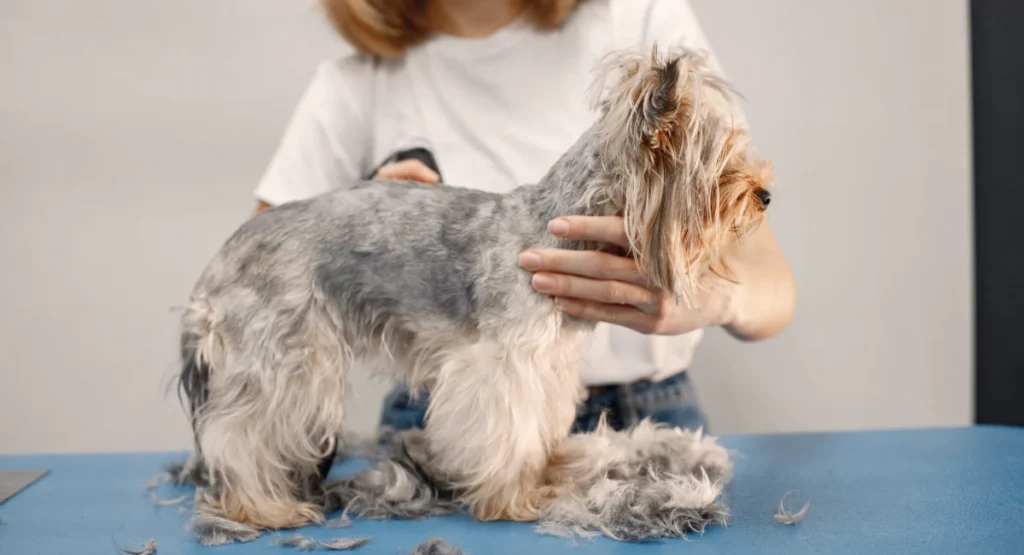
First of all, I had booked my dog’s grooming in January, after New Year’s, but due to a busy work schedule, I couldn’t find the time. Then February passed in a similar way. By March, his coat had become so dense and full of knots that brushing at home wasn’t fixing it. The groomer had to shave him down to the skin.
Cases like Bruno’s are not uncommon. Most UK dog owners underestimate how quickly a dog’s condition can deteriorate when grooming isn’t prioritized.
When I was getting my dog groomed, I felt very sorry for myself. I couldn’t even see his actual condition. There was so much dirt and mess inside that I can’t even explain it properly. A 2022 study published in the NIH National Library of Medicine stated that chronic matted hair can cause skin irritation, frequent ear and eye infections, and chronic dandruff in pets. Research clearly shows that grooming isn’t just a cosmetic thing; it’s actually an important part of animal maintenance.
I can’t even imagine how much discomfort and pain my dog must have endured because of my little carelessness and lack of time. When I took him to get groomed, he was in terrible condition. I still feel responsible for that. That’s why I’m going to share with you everything I’ve learned, from special health issues to the unnecessary expense of vet bills. Because regular 45-pound grooming sessions are better than paying a 300-pound vet bill every time.
What actually counts as “grooming”
Grooming isn’t just about a haircut. It includes brushing, bathing, nail trimming, ear cleaning, eye area care, dental hygiene, and coat trimming. Some dogs need all of these things regularly, while others only need basic maintenance.
According to the PDSA, short-haired breeds like Staffies and Labradors need brushing once a week. While long-haired or curly-coated breeds like cockapoos, poodles, and spaniels should be brushed at least 3-4 times a week. For breeds with continuous hair growth, professional grooming every 4-6 weeks is considered standard.
Nail trimming should occur every 3-4 weeks for more mature dogs. Ear cleaning varies by breed. Dogs with floppy ears, such as spaniels, retrievers, and basset hounds, are more prone to ear infections, so weekly ear checks are essential.
Skin infections and hot spots
This is the biggest issue. Matted fur creates a sealed environment against the skin. Air circulation is restricted. Moisture is trapped inside. Dirt and dead skin cells accumulate. Bacteria and fungi thrive in these conditions.
A 2022 study published in PMC documented that inadequate grooming can directly cause medical conditions, including skin irritation, bacterial infections, and fungal infections. Mats pull at the skin, creating small abrasions that can become entry points for bacteria.
Hot spots, also known as acute moist dermatitis, are one of the most common consequences. These are painful, red, weeping sores that develop very quickly. The dog licks and chews at them constantly, which can spread the infection further. I’ve seen fist-sized hot spots on dogs whose owners thought were just “a little matting” but nothing to worry about.
Treatment usually involves clipping the surrounding hair, cleaning the wound, giving antibiotics (oral or topical), and sometimes even applying a cone to keep the dog from aggravating the area. A single vet visit for a hot spot in the UK can typically cost between £80 and £200, depending on your practice and whether antibiotics are needed.
Parasites hide in neglected coats
Matted coats make ideal hiding spots for fleas, ticks, and mites. Tangled hair provides physical cover, and the trapped moisture and warmth create an excellent breeding environment.
A clean and well-maintained coat makes it difficult for parasites to hide and is also much easier to inspect. According to the American Veterinary Medical Association (AVMA), external parasites like fleas and ticks can carry disease. In the UK, ticks can transmit Lyme disease (Borrelia burgdorferi). Fleas can carry tapeworm larvae and cause flea allergy dermatitis, which can cause intense itching, hair loss, and secondary skin infections.
In severe cases, heavy flea infestations can cause anemia, especially in puppies and small breeds. Fleas feed on blood, and a dog’s body can’t replace it that quickly. This may seem extreme, but it’s well-documented and genuinely dangerous.
Regular grooming can help you spot parasites early. A quick brush-through every few days gives you a chance to find ticks before they attach for 24-48 hours, which is roughly the time it takes for Lyme disease transmission to occur.
Overgrown nails: more painful than people realise
This problem often goes unnoticed because it seems minor. But it’s not.
When a dog’s nails touch the ground during a normal walk, they spread the toes and place the paws at an unnatural angle. Over weeks and months, this changes how the dog distributes its weight. Extra strain is placed on the wrist (carpal) joints. The shoulders adjust. Eventually, the spine also begins to compensate.
A 2023 article in Today’s Veterinary Nurse mentioned that overgrown nails change the way an animal walks, which can lead to joint pain and even permanent gait changes. This article also described cases where nails grew into the paw pads, causing wounds, inflammation, and infection.
When nails curl and become embedded within the pads, this is called paronychia. Treatment involves careful nail trimming, often under sedation because the dog is in pain, wound cleaning, antibiotics, and sometimes surgical debridement. PetMD classifies this as a relatively common condition in dogs.
Watch for these signs if your dog’s nails are too long: a clicking sound on hard floors, a reluctance to walk on hard surfaces, limping, licking of the paws, and splayed toes. If your dog is less active than usual or seems irritated when his paws are touched, check his nails first.
Ear infections
Ear infections are one of the most common reasons UK dog owners visit the vet. Floppy-eared breeds are more vulnerable because the ear flap traps moisture and reduces airflow. But any dog can develop an ear infection, and grooming neglect significantly increases the risk.
Without regular cleaning, wax, debris, and moisture build up inside the ear canal. Bacteria and yeast multiply. The ear becomes red, inflamed, and painful. Your dog will shake its head, scratch its ear, and may even yelp when the area is touched.
The PDSA advises contacting a vet as soon as you suspect an ear infection, as quick treatment means a faster recovery. If left untreated, chronic ear infections can damage the eardrum and permanently affect hearing.
Vet treatment for ear infections usually consists of ear cleaning, in severe cases under sedation, topical medication, and sometimes oral antibiotics. Expect £100-£250 for the initial consultation and treatment. Recurrent infections that keep coming back can cost thousands over the dog’s lifetime.
Dental disease
Most dogs over the age of 3 have some level of dental disease. The PDSA estimates that roughly 80% of dogs over the age of 3 have signs of gum disease. Grooming neglect exacerbates this problem rapidly.
Without regular brushing, ideally daily and at least 3 times a week, plaque builds up on the teeth. Within 24-48 hours, plaque hardens into tartar. Tartar irritates the gums, causing gingivitis. If ignored, this can progress to periodontal disease: gum recession, loose teeth, bone loss in the jaw, tooth abscesses, and bacteria entering the bloodstream.
Yes, bacteria from dental disease can spread to the heart, liver, and kidneys. Sarasota Veterinary Center says that the oral health of pets is as important as the oral health of humans. This is really serious.
In the UK, a professional dental clean under anesthetic usually costs £300-£800. Extractions further increase that cost. This problem can be prevented with a toothbrush and dog-safe toothpaste, which costs around £8.
Eye problems
Long-haired breeds tend to have hair growing around their eyes. If left untrimmed, this can cause corneal ulcers, chronic irritation, and excessive tearing. Tears stain the fur, creating those brown streaks you see on white dogs, and moist stained fur becomes a breeding ground for bacteria and yeast.
Skin fold breeds like pugs, bulldogs, and shar-peis should have their facial wrinkles cleaned regularly. Trapped moisture and debris in skin folds can cause fold dermatitis, a stubborn bacterial infection, and managing it can be an ongoing process.
Behavioural changes you might not connect to grooming
Matted fur pulls at the skin, overgrown nails change the way a dog walks, ear infections cause throbbing pain, and dental pain can also alter a dog’s behavior.
A 2023 NIH study on chronic pain in dogs found that pain affects both cognition and how a dog perceives its environment. They may become more sensitive to sounds and touch. They may snap when approached. They may stop playing. They may even hide more.
I’ve heard owners call their dog “grumpy,” “stubborn,” or “just getting old,” when the real problem is overgrown nails or matted fur causing constant low-grade pain. Fix the grooming issue, and behavior often improves dramatically.
Dogs can’t tell you they’re in pain verbally. They communicate through behavior. When behavior changes, grooming should be one of the first things you check.
How much does professional grooming cost in the UK?
Here is a realistic breakdown based on current UK groomer prices:
- Small breed (Jack Russell, Yorkie): £30-£45 per session
- Medium breed (Cocker spaniel, border collie): £45-£65 per session
- Large breed (Golden retriever, German shepherd): £55-£80 per session
- Doodle/poodle crosses (cockapoo, labradoodle): £50-£75 per session
- London prices: Add roughly 20-30% to the above prices.
In the UK self-service dog washes usually cost around £15-£22 per visit. In this bath, shampoo, and dryer are provided. You have to do the work yourself. This is a decent option for maintaining coat condition among professional groomers.
Most groomers charge extra for severe matting because it is time-consuming and stressful for the dog. De-matting a badly neglected coat can take 2-3 hours instead of the usual 1-2 hours. Some groomers refuse to de-matt and shave the dog, which is what happened to Bruno.
What untreated grooming problems cost at the vet
If grooming neglects until vet treatment is reached, roughly these costs can be expected:
- Hot spot treatment: £80-£200 per incident
- Skin infection (bacterial/fungal): £120-£300 (consultation, swabs, antibiotics)
- Ear infection: £100-£250 per episode
- Embedded nail / paronychia: £150-£350 (sedation, nail trim, antibiotics)
- Dental scale and polish: £300-£800 (under general anaesthetic)
- Tooth extraction: £50-£150 per tooth, compared to dental cleaning costs
- Tick removal and Lyme disease testing: £60-£200
- Flea infestation treatment: £40-£100 for initial treatment, plus ongoing prevention.
Skipping grooming for just one year can easily be more expensive than several years of regular grooming.
Grooming schedule by breed type
This isn’t one-size-fits-all. Here’s a practical guide:
Short-haired breeds (Labrador, Staffordshire bull terrier, French bulldog):
Brush once a week. Bathe every 2-3 months, unless they become muddy. Nail trim every 3-4 weeks. Professional groom occasionally or when needed.
Double-coated breeds (Golden retriever, German shepherd, Husky):
Brush 2-3 times a week. More during shedding season, especially spring and autumn. Bath every 2-3 months. Nail trim every 3-4 weeks. Professional groom 2-4 times a year for de-shedding.
Long-haired breeds (Cocker spaniel, Afghan hound, Yorkshire terrier):
Brush daily, or minimum every other day. Professional grooming takes 4-6 weeks. Nail trim after 3-4 weeks. Ear check weekly.
Curly and wiry-coated breeds (Poodle, cockapoo, wire-haired terrier):
Brush 3-4 times a week. Professional groom every 4-6 weeks. These breeds’ hair grows continuously and doesn’t normally shed, so matting can occur quickly. Nail trim every 3-4 weeks.
Skin fold breeds (Pug, bulldog, shar-pei):
Clean facial wrinkles daily or every other day. Ears should be checked weekly. Nail trim after 3-4 weeks. Bath is after 2-4 weeks. Professional grooming is done after 6-8 weeks.
Signs your dog needs grooming now
- Visible tangles or mats in the coat
- Nails clicking on hard floors
- Head shaking or scratching at ears
- Bad breath or visible tartar on teeth
- Red, irritated skin or hot spots
- Excessive scratching or licking
- Brown staining around the eyes
- Your dog seems reluctant to be touched or handled
- Reduced activity or apparent stiffness
If you notice two or more of these, book a grooming appointment this week. If your dog is in visible pain (limping, yelping, bleeding, swollen areas), go to the vet first.
The bottom line
For many dog owners in the UK, grooming occupies an awkward middle ground. It feels optional because it’s often presented as a beauty treatment. It’s considered a luxury because groomers charge for it. But the health consequences of neglecting it are real, well-documented, and can be expensive to fix.
The NIH, PDSA, AVMA, and UK veterinary professionals all say the same thing: regular grooming is a core part of responsible dog ownership. It’s not some extra nice thing. It’s a necessity.
If you’re delaying your dog’s next grooming, I genuinely suggest booking one today. Your dog cannot make an appointment on his own.
This article is for informational purposes only and does not constitute veterinary advice. Always consult your vet if your dog is showing signs of pain, infection, or any health concern. For more information, please read our medical disclaimer.