

One of the most worrying things for any dog owner is seeing their pet feel unwell. An upset stomach is one of the most common health issues dogs face in the UK. Whether it is diarrhoea, vomiting, or just a general feeling of being off-colour, digestive trouble can leave your dog uncomfortable and leave you feeling helpless.
At dogfoodsuk.com, we are here to help UK dog owners make informed decisions about their dog’s nutrition and health. This guide covers everything you need to know about what to feed a dog with an upset stomach, including safe foods, foods to avoid, bland diet recipes, and when it is time to call your vet.
Every dog is different, and what works for one may not work for another. Always trust your instincts and speak to your vet if you are unsure. This guide is for informational purposes only and should not replace professional veterinary advice.
Signs Your Dog Has an Upset Stomach
Dogs cannot tell us when they feel unwell, but they show plenty of signs. Learning to read these signs early can help you act quickly and comfort your dog sooner. Here are the most common symptoms of an upset stomach in dogs.
Diarrhoea
This is often the first and most obvious sign. Loose, watery, or frequent stools are a clear indicator that something is not right in your dog’s digestive system. Diarrhoea can range from slightly soft stools to completely liquid. Pay attention to how often your dog needs to go and what the stool looks like.
Vomiting
Occasional vomiting can happen for minor reasons, but repeated vomiting is a concern. If your dog is bringing up food, bile, or foam, it is a sign their stomach is irritated. Some dogs will eat grass to make themselves vomit, which is natural but worth monitoring.
Excessive Gas and Bloating
All dogs pass wind, but if your dog seems unusually gassy or their tummy looks swollen or tight, it could be a sign of digestive upset. Bloating can sometimes be serious, so always keep an eye on your dog’s abdomen if it looks distended.
Lethargy and Low Energy
When a dog’s stomach is upset, they often feel tired and withdrawn. If your normally active dog is lying around more than usual or seems reluctant to move, their digestive system may be the cause.
Loss of Appetite
A dog that refuses to eat or shows little interest in their food may have an upset stomach. Missing one meal is not usually a problem, but if your dog goes more than 24 hours without eating, you should consult your vet.
Gurgling Noises from the Stomach
You may hear rumbling or gurgling sounds coming from your dog’s belly. This is called borborygmi and happens when the digestive tract is moving differently to normal. Occasional rumbling is fine, but loud or constant noises alongside other symptoms suggest something is wrong.
Drooling or Lip Smacking
Nausea in dogs often shows up as excessive drooling, lip licking, or repeated swallowing. If your dog is doing this before or after eating, their stomach may be feeling unsettled.
If you notice any of these signs, the next step is to figure out what might be causing the problem.
Common Causes of Upset Stomach in Dogs
Understanding the cause of your dog’s upset stomach can help you prevent it from happening again. Here are the most common reasons dogs develop digestive issues in the UK.
Sudden Changes in Diet
One of the most frequent causes of stomach trouble is switching your dog’s food too quickly. A dog’s digestive system needs time to adjust to new ingredients. If you change from one brand or type of food to another overnight, diarrhoea and vomiting can follow within hours. The PDSA recommends transitioning food gradually over 7 to 10 days. You can read more about safe food transitions in our guide on how to switch dog food safely.
Eating Something They Should Not
Dogs are naturally curious and will often eat things they find on walks, in the garden, or even around the house. Common culprits include scavenged food, rubbish bin contents, plants, toys, and household items. Some UK dogs are particularly prone to eating things on the beach or in parks. If you suspect your dog has eaten something harmful, contact your vet straight away.
Food Intolerances and Allergies
Some dogs develop sensitivities to certain ingredients over time. Common allergens in the UK include chicken, beef, wheat, dairy, and soy. Food allergies and intolerances can cause chronic stomach upset alongside skin issues. If your dog has repeated episodes of diarrhoea or vomiting with no clear cause, it may be worth exploring whether a food allergy is to blame. Our article on dog food allergies explained covers this topic in detail.
Infections and Parasites
Bacterial infections, viral infections, and parasites can all upset a dog’s stomach. Common culprits include Giardia, Salmonella, and Campylobacter. Puppies and dogs that spend time with other dogs in kennels, parks, or daycare centres are more at risk. Regular flea and worming treatments, as recommended by your vet, help reduce the risk of parasitic infections.
Stress and Anxiety
Just like humans, dogs can get stomach upset from stress. Moving house, changes in routine, loud noises like fireworks, separation anxiety, and new pets or people in the home can all trigger digestive problems. Stress-related diarrhoea is particularly common in rescue dogs and highly sensitive breeds.
Eating Too Quickly
Dogs that gulp their food down without chewing properly can develop digestive issues. Eating too fast leads to swallowing air, which causes gas and bloating. It can also mean food is not properly broken down before reaching the stomach, leading to vomiting or diarrhoea.
Underlying Health Conditions
In some cases, an upset stomach is a symptom of something more serious. Conditions like pancreatitis, inflammatory bowel disease (IBD), liver or kidney disease, and even certain cancers can cause persistent digestive problems. If your dog has recurring or chronic stomach issues, a vet visit is essential.
When to See a Vet Immediately
While many mild stomach upsets can be managed at home with a bland diet and rest, there are times when you should seek veterinary help right away. The RSPCA advises that the following warning signs require urgent attention.
Blood in Vomit or Stool
If you notice blood in your dog’s vomit or diarrhoea, do not wait. Bright red blood or dark, tarry stools (which look like coffee grounds) can indicate serious internal bleeding or a severe infection.
Signs of Dehydration
Dehydration can become dangerous very quickly, especially in small dogs and puppies. Check for the following signs:
- Dry, sticky gums
- Sunken eyes
- Loss of skin elasticity (gently pinch the skin on the back of the neck; if it does not spring back quickly, your dog may be dehydrated)
- Weakness or collapse
- Dark or very concentrated urine
Repeated Vomiting
If your dog vomits multiple times in a short period and cannot keep water down, they need to see a vet. Persistent vomiting can lead to rapid dehydration and may indicate a blockage or poisoning.
Suspected Poisoning
If you think your dog has eaten something toxic, such as chocolate, grapes, raisins, onions, xylitol, rat poison, or human medication, contact your vet or the Animal PoisonLine immediately. Time is critical in poisoning cases.
Abdominal Pain or Bloating
If your dog’s belly looks swollen or hard, or if they yelp or whine when you touch their stomach, it could indicate a serious condition such as bloat (gastric dilation-volvulus), which is a life-threatening emergency, particularly in large and deep-chested breeds.
Lethargy Combined with Other Symptoms
If your dog is very lethargic, unresponsive, or shows any combination of the above symptoms, they need urgent veterinary care. Trust your judgement as an owner. If something feels wrong, it is always better to get your dog checked.
Puppies and Elderly Dogs
Puppies and older dogs are more vulnerable to complications from stomach upsets. If a puppy under six months or a senior dog develops vomiting or diarrhoea, it is best to contact your vet sooner rather than later.
The Bland Diet: What to Feed Your Dog
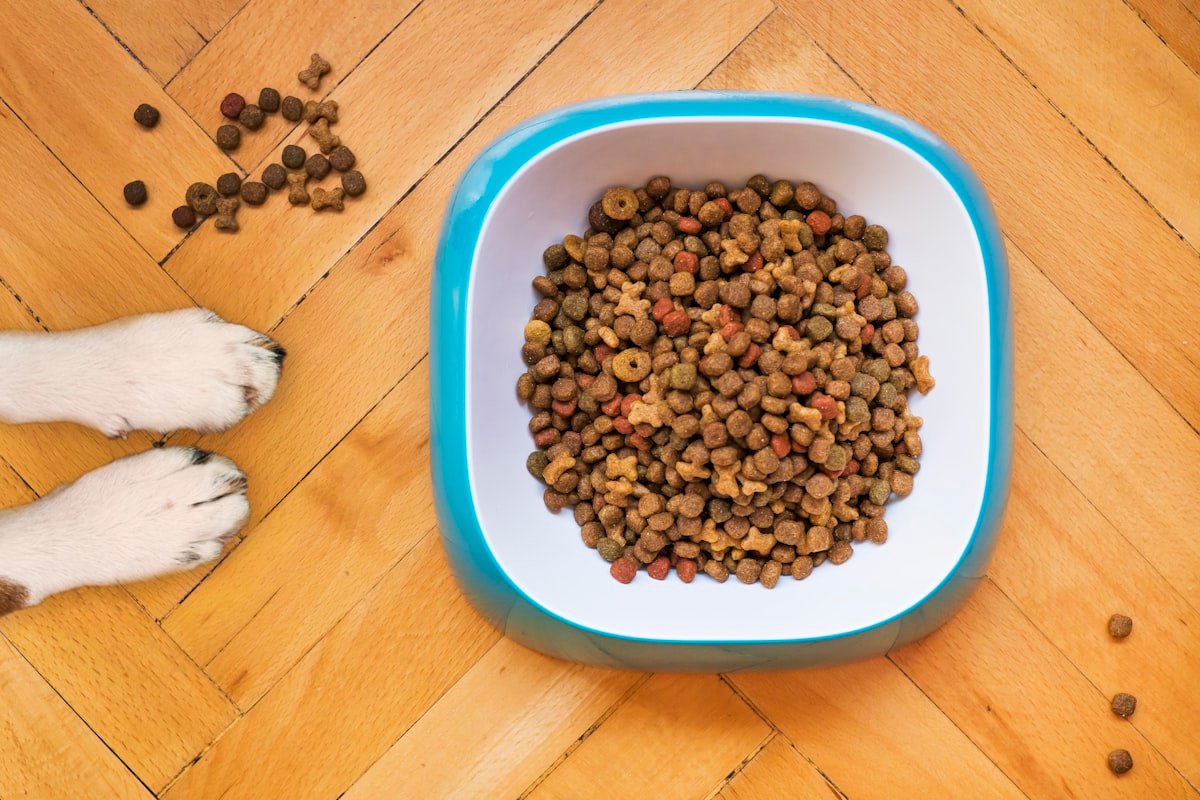
For a mild upset stomach that does not require a vet visit, a bland diet is the go-to approach recommended by UK vets. A bland diet is easy to digest, gentle on the gut, and helps the digestive system recover without being overloaded. The Pet Drugs Online website also supports the use of bland diets for short-term recovery.
Chicken and White Rice
This is the most widely recommended bland diet for dogs. Boiled, skinless chicken breast with plain white rice is gentle, easy to digest, and low in fat. Here is how to prepare it:
- Use boneless, skinless chicken breast. Do not add any oil, butter, salt, or seasoning.
- Boil the chicken thoroughly until it is fully cooked with no pink inside.
- Cook white rice separately in plain water. Do not add stock or salt.
- Shred or chop the chicken into small pieces and mix with the rice in a ratio of roughly one part chicken to two parts rice.
- Feed small portions throughout the day rather than one or two large meals.
White Fish and Sweet Potato
White fish such as cod or haddock is an excellent alternative to chicken. It is very lean and easy to digest. Poach the fish in plain water with no added oils or seasonings, and serve it alongside mashed or boiled sweet potato. Sweet potato is a good source of soluble fibre, which can help firm up loose stools.
Pumpkin (Plain, Not Pie Filling)
Plain pumpkin puree, not the sweetened pie filling, is a fantastic addition to a bland diet. It is rich in soluble fibre, which helps regulate digestion and can firm up diarrhoea. A tablespoon or two mixed into your dog’s food can make a real difference. You can find plain canned pumpkin in many UK supermarkets and online.
Scrambled Egg
Plain scrambled eggs, cooked without butter, oil, milk, or salt, can be a good protein source for dogs with mild stomach trouble. Eggs are gentle on the stomach and highly digestible.
When feeding a bland diet, keep portions small and feed more frequently than usual. Three to four small meals throughout the day are easier for a sensitive stomach to handle than one or two larger ones.
Safe Foods for Dogs with Upset Stomachs
Beyond the classic chicken and rice, there are several other foods that are generally safe and helpful for dogs recovering from digestive trouble. Always introduce new foods slowly and in small amounts.
Plain Boiled Turkey
Turkey is another lean protein that is easy on the digestive system. Use white meat only, remove all skin and fat, and boil it plain. Turkey can be a great alternative if your dog has had chicken recently and you want a different protein source.
Oatmeal (Plain)
Plain oatmeal, cooked with water rather than milk, is a bland and soothing option. It is high in soluble fibre and can help settle an irritated digestive tract. Avoid flavoured or instant oatmeal packets that contain sugar or artificial additives.
Plain Yoghurt (Small Amounts)
A small spoonful of plain, unsweetened yoghurt containing live cultures can provide beneficial probiotics that support gut health. However, many dogs are lactose intolerant, so only offer yoghurt in tiny amounts and stop if it makes symptoms worse. For more on this topic, read our article on probiotics for dogs.
Banana
Bananas are a good source of potassium and gentle fibre. A small slice of ripe banana can help settle an upset stomach and provide a natural source of energy for a dog that has not been eating well. Do not overdo it though, as too much banana can cause its own digestive issues.
Mashed Sweet Potato
Sweet potato is an excellent source of dietary fibre, vitamins, and minerals. Boiled or steamed and mashed plain, it is easy to digest and can help regulate bowel movements. It is a good source of both soluble and insoluble fibre, making it useful for both diarrhoea and mild constipation.
Plain Boiled Potato
White potato, boiled plain with no butter or salt, can be a useful bland carbohydrate. It is low in fat and easy to digest, making it a good base for a recovery meal.
Bone Broth (Homemade)
Homemade bone broth is nutritious and hydrating. Simmer bones (never cooked bones, as they can splinter) in water for several hours, strain the liquid, and let it cool. The resulting broth is rich in minerals and can entice a dog that is not eating to take in some nutrients. Skim off any fat before serving, as fat can worsen stomach issues.
Cottage Cheese (Small Amounts)
A small amount of plain cottage cheese can be a gentle source of protein and calcium. Like yoghurt, it should only be given in small quantities, and you should stop if it seems to make your dog’s symptoms worse.
For more detailed information about your dog’s gut health, including signs of chronic poor digestion, visit our guide on dog gut health and signs of poor digestion.
Foods to Avoid When Your Dog Has Diarrhoea
Knowing what not to feed your dog is just as important as knowing what is safe. When your dog’s stomach is already upset, the wrong food can make things much worse. The All About Dog Food website has useful information on ingredient quality that can help you make better choices.
Fatty and Greasy Foods
Fat is one of the hardest things for a sensitive digestive system to process. Avoid fatty meats like sausages, bacon, lamb, and fried foods. High-fat meals can trigger pancreatitis, a serious and painful inflammation of the pancreas that often requires emergency veterinary treatment.
Dairy Products
Most adult dogs are lactose intolerant to some degree. Milk, cheese, cream, and ice cream can cause or worsen diarrhoea and gas. Stick to water for hydration and avoid all dairy except possibly a tiny amount of plain yoghurt if your dog tolerates it.
Spicy Foods
Spicy foods, including curries, chilli, and anything with hot sauces or spices, will irritate your dog’s digestive system. Dogs do not enjoy spicy food and it can cause severe stomach pain, vomiting, and diarrhoea.
Bones, Especially Cooked Bones
Never give your dog cooked bones. They can splinter and cause serious internal damage, including punctures in the digestive tract, blockages, and choking hazards. Raw bones carry their own risks, including bacterial contamination, so it is best to avoid all bones during a stomach upset.
Sugary Foods and Treats
Sugar can disrupt the balance of bacteria in the gut and worsen diarrhoea. Avoid biscuits, cakes, chocolate, and any sweets. Remember that chocolate is toxic to dogs and can be fatal in sufficient quantities.
Raw Food
While raw feeding is popular among some UK dog owners, it is not recommended during a stomach upset. Raw meat carries a higher risk of bacterial contamination such as Salmonella and E. coli, which can make a sick dog much worse. If you normally feed raw, consider temporarily switching to a cooked bland diet until your dog recovers. You can learn more about raw food options when your dog is well in our best raw dog food UK guide.
Onions, Garlic, and Chives
These common kitchen ingredients are toxic to dogs in all forms, whether raw, cooked, or dried. They can cause damage to red blood cells and should never be fed to your dog, especially not when they are already unwell.
Grapes and Raisins
Grapes and raisins are highly toxic to dogs and can cause kidney failure. Even small amounts can be dangerous. Make sure your dog has no access to them, including in foods like fruit cake, mince pies, and cereal bars.
Human Processed Foods
Avoid feeding your dog leftovers, ready meals, or any processed human food. These often contain high levels of salt, sugar, fat, and additives that are unsuitable for dogs and can worsen digestive problems.
How Long Should You Feed a Bland Diet?
A bland diet is a short-term solution, not a long-term feeding plan. Here is a general guide for how long to use it and how to transition back to normal food.
24 to 48 Hours on the Bland Diet
For most mild stomach upsets, 24 to 48 hours on a bland diet is sufficient. During this time, watch your dog’s stools closely. If they begin to firm up and return to normal, it is a good sign that the digestive system is recovering.
Gradual Transition Back to Normal Food
Once your dog’s stool has been normal for at least 24 hours, you can start reintroducing their regular food. Do this gradually over 3 to 5 days to avoid triggering another upset:
- Day 1: 75% bland diet, 25% regular food
- Day 2: 50% bland diet, 50% regular food
- Day 3: 25% bland diet, 75% regular food
- Day 4: 100% regular food
If your dog’s symptoms return at any point during this transition, go back to the bland diet and consult your vet.
When a Bland Diet Is Not Enough
If your dog’s symptoms do not improve within 48 to 72 hours on a bland diet, or if they worsen at any point, it is time to see your vet. Persistent diarrhoea or vomiting can indicate a more serious underlying issue that requires professional diagnosis and treatment.
For a detailed guide on safe food transitions, read our article on how to switch dog food safely.
Hydration: Keeping Your Dog Drinking
Keeping your dog hydrated is one of the most important things you can do when they have an upset stomach. Vomiting and diarrhoea cause the body to lose fluids and electrolytes rapidly, and dehydration can become serious very quickly.
Always Provide Fresh Water
Make sure your dog has constant access to clean, fresh water. Some dogs will naturally drink more when they are unwell, but others may need encouragement. You can try adding a small amount of low-salt chicken broth to their water to make it more appealing.
Offer Small Amounts Frequently
If your dog is vomiting, drinking a large amount of water at once can trigger more vomiting. Instead, offer small amounts of water frequently throughout the day. A few tablespoons every 15 to 30 minutes is often better than a full bowl.
Electrolyte Solutions
In more severe cases of diarrhoea, your vet may recommend an oral rehydration solution. These are specially formulated to replace lost fluids and essential minerals. Products like Oralade and Lectade are available from UK vets and some pet retailers. Do not give your dog human electrolyte drinks such as sports drinks, as these often contain sugar and artificial sweeteners that are harmful to dogs.
Ice Cubes
If your dog is reluctant to drink, offering ice cubes can be a useful trick. Many dogs enjoy chewing on ice, and it provides a slow, steady source of hydration. This can be particularly helpful for dogs that are nauseous, as the cold can help soothe the stomach.
Monitor Hydration Closely
Keep a close eye on how much your dog is drinking. If they go more than a few hours without drinking, or if you notice signs of dehydration such as dry gums, sunken eyes, or lethargy, contact your vet immediately. Dehydration can cause kidney damage and can be fatal if left untreated, particularly in puppies and small breeds.
Probiotics and Digestive Support
Probiotics are beneficial bacteria that support a healthy gut. They can be very helpful during and after a stomach upset, as digestive issues often disrupt the natural balance of gut bacteria. At dogfoodsuk.com, we have looked into this topic in depth in our probiotics for dogs guide.
Why Probiotics Help
When your dog has diarrhoea or vomiting, the good bacteria in their gut can be depleted. Probiotics help restore this balance, support the immune system, and can shorten the duration of digestive upset. The European pet food industry guidelines from FEDIAF recognise the role of functional ingredients like probiotics in supporting pet health.
Probiotic Supplements Available in the UK
There are several well-regarded probiotic products available for UK dog owners:
- Protexin Pro-Kolin+: A paste that contains probiotics, prebiotics, and a binding agent called kaolin. It is widely recommended by UK vets for dogs with acute diarrhoea. Available from vets and online retailers like Pet Drugs Online.
- Lintbells YuDIGEST: A daily supplement containing probiotics and prebiotics to support overall digestive health. Available on Amazon UK and from pet shops.
- Pooch and Mutt Bionic Biotic: A natural supplement that combines probiotics with herbs and vitamins to support digestion and immunity.
- Dorwest Herbs Enteric: A herbal supplement designed to support a healthy digestive system in dogs.
Natural Probiotic Food Sources
In addition to supplements, some natural foods contain beneficial bacteria:
- Kefir: A fermented milk drink rich in probiotics. Use plain, unsweetened kefir and offer only small amounts, as it contains dairy.
- Plain Yoghurt: As mentioned earlier, a small spoonful of plain yoghurt with live cultures can be beneficial.
- Fermented Vegetables: Small amounts of sauerkraut or fermented vegetables (without added salt or spices) can provide natural probiotics.
Always introduce probiotics gradually and watch for any adverse reactions. If your dog’s symptoms worsen after starting a supplement, stop using it and consult your vet.
Best Sensitive Stomach Dog Foods Available in the UK
If your dog frequently suffers from stomach upsets, you may want to consider switching to a food designed specifically for sensitive digestion. There are many excellent options available in the UK for dogs with delicate tummies. Here are some of the best, as rated on All About Dog Food.
1. Burns Sensitive+ Duck and Rice
Burns is a well-respected UK brand that follows the principles of holistic nutrition. Their Sensitive+ range uses limited ingredients and avoids common allergens. The duck and rice recipe is a popular choice for dogs with sensitive stomachs, as duck is a novel protein that many dogs have not been exposed to. It contains no artificial colours, flavours, or preservatives. Available from pet shops and online at Amazon UK.
2. James Wellbeloved Turkey and Rice
James Wellbeloved is another trusted British brand that specialises in hypoallergenic dog food. Their turkey and rice recipe is naturally hypoallergenic and excludes common allergens like wheat, beef, and dairy. It is a complete food suitable for adult dogs of all breeds and sizes. This is a good option if you suspect your dog may have a food intolerance. Learn more about food allergies in our dog food allergies guide.
3. Forthglade Natural Grain-Free
Forthglade is a Devon-based company that makes natural, gentle dog foods. Their grain-free wet food range uses simple, wholesome ingredients and is free from artificial additives. The turkey and vegetable recipe is particularly mild and easy to digest. Forthglade is available widely in UK supermarkets and online.
4. Royal Canin Digestive Care
Royal Canin has a range of veterinary-recommended diets, and their Digestive Care formula is specifically designed for dogs with sensitive digestion. It contains prebiotics, highly digestible proteins, and a precise blend of fibres to support digestive health. This food is available through vets and online retailers.
5. Hill’s Science Plan Sensitive Stomach and Skin
Hill’s is a well-known brand with a strong reputation for science-based nutrition. Their Sensitive Stomach and Skin formula is designed to be gentle on the digestive system while also supporting coat and skin health. It contains prebiotic fibre and is easy to digest.
6. Scrumbles Gut Love
Scrumbles is a UK brand that focuses on gut health. Their Gut Love range includes added probiotics and prebiotics to support digestive function. The chicken and pumpkin recipe is a good choice for dogs with mild sensitivity. Scrumbles is available online and from independent pet retailers.
If you are interested in grain-free options specifically, check out our best grain-free dog food UK guide for more recommendations. Always speak to your vet before making significant changes to your dog’s diet, especially if they have an underlying health condition.
Preventing Future Stomach Upsets
Prevention is always better than cure. While you cannot protect your dog from every stomach upset, there are several things you can do to reduce the risk and keep their digestive system healthy.
Transition Food Gradually
Whenever you change your dog’s food, do it slowly over 7 to 10 days. Our guide on how to switch dog food safely explains the process in detail. Gradual transitions give your dog’s gut bacteria time to adapt to the new ingredients.
Avoid Table Scraps and Human Food
Human food is one of the most common causes of digestive upset in dogs. Even small amounts of fatty, spicy, or seasoned food can cause problems. Train your family and visitors not to share food with your dog, and keep human food out of reach. This includes keeping kitchen bins secured, as many dogs are expert bin raiders.
Keep a Consistent Feeding Routine
Dogs thrive on routine. Feed your dog at the same times each day and avoid sudden changes to their feeding schedule. Consistency helps their digestive system function properly.
Use Slow Feeder Bowls
If your dog eats too quickly, a slow feeder bowl can help. These bowls have built-in obstacles that force your dog to eat more slowly, reducing the amount of air they swallow and giving their digestive system time to process the food.
Keep Up with Parasite Prevention
Regular flea, tick, and worming treatments are essential for keeping your dog healthy. Parasites are a common cause of stomach upsets, and some can be transmitted to humans too. Follow your vet’s recommended schedule for parasite treatments.
Supervise Your Dog on Walks
Keep your dog on a lead or closely supervised in areas where they might scavenge. Beaches, parks, and public spaces can contain discarded food, rubbish, and other hazards. Teaching a reliable “leave it” command is invaluable for preventing scavenging.
Support Gut Health Long-Term
A healthy gut is the foundation of overall health. Consider including probiotics, prebiotics, and omega-3 fatty acids in your dog’s regular diet to support digestive function. Foods rich in fibre, such as pumpkin and sweet potato, can also help maintain regular, healthy digestion. Read more about supporting your dog’s gut health in our dog gut health guide.
Manage Stress
If your dog is prone to stress-related digestive issues, try to identify and minimise their triggers. Provide a safe, quiet space for them to retreat to, use calming aids like Adaptil diffusers, and maintain a consistent daily routine. If stress is a significant problem, speak to your vet about behaviour modification strategies.
Frequently Asked Questions
Can I feed my dog scrambled eggs when they have diarrhoea?
Yes, plain scrambled eggs cooked without butter, oil, milk, or any seasoning can be a gentle and easily digestible protein source for dogs with an upset stomach. Just make sure the eggs are fully cooked and served plain, in small amounts.
How long does it take for a dog’s stomach to settle?
Most mild stomach upsets resolve within 24 to 72 hours with a bland diet and rest. If symptoms persist beyond this period, or if they worsen at any point, contact your vet for advice.
Is chicken and rice good for a dog with diarrhoea?
Yes, boiled chicken breast and plain white rice is one of the most commonly recommended bland diets for dogs with diarrhoea. It is low in fat, easy to digest, and gentle on the stomach. Make sure the chicken is skinless and cooked without any seasoning.
Should I starve my dog if they are vomiting?
Withholding food for 12 to 24 hours used to be commonly recommended, but many modern vets now advise against prolonged fasting. Instead, offer small amounts of a bland diet frequently. Always provide access to water. If your dog cannot keep anything down, contact your vet.
Can I give my dog human diarrhoea medicine?
No, never give your dog human medication without consulting your vet first. Many human medicines, including Imodium (loperamide), are not safe for all dogs and can have serious side effects. Always seek veterinary advice before giving your dog any medication.
My dog’s stomach seems fine but their stool is still soft. What should I do?
Continue with the bland diet for a little longer and monitor their stool. If it does not improve after another 24 hours, or if other symptoms develop, consult your vet. Persistent soft stool can indicate an underlying issue that needs professional investigation.
Can pumpkin really help with dog diarrhoea?
Yes, plain pumpkin puree is rich in soluble fibre, which can help firm up loose stools and regulate digestion. Make sure you use pure pumpkin puree, not pumpkin pie filling, which contains sugar and spices that are harmful to dogs.
How much water should my dog drink when they have an upset stomach?
Your dog should have unlimited access to fresh water at all times. If they are vomiting, offer small amounts frequently rather than a full bowl. Monitor their water intake and watch for signs of dehydration, such as dry gums or lethargy.
Is grain-free food better for dogs with upset stomachs?
Not necessarily. Some dogs do well on grain-free food, while others benefit from the fibre in grains like rice and oats. The best food for your dog depends on their individual needs and any known intolerances. Our best grain-free dog food UK guide can help you decide.
When should I take my dog to the vet for an upset stomach?
You should contact your vet immediately if your dog has blood in their vomit or stool, shows signs of dehydration, vomits repeatedly and cannot keep water down, has a swollen or painful abdomen, or if symptoms last more than 48 to 72 hours without improvement. Puppies, elderly dogs, and dogs with existing health conditions should see a vet sooner.
Conclusion
An upset stomach is never pleasant for your dog or for you, but in most cases it can be managed effectively at home with a simple bland diet, plenty of fresh water, and a little patience. The chicken and rice approach has stood the test of time for good reason: it works for most dogs with mild digestive trouble.
The most important thing is to know when to handle things yourself and when to seek professional help. If your dog shows any of the warning signs discussed in this guide, do not hesitate to contact your vet. Early intervention can make a big difference, especially for puppies, senior dogs, and dogs with existing health conditions.
Preventing future stomach upsets is largely about consistency and care. Feed your dog a high-quality diet, transition foods slowly, avoid table scraps, and keep up with regular vet check-ups and parasite prevention. A healthy gut is the foundation of a healthy dog, and small daily habits make a big difference over time.
At dogfoodsuk.com, our mission is to help UK dog owners make the best possible decisions about their dog’s nutrition. Whether you are looking for information on gut health, probiotics, the best grain-free dog foods, or the best raw dog food options, we are here to help. We believe every dog deserves to feel their best, and it starts with what goes in their bowl.
If you found this guide helpful, please share it with other dog owners who might benefit. And remember, when it comes to your dog’s health, your vet is always your best resource.