
I’ve spent months researching, comparing, and testing dog foods available in the UK to put together this guide. I run Dog Foods UK because I got tired of seeing misleading marketing and confusing ingredient lists on dog food bags. My goal is simple. I want you to feel confident about what you pour into your dog’s bowl every day.
This guide covers every major category of dog food sold in the UK right now. I’ve included specific products, prices, and where to buy them. I’ve linked to independent ratings from All About Dog Food wherever possible so you can verify my recommendations yourself.
Your dog’s food is the single biggest factor in their long-term health. A decent diet can add years to their life and save you thousands in vet bills. A poor one can lead to skin problems, digestive trouble, joint issues, and worse. Let me walk you through what actually matters.
Why Dog Food Quality Actually Matters
The UK dog food market is worth over £2.8 billion a year. That’s a lot of money chasing your attention. Walk into any Pets at Home or browse online and you’ll see hundreds of options. Most of them are fine. Some are genuinely excellent. And some are expensive junk dressed up in premium packaging.
I created Dog Foods UK after my own Labrador, Monty, developed chronic ear infections that turned out to be food-related. Once I switched him to a limited-ingredient diet, the infections cleared up within three weeks. That experience sent me down a rabbit hole of ingredient research, veterinary guidance, and independent testing. I started the site to share what I learned.
Diet affects everything. Coat quality. Energy levels. Stool consistency. Joint health. Brain function as dogs age. The PDSA estimates that over 50% of UK dogs are overweight, and diet is almost always the root cause. Obesity in dogs reduces lifespan by an average of 2.5 years according to a 2022 study published in the Journal of Veterinary Internal Medicine.
I’m not here to tell you that every dog needs a £5-a-day fresh food subscription. Most dogs do perfectly well on quality dry food that costs under £1 per day. But you do need to know the difference between “meat meal” and “fresh meat,” why “derivatives” on an ingredients list should make you pause, and which brands actually put their money into ingredients rather than advertising.
Everything in this guide is based on publicly available nutritional data, veterinary guidance from the British Veterinary Association, and independent ratings. I don’t accept payment from any dog food company. The recommendations are my honest opinions based on the evidence available in 2026.
Types of Dog Food Available in the UK
Before I get into specific products, you need to understand the main types of dog food on the UK market. Each has its own strengths and weaknesses. The best choice depends on your dog’s age, health, your budget, and how much time you’re willing to spend on feeding.
Dry food (kibble and cold-pressed)
Dry food remains the most popular choice in the UK. It’s convenient, affordable, and has a long shelf life. Traditional kibble is made by mixing ingredients, then cooking them at high temperatures (typically 120-160°C) to form the familiar biscuit shapes. Cold-pressed kibble uses lower temperatures (around 60-80°C), which preserves more of the natural nutrients. Cold-pressed kibble is one of the fastest-growing segments in the UK market right now.
Wet food
Wet dog food comes in cans, trays, and pouches. It typically contains 60-80% moisture, which helps keep your dog hydrated. Most dogs find wet food more palatable than dry. It’s a good option for fussy eaters, senior dogs who need extra moisture, or dogs with dental issues. The downside is cost. Wet food is significantly more expensive per calorie than dry.
Raw food (BARF)
Raw feeding has exploded in popularity over the past five years in the UK. BARF stands for Biologically Appropriate Raw Food (or Bones and Raw Food). The idea is to feed dogs a diet closer to what their ancestors ate: raw meat, bone, offal, and some vegetables. UK raw food sales grew by roughly 30% between 2023 and 2025 according to market data from the Pet Food Manufacturers Association.
Fresh and cooked food (subscription services)
Fresh dog food delivery is the premium end of the market. Companies prepare gently cooked meals and deliver them to your door, either frozen or shelf-stable. This category includes brands like Butternut Box, Years, and Pure Pet Food. Expect to pay £2-4 per day for these services. They’re convenient and the quality is generally excellent, but the cost adds up fast.
Air-dried food
Air-dried dog food sits between kibble and raw. Meat and vegetables are dried at low temperatures to remove moisture while preserving nutrients. It’s lightweight, shelf-stable, and you just add water to rehydrate it. Pure Pet Food and Eden both offer air-dried options in the UK.
Quick comparison
| Type | Average cost per day | Shelf life | Prep time | Best for |
|---|---|---|---|---|
| Dry kibble | £0.50-1.50 | 12-18 months | None | Most dogs, budget-conscious owners |
| Cold-pressed | £0.80-2.00 | 6-9 months | None | Owners wanting better nutrient retention |
| Wet food | £1.00-3.00 | 2-3 years (unopened) | Minimal | Fussy eaters, senior dogs |
| Raw food | £1.50-4.00 | 6-12 months (frozen) | 10-15 mins | Dogs with allergies, owners wanting natural diet |
| Fresh/cooked | £2.00-4.00 | 1-4 weeks (fresh), 6 months (shelf-stable) | Minimal | Convenience seekers, premium budgets |
| Air-dried | £1.50-3.00 | 12 months | Add water | Travel, camping, storage-limited homes |
Best Dry Dog Food UK
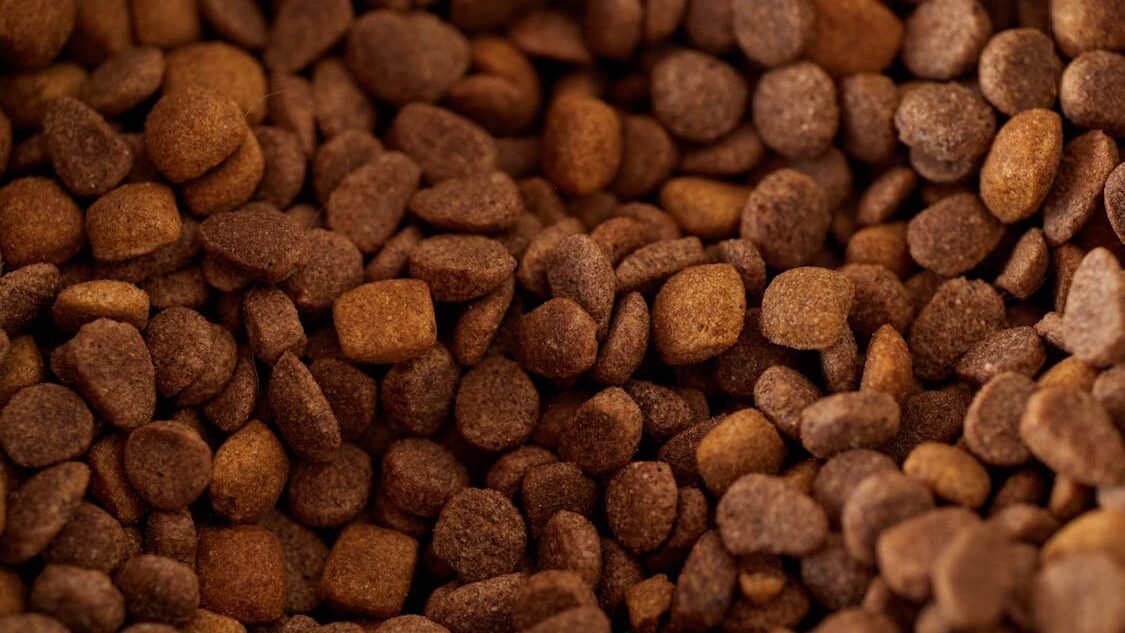
Dry food is the backbone of most UK dogs’ diets. I’ve tested and researched dozens of brands to narrow this down to the six I genuinely recommend.
1. Forthglade Cold-Pressed Dry Food – Best overall
Forthglade has been a household name in UK dog food for years, and their cold-pressed range is genuinely impressive. It contains over 73% meat, which puts it well above most competitors. The cold-pressing process uses temperatures around 60-80°C, far lower than traditional extrusion, which means more vitamins and enzymes survive.
The range covers all life stages from puppy through senior. Flavours include chicken, salmon, and lamb. It’s rated 4.5 out of 5 on All About Dog Food, which makes it one of the highest-rated affordable dry foods in the UK.
I’ve been feeding this to my spaniel for four months now. Her coat is noticeably shinier and her energy levels are more consistent. A 2kg bag costs around £14-16 direct from the Forthglade website, and it’s also available on Amazon UK.
2. Eden 80/20 Dry Food – Best for active and working dogs
Eden’s 80/20 formula contains exactly what the name suggests: 80% meat and animal derivatives, 20% fruit, vegetables, and botanicals. That meat content is among the highest you’ll find in any UK dry food. The recipe is modelled on an ancestral diet, which means it closely resembles what dogs would eat in the wild.
This is a high-protein, high-fat food. It’s designed for active and working dogs that burn serious calories. If your dog spends most of the day on the sofa, this will be too rich and could lead to weight gain. But if you’ve got a collie, pointer, or any dog that works or trains hard, Eden 80/20 is tough to beat.
A 12kg bag costs roughly £55-60 on Amazon UK. The high meat content means your dog will need a smaller portion size, so the bag lasts longer than you’d expect.
3. Lily’s Kitchen Grain-Free Dry – Best premium grain-free option
Lily’s Kitchen built its reputation on human-grade ingredients and proper cooking methods. Their grain-free dry food contains 40-55% meat depending on the recipe, alongside sweet potato, peas, and herbs. Everything is made in the UK.
Their chicken and duck recipe is the most popular flavour. It’s free from artificial colours, flavours, and preservatives. Lily’s Kitchen was one of the first UK brands to really push the “proper food” message, and their quality has remained consistent.
A 2kg bag costs around £16-18. It’s more expensive than supermarket brands, but the ingredient quality justifies the price. You can find it in most UK pet shops and on Amazon UK.
4. James Wellbeloved Hypoallergenic Dry – Best for allergy-prone dogs
If your dog suffers from itchy skin, ear infections, or digestive upset, food allergies could be the culprit. James Wellbeloved has been the go-to hypoallergenic brand in the UK for over 30 years. Their recipes use single-source proteins (turkey, lamb, or fish) with no beef, pork, wheat, or dairy.
Their turkey and rice recipe is a solid starting point for elimination diets. It contains 26% turkey, wholegrain rice, and added prebiotics for gut health. The ingredient list is short and transparent, which is exactly what you want when you’re trying to identify an allergy trigger.
A 2kg bag costs about £12-14. It’s widely available in supermarkets, pet shops, and online. For more on this brand, check out the James Wellbeloved website.
5. Burns Pet Nutrition – Best vet-formulated dry food
Burns Pet Nutrition was created by veterinary surgeon John Burns in the early 1990s. He developed the food after seeing countless dogs with skin and digestive problems caused by poor diet. The philosophy behind Burns is simple: use a limited number of high-quality ingredients and let the food do the work.
Their original chicken and brown rice recipe contains 22% chicken, brown rice, maize, and a small amount of seaweed and vitamins. It’s deliberately low in fat and protein compared to most modern dog foods, which John Burns argues is closer to what dogs actually need for long-term health.
Burns has a loyal following among UK vets. The food is often recommended for dogs with persistent skin problems, anal gland issues, and sensitive digestion. A 2kg bag costs around £12-15 from the Burns official website and most pet retailers.
6. Harringtons Lamb and Rice Dry – Best budget-friendly dry food
Not everyone can afford premium dog food, and that’s completely fine. Harringtons proves you don’t have to spend a fortune to feed your dog something decent. Their lamb and rice recipe lists lamb as the first ingredient (not a meat meal or derivative), followed by rice, barley, and peas.
Harringtons is made in the UK, free from artificial colours and flavours, and costs roughly £20-24 for a 12kg bag at Amazon UK. That works out to around 40-50p per day for a medium-sized dog. You won’t find many dry foods at this price point with meat as the first ingredient.
It’s not perfect. The protein content (22%) is moderate, and it does contain some cereal. But for dog owners on a tight budget, Harringtons is a genuinely honest product that won’t let your dog down.
Best Wet Dog Food UK
Wet food is brilliant for fussy eaters and dogs that need extra hydration. Here are the five wet foods I rate most highly for UK dogs.
1. Forthglade Grain-Free Wet – 75% meat
Forthglade’s wet food contains 75% meat, which is one of the highest meat contents you’ll find in any UK wet food at this price point. It’s gently steamed rather than cooked at high heat, which preserves more nutrients. The grain-free recipes use sweet potato as the carbohydrate source.
This is ideal for sensitive dogs. The ingredient list is short, there are no artificial additives, and the trays are recyclable. A pack of 12 x 400g trays costs around £24-28 from most UK retailers. You can also order direct from Forthglade.
2. Lily’s Kitchen Natural Wet – Steamed trays
Lily’s Kitchen wet food comes in convenient trays and contains up to 60% meat depending on the recipe. The food is gently steamed to retain nutrients, and every recipe includes added vitamins and minerals to make it a complete meal. Flavours include chicken, lamb, beef, and fish.
The quality is consistently good and the packaging is recyclable. A 6-pack of 400g trays costs about £15-18. It’s more expensive than supermarket wet food, but the ingredient quality is noticeably better.
3. Nature’s Menu Country Hunter Wet – High-meat pouches
Nature’s Menu is one of the UK’s biggest natural pet food brands, and their Country Hunter range is excellent. The pouches contain 70-80% meat and are gently steamed. They’re a good middle ground between standard wet food and raw feeding.
The range includes flavours like chicken, beef, lamb, and tripe. A box of 12 pouches costs around £16-20. Nature’s Menu is widely available in UK supermarkets and pet shops, which makes it easy to pick up during your regular shop.
4. Butcher’s Tripe Variety Pack – British farm-sourced
Butcher’s has been a UK staple for decades, and their tripe variety pack deserves recognition. Tripe is naturally rich in nutrients and most dogs absolutely love the taste. All the meat in Butcher’s products is sourced from British and Irish farms.
This is one of the most affordable quality wet foods on the UK market. A multipack of 12 cans typically costs £10-14. It’s not going to win any awards for ingredient transparency, but at this price point it’s a reliable, honest product.
5. Pooch and Mutt Natural Wet Food – Functional nutrition
Pooch and Mutt take a slightly different approach. Their wet food is designed with functional benefits in mind. The “Calm and Relaxed” recipe includes chamomile and l-tryptophan. The “Health and Digestion” recipe has added prebiotics and probiotics.
The meat content is reasonable (around 45-55%) and the added supplements make these products genuinely useful for dogs with specific needs. A 6-pack costs around £14-16 from the Pooch and Mutt website and various UK retailers.
Best Raw Dog Food UK
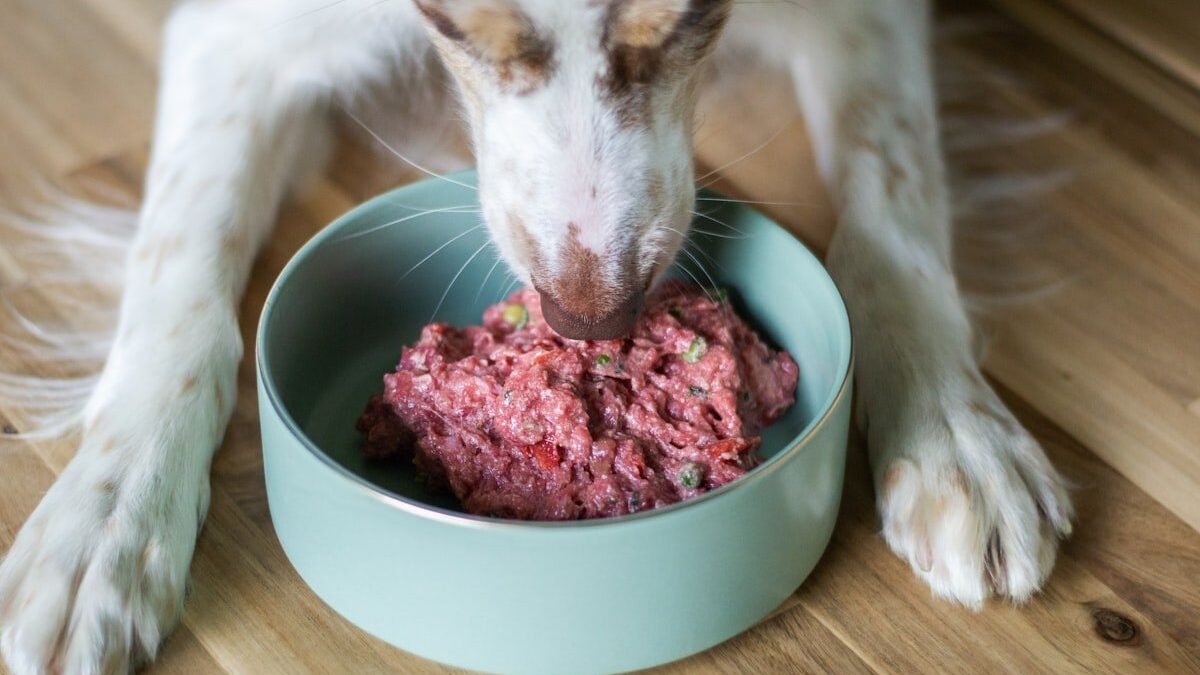
Raw feeding divides opinion in the veterinary community, and I want to address that honestly before making my recommendations.
Safety first
The British Veterinary Association (BVA) does not officially recommend raw feeding due to the risk of bacterial contamination (salmonella and E. coli are the main concerns) and the potential for nutritional imbalances if the diet isn’t properly formulated. That’s a legitimate position and you should take it seriously.
If you do decide to feed raw, here’s what I recommend. First, talk to your vet. Not a Facebook group, not a raw feeding influencer. Your actual vet. Second, choose brands that hold DEFRA approval and ideally RawSAFE certification. This means the food has been tested for pathogens and produced in facilities that meet specific hygiene standards. Third, follow basic food hygiene in your kitchen. Wash your hands, clean surfaces, and don’t use the same chopping board for raw dog food and human food.
Top raw food brands in the UK
Bella + Duke is the UK’s biggest raw food brand. They’re RawSAFE certified, DEFRA-approved, and offer a huge range of proteins including beef, chicken, lamb, venison, and tripe. Their starter packs are a good way to try raw feeding without committing to a bulk order. Delivery is free on orders over £40.
Naturaw uses human-grade meat sourced from UK farms. Their food is minimally processed and comes in convenient 1kg blocks. Prices start at around £3.50-4.50 per kg. They hold DEFRA approval and publish full nutritional analysis for every recipe.
ProDog Raw offers DEFRA-approved complete meals alongside their raw supplement range. What I like about ProDog is their starter packs. If you’ve never fed raw before, their “Starter Box” includes three different proteins so your dog can try several options. Their website also has a useful raw feeding guide for beginners.
Paleo Ridge is the choice for owners who want the highest possible meat content. Their complete meals contain 80-90% meat, bone, and offal. They offer multiple ranges including puppy-specific, senior-specific, and low-fat options. Paleo Ridge is RawSAFE certified and all meat is UK-sourced.
For more detailed information on raw feeding, I recommend reading the All About Dog Food raw feeding guide and the FEDIAF nutritional guidelines for complete pet food.
Best Fresh and Subscription Dog Food
Fresh dog food subscriptions have been one of the biggest dog food trends in the UK over the past few years. The concept is simple: a company delivers pre-portioned, gently cooked meals to your door on a regular schedule. No measuring, no storage headaches, no guessing.
Years Fresh Dog Food
Years has quickly become one of my top recommendations. Their food is shelf-stable (no freezer required), which makes it incredibly convenient. It’s rated 93% on All About Dog Food, which is one of the highest ratings for any dog food I’ve seen. On Trustpilot, they hold a 4.7/5 rating from thousands of reviews.
Years uses human-grade ingredients, gently cooked at low temperatures. The recipes are nutritionally complete and designed by veterinary nutritionists. Prices start at around £2 per day for small dogs and go up to roughly £4 per day for large breeds.
Butternut Box
Butternut Box is probably the most well-known fresh dog food brand in the UK, thanks partly to their memorable TV advertising. They deliver frozen cooked meals tailored to your dog’s weight, age, and activity level. The recipes contain 60-65% meat alongside vegetables and added vitamins.
Butternut Box offers a half-price trial box for new customers, which is worth trying if you’re curious about fresh food but not ready to commit. Ongoing prices range from £2-4 per day depending on your dog’s size.
Different Dog
Different Dog was created by veterinary nutritionists, and that expertise shows in the recipes. Their meals are gently cooked and delivered frozen. What sets Different Dog apart is the variety: they offer over 20 different recipes including some unusual proteins like wild boar and venison.
They also offer a dedicated “sensitive” range for dogs with food intolerances. Prices are in the £2.50-4.50 per day range.
Pure Pet Food
Pure Pet Food takes a different approach to freshness. Their food is air-dried rather than cooked, which means it’s shelf-stable at room temperature. You simply add warm water to rehydrate it before serving. This makes it a great option for travel, camping, or anyone who doesn’t have freezer space.
Pure offers seven different recipes and a helpful quiz on their website to match your dog to the right food. Prices start at around £1.50-2.50 per day.
Cost reality check
Fresh and subscription dog food is brilliant, but the cost is real. Compare £2-4 per day for fresh food against £0.50-1.50 per day for quality dry food. Over a year, that difference adds up to £547-912 for an average medium-sized dog. For many owners, that’s simply not sustainable.
My advice? Try a trial box from Years or Butternut Box and see if your dog likes it and benefits from it. If the improvement is dramatic and you can afford it, great. If not, there’s absolutely nothing wrong with a quality dry or wet food. Your dog won’t judge you for it.
Best Grain-Free Dog Food UK
Grain-free dog food has been one of the most talked-about categories in pet nutrition over the past few years, and I need to address the controversy before making recommendations.
What grain-free actually means
A grain-free dog food simply replaces grains (wheat, corn, rice, barley, oats) with alternative carbohydrates like sweet potato, peas, lentils, or potatoes. That’s all it means. It doesn’t automatically make the food healthier or more natural. It just means there are no grains in it.
Grain-free dog foods first became popular because some dogs genuinely can’t tolerate grains. Wheat allergies and intolerances are real, though less common than many people think. The BVA estimates that true food allergies affect roughly 1-2% of dogs, and grain is only one of many possible triggers.
The DCM discussion
In 2018, the US FDA launched an investigation into a potential link between grain-free diets and dilated cardiomyopathy (DCM) in dogs. DCM is a serious heart condition that weakens the heart muscle. The FDA found that many of the affected dogs were eating diets high in peas, lentils, and potatoes, which are common ingredients in grain-free foods.
However, the investigation never established a clear causal link. The FDA’s own update in 2022 acknowledged that “the mechanism by which diet may be associated with DCM remains unclear.” Some veterinary cardiologists believe the issue may relate to specific brands or formulations rather than grain-free diets as a whole.
The British Veterinary Association’s position is cautious. They advise that grain-free diets should only be fed when there is a diagnosed medical reason, such as a confirmed grain allergy. For most dogs, a diet containing grains is perfectly healthy.
My take? Grain-free food isn’t inherently dangerous, but it’s not inherently better either. If your vet has diagnosed a grain allergy, grain-free makes sense. If not, there’s no compelling reason to avoid grains. I’ve included grain-free options in my recommendations because some dogs genuinely need them, but I wouldn’t switch to grain-free without veterinary advice.
Top grain-free picks
- Forthglade Grain-Free – My top pick. Cold-pressed dry food with over 73% meat and sweet potato as the carb source. Rated 4.5/5 on All About Dog Food.
- Wellness CORE Ocean – High-protein grain-free with whitefish as the main protein. Good option for dogs that can’t tolerate chicken or beef.
- Canagan Free-Run Chicken – A UK favourite with 65% chicken content. Uses sweet potato as the grain alternative.
- Carnilove Salmon and Turkey – Forest-themed recipe (the brand’s USP) with 70% wild-origin meat. No grains, no potatoes.
Best Hypoallergenic Dog Food UK
Food allergies and intolerances are frustratingly common in UK dogs. The symptoms can include itchy skin, recurring ear infections, vomiting, diarrhoea, and excessive licking of paws. Getting the right food can transform a miserable dog into a completely different animal.
Allergy vs intolerance
A food allergy involves the immune system. Your dog’s body identifies a specific protein as harmful and mounts an immune response. Symptoms usually affect the skin (itching, redness, hot spots) but can also cause digestive problems.
A food intolerance doesn’t involve the immune system. It’s more like a sensitivity. Your dog’s digestive system simply can’t handle a particular ingredient. Symptoms are almost always digestive: diarrhoea, vomiting, gas, bloating.
The most common allergens in dogs are beef, dairy, wheat, chicken, egg, lamb, and soy. That’s right. Chicken and beef, which are the most common proteins in dog food, are also the most common allergens. If your dog has symptoms of a food allergy, your vet will likely recommend an elimination diet using a novel protein (something your dog hasn’t eaten before) or a hydrolysed protein diet.
Top hypoallergenic picks
James Wellbeloved Hypoallergenic is my first recommendation for dogs with suspected food allergies. Their recipes use single-source proteins (turkey, lamb, or fish) and avoid all the common allergens: no beef, no dairy, no wheat, no soya, no pork. It’s been a reliable choice for UK vets for decades. Their website has a useful ingredient checker tool.
Simpsons Premium Adult Sensitive is a lesser-known brand that deserves more attention. Their sensitive range uses salmon and potato as the base ingredients, both of which are considered low-allergen. The food is made in the UK and contains 42% salmon. It’s priced comparably to James Wellbeloved but with a higher meat content.
Vet’s Kitchen Sensitive Care is developed in partnership with practising UK vets. Their sensitive formula uses turkey as the single protein source with rice as the carbohydrate. What I like about Vet’s Kitchen is their transparency: they publish full nutritional analysis and sourcing information on their website.
Purina Pro Plan OptiDerma is a vet-recommended option that uses salmon as the primary protein and includes specific omega-3 fatty acids for skin health. It’s available through veterinary practices and online. This is a good option if your vet is already involved in managing your dog’s allergies.
Arden Grange makes several hypoallergenic options including a sensitive ocean whitefish and potato recipe. All their food is free from beef, wheat, soya, and dairy. Arden Grange also includes prebiotics in all their recipes to support gut health, which is often compromised in dogs with food sensitivities.
Best Puppy Food UK
Puppyhood is when nutrition matters most. The first 12-18 months of a dog’s life set the foundation for their skeletal development, immune system, and long-term health. Getting puppy food right is worth the effort.
What puppies actually need
Puppies need higher protein than adult dogs (around 25-30% on a dry matter basis), higher fat for energy, and specific minerals like calcium and phosphorus for bone development. They also need DHA (docosahexaenoic acid), an omega-3 fatty acid that supports brain and eye development. The FEDIAF nutritional guidelines set out specific minimum requirements for puppy food that all reputable manufacturers follow.
Size-specific feeding matters
Small and toy breed puppies mature faster than large breed puppies. A Chihuahua reaches adult size by around 9-10 months. A Great Dane won’t be fully grown until 18-24 months. This matters because feeding a large breed puppy food that’s too high in calcium can cause skeletal problems. Conversely, feeding a small breed puppy adult food too early can deprive them of the nutrients they need during this key growth phase.
Top puppy food picks
Wellness CORE Puppy Original is my top pick for most puppies. It’s a grain-free formula with 36% protein and 15% fat, which supports healthy growth without being excessive. It contains DHA from salmon oil and has added glucosamine for joint development. Available on Amazon UK and in pet shops.
Hill’s Science Plan Puppy Medium is a vet-recommended option for medium breed puppies. It contains clinically proven antioxidants for immune system support and an optimal balance of calcium and phosphorus. The ingredients list isn’t as impressive as some premium brands (it contains maize and wheat), but the nutritional profile is solid.
Royal Canin X-Small Puppy is specifically designed for toy and small breed puppies under 4kg adult weight. The kibble size is tiny (essential for tiny mouths), and the nutrient profile is tailored for rapid early growth. Royal Canin’s breed and size-specific approach has critics, but there’s no denying they put serious research into their life-stage formulas.
Iams Puppy Large Breed is my budget pick for large breed puppies. It contains controlled levels of calcium to support safe skeletal development, plus DHA for brain development. A 12kg bag costs around £35-40, making it one of the more affordable large breed puppy foods available in the UK.
Feeding schedule for puppies
- 8-12 weeks: 4 meals per day
- 3-6 months: 3 meals per day
- 6-12 months: 2 meals per day
- 12+ months: 2 meals per day (adult food)
Always have fresh water available. Puppies dehydrate faster than adult dogs. For more detailed advice, check the PDSA’s puppy feeding guide.
Best Senior Dog Food UK

Most dogs are considered seniors from around 7 years old, though large breeds reach senior status earlier (around 5-6 years) and small breeds later (around 10-11 years). Senior dogs have different nutritional needs. They typically need fewer calories (metabolism slows with age), more joint support, and food that’s easier to digest.
Top senior dog food picks
Barking Heads Golden Years is designed specifically for older dogs. It contains 22% protein (lower than adult food), added glucosamine and chondroitin for joint support, and prebiotics for digestive health. The recipe includes salmon oil for omega-3 fatty acids, which help with coat condition and cognitive function. A 12kg bag costs around £40-45.
Burns Senior Wet Food is a great option if your senior dog prefers wet food or has dental issues that make dry food difficult. Burns apply their low-fat, simple-ingredient philosophy to this recipe, which is gentle on ageing digestive systems. The protein content is moderate and the ingredients are easily digestible.
Hill’s Science Plan Senior is a vet-recommended option with a strong evidence base. The recipe contains controlled levels of phosphorus to support kidney health (a common concern in older dogs), plus L-carnitine to help maintain lean muscle mass. Hill’s has published clinical studies supporting their senior formula, which gives me confidence in their claims.
Royal Canin Small Adult 8+ is designed for small breed dogs aged 8 and over. It contains EPA and DHA for cognitive support (older dogs can experience cognitive decline, similar to dementia in humans), plus a tailored kibble size and texture that’s easier for older dogs to chew.
Joint health supplements for seniors
Many senior dog foods now include glucosamine and chondroitin for joint support. These are the two most studied supplements for canine joint health. Green-lipped mussel extract is another ingredient that’s gaining popularity. Some evidence also suggests omega-3 fatty acids from fish oil can help reduce inflammation in ageing joints.
If your senior dog is showing signs of joint stiffness, speak to your vet before starting any supplements. They can assess whether the issue is age-related wear and tear, arthritis, or something else entirely. The BVA has useful guidance on managing arthritis in dogs.
Best High-Protein Dog Food UK
High-protein dog food has become increasingly popular in the UK, driven by the idea that dogs are descended from wolves and should eat a meat-heavy diet. There’s some truth to that, but the reality is more nuanced than marketing suggests.
Protein needs by dog type
- Working and sporting dogs: 25-30% protein on a dry matter basis. These dogs burn serious calories and need protein for muscle repair and energy.
- Active dogs (regular long walks, agility, training): 20-25% protein.
- Average companion dogs: 18-25% protein. Most healthy adult dogs fall into this range.
Exceeding these ranges won’t necessarily harm a healthy dog (their bodies simply excrete excess protein), but it won’t provide additional benefits either. And for dogs with kidney disease, excessive protein can actually be harmful. Always check with your vet before switching to a high-protein food.
Top high-protein picks
Eden 80/20 is the king of high-protein dry food in the UK. With 80% meat content and roughly 38% protein on a dry matter basis, this is serious food for serious dogs. Reserve it for working breeds, sporting dogs, and extremely active individuals. Available on Amazon UK.
Scrumbles High-Protein is a more accessible option for owners who want higher protein without going to Eden’s extreme. Their recipes contain around 30% protein with added prebiotics for gut health. It’s also available in most UK supermarkets, which makes it convenient.
Carnilove offers several recipes with 70% meat content and roughly 35% protein. They use wild-origin meats like duck, pheasant, and wild boar, which are naturally rich in protein and less likely to trigger allergies. Their salmon and turkey recipe is particularly popular.
Forthglade 75% meat wet food offers a high-protein option for dogs that prefer wet food. At 75% meat, the protein content is naturally high. Pair it with a quality dry food for the best of both worlds.
Insect-Based and Sustainable Dog Food
Sustainable dog food is one of the fastest-growing categories in the UK pet market. The environmental impact of traditional dog food is significant. A 2017 study estimated that pet food accounts for roughly 25-30% of the environmental impact of meat consumption in the US, and the UK picture is similar. Insect protein offers a genuinely promising alternative.
Why insect protein?
Black soldier fly larvae are the most commonly used insect in dog food. They’re rich in protein (around 40-50% by weight), contain essential amino acids, and have a favourable fatty acid profile. The environmental advantages are compelling. Insect farming uses a fraction of the land, water, and feed required for traditional livestock farming. It produces far fewer greenhouse gas emissions.
Insect protein is also naturally hypoallergenic because most dogs have never been exposed to it. This makes it an excellent option for elimination diets and dogs with multiple protein allergies.
Top sustainable picks
Yora Insect Protein Dry is the UK’s best-known insect dog food. Their recipe contains 40% black soldier fly larvae alongside oats, sweet potato, and seaweed. Yora has won multiple awards for sustainability and their food is rated highly by All About Dog Food. A 2kg bag costs around £16-18.
Grub Club Insect Dry is another UK insect protein brand worth considering. Their recipe uses black soldier fly protein alongside visible vegetable pieces. Grub Club positions itself as an affordable entry point into insect-based dog food, and their pricing reflects that.
Tuggs Fresh takes a different approach. They deliver fresh-cooked insect-based meals on a subscription basis. Their recipes combine black soldier fly protein with seasonal vegetables. It’s premium priced but takes a genuinely different approach in the fresh food space.
Wainwrights Insect Kibble (available from Pets at Home) is the most accessible insect dog food in the UK. You can pick it up in-store, which is useful if you don’t want to order online. The recipe is reasonably priced and contains 33% insect protein alongside rice and peas.
Beco Pets Wild Boar and Pumpkin isn’t insect-based, but it deserves a mention for sustainability. Wild boar is a novel protein (low allergy risk) and it’s a more environmentally friendly meat source than intensively farmed beef or chicken. The recipe also includes pumpkin for digestive health.
Edgard and Cooper stands out for their commitment to sustainability beyond just the food. Their packaging is fully biodegradable, they use carbon-neutral shipping, and they donate a portion of profits to animal charities. The food itself is grain-free with decent meat content.
Best Budget-Friendly Dog Food Under £1 Per Day
I know not everyone can spend premium prices on dog food. A lot of families in the UK are watching every penny right now, and the dog still needs to eat. Here’s how to feed your dog well on a tight budget.
The budget options
Harringtons is my top budget pick and I’ve covered it in detail above. Lamb and rice recipe with lamb as the first ingredient, around 40-50p per day for a medium dog. It’s honest food at an honest price.
Butcher’s wet food is another solid budget choice. Their cans and pouches are widely available in UK supermarkets, and a can of Butcher’s costs around 50-70p. Feed one can per day for a small dog or two for a medium dog, and you’re still well under £1 per day.
Pedigree is the UK’s biggest-selling dog food brand, and I want to be straight with you about it. Pedigree is affordable and dogs generally like the taste. But the ingredient quality is noticeably lower than Harringtons or Butcher’s. The first ingredient in many Pedigree products is cereal, not meat. The protein content is lower. I’d only recommend Pedigree if your budget truly can’t stretch to anything else.
What to look for on a budget
Even at the budget end, there are non-negotiables. The food must be labelled “complete” rather than “complementary.” A named meat should appear in the first two ingredients. Avoid anything that lists “meat and animal derivatives” as the primary protein source without specifying which animal it comes from.
Supermarket own-brands vary wildly in quality. Some (like Aldi’s “Nature’s Dog” range and Sainsbury’s “Pets” range) are surprisingly decent with meat as the first ingredient. Others are essentially Pedigree at a slightly lower price. Always read the label.
How to Transition Your Dog to a New Food
Switching your dog’s food too quickly is the number one cause of the diarrhoea and vomiting that owners often mistake for a food intolerance. Your dog’s gut needs time to adjust to new ingredients. The bacteria in their digestive system need to adapt. This doesn’t happen overnight.
The 7-10 day gradual transition
- Days 1-2: 75% old food, 25% new food
- Days 3-4: 50% old food, 50% new food
- Days 5-6: 25% old food, 75% new food
- Days 7-10: 100% new food
If your dog has a particularly sensitive stomach, stretch this out to 14 days. There’s no rush. If you see loose stools at any point during the transition, slow down and stay at that ratio for an extra day or two before progressing.
What to watch for
Some mild digestive upset during a transition is normal. A slightly softer stool for a day or two isn’t cause for alarm. But persistent diarrhoea, vomiting, or a complete refusal to eat warrants a phone call to your vet. These could indicate a genuine food intolerance or an underlying health issue that’s been masked by the old food.
Adding a probiotic supplement during the transition period can help. Products like Protexin Pro-Kolin or Yudigest are available from UK vets and online pet pharmacies. They introduce beneficial bacteria to the gut and can ease the transition process.
For veterinary advice on feeding transitions, the BVA and your own vet are the best resources.
How to Read a Dog Food Label
Understanding dog food labels is genuinely difficult. The rules around pet food labelling in the UK and EU are complicated, and manufacturers often use this complexity to their advantage. Here’s what you actually need to know.
Ingredients are listed by weight
UK and EU law requires that ingredients on pet food labels are listed in descending order by weight. The first ingredient is the heaviest component of the food. But there’s a catch: ingredients are listed by their weight before any water is removed. Fresh chicken is about 75% water. So if “fresh chicken” is the first ingredient, it might actually contribute less meat than “chicken meal” (which is dried and concentrated) that appears further down the list.
This is why I always look at the overall ingredient list, not just the first one. A food that lists “fresh chicken” first, then “chicken meal” third, contains more total chicken than a food that only lists “fresh chicken” first followed by three grains.
“Meat and animal derivatives” explained
This is the most misunderstood phrase on dog food labels. “Meat and animal derivatives” is a legal category that includes any part of any animal. It can include muscle meat, but it can also include organs, blood, bone, connective tissue, and fat. It doesn’t specify which animal the meat comes from, and it doesn’t specify which parts of the animal are used.
Foods that use this term aren’t necessarily bad. Many budget and mid-range foods use it because it allows manufacturers to vary the protein source based on what’s available and affordable. But if you want to know exactly what your dog is eating, look for foods that name specific meats: “chicken,” “lamb meal,” “salmon,” rather than the vague “meat and animal derivatives.”
“Complete” vs “complementary”
This distinction is critical. A “complete” dog food contains all the nutrients your dog needs for a healthy diet when fed as the sole food source. A “complementary” food is designed to be fed alongside other foods (like a mixer biscuit or a treat). Feeding only complementary food will lead to nutritional deficiencies over time.
By law, all UK dog foods must clearly state whether they are “complete” or “complementary” on the label. Check for this. It’s usually on the front of the packaging in reasonably large text. For more detail, the Pet Food Manufacturers Association (PFMA) has a thorough labelling guide on their website.
How to Store Dog Food Properly
Proper storage extends the shelf life of your dog’s food and keeps it safe to eat. It’s not complicated, but there are a few things that catch people out.
Dry food
Once you open a bag of dry dog food, it starts to degrade. The fats in the food oxidise when exposed to air, which makes the food go stale and can reduce its nutritional value. Always store opened dry food in an airtight container. A large Tupperware box or a dedicated pet food storage container works well. Keep it in a cool, dry place away from direct sunlight.
Use dry food within 6 weeks of opening for the best nutritional quality. Don’t pour new food on top of old food in the container. Finish the old batch first, then wash the container before adding a fresh bag.
Wet food
Unopened canned and pouched wet food keeps for 2-3 years in a cool, dry cupboard. Once opened, cover it and store it in the fridge. Use opened wet food within 48 hours. Don’t leave wet food in your dog’s bowl for more than 2-3 hours at room temperature, especially in warm weather. Bacteria multiply quickly.
Raw food
Raw food must be stored frozen until you’re ready to use it. Defrost it in the fridge (not on the kitchen counter) for 12-24 hours before feeding. Never refreeze raw food that has been defrosted. Use separate utensils and surfaces for raw dog food preparation, and wash everything thoroughly with hot soapy water afterwards.
The Food Standards Agency (FSA) provides detailed guidance on safe handling of raw pet food. I’d recommend reading their raw pet food safety guidance if you feed raw or are considering it.
Frequently Asked Questions
What is the best dog food for a sensitive stomach?
I’d start with Burns Pet Nutrition or James Wellbeloved Hypoallergenic. Both use limited, high-quality ingredients that are easy to digest. Burns in particular is formulated by a vet specifically for dogs with digestive sensitivities. If symptoms persist after 4-6 weeks, speak to your vet. Chronic digestive issues can indicate underlying conditions like inflammatory bowel disease that need proper diagnosis.
Is raw feeding safe for puppies?
You can feed raw to puppies, but I’d strongly recommend choosing a commercially produced raw food that’s specifically labelled as suitable for puppies and is DEFRA-approved. Puppy-specific raw foods from brands like Bella + Duke and Paleo Ridge are formulated to meet the specific nutritional needs of growing dogs. Making your own raw puppy food at home is risky because getting the calcium-to-phosphorus ratio wrong during growth can cause permanent skeletal problems. Always discuss raw feeding with your vet before starting a puppy on it.
Does my dog need grain-free food?
Probably not. True grain allergies in dogs are rare (estimated at less than 1% of cases). Most dogs digest grains perfectly well. Unless your vet has diagnosed a specific grain allergy, there’s no health benefit to feeding grain-free. The BVA advises that grain-free diets should only be used where there is a documented medical reason. Save your money and buy a quality food with grains instead.
How much protein does a working dog need?
Working and sporting dogs typically need 25-30% protein on a dry matter basis. Dogs doing endurance work (sheepdogs, gundogs, sled dogs) may benefit from the higher end of this range. Dogs doing short bursts of intense activity (agility, flyball) do well in the middle. The fat content matters too: working dogs need at least 15-20% fat to fuel their activity. Eden 80/20 is a strong choice for working dogs in the UK.
Are insect dog foods hypoallergenic?
Insect protein is considered naturally hypoallergenic because most dogs have never been exposed to it, so their immune systems haven’t developed an allergic response. This makes insect-based foods like Yora useful for elimination diets. However, “hypoallergenic” means “low risk of causing an allergy,” not “guaranteed to never cause one.” A dog could theoretically develop an allergy to insect protein over time, though this is extremely rare.
How to switch dog food without diarrhoea?
Transition gradually over 7-10 days. Start with 75% old food and 25% new food. Increase the proportion of new food by 25% every 2-3 days. If your dog develops loose stools, slow the transition down. Adding a probiotic supplement like Protexin Pro-Kolin during the switch can also help stabilise their gut. Never do a cold-turkey switch unless your vet has specifically advised it.
Do breed-specific dog foods work?
The evidence behind breed-specific dog foods is mixed. Royal Canin and others make foods specifically formulated for Labrador Retrievers, French Bulldogs, German Shepherds, and so on. These foods do account for some breed-specific characteristics: large breed formulas have controlled calcium for joint health, small breed formulas have smaller kibble and higher calorie density. But the differences between a “Labrador” formula and a standard “large breed adult” formula from the same brand are often minimal. You’re paying a premium for the breed name on the bag. A quality all-life-stages or size-appropriate food will usually do the same job for less money.
How to store dry dog food?
Keep unopened bags in a cool, dry place. Once opened, transfer the food to an airtight container or keep the bag tightly sealed with a clip. Store away from direct sunlight and heat. Don’t mix old food with new food in the same container. Use the food within 6 weeks of opening. Wash the storage container between bags to prevent rancid fat residue from contaminating fresh food.
Can puppies eat adult dog food?
Adult dog food doesn’t have the right nutrient profile for growing puppies. Puppies need higher protein, higher fat, and carefully balanced calcium and phosphorus levels. Feeding adult food to a puppy, especially a large breed puppy, can cause developmental problems. Conversely, puppy food is too calorie-dense for most adult dogs and will lead to weight gain. Keep your puppy on a quality puppy food until they reach their adult weight, then transition to adult food over 7-10 days.
Why is my dog a picky eater?
There are several possible reasons. Your dog might be getting too many treats, which reduces their appetite for proper meals. They might be eating a food that’s genuinely unpalatable (some budget foods are). They might have dental pain or a medical issue that makes eating uncomfortable. Or they might simply be holding out for something better because they’ve learned you’ll eventually offer a tastier alternative. If your dog has suddenly become fussy and it’s not related to a food change, book a vet check-up to rule out medical causes. If they’re otherwise healthy, try mixing a small amount of wet food or topper into their dry food to increase palatability, and cut back on treats between meals.
Wrapping up
I hope this guide helps you make a more informed choice about what to feed your dog. I’ve tried to be honest about what matters, what doesn’t, and where you can save money without compromising on quality. Every dog is different, and the “best” food is ultimately the one that keeps your individual dog healthy, happy, and full of energy.
If you found this useful, I’d encourage you to browse more articles on Dog Foods UK. I’m always adding new reviews and comparisons to the dog foods section, and I’d love to hear from you if you have questions about a specific brand or product. You can also check back regularly as I update this guide when new products launch or when new research changes what we know about canine nutrition.
Your dog deserves good food. And you deserve clear, honest information to help you choose it. That’s what this site is about.