


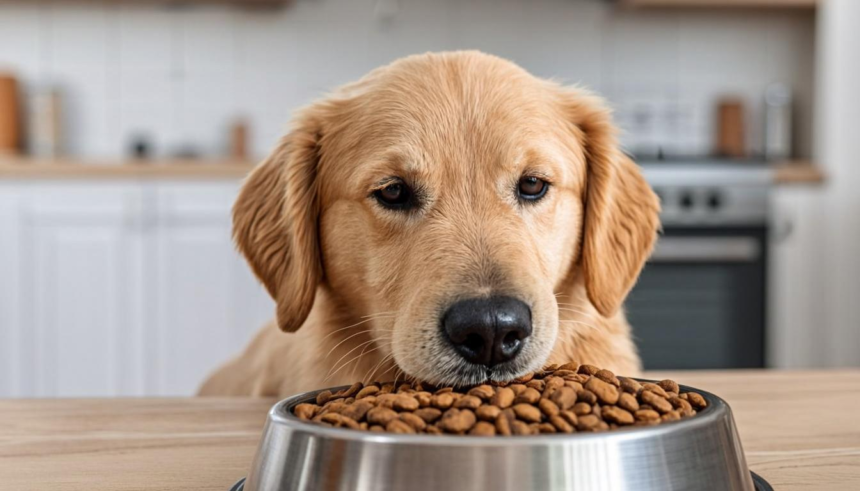
Choosing the right food for your new puppy is one of the most important decisions you’ll make as a dog owner, and wet puppy food is increasingly becoming the go-to choice for many UK pet parents. With its superior palatability, excellent hydration benefits, and gentle digestion, wet food can give your growing pup the very best start in life.
In this comprehensive guide, we’ve spent hours researching, comparing, and analysing the best wet puppy food available in the UK for 2026. From budget-friendly options to premium natural recipes, we cover everything you need to know to make an informed choice for your four-legged family member.
Whether you’re weaning a young puppy, dealing with a fussy eater, or simply want to add variety to your pup’s diet, this guide has you covered. Let’s dive in.
Why Choose Wet Puppy Food?
Wet puppy food has grown significantly in popularity over recent years, and for good reason. While dry kibble remains the most common choice, wet food offers several unique advantages that are particularly beneficial during a puppy’s crucial development phase.
Superior Hydration
Puppies are notoriously bad at drinking enough water on their own. Wet food typically contains between 70-85% moisture, which helps keep your puppy properly hydrated. This is especially important for small breeds, toy breeds, and puppies that are particularly active. According to the PDSA, maintaining adequate hydration is essential for kidney function, digestion, and overall health in growing puppies.
Exceptional Palatability
Let’s be honest — wet food smells and tastes far more appealing to dogs than dry kibble. The rich aroma and soft texture make it incredibly enticing, even for the fussiest of eaters. If your puppy is a picky eater or has a reduced appetite (perhaps after illness or during teething), wet food can be a game-changer. The Blue Cross notes that palatability is particularly important for puppies who may be reluctant to eat during stressful transitions like moving to a new home.
Easier Digestion
The softer texture of wet food makes it gentler on a puppy’s developing digestive system. Puppies weaning from their mother’s milk naturally transition to softer foods first, and wet food mimics the texture they’re already accustomed to. This can result in fewer digestive upsets, reduced wind, and firmer, more consistent stools.
Ideal for Weaning
When puppies begin the weaning process at around 3-4 weeks of age, wet food is the perfect bridge between mother’s milk and solid food. Its soft, mushy consistency can be easily mixed with puppy milk replacer to create a gruel that young puppies can lap up without difficulty.
Higher Protein and Natural Ingredients
Many premium wet puppy foods boast higher real meat content and fewer fillers compared to their dry counterparts. Because wet food doesn’t require the same binding agents and preservatives as kibble, manufacturers can often include more natural, wholesome ingredients that closely resemble what dogs would eat in the wild.
What to Look for in Quality Wet Puppy Food
Not all wet puppy foods are created equal. With so many options on UK supermarket and pet shop shelves, it’s important to know what separates a genuinely nutritious product from clever marketing. Here are the key factors we evaluate when recommending wet puppy food.
FEDIAF Nutritional Guidelines
The European Pet Food Industry Federation (FEDIAF) sets the gold standard for pet nutrition in Europe. Any wet puppy food worth its salt should meet or exceed FEDIAF guidelines, which specify minimum levels of protein, fat, vitamins, and minerals essential for healthy puppy development. Always look for products labelled as “complete” rather than “complementary,” as complete foods provide all the nutrients your puppy needs without requiring supplementation.
Protein Content
Puppies need significantly more protein than adult dogs to support rapid muscle and tissue development. Look for wet foods with a minimum protein content of 25-30% on a dry matter basis. The protein should come from high-quality, named animal sources (e.g., chicken, turkey, lamb) rather than vague terms like “meat and animal derivatives.” Real meat should be the first ingredient listed.
DHA and Essential Fatty Acids
Docosahexaenoic acid (DHA) is an omega-3 fatty acid that plays a critical role in brain development, vision, and cognitive function in puppies. The British Veterinary Association (BVA) highlights DHA as one of the most important nutrients for growing puppies. Look for foods that include natural sources of DHA such as salmon oil, fish oil, or flaxseed.
Calcium and Phosphorus Ratio
The calcium-to-phosphorus ratio is vital for healthy bone and skeletal development. For puppies, the ideal ratio is approximately 1.2:1 to 1.4:1. Too much calcium (particularly in large breed puppies) can lead to skeletal abnormalities, while too little can weaken bones. Reputable manufacturers carefully balance these minerals according to FEDIAF guidelines.
No Artificial Additives
Artificial colours, flavours, and preservatives have no place in quality puppy food. Look for products that use natural preservatives (such as mixed tocopherols — a form of vitamin E) and get their flavour from real ingredients rather than added artificial flavourings. If you can’t pronounce an ingredient, it’s worth questioning whether it belongs in your puppy’s bowl.
Grain-Free vs Grain-Inclusive
The grain-free debate continues in the pet food world. While some puppies thrive on grain-free diets (particularly those with specific sensitivities), most puppies do perfectly well with wholesome grains like brown rice, oats, or barley. For more on this topic, check out our in-depth guide on is grain-free food good for puppies.
Always consult your vet before making significant changes to your puppy’s diet, especially if they have any known health conditions or sensitivities.
Top 8 Best Wet Puppy Foods UK (2026 Reviews)
After extensive research and analysis, here are our top picks for the best wet puppy food available in the UK. Each product has been evaluated on nutritional quality, ingredient sourcing, value for money, and real customer feedback.
1. Barking Heads Puppy Days Natural Wet Food (Chicken)

Barking Heads is a beloved British brand known for producing natural, wholesome pet food, and their Puppy Days range is specifically formulated for growing pups. Made with succulent chicken as the primary protein source, this wet food is designed to support healthy development from weaning through to adulthood.
Key Features
- Made with 100% natural ingredients
- Chicken is the primary ingredient — no vague “meat derivatives”
- Enriched with DHA for brain and eye development
- Contains prebiotics for digestive health
- No artificial colours, flavours, or preservatives
- Suitable for puppies from 2 months of age
- Available in convenient 400g tins and 150g pouches
Nutritional Highlights
- Protein: 10.5% (approximately 35% dry matter)
- Fat: 7.5% (approximately 25% dry matter)
- Key Ingredients: Chicken (65%), Chicken Broth, Brown Rice, Carrots, Peas, Linseed, Salmon Oil
- Additives: Vitamins A, D3, E; Zinc, Iron, Manganese; Prebiotic MOS
Pros
- Excellent meat content with named protein sources
- Very palatable — even fussy puppies love it
- Good value for the quality
- British-made with responsibly sourced ingredients
- Strong brand reputation with loyal customer base
Cons
- Contains grains (brown rice) — not ideal for confirmed grain allergies
- Only available in chicken flavour for puppies
- Tins can be slightly bulky for storage
Who It’s Best For
Barking Heads Puppy Days is ideal for owners who want a natural, British-made food with high meat content at a reasonable price. It’s particularly well-suited to medium and large breed puppies who need robust nutrition during their growth phase.
Price Range
£1.20 – £1.60 per 400g tin | £0.90 – £1.20 per 150g pouch
Where to Buy
- Amazon UK
- Barking Heads Official Website
- Available at Pets at Home, Jollyes, and independent pet retailers
2. Lily’s Kitchen Puppy Perfect Chicken & Turkey

Lily’s Kitchen has earned a stellar reputation as one of the UK’s premier premium pet food brands, and their Puppy Perfect recipe is a shining example of why. This delicious wet food combines free-range chicken and turkey with wholesome vegetables and beneficial herbs, creating a nutritionally complete meal that puppies absolutely adore.
Key Features
- Made with free-range chicken and turkey
- Vet-approved recipe
- Enriched with omega-3 and omega-6 fatty acids
- Contains added prebiotics and probiotics for gut health
- Naturally occurring taurine for heart health
- No artificial anything — 100% natural
- Recyclable packaging (cardboard trays)
- Suitable from 2 months of age
Nutritional Highlights
- Protein: 9.5% (approximately 38% dry matter)
- Fat: 6.5% (approximately 26% dry matter)
- Key Ingredients: Fresh Chicken (40%), Turkey (20%), Sweet Potato, Carrots, Peas, Broccoli, Salmon Oil, Seaweed, Rosemary
- Additives: Vitamins A, D3, E, B-complex; Zinc, Copper, Manganese, Iodine; Prebiotic FOS
Pros
- Outstanding ingredient quality with named meats
- Free-range protein sources
- Recyclable, eco-friendly packaging
- Beautiful presentation — smells genuinely appetising
- Strong ethical brand values
Cons
- Premium price point — one of the more expensive options
- Smaller portion sizes per tray
- May be too rich for puppies with very sensitive stomachs initially
Who It’s Best For
Lily’s Kitchen Puppy Perfect is perfect for owners who prioritise ethical sourcing, organic ingredients, and premium quality. It’s an excellent choice for small and toy breed puppies where portion sizes work well, and for owners who want a food that looks and smells good enough to eat themselves.
Price Range
£1.80 – £2.20 per 400g tray | £1.00 – £1.30 per 150g tray
Where to Buy
- Amazon UK
- Lily’s Kitchen Official Website
- Available at Waitrose, Ocado, Pets at Home, and online retailers
3. Forthglade Natural Puppy Wet Food

Forthglade is a Devon-based company that has been producing natural pet food since 1971. Their puppy wet food range is beloved for its simplicity — clean ingredients, gentle recipes, and outstanding quality at a surprisingly affordable price point. Forthglade takes a “less is more” approach, using a short ingredient list that’s packed with nutrition.
Key Features
- 100% natural ingredients with no junk
- Made in Devon, England
- Gentle recipe — ideal for sensitive tummies
- Grain-free options available
- Enriched with vitamins and minerals
- Hypoallergenic recipe — free from common allergens
- No artificial colours, flavours, or preservatives
- Ethically and sustainably sourced
Nutritional Highlights
- Protein: 8.5% (approximately 34% dry matter)
- Fat: 5.5% (approximately 22% dry matter)
- Key Ingredients: Turkey (65%), Sweet Potato, Carrots, Peas, Linseed, Seaweed, Sunflower Oil
- Additives: Vitamins A, D3, E; Zinc, Iron; Prebiotic FOS
Pros
- Exceptionally gentle on sensitive stomachs
- Grain-free options for puppies with allergies
- Excellent value — premium quality at a mid-range price
- Simple, transparent ingredient list
- Over 50 years of pet food expertise
Cons
- Lower protein content compared to some competitors
- Limited flavour variety for puppies specifically
- Tray packaging can be fiddly to open
Who It’s Best For
Forthglade Puppy is an excellent all-rounder, particularly well-suited to puppies with sensitive digestion or suspected food sensitivities. It’s also a fantastic budget-conscious choice for owners who still want natural, high-quality ingredients without the premium price tag.
Price Range
£0.90 – £1.20 per 390g tray | Case of 12: £10.00 – £14.00
Where to Buy
- Amazon UK
- Forthglade Official Website
- Available at Pets at Home, Wilko, and various online retailers
4. Harringtons Puppy Wet Food (Turkey)

Harringtons is a well-established British family business that has been producing quality pet food since the 1920s. Their puppy wet food with turkey offers excellent nutrition at one of the most competitive price points on the UK market, making it a firm favourite among budget-conscious puppy owners who don’t want to compromise on quality.
Key Features
- Family-owned British company since 1920s
- Turkey as the primary protein — lean and easily digestible
- No artificial colours or flavours
- Vitamin-enriched for healthy growth
- Contains brown rice for sustained energy
- Affordable and widely available
- No added soya or wheat
Nutritional Highlights
- Protein: 8.0% (approximately 32% dry matter)
- Fat: 5.5% (approximately 22% dry matter)
- Key Ingredients: Turkey (45%), Turkey Broth, Brown Rice, Carrots, Peas, Linseed, Vitamins & Minerals
- Additives: Vitamins A, D3, E; Zinc Sulphate, Iron Sulphate; Prebiotic MOS
Pros
- Outstanding value for money
- Widely available across UK supermarkets and pet shops
- Lean turkey protein — great for maintaining healthy weight
- Trusted British brand with heritage
- No artificial colours or flavours
Cons
- Lower meat content compared to premium brands
- Contains rice — not suitable for grain-free diets
- Bland taste may not entice extremely fussy eaters
Who It’s Best For
Harringtons Puppy is best for owners on a tighter budget who still want a reputable British brand with decent nutritional credentials. It’s a practical, everyday option that provides solid nutrition without breaking the bank. Particularly suitable for families with multiple dogs.
Price Range
£0.65 – £0.90 per 400g tin | Case of 6: £4.00 – £5.50
Where to Buy
- Amazon UK
- Harringtons Official Website
- Available at Asda, Tesco, Pets at Home, and most pet retailers
5. Naturediet Puppy Feel Good

Naturediet has been a pioneer in natural pet food since 1980, and their Puppy Feel Good recipe continues to set the standard for wholesome, balanced nutrition. Made in their purpose-built factory in Somerset, Naturediet uses only carefully selected, natural ingredients to create food that truly nourishes your growing puppy from the inside out.
Key Features
- Pioneer of natural pet food in the UK since 1980
- Single protein source recipes
- Contains brown rice and barley for complex carbohydrates
- Added herbs for natural health benefits
- Enriched with omega-3 fatty acids
- No artificial preservatives, colours, or flavours
- Carton packaging — more eco-friendly than cans
- Suitable from 6-8 weeks of age
Nutritional Highlights
- Protein: 9.0% (approximately 36% dry matter)
- Fat: 6.0% (approximately 24% dry matter)
- Key Ingredients: Chicken (55%), Brown Rice, Carrots, Barley, Seaweed, Linseed, Rosemary, Yucca Extract
- Additives: Vitamins A, D3, E, B-group; Zinc, Iron, Copper, Manganese; Taurine
Pros
- Single protein source — ideal for allergy-prone puppies
- Excellent heritage and manufacturing standards
- Eco-friendly carton packaging
- Added herbs offer natural health benefits
- Good protein content for the price
Cons
- Limited availability in some regions
- Contains grains — not suitable for grain-free diets
- Cartons can be damaged more easily than tins in transit
Who It’s Best For
Naturediet Puppy Feel Good is ideal for puppies with food sensitivities, thanks to its single protein source approach. It’s also a great choice for environmentally conscious owners who prefer carton packaging over aluminium cans.
Price Range
£1.10 – £1.50 per 390g carton | Case of 18: £18.00 – £24.00
Where to Buy
- Amazon UK
- Naturediet Official Website
- Available at select pet shops, farm shops, and online retailers
6. Royal Canin Puppy Wet Food

Royal Canin is one of the world’s largest and most scientifically advanced pet food manufacturers. Their puppy wet food range is backed by extensive veterinary research and is formulated to meet the precise nutritional needs of puppies at every stage of development. Royal Canin even offers breed-specific puppy formulas, which sets them apart from most competitors.
Key Features
- Veterinarian-formulated and scientifically backed
- Breed-specific options available (e.g., Labrador Retriever, French Bulldog, Chihuahua)
- Precisely balanced calcium-phosphorus ratio for healthy bone development
- Contains patented antioxidant complex for immune support
- Highly digestible proteins for optimal nutrient absorption
- Available in both pouches and tins
- Extensive quality control and testing
Nutritional Highlights
- Protein: 9.0% (approximately 36% dry matter)
- Fat: 7.0% (approximately 28% dry matter)
- Key Ingredients: Chicken, Pork, Chicken Liver, Rice, Wheat, Maize, Vegetable Fibre, Fish Oil, Vitamins & Minerals
- Additives: Vitamin A, D3, E; Taurine; L-Carnitine; Zinc, Iron; Antioxidant complex (Vitamin C, Vitamin E, Lutein, Taurine)
Pros
- Extremely precise, science-backed nutrition
- Breed-specific formulas available for tailored feeding
- Excellent palatability — most puppies love it
- Widely recommended by UK veterinarians
- Consistent quality and safety standards
Cons
- Contains wheat and maize — not grain-free
- Uses some less desirable ingredients (e.g., animal derivatives, maize)
- More expensive than many natural alternatives
- Not the best choice for owners who prefer “clean label” foods
Who It’s Best For
Royal Canin is ideal for owners who want veterinarian-recommended, scientifically formulated nutrition. It’s particularly beneficial for puppies of specific breeds that have unique nutritional requirements, and for owners who value rigorous quality control and testing above all else.
Price Range
£1.30 – £1.80 per 200g pouch | Case of 12: £14.00 – £20.00
Where to Buy
- Amazon UK
- Royal Canin Official Website
- Available at most vets, Pets at Home, Jollyes, and online
7. Butcher’s Puppy Complete Wet Food

Butcher’s is a true British institution when it comes to dog food, having fed the nation’s dogs for over 30 years. Their Puppy Complete range is specifically formulated to provide all the nutrition a growing puppy needs, and it remains one of the most affordable quality options on the UK market. Butcher’s proves that you don’t need to spend a fortune to feed your puppy well.
Key Features
- Made in the UK with British meat
- Complete and balanced nutrition for puppies
- Rich in vitamins and minerals for healthy development
- No artificial colours or preservatives
- Contains added calcium for strong bones and teeth
- Affordable and widely available in supermarkets
- Available in both tins and plastic trays
- Suitable from 8 weeks of age
Nutritional Highlights
- Protein: 8.5% (approximately 34% dry matter)
- Fat: 5.0% (approximately 20% dry matter)
- Key Ingredients: Chicken (40%), Chicken Broth, Rice, Carrots, Pea Protein, Minerals, Vitamins
- Additives: Vitamins A, D3, E, B-group; Zinc, Iron, Copper; Calcium Supplement
Pros
- Exceptionally budget-friendly
- Widely available in virtually every UK supermarket
- British-made with UK-sourced ingredients
- Most puppies find it very palatable
- No artificial colours or preservatives
Cons
- Lower protein percentage compared to premium options
- Contains rice and may contain cereals
- Not as natural as some competitors
- Limited flavour variety in puppy range
Who It’s Best For
Butcher’s Puppy Complete is the go-to choice for owners who need a reliable, affordable food that still provides complete nutrition. It’s particularly good for families on a budget, multi-dog households, and puppies who aren’t particularly fussy about what they eat.
Price Range
£0.55 – £0.75 per 400g tin | Case of 12: £6.00 – £8.50
Where to Buy
- Amazon UK
- Butcher’s Official Website
- Available at Tesco, Asda, Morrisons, Sainsbury’s, and most supermarkets
8. Wainwrights Puppy Wet Food

Wainwrights is Pets at Home’s own-brand premium pet food range, and their puppy wet food has earned a loyal following for offering natural, hypoallergenic nutrition at competitive prices. Named after the famous Wainwrights fells of the Lake District, this food is designed to fuel your puppy’s adventures with wholesome, carefully selected ingredients.
Key Features
- Hypoallergenic recipe — gentle on sensitive puppies
- Exclusive to Pets at Home (also available online)
- No artificial colours, flavours, or preservatives
- Single protein source options available
- Enriched with essential vitamins and minerals
- Contains omega fatty acids for coat and skin health
- Available in both trays and “trough” multipack format
- Grain-free puppy options available
Nutritional Highlights
- Protein: 9.0% (approximately 36% dry matter)
- Fat: 5.5% (approximately 22% dry matter)
- Key Ingredients: Turkey (50%), Sweet Potato, Carrots, Peas, Linseed, Seaweed, Sunflower Oil, Vitamins & Minerals
- Additives: Vitamins A, D3, E; Zinc, Iron, Copper; Prebiotic FOS; Taurine
Pros
- Excellent value for a hypoallergenic product
- Grain-free options available
- Easily available at Pets at Home stores nationwide
- Good protein content for the price point
- Hypoallergenic — suitable for sensitive puppies
Cons
- Only available from Pets at Home (physical and online)
- Limited flavour variety
- Brand is exclusive — no direct manufacturer relationship for queries
- The “trough” format isn’t as convenient for single-puppy households
Who It’s Best For
Wainwrights Puppy is perfect for owners who shop at Pets at Home and want a quality hypoallergenic option without the premium price tag. It’s particularly well-suited to puppies with sensitive digestion or mild food allergies, and the grain-free version is a bonus for pups who can’t tolerate cereals.
Price Range
£0.80 – £1.10 per 390g tray | Trough of 12: £9.00 – £12.00
Where to Buy
- Pets at Home (Online & In-Store)
- Available exclusively at Pets at Home
Wet vs Dry Puppy Food: Which Is Better?
This is one of the most common questions new puppy owners ask, and the honest answer is that both have their merits. The best choice depends on your individual puppy’s needs, your budget, and your lifestyle. Here’s a comprehensive comparison to help you decide.
| Feature | Wet Puppy Food | Dry Puppy Food |
|---|---|---|
| Moisture Content | 70-85% (excellent hydration) | 8-12% (less hydration support) |
| Palatability | ★★★★★ Very high | ★★★☆☆ Moderate |
| Dental Health | ★★☆☆☆ No dental benefit | ★★★★☆ Helps reduce plaque |
| Shelf Life (opened) | 2-3 days (refrigerated) | 4-6 weeks (sealed container) |
| Cost Per Day | £1.00 – £3.00+ | £0.50 – £1.50 |
| Digestibility | ★★★★★ Very gentle | ★★★★☆ Generally good |
| Convenience | ★★★☆☆ Needs refrigeration | ★★★★★ Easy to store & serve |
| Weaning Suitability | ★★★★★ Ideal | ★★☆☆☆ Can be difficult |
| Protein Quality | Often higher real meat % | Varies significantly by brand |
| Fussy Eaters | ★★★★★ Almost always accepted | ★★★☆☆ Some dogs refuse it |
Our Recommendation: Mixed Feeding
For many puppy owners, the ideal approach is mixed feeding — combining both wet and dry food. This gives you the best of both worlds: the hydration, palatability, and superior protein of wet food alongside the dental benefits, convenience, and cost-effectiveness of dry kibble. Many veterinary professionals, including those at the BVA, support mixed feeding as a balanced approach to puppy nutrition.
For a closer look at dry options, check out our comprehensive guide to the best dry dog food in the UK, and for our overall top picks across all food types, don’t miss our best puppy food UK guide.
How to Transition Your Puppy to Wet Food
Whether you’re switching from dry food, changing brands, or introducing wet food for the first time, it’s crucial to transition gradually. A sudden change in diet can cause stomach upset, diarrhoea, and general discomfort for your puppy.
Looking for a detailed transition guide? Our step-by-step article on how to switch dog food safely covers everything you need to know.
The 7-Day Transition Plan
- Days 1-2: Feed 75% current food mixed with 25% new wet food
- Days 3-4: Feed 50% current food mixed with 50% new wet food
- Days 5-6: Feed 25% current food mixed with 75% new wet food
- Day 7 onwards: Feed 100% new wet food
Important Tips for a Smooth Transition
- Monitor stools closely: Loose stools are normal during transition but should firm up within a few days. If diarrhoea persists for more than 48 hours, consult your vet.
- Keep portions consistent: Don’t increase total daily calories during the transition.
- Stay patient: Some puppies take longer to adjust than others. Extend the transition to 10-14 days if needed.
- Warm the wet food slightly: Warming it for 10-15 seconds in the microwave (stir well to avoid hot spots) can enhance the aroma and encourage picky eaters.
- Don’t mix medications: If your puppy is on medication, keep the timing separate from meal changes so you can accurately monitor any reactions.
How Much Wet Food Should You Feed Your Puppy?
Getting portion sizes right is essential for your puppy’s health. Overfeeding can lead to rapid weight gain and skeletal problems (especially in large breeds), while underfeeding can stunt growth and leave your puppy lacking energy.
General Feeding Guide by Age and Weight
Always check the feeding guidelines on your specific product’s packaging, as calorie density varies between brands. The following is a general guide for an average wet puppy food:
| Puppy Age | Expected Weight | Daily Wet Food Amount | Meals Per Day |
|---|---|---|---|
| 8-12 weeks | 2-5 kg | 150-250g | 4 meals |
| 12-16 weeks | 4-8 kg | 200-350g | 3-4 meals |
| 4-6 months | 8-15 kg | 300-500g | 3 meals |
| 6-9 months | 12-25 kg | 400-700g | 2-3 meals |
| 9-12 months | 20-35+ kg | 500-900g | 2 meals |
Feeding Tips for Optimal Puppy Nutrition
- Weigh your puppy regularly: Use a baby scale for small breeds or weigh yourself holding and not holding your puppy on regular scales. Track their growth to ensure they’re on the right curve.
- Adjust for activity level: Highly active puppies (working breeds, etc.) may need 10-15% more than the guideline amount.
- Consider neutering status: Neutered puppies have slightly lower energy requirements. Consult your vet about adjusting portions post-neutering.
- Use a puzzle feeder: Wet food can be served in a lick mat or slow feeder to make meal times last longer and provide mental stimulation.
- Don’t free-feed: Set specific meal times and remove uneaten food after 20-30 minutes. This helps establish routine and prevents overeating.
For a comprehensive look at what your puppy should — and shouldn’t — be eating, our guide on what not to feed your puppy covers common foods that are toxic or harmful to dogs.
Frequently Asked Questions About Wet Puppy Food
Is wet puppy food better than dry puppy food?
Neither is objectively “better” — it depends on your puppy’s individual needs. Wet food offers superior hydration, palatability, and easier digestion, making it ideal for weaning, fussy eaters, and puppies who don’t drink enough water. Dry food is more convenient, better for dental health, and generally more cost-effective. Many owners find that a mixed feeding approach works best, combining the benefits of both. The PDSA recommends choosing a food that meets FEDIAF nutritional guidelines regardless of format.
Can I feed my puppy only wet food?
Yes, absolutely — provided you choose a complete wet food (as opposed to complementary). Complete wet puppy foods are formulated to provide all the nutrients your growing puppy needs. Many puppies thrive on an exclusively wet diet. Just be mindful of dental care, as wet food doesn’t provide the abrasive chewing action that helps keep teeth clean. Regular teeth brushing and dental chews can help compensate for this.
At what age can puppies start eating wet food?
Puppies can begin the weaning process onto wet food at around 3-4 weeks of age. Start by mashing the wet food with warm water or puppy milk replacer to create a gruel-like consistency. By 6-8 weeks, most puppies can eat wet food normally. Always choose a food specifically formulated for puppies, as adult dog food won’t have the right balance of nutrients for growth.
How long does opened wet puppy food last?
Once opened, wet puppy food should be stored in the refrigerator and used within 2-3 days. Cover the tin or transfer leftovers to an airtight container to prevent it from drying out or absorbing other fridge odours. Serve at room temperature for best palatability — most puppies prefer their food not straight from the fridge.
Is grain-free wet puppy food safe?
Grain-free puppy food can be safe and appropriate, particularly for puppies with diagnosed grain allergies or intolerances. However, it’s important to note that the FEDIAF and the BVA have highlighted potential links between grain-free diets (particularly those high in legumes) and a heart condition called Dilated Cardiomyopathy (DCM) in dogs. For most puppies, a quality grain-inclusive food is perfectly healthy. Read our detailed analysis on whether grain-free food is good for puppies for more information.
Can I mix wet and dry puppy food?
Yes, mixing wet and dry food is an excellent approach known as “mixed feeding.” It provides the hydration and palatability benefits of wet food alongside the dental and convenience benefits of dry food. When mixed feeding, ensure the total daily calorie intake doesn’t exceed your puppy’s requirements. You may need to slightly reduce the portion of each to avoid overfeeding.
Should I warm up wet puppy food?
Warming wet food for 10-15 seconds in the microwave (ensure you stir well to eliminate hot spots) can enhance the aroma and make it more appealing to your puppy. This is particularly helpful for fussy eaters or puppies who are feeling under the weather. However, it’s not strictly necessary — most puppies will happily eat it at room temperature straight from the tin or pouch.
How do I know if my puppy is allergic to their wet food?
Common signs of food allergies or intolerances in puppies include persistent itching (especially ears and paws), skin rashes, recurring ear infections, excessive wind, chronic diarrhoea or vomiting, and poor coat quality. If you suspect a food allergy, consult your vet. They may recommend an elimination diet to identify the specific trigger ingredient. For more guidance on identifying problematic foods, see our article on what not to feed your puppy.
When should I switch my puppy from wet puppy food to adult dog food?
The timing depends on your puppy’s breed and expected adult size. Small breeds can usually transition to adult food at around 9-12 months. Medium breeds at 12-15 months, and large/giant breeds may need to stay on puppy food until 18-24 months. Your vet can advise on the best timing for your specific puppy. When you do switch, follow the same gradual transition process outlined earlier in this article.
What’s the difference between “complete” and “complementary” wet puppy food?
This is a crucial distinction. Complete wet puppy food is nutritionally balanced to serve as your puppy’s sole diet — it contains all the proteins, fats, carbohydrates, vitamins, and minerals they need in the right proportions. Complementary wet puppy food (sometimes called “mixers”) is designed to be fed alongside other foods — typically dry kibble — and does not contain a complete nutrient profile on its own. Always check the label carefully and opt for “complete” foods unless you’re deliberately following a mixed feeding plan with a nutritionally complete base.
Final Verdict: Which Wet Puppy Food Is Best?
After thoroughly evaluating the top wet puppy foods available in the UK, here’s our summary of which products shine in specific categories:
- Best Overall: Barking Heads Puppy Days — Offers the best balance of quality ingredients, nutritional completeness, British provenance, and value for money. It’s a fantastic all-rounder that most puppies will thrive on.
- Best Premium: Lily’s Kitchen Puppy Perfect — If budget isn’t a concern and you want the finest natural ingredients with free-range meats, this is the one. The quality speaks for itself.
- Best Budget: Butcher’s Puppy Complete — Remarkably affordable while still providing complete and balanced nutrition. Perfect for families who need to watch the pennies without sacrificing their puppy’s health.
- Best for Sensitive Stomachs: Forthglade Natural Puppy — Gentle, hypoallergenic, and grain-free options make this the ideal choice for puppies with delicate digestion.
- Best Vet-Recommended: Royal Canin Puppy — Backed by decades of scientific research and breed-specific formulations, it’s the choice of veterinarians across the UK.
- Best Value Hypoallergenic: Wainwrights Puppy — Offers genuine hypoallergenic nutrition at a price that won’t make your wallet weep.
Our Top Recommendation
If we had to pick just one, Barking Heads Puppy Days takes the crown. It offers exceptional meat content, proper nutritional balance meeting FEDIAF standards, no artificial nasties, and is made right here in the UK. At its price point, it represents outstanding value and consistently impresses both puppies and their owners.
However, every puppy is unique. The “best” wet puppy food is ultimately the one that your own puppy thrives on — the one that gives them a glossy coat, bright eyes, good energy levels, and firm stools. Don’t be afraid to try a few options to find the perfect match for your growing companion.
Remember: always consult your vet before making significant changes to your puppy’s diet, and schedule regular check-ups to monitor their growth and development. Your puppy relies on you to make the best choices for their health and happiness.
Related Articles You May Enjoy:
- Best Puppy Food UK 2026: Complete Buyer’s Guide
- Best Wet Dog Food UK: Top Picks for Adult Dogs
- Best Dry Dog Food UK 2026: Expert Reviews & Comparisons
- How to Switch Dog Food Safely: A Complete Guide
- Is Grain-Free Food Good for Puppies? What You Need to Know
- What Not to Feed Your Puppy: Complete Safety Guide