
There are so many dog food options available in the market that choosing the right diet can be quite confusing. Not only the brands and ingredients, but even basic choices like deciding on wet or dry food can seem quite overwhelming. Every dog is different and their needs are also different.
Choosing dog food according to your dog is very important, so it is always the best option to consult your vet so that you can get the proper recommendation according to your dog’s lifestyle.
The goal of this article is to understand the main differences between wet and dry foods in a simple way so that the confusion is reduced and you are given clear insides in this special UK context so that you can understand the approach of dry and wet food and which one.
By the end of this article, your confusion will be cleared and you will be able to decide whether you should choose Best wet food or dry dog food for your dog.
What’s the Difference Between Wet and Dry Dog Food?
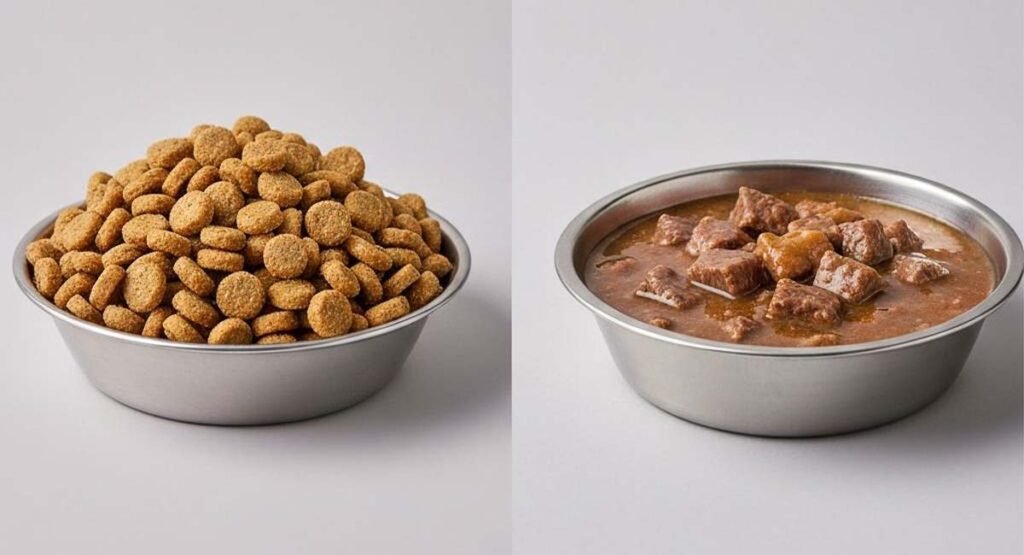
Whether it is dry food or both, both are made for dogs. The same company that makes dry dog food also makes wet dog food. Now whether to choose wet dog food or dry depends on your dog’s needs. Dry dog food usually only contains around 8 percent moisture, while wet food contains around 75%, which is a huge difference.
That is why everything from calorie density to how much your dog eats is affected. Both types, namely dry and wet dog foods, can be nutritionally balanced. To make wet food, first the protein or meat ingredients are ground, then gravy is added to it, which contains vitamins, minerals, and fiber, sometimes greens as well.
This mixture is cooked and sterilized and then prepared in canned form. The process of dry food is also somewhat simpler, but the moisture is removed from it. The mixture is compressed into small pellets, which can be stored for a long time. Dry foods and wet foods are made this way, but it has a significant impact on the dog’s health.
Wet Dog Food vs. Dry Dog Food: Which is Best for Which Dog?
It depends on the dog’s age, health, and needs. Wet dog food is mostly given to puppies, senior dogs, dogs with weak appetites, or dogs that have difficulty chewing or have dental issues because it is soft and tasty.
Dry dog food is good for healthy adult dogs, active dogs, and owners who want a convenient and budget-friendly option. It can also help reduce plaque on teeth.
Many owners mix the two so that people can get both taste and balance or nutrition.
Wet Dog Food vs Dry Dog Food
Whether you choose wet dog food or dry dog food, both have their own advantages and disadvantages. It depends on the dog what they are better at. Some dogs like to eat wet dog food and some prefer dry dog food. Below is a simple comparison of wet dog food or dry dog food.
Advantages of Dry Dog Food
Dry dog food is very popular in the UK and for good reason.
- It is budget-friendly and saves money in the long term, especially if you have a lot of dogs.
- Its crunchy texture helps reduce blackheads and blackheads on the skin.
- Dry food is easy to store and does not spoil quickly. It also has long-term benefits.
- It is also high in caloric density, so you get more energy in a smaller quantity.
Advantages of Wet Dog Food
Wet food seems more tasty to many dogs
- It is high in moisture and supports hydration, especially for dogs who drink little water.
- Wet food is often the best option for Fussy eaters.
- It is low in preservatives and is easy to eat for dogs with dental issues because it is soft-textured.
Disadvantages of Dry Dog Food
Not everything is perfect with dry dog food. It is not for all dogs because dry food has less moisture. For some people, it cannot provide proper hydration. This can sometimes increase the risk of urinary tract issues. And to be honest, some dogs don’t find dry food that exciting, especially when they have been eating it for months. The quality also varies a lot.
Not every kibble is made of beans. Some cheap brands contain mostly greens, fillers, and very little real meat. So always check the ingredient list. If the first ingredient is not properly listed as chicken or beef liver, don’t use it.
Disadvantages of Wet Dog Food
The cost of wet dog food is also a big factor.
Wet food is often quite expensive, especially if your dog is a large breed. Once you open the pack, it is important to store it properly, otherwise it will go bad. The shelf life is also short.
Wet food has to be kept in the refrigerator after opening, which is a waste if used within 24 to 48 hours. If it is left alone for too long in the summer, there may be hygiene issues, which is not the case with dry food. You can store it for the long term, which makes it budget-friendly.
There is also a slight downside on the dental side because wet food does not have a crunch like kibble, so it does not have a natural cleaning effect on the teeth. As a result, the chance of tartar buildup increases.
Which Dog Food Do I Prefer for Dogs?
I have told you the advantages and disadvantages of wet foods and dry dog food.
Now here is where a problem arises.
If you choose wet food, you will have to do some extra prep work, such as regular dental check-ups or vet visits, What you wouldn’t want to do.
Considering the budget, dry foods have their own benefits. They can be stored for a long time. They are also budget-friendly and dogs eat them easily.
On the other hand, wet dog food also has some drawbacks. They are a little expensive, difficult to store, spoil quickly, and the overall maintenance cost is high. Along with this, the risk of dental issues can also increase a little. So, you should be prepared for this. But one simple thing:
Dogs usually like to eat wet food more. Its taste and smell are strong, so they eat it easily. Even fussier dogs, who often ignore food, also eat wet food. They like to eat, that’s why many people use a smart approach. They mix a little wet food and a little dry food. This gives the dog a taste and makes eating easier.
The budget also stays in control and the overall health is also improved. If you are choosing the best option for your dog, mixing dry and wet food is a balanced and practical approach that is also budget-friendly. Most people think that dry food is the best, but when your dog gets wet food every day, he loses interest.
That’s why adding a little wet food is helpful because dogs are generally picky eaters.
We all know that the best approach is to mix about 80% dry fruit and 20% wet food. You can reduce this a little according to your dog’s needs. This improves the taste, the dog eats happily, the budget also comes under control, and the nutrition is also better.
Finally, the decision always depends on the age, health, and style of the dog. If the dog is different, then do some research and choose the best combination for your dog.
What Is the Best Dog Food for Pancreatitis?
Pancreatitis is a painful condition in which the pancreas becomes inflamed and is often caused by a high-fat diet. This is because most people do not manage their dog’s food properly. If your dog has been diagnosed with this, feeding the right food is not optional. It is absolutely necessary. The best diet for dogs with pancreatitis is one that is low in fat and contains moderate amounts of protein.
Generally, vets recommend that such dogs always be given low-fat dog food to prevent future flare-ups. The fat content in foods should ideally be less than 15 percent, and in some cases, especially if the dog has become very sensitive, vets recommend less than 10 percent fat. Pancreatitis can also cause dehydration in dogs, so wet food is helpful because it has a high water content. It is more, but if you want to give dry food, then giving it a little softened in warm water can also be equally effective.
If you want to look at ready-made options, low-fat diets such as Hill’s Prescription Diet i/d Low Fat or Royal Canin Gastrointestinal Low Fat are quite popular. Vets recommend them for pancreatic support.
The most important thing is that if your dog is sick, whether it has pancreatitis or any other issue, always consult the web as soon as possible. I often recap this in my articles because it is so important.
Is Dry or Wet Food Better for Puppies?
Puppies eat a lot of food and are full of energy, but their digestive system is quite delicate, so their nutrition in the first year is the most important. Wet food is usually easy for small puppies; they chew and digest it easily. But the good thing is that both dry and wet dog foods can be nutritionally balanced.
You just have to choose foods that are specially labeled for puppies, not for adult dogs. Many people start puppies with wet food at first and then gradually introduce dry kibble after eight to ten weeks. Soaking the dry food in warm water first makes the transition smooth and makes it easier for the puppy.
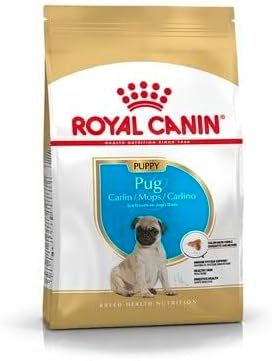
If you are looking for ready-to-eat options, Royal Canin Puppy Dry and Torina Pro Plan Puppy Wet are quite popular. These are easily available, recommended by Vats, and also, buyer ratings are consistently good.

- Formulated for a total dental hygiene
- Special ingredient for strong natural defences and a healthy long-term maintenance
- Allows the developing immune system of the puppy to react efficiently
Should Senior Dogs Eat Wet Food or Dry Food?
Senior dogs, after the age of seven, have slightly different needs. Their metabolism slows down, their joints may become inflamed, and some dogs may develop tooth loss or kidney issues. Wet food can be more beneficial at this stage because it is easily digested and improves hydration.
It is also good for dogs with gum disease or reduced strength due to its soft texture. However, if your senior dog can still crunch before resting and his dental health is good, there is no need to think too much. You can try senior dry food formulas available in the market today that come with low calories and also contain ingredients such as glue and earth for joint support. Observe your dog’s condition and adjust accordingly. Most dogs They show their own preferences over time.
What Do Vets Recommend: Wet or Dry Dog Food?
There is not much difference in nutritional content between wet and dry food, especially when you are choosing a high-quality dog food, so the answer to the best option is not so simple and straightforward. Commonly recommended brands include Hill’s Science Diet, Royal Canin, and Purina Pro Plan.


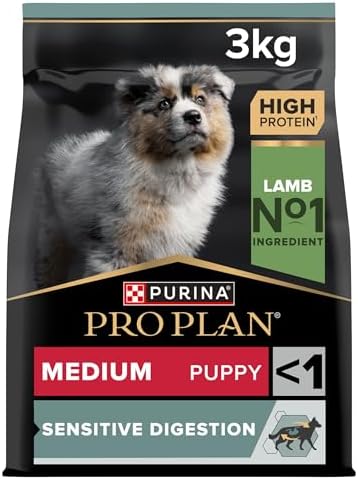
- Complete and balanced Medium Puppy <1 Dry Puppy Food tailored for puppies with Sensitive Digestion and helps support nat...
- PURINA PRO PLAN Sensitive Digestion contains prebiotics proven to help promote a better gut microflora balance
- Pack is made with specific ingredients to help support intestinal health and stool quality
These brands are available in both wet and dry formats. The overall consensus of vets is that quality is more important than format. This premium dry food is always better than a low-quality wet food. Therefore, always choose a food that has a semi-protein source written as the first ingredient, no added fillers, and is appropriate for your dog’s life stage, i.e., puppy, adult, senior, or whether you choose wet food or dry or mix both.
Always ensure that the food is complete and balanced so that the dog gets the right nutrition. Another important thing is to never change your dog’s food suddenly. Always introduce new foods gradually, over a period of five to seven days, otherwise your dog may get stomach upset.
Final Verdict: Which Is Better?
There is no winner in the dry dog food vs wet dog food debate. Both have their strong points. For most UK dogs, the best approach is hybrid feeding. Mixing wet and dry food can be a good option as it provides the benefits of both. However, one thing is very important to keep in mind.
The total daily feeding amount should be correct, otherwise overfeeding can occur. It is best to contact your vet and have them calculate your interest level in the daily calorie requirement. Then, you can decide accordingly how much dry and how much wet food to give so that the total calorie target is matched and there are no issues in the future for your dog.